
 Worksheets
CCHS Integrated Final Exam Fall 2021
Total questions: 221
Worksheet time: 3hrs 53mins
Jack tries to place magnets on the door of his refrigerator. He observes that the magnets don’t stick. He guesses that the door of the refrigerator is made of a nonmagnetic substance. What stage of scientific investigation does his guess represent?
A. ask questions
B. construct a hypothesis
C. explain the results
D. make observations
Meg goes swimming on a hot afternoon. When she comes out of the pool, her foot senses that the pavement is unbearably hot. Suppose Meg wants to apply the scientific method to discover reasons for the hot pavement. What is the next step she should take?
A. analyze the data
B. ask questions
C. communicate the results
D. make observations
When a candle burns, which forms of energy does the chemical energy in the candle change to?
A. light and sound
B. heat and sound
C. light and heat
D. electric and light
Based on the law of conservation of energy, which statement is correct?
A. Energy is always being added to all parts of the Universe.
B. Energy is often destroyed in some parts of the Universe.
C. Energy in a closed system cannot change forms.
D. Energy in an isolated system remains constant.
When a hypothesis is proven wrong, scientists often begin by revising the (a) (question, hypothesis,
experiment, conclusion).
After a hypothesis is proven wrong, scientists often begin by revising the hypothesis, it’s common for scientists to redesign the (a) (question, hypothesis, experiment, conclusion).
Classify the items based on whether they are or are not matter. Check all the examples of matter.
toothpaste
light
gasoline
cell
sound

Select the forms of energy in the image.
glass
heat
light
tungsten
electricity
Select the volume units that are greater than one liter.
kiloliter
milliliter
megaliter
centiliter
nanoliter

Identify the type of energy conversion represented by each picture.
wind energy to electric energy
electric energy to heat energy
solar energy to light energy
electric energy to light energy

Identify the type of energy conversion represented by each picture.
wind energy to electric energy
electric energy to heat energy
solar energy to light energy
electric energy to light energy

Identify the type of energy conversion represented by each picture.
wind energy to electric energy
electric energy to heat energy
solar energy to light energy
electric energy to light energy

Identify the type of energy conversion represented by each picture.
wind energy to electric energy
electric energy to heat energy
solar energy to light energy
electric energy to light energy
Match the sentences with the steps of the scientific method.
State a hypothesis.
An indoor plant in a dark room withers faster than the same
plant in a room with ample sunlight.
The plant in the pot with black paper withered.
The other plant was healthy.
Sunlight is probably essential for plants to grow and live.
Plants need sunlight to make food so they can live.
Match the sentences with the steps of the scientific method.
Make an observation.
An indoor plant in a dark room withers faster than the same
plant in a room with ample sunlight.
The plant in the pot with black paper withered.
The other plant was healthy.
Sunlight is probably essential for plants to grow and live.
Plants need sunlight to make food so they can live.
Match the sentences with the steps of the scientific method.
Analyze the results.
An indoor plant in a dark room withers faster than the same
plant in a room with ample sunlight.
The plant in the pot with black paper withered.
The other plant was healthy.
Sunlight is probably essential for plants to grow and live.
Plants need sunlight to make food so they can live.
Match the sentences with the steps of the scientific method.
Communicate the results to others.
An indoor plant in a dark room withers faster than the same
plant in a room with ample sunlight.
The plant in the pot with black paper withered.
The other plant was healthy.
Sunlight is probably essential for plants to grow and live.
Plants need sunlight to make food so they can live.
What two activities are basic to most of science?
Getting good grades and asking questions.
Paying attention in class and memorizing
Observing the world and asking questions
Observing science and reading answers
Science starts with gathering ________________________ about the natural world.
hypothesis
Answers
Experiments
Knowledge
The stuff that everything is made of is:
Earth
wind
Water
Matter
The ability to do work is called:
Power
energy
force
training
Moving objects have energy of:
motion
Chemical
Stored
mechanical
SI units to measure volume are:
Cups and quarts.
Gallons
Liters and cubic meter
Kilograms and pounds
How many mL are in 3.5 KL?
0.0035 mL
3,500 mL
35,000 mL
3,500,000 mL
Convert 70 ounces (Oz) to kilograms
4.375 Kg
31.76 Kg
1.985 Kg
1120 Kg
Convert 6000 mL to qt
6 qt
6.34 qt
5,676,000 qt
none
William finds a piece of pure iron in his garden. After a few days, the iron begins to rust. What are the two types of substances involved in the rusting process of iron?
Iron is a/an (a) (compound, element, mixture)
with one kind of atom that combines with oxygen from the air to form rust (iron oxide).
Rust contains two types of atoms, which means it is a (a) . (compound, an element, a mixture)
Type the correct answer in the box. Use numerals instead of words.
Frank has a sample of steel that weighs 80 grams. If the density of his sample of steel is 8 g/cm3, what is the sample’s volume?
The sample’s volume is (a) cm3.
Mathew has a filtration kit, which consists of a funnel, a flask, and filter papers. Which of these mixtures can he separate using filtration?


Check all the sentences based on whether they describe the properties of a heterogeneous mixture.
Its components are visible.
It may be mistaken for a pure substance.
It can be separated using distillation.
Concrete is an example of this kind of mixture.
Which unit is commonly used to measure density?
A. gcm3
B. g/cm3
C. cm3/g
D. g/cm
An alloy is made up of two kinds of metals. This alloy is uniform in appearance. How would this material be classified?
A. substance
B. homogeneous mixture
C. heterogeneous mixture
D. compound
An electric iron is used to remove wrinkles from clothing. The electric iron is made of metal. Which property of this substance is most useful for this application?
A. boiling point
B. density
C. electrical conductivity
D. thermal conductivity
What is a substance?
A. a uniform mixture that can’t be separated
B. a mixture that can be separated
C. a single component that can’t be separated
D. a single component that can be separated
Daniel has a sample of pure copper. Its mass is 89.6 grams (g), and its volume is 10 cubic centimeters (cm3). What’s the density of the sample?
A. 0.11 g/cm3
B. 8.96 g/cm3
C. 11.1 g/cm3
D. 896 g/cm3
Erica is working in the lab. She wants to remove the fine dust particles suspended in a sample of oil. Which method is she most likely to use?
A. reverse osmosis
B. osmosis
C. filtration
D. dilution
Which of the following property does not describe a compound:
it is composed of two or more elements
it is a pure substance
constituents cannot be separated by physical means
mixed in any proportion by mass
Suspension can be separated by filtration.
TRUE
FALSE
Solution is a (a) mixture.
(homogenous, hetergenous, compound)
The mass of an atom is found by adding its protons and _____________.
electrons
neutrons
nucleus
The electric charge of an atom is found by adding the charges carried by its protons and ___________.
nucleus
neutrons
electrons
Type the correct answer in each box.
The mass number of iodine is 126, and it’s in the 53rd place in the periodic table. It has __________protons and __________neutrons.
53, 73
73, 53
126, 53

Identify the elements that appear before iron (Fe) in the periodic table.
Ni
Mn
Co
Cu
K
Mercury is in the 80th position in the periodic table. How many protons does it have?
A. 8
B. 40
C. 80
D. 160
Mr. Adams asked his students to write the chemical symbol for the element zinc. He wrote the students’ answers on the whiteboard. Which answer is correct?
A. zn
B. Zn
C. ZN
D. zN
Sodium (Na) and potassium (K) are in the same group in the periodic table. Sodium is in the 11th position. How many valence electrons does potassium have?
A. 0
B. 1
D. 11
C. 9
The atomic number of krypton (Kr) is 36, and its mass number is 84. How many neutrons does it have?
A. 18
B. 36
C. 48
D. 72
What does the subscript in a chemical formula tell you?
How many molecules are present
How many atoms are present
How many elements are present
How many neutrons are present
a positively charged subatomic particle found in the nucleus of every atom
atom
proton
neutron
electron
a subatomic particle that has about the same mass as a proton but does not have an electric charge
proton
neutron
electron
atomic number
the number of protons in an atom’s nucleus
proton
neutron
electron
atomic number
an abbreviation for an element
electric charge
atomic number
atomic weight
chemical symbol
an electron in the outermost energy level of an atom
atomic number
compound
valence electron
chemical symbol
a substance that conducts heat and electricity, tends to be shiny, and is used in many industrial applications
metal
nonmetal
metalloid
compound
an element that in its solid state has properties of both metals and nonmetals
Metal
Metalloid
Nonmetal
Compound
an element that in its solid state is brittle, dull, and a poor conductor of heat and electricity
Metal
Nonmetal
Metalloid
Compound
a group of reactive nonmetal elements found in column 17 of the periodic table
Main group
Noble gases
halogen
alkali metal
a group of nonreactive nonmetal elements found in column 18 of the periodic table
Halogen
alkali metals
Main group
Noble gases

Select the Noble Gas
He
P
Be
Li
NaCl
Why does a solid change to liquid when heat is added?
A. The spacing between particles decreases.
B. Particles lose energy.
C. The spacing between particles increases.
D. The temperature decreases.
Why does ice float on water?
A. The temperature of ice is lower than the temperature of water.
B. The temperature of water and ice are the same.
C. The density of ice is less than the density of water.
D. The density of ice is greater than the density of water.
When a perfume bottle is opened, some liquid changes to gas and the fragrance spreads around the room. Which sentence explains this?
A. Gases do not have a definite volume.
B. The particles of gases are closely packed.
C. The force of attraction between particles in gases is very high.
D. Gases are not matter.
An iron nail is made up of particles. What is true about the particles?
A. They move all over the place.
B. The force of attraction between them is small.
C. The spacing between them is large.
D. They stay in place and vibrate.
Select the correct answer from each drop-down menu.
When a liquid is cooled, the kinetic energy of the particles __________________ , and the matter changes its state to solid.
decreases
increases
remains the same
Select the correct answer from each drop-down menu.
When a liquid is cooled, the force of attraction between the particles ________________ , and the matter changes its state to solid.
decreases
increases
remains the same
Select the correct answer from each drop-down menu.
When a liquid is cooled, the space between the particles ______________.
, and the matter changes its state to solid.
decreases
increases
remains the same

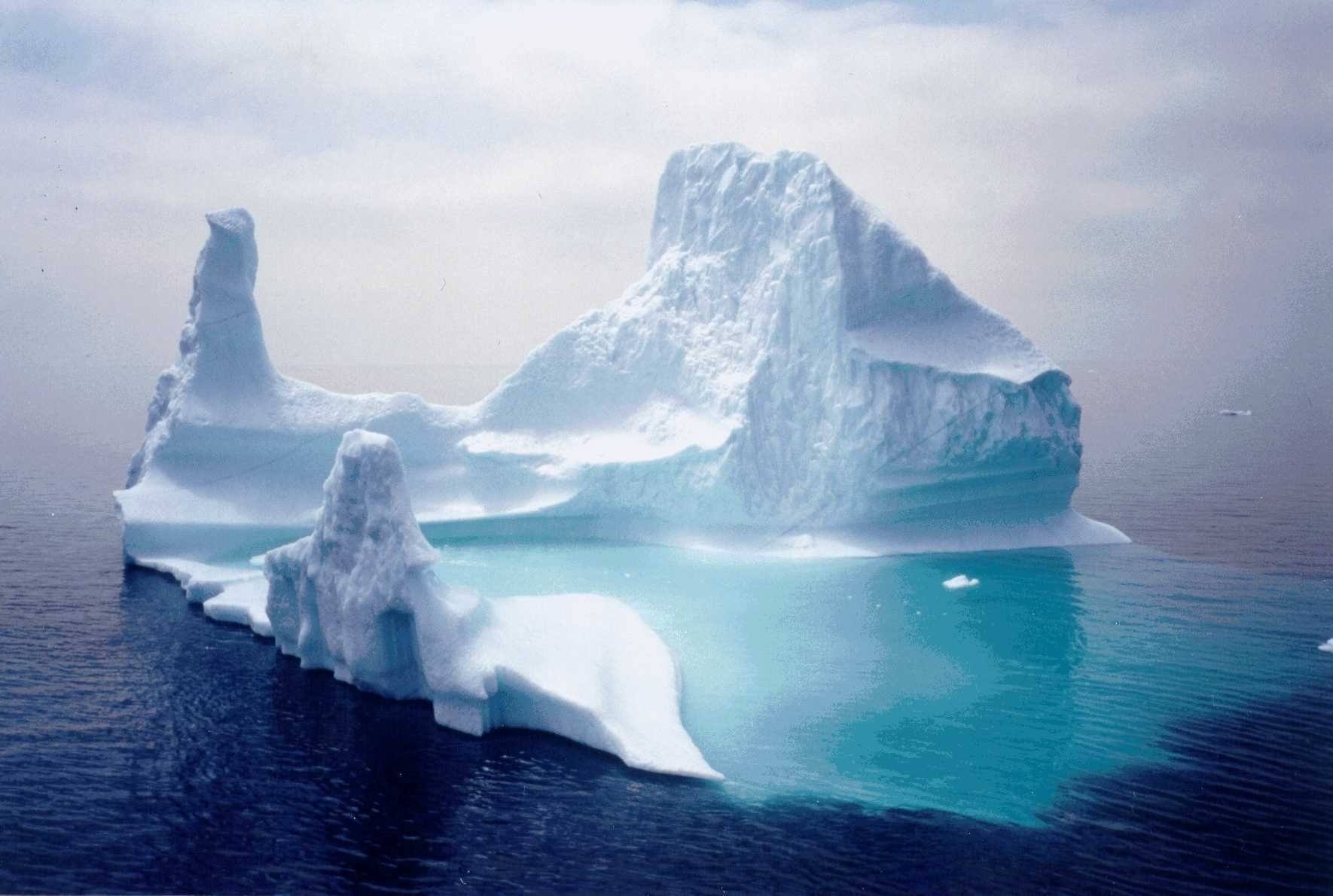
A phase change from liquid to gas is called ...
condensation
evaporation
sublimation
deposition

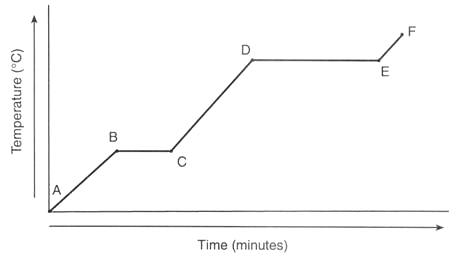
Is the substance gaining or losing energy?
Gaining
Losing
Are the particles moving faster or slower as time goes on?
Faster
Slower
What state/phase is the object likely from points A to B?
Solid
Liquid
Gas
Plasma
What is happening to the particles in the substance between points A and B?
Melting
Freezing
Speeding Up
Slowing Down
What is happening to the particles in the substance between points D and E?
Melting
Freezing
Vaporizing
Sublimating

Is the substance gaining or losing energy?
Gaining
Losing

Where on the graph are phase changes taking place?
1
2
3
4
5

Identify the arrows that show removal of thermal energy when matter changes state.
Arrows to the left
Arrows to the right
Some fuel cells are powered by hydrogen. Scientists are looking into the decomposition of water (H2O) to make hydrogen fuel with the help of the Sun’s energy.
What challenge do scientists face with this task?
Decomposing water requires a high activation energy.
The Sun isn't a renewable resource.
Decomposing water results in toxic byproducts.
Scientists are uncertain what to do with the excess oxygen.
Which chemical reaction shows photosynthesis?
water + carbon dioxide + sunlight → oxygen + glucose
carbon + oxygen → carbon dioxide
hydrogen + oxygen → water
nitrogen + hydrogen → ammonia
Which of these reactions is a combustion reaction?
burning wood
decomposition of water
production of food by plants with the help of the Sun's energy
rotting of fruits and vegetables
Which sentences describe disadvantages of burning fossil fuels instead of using hydrogen fuel cells?
Burning fossil fuels pollutes the environment.
Burning fossil fuels takes place inside expensive fuel cells.
Fossil fuels aren’t widely available, but pure hydrogen is.
Fossil fuels are nonrenewable.
In a given chemical reaction, the energy of the products is less than the energy of the reactants. Which statement is true for this chemical reaction?
Energy is absorbed in the reaction.
Energy is released in the reaction.
There is no transfer of energy in the reaction.
Energy is lost in the reaction.
A hydrogen fuel cell is more efficient than a combustion reaction because very little of the released energy is released as ______?
heat
electrical energy
chemical energy
When used at home, a fuel cell eliminates the need for _________ because the cell is portable.
oxygen
hydrogen
an electrical grid
In a chemical reaction, activation energy increases __________ of the reactants.
the amount of chemical energy
number of particles
the temperature
Increasing activation energy causes the particles to collide, which results in the _____________ of new products.
breaking up
formation reaction
Which chemical reactions are based on whether they absorb energy.
respiration in cells
photsynthesis
burning a candle
baking bread
activating a cold pack
Which chemical reactions are based on whether they release energy.
respiration in cells
producing electric current
burning a candle
baking bread
activating a cold pack

Arrange the characteristics of the reaction in order from start to finish.
1. lower energy of reactants
2. transition state
3. higher energy of products
1. lower energy of reactants
2. higher energy of products
3. transition state
1. higher energy of reactants
2. lower energy of products
3. transition state
1. higher energy of products
2. transition state
3. lower energy of reactants

Identify the parts of the energy diagrams.
Part A.
energy released
energy absorbed
reactants
products
Identify the parts of the energy diagrams.
Part B.
energy released
energy absorbed
reactants
products
Identify the parts of the energy diagrams.
PartC.
energy released
energy absorbed
reactants
products

Identify the parts of the energy diagrams.
PartC.
energy released
energy absorbed
reactants
products
Identify the parts of the energy diagrams.
Part B..
energy released
energy absorbed
reactants
products
Scientists are looking into the decomposition of water (H2O --> H2 + H2O) to make hydrogen fuel with the help of the Sun’s energy. What challenge do scientists face with this task?
Decomposing water requires a high activation energy.
The Sun isn't a renewable resource.
Decomposing water results in toxic byproducts.
Endothermic reactions ______.
release more energy than they absorb
absorb more energy than they release
release and absorb exactly the same amount of energy
can either release more energy than they absorb or absorb more energy than
they release, depending on the reaction
Energy is _________ when bonds form.
released
absorbed
destroyed
created
Energy is _________ when bonds break.
absorbed
created
destoryed
released
Energy is needed to break bonds in chemical reactions.
True
False
A chemical reaction in which more energy is absorbed than is released is endothermic
True
False

Temperature usually _____ in EXOthermic reactions.
Stays the same
Increases
Decreases

Photosynthesis is an _____ reaction.
EXOthermic
ENDOthermic
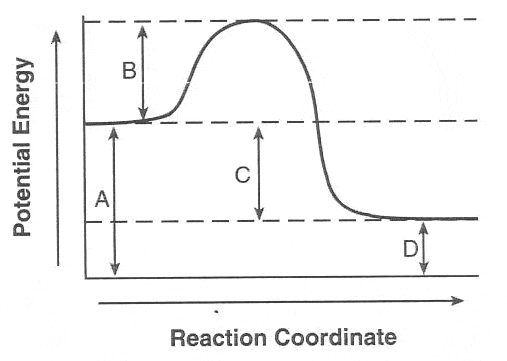

Which letter corresponds to the activation energy?
A
B
C
D
The chemical formula for sulfuric acid is H2SO4.
In 2H2SO4, the number of hydrogen atoms is_____?
1
2
4
8
The chemical formula for sulfuric acid is H2SO4.
In 2H2SO4, the number of sulfur atoms is ___?
1
2
4
8
The chemical formula for sulfuric acid is H2SO4.
In 2H2SO4, the number of oxygen atoms is _____?
1
2
4
8
When sodium reacts with chlorine, sodium chloride is produced.
Andrew represented this reaction with this equation:
Na + Cl2 → 2NaCl
The equation is _____________.
balanced
not balanced
When sodium reacts with chlorine, sodium chloride is produced. Andrew represented this reaction with this equation:
__Na + __Cl2 →__NaCl
Which set balances the equation?
1,1,1
1,2,1
1,1,2
2,1,2
When butane burns in oxygen, it produces carbon dioxide and water. This reaction is represented in this equation:
2C4H10 + 13O2 → 8CO2 + 10H2O
How many atoms of carbon (C) on each side of the equation?
2
4
6
8
When butane burns in oxygen, it produces carbon dioxide and water. This reaction is represented in this equation:
2C4H10 + 13O2 → 8CO2 + 10H2O
How many atoms of oxygen (O) on each side of the equation?
2
13
15
26
When butane burns in oxygen, it produces carbon dioxide and water. This reaction is represented in this equation:
2C4H10 + 13O2 → 8CO2 + 10H2O
How many atoms of hydrogen (H) on each side of the equation?
10
12
20
26
Iron reacts with oxygen to produce iron oxide (rust). This reaction is represented in an equation as 4Fe + xO2 → 2Fe2O3.
Identify the value of x that will balance the equation.
1
2
3
4
The chemical formula for artificial sweetener is C7H5NO3S.
Match the elements with the numbers found in one molecule of artificial sweetener.
carbon
1
3
5
7
No Answer
The chemical formula for artificial sweetener is C7H5NO3S.
Match the elements with the numbers found in one molecule of artificial sweetener.
hydrogen
1
3
5
7
No Answer
The chemical formula for artificial sweetener is C7H5NO3S.
Match the elements with the numbers found in one molecule of artificial sweetener.
sulfur
1
3
5
7
No Answer
The chemical formula for artificial sweetener is C7H5NO3S.
Match the elements with the numbers found in one molecule of artificial sweetener.
Oxygen
1
3
5
7
No Answer
Which chemical equations are being balanced ?
CaO + 3C → CaC2 + CO
Na + H2O → 2NaOH + H2
4Fe + O2 → 2Fe2O3
2Mg + O2 → 2MgO
Calcium carbonate is a compound that is used to make chalk for drawing on rocks or pavement. One molecule has one atom of calcium (Ca), one atom of carbon (C), and three atoms of oxygen (O). Which is the correct way to write the chemical formula for calcium carbonate?
3CaCO
Ca3CO
CaCO3
Ca3C3O3

The picture represents sulfur trioxide.
Which statement is true for one molecule of sulfur trioxide?
There are three atoms of sulfur and one atom of oxygen.
There are three atoms of sulfur and three atoms of oxygen.
There is one atom of sulfur and one atom of oxygen.
There is one atom of sulfur and three atoms of oxygen.
If blue represents one atom of nitrogen, and red represents one atom of oxygen, which picture represents 2NO2?


Sodium bicarbonate is the chemical name for baking soda. Its chemical formula is NaHCO3. What does the subscript 3 mean?
There are three molecules of sodium bicarbonate.
There are three molecules of oxygen in sodium bicarbonate.
There are three atoms of oxygen in sodium bicarbonate.
There are three atoms of sodium bicarbonate.
Samuel adds a teaspoon of salt to a glass of water. He notices that the salt disappears. Samuel takes a sip to discover that the water tastes salty. What kind of change has occurred?
It’s a chemical reaction because a new substance has formed.
It’s a physical change because the water and the salt kept their original properties.
It’s an example of synthesis because two substances reacted to give one substance.
It’s a chemical reaction because the water now tastes salty but originally did not.
Carbon burns in the presence of oxygen to give carbon dioxide. Which chemical equation describes this reaction?
carbon + oxygen + carbon dioxide
carbon + oxygen → carbon dioxide
carbon dioxide → carbon + oxygen
carbon dioxide + carbon → oxygen
Iron oxide reacts with aluminum to give aluminum oxide and iron. What kind of chemical reaction is this?
combustion
decomposition
synthesis
replacement
What kind of chemical reaction does the chemical equation sodium + chlorine → sodium chloride represent?
combustion
decomposition
single replacement
synthesis
In certain fireworks, potassium nitrate breaks down into potassium oxide, nitrogen, and oxygen. This is an example of a (a) (combustion,
decomposition, replacement, synthesis) reaction.
Water breaks down into hydrogen and oxygen.
neutralization
combustion
synthesis
decomposition
Leaves make starch using chlorophyll and carbon dioxide.
neutralization
combustion
synthesis
decomposition
Food burns in oxygen gas and releases a lot of energy.
neutralization
combustion
synthesis
decomposition
Adding vinegar (acid) to baking soda (alkali) give sa product that is neither acidic nor alkaline.
neutralization
combustion
synthesis
decomposition
Not all tiles will be used. Match the reactants with the products.
copper + oxygen →
aluminum chloride + copper
zinc sulfate + copper
copper oxide
copper sulfate + oxygen
copper + water
Not all tiles will be used. Match the reactants with the products.
aluminum + copper chloride →
aluminum chloride + copper
zinc sulfate + copper
copper oxide
copper sulfate + oxygen
copper + water
Not all tiles will be used. Match the reactants with the products.
copper oxide + hydrogen →
aluminum chloride + copper
zinc sulfate + copper
copper oxide
copper sulfate + oxygen
copper + water
Not all tiles will be used. Match the reactants with the products.
copper sulfate + zinc →
aluminum chloride + copper
zinc sulfate + copper
copper oxide
copper sulfate + oxygen
copper + water

Identify the following process: We light a matchstick.
Physical change
Chemical change
What type of changes the appearance change but the substance is the same.
Physical
Chemical

Identify the following process: The food and the air react.
Physical change
Chemical change

The initial substances before occurring the chemical reaction are called...
Reactants
Products

The new substances after occurring the chemical reaction are called...
Reactants
Products

What is the speed of this chemical reaction (rusting)
SLOW
FAST


The mass conservation law says
During a chemical reaction, atoms are destroyed. The number of atoms don't remains constant throughout the reaction.
During a chemical reaction, atoms are created. The number of atoms remains constant throughout the reaction.
During a chemical reaction, atoms are neither created nor destroyed. The number of atoms remains constant throughout the reaction.
In the chemical compound C2H2, how many pairs of electrons are shared between the two carbon atoms?
one pair of electrons
two pairs of electrons
three pairs of electrons
A hydrocarbon of pentane has two isomeric forms—n-pentane and iso-pentane. The molecular formula of the n-pentane is C5H12. Predict the molecular formula of the iso-pentane.
C5H10
C5H12
C5H9
Both coal and diamonds are forms of elemental carbon. Coal is brittle while diamonds are considered to be the hardest of all substances known. What is the appropriate justification for this?
Both coal and diamonds are allotropes of carbon, having different structures due to different arrangements of carbon atoms.
Both coal and diamonds are isomers of each other, having a similar molecular formula but different structures.
Coal is ionically bonded together while diamonds are covalently bonded together.
How many valence electrons does a carbon atom have?
two
four
six

The graphic shows two isomers of a chemical compound with molecular formula C5H11NO2. Which type of isomers are these?
structural isomers
geometric isomers
halotropic isomers
A hydrocarbon consists of four carbon atoms with one double bond. Predict the molecular formula of this compound.
C4H8
C4H10
C4H4
C4H6
Butene has two isomers—one with methyl groups on the same side of the double bond and the other with methyl groups on the opposite side. What kind of isomers are these?
structural isomers
geometric isomers
halotropic isomers
Predict the chemical formula of butyne, having one carbon-carbon triple bond.
C4H8
C4H10
C4H6
A molecule of alkene has the chemical formula C3H4. How many carbon-carbon double bonds are present in the molecule?
one
two
three
How does the carbon atom complete its octet?
It forms ionic bonds by sharing electrons.
It forms covalent bonds by donating electrons.
It forms covalent bonds by sharing electrons.

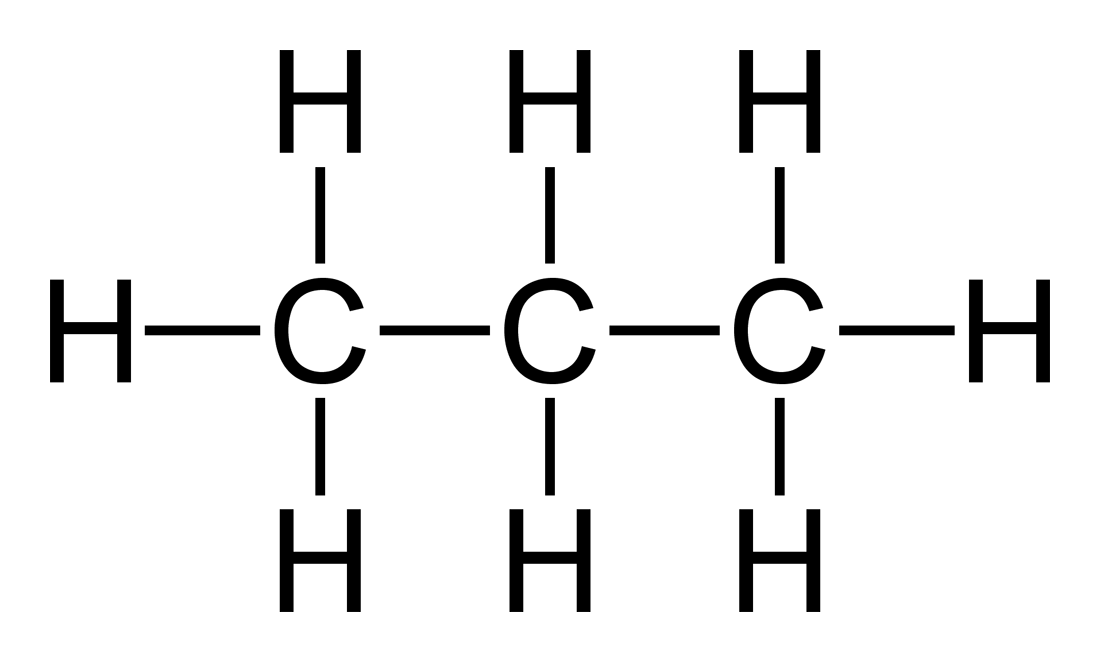
How many chemical bonds can each carbon atom form?
1
2
3
4
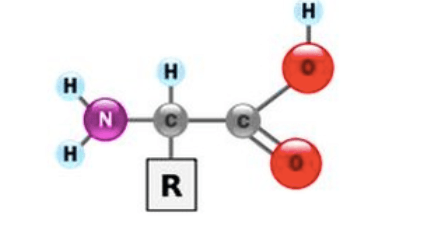
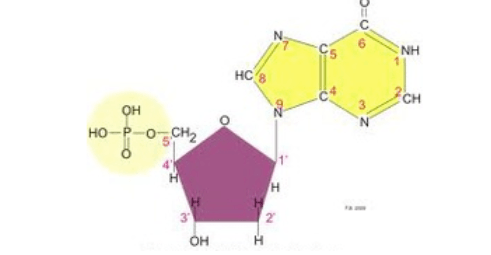
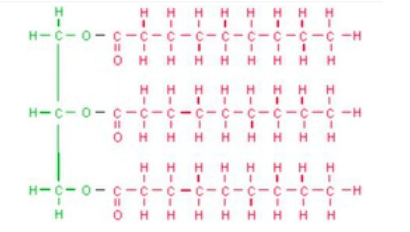
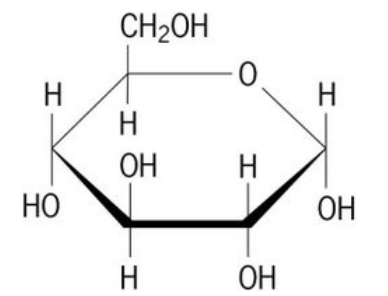
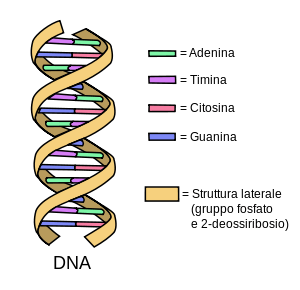
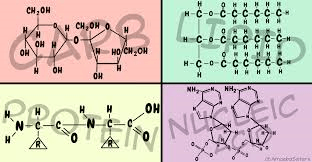
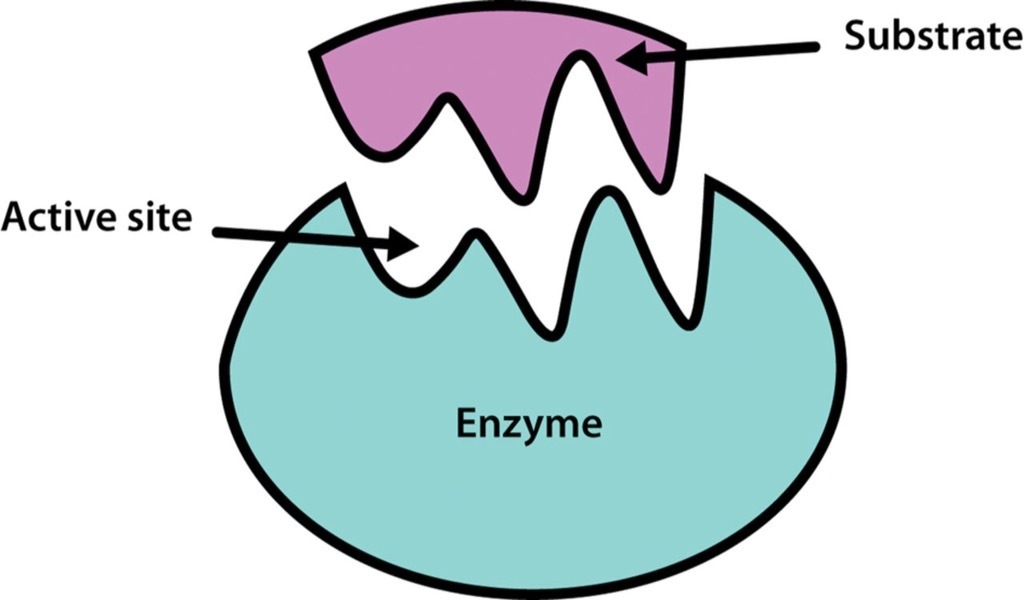
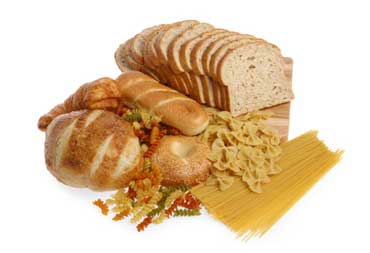
Which biomolecule helps form muscles?
Nucleic Acid
Carbohydrate
Protein
Lipids

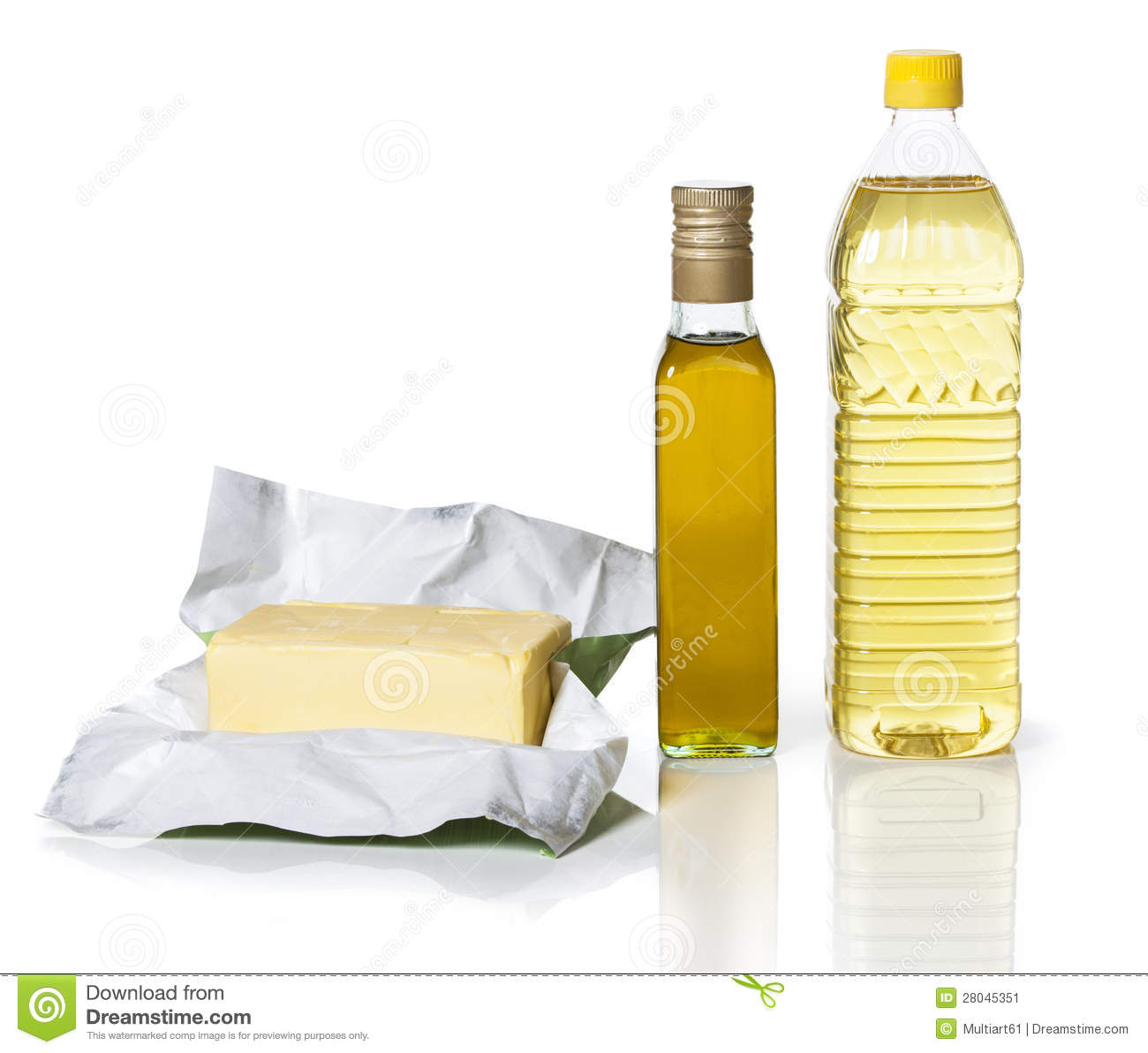
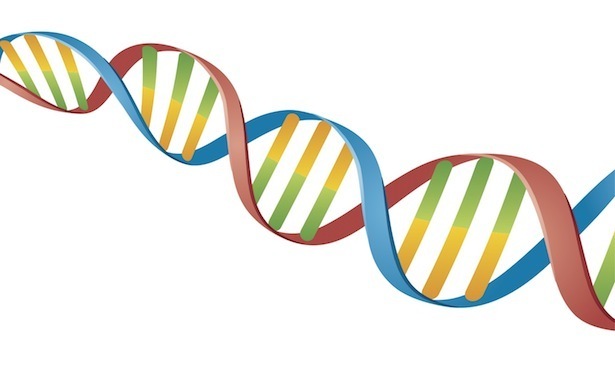
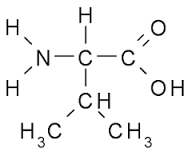
Protons and neutrons are found in the center of the atom called the:
nucleus
neutron
shell
cell
Substances that have only one kind of atom are called:
elements
nitrogen
electrons
nucleus
Electrons have a _____ charge.
neutral
negative
positive
both positive and negative
Select the products in the following chemical formula: CH4 +2O2 → CO2+ 2H2O
2H2O
2O2
CH4
CO2
Select the reactants in the following chemical formula: CH4 +2O2 → CO2+ 2H2O
2H2O
2O2
CH4
CO2
In 2NaCl, the 2 is called the _____________________.
Molecule
Subscript
Coefficient
Exponent
How many Hydrogen (H) molecules are in 2H2O ?
(a)
How many Oxygen (O) molecules are in 2H2O ?
(a)
In CH4, the 4 is called the _________________________.
Molecule
Subscript
Coefficient
Exponent
The process of making alloys involves (a) (cooling,
heating, mixing)
pure metals to remove impurities.
To create an alloy pure metals are (a) (broken down, cooled, mixed) with other components.

Drill bits are attached to power drills to make holes. Drill bits are made because they’re hard and resistant to corrosion.
alloys
ceramics
composites
plastics
The bodies and handles of power drills are made of ________________ because they’re good insulators.
alloys
composites
plastics
ceramics
The item is made from synthetic materials. Identify the property (or properties) associated with each material.
conducts heat


The item is made from synthetic materials. Identify the property (or properties) associated with each material.
brittle (shatters into many pieces)
The item is made from synthetic materials. Identify the property (or properties) associated with each material.
insulates from heat
Check each each material that is a composite.
plywood
plastic
concrete
nylon
paper
Check each each material that is a polymer.
plywood
plastic
concrete
nylon
paper
Match the synthetic materials with the processes used to make them.
synthetic polymer
heating clay and sand at high temperatures
using oil and gas as starting materials
mixing a metal element with other elements
Match the synthetic materials with the processes used to make them.
alloy
heating clay and sand at high temperatures
using oil and gas as starting materials
mixing a metal element with other elements
Match the synthetic materials with the processes used to make them.
ceramic
heating clay and sand at high temperatures
using oil and gas as starting materials
mixing a metal element with other elements
Which two statements about composite materials are true?
They’re made up of more than one substance.
They have the same or similar properties as the materials used to make them.
They’re always made of metal.
They’re readily available in nature.
Which characteristic is not a characteristic of plastic?
easy to mold
good conductor of heat
lightweight and durable
repels water
Which statement about polymers is true?
Polymers are substances that have relatively large molecules.
Oil and gas are the starting materials for making all polymers.
Fabrics such as cotton and silk are synthetic polymers.
All polymers are obtained from living organisms.
Which statement about cellulose is true?
It’s a synthetic polymer.
It’s a raw material used to make plastic.
It’s produced using oil and gas.
It’s used to make paper products.
Which item is made from a synthetic material?
cotton pants
leather jacket
frying pan
wicker basket

