Wayground logo

Free Printable Worksheets

Font size

S
M
L
XL
Worksheets

Final Review: Sponges & Cnidarians

Total questions: 28

Worksheet time: 14mins

Name
Class
Date
1.
Cnidocytes are used for all of the following except
a)
expelling gametes
b)
attachment
c)
defense
d)
feeding
2.
What Class is the Portuguese Man Of War a member of? 
a)
Class Hydrozoa
b)
Class Anthozoa
c)
Class Scyphozoa
d)
Class Cubozoa
3.
What Class of sponges is the common bath sponge a member of?
a)
Class Demospongiae
b)
Class Hexactinellida
c)
Class Calcarea
4.
What type of symmetry do sponges (Porifera) have?
a)
asymmetrical
b)
radial
c)
bilateral 
d)
medial
5.
The elastic fibrous protein found in sponges is called .....
a)
mesohyl
b)
spicules
c)
spongin
d)
tissue
6.
What type of symmetry do cnidarians have
a)
asymmetrical
b)
bilateral
c)
radial
7.
Which of the following is a correct description of the Cnidarian digestive tract?
a)
A complete digestive tract consisting of two openings.
b)
A complete digestive tract consisting of one opening
c)
An incomplete digestive tract consisting of two openings.
d)
An incomplete digestive tract consisting of one opening.
8.
What are the organelles inside the stinging cells that inject paralyzing toxins into their prey?
a)
pinacocytes
b)
lysomatocyts
c)
choanocytes
d)
nematocysts
9.
Many cnidarians feature 2 body forms, the asexual ____________, and the sexual _____________.
a)
blastula, planula
b)
medusa, polyp
c)
planula, blastula
d)
polyp, medusa
10.
They outer layer of a sponge is made of flattened cells called ______
a)
porocytes
b)
pinacocytes
c)
choanocytes
d)
amoebocytes
11.
Which cells in sponges are responsible for nutrient transport and transporting a sperm to an egg?
a)
porocytes
b)
pinacocytes
c)
choanocytes
d)
amoebocytes
12.
Asexual reproduction of freshwater and some marine sponges involves the formation of capsules called
a)
larva
b)
cytes
c)
gemmules
d)
lococytes
13.
True jellies belong to the class _______.
a)
Staurozoa
b)
Anthozoa
c)
Cubozoa
d)
Scyphozoa
14.
Anemones and corals belong in ______.
a)
Staurozoa
b)
Anthozoa
c)
Cubozoa
d)
Scyphozoa
15.
Box jellies like the sea wasp belong to 
a)
Class Scyphozoa
b)
Class Anthozoa
c)
Class Cubozoa
d)
Class Hydrozoa
16.

When a Cnidarian catches prey, it uses stinging cells called...

a)

Colloblasts

b)

Stingers

c)

Cnidocytes

d)

Blastoscytes

17.

Phylum Ctenophora have _______________ made of ___________ for locomotion.

a)

tentacles ; colloblasts

b)

comb rows ; cilia

c)

tentacles ; cilia

d)

comb rows ; colloblasts

18.

The _____ enables cnidarians to respond to stimuli in their environment and send electrical impulses to the muscles.

a)

nerve net

b)

brain

c)

peripheral nerves

d)

nerve cord

19.

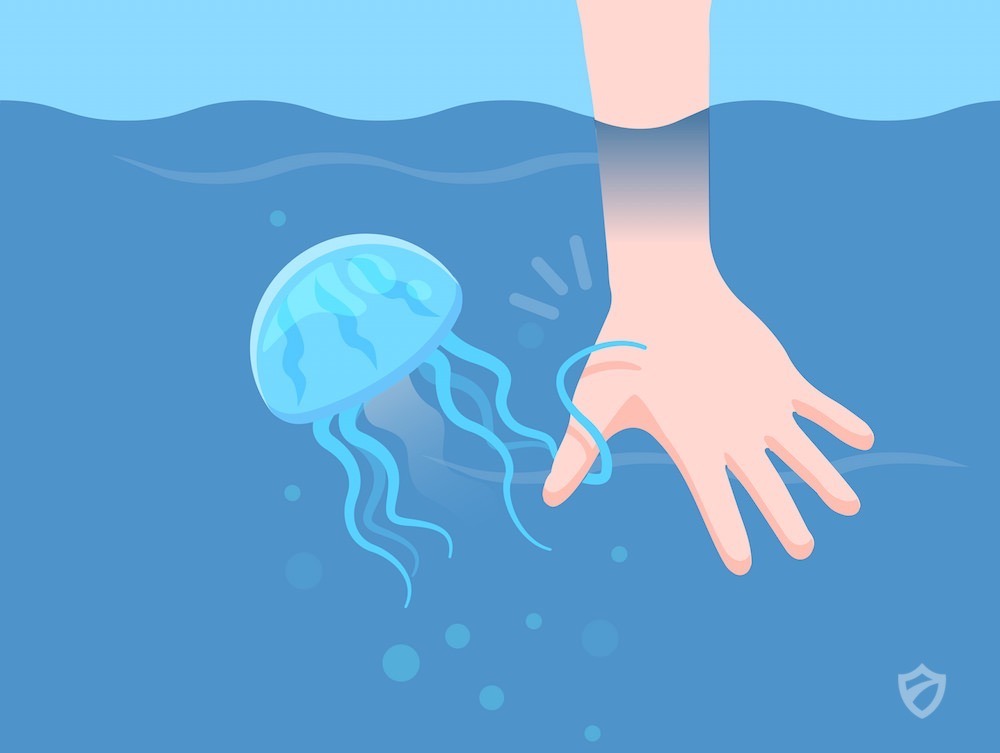
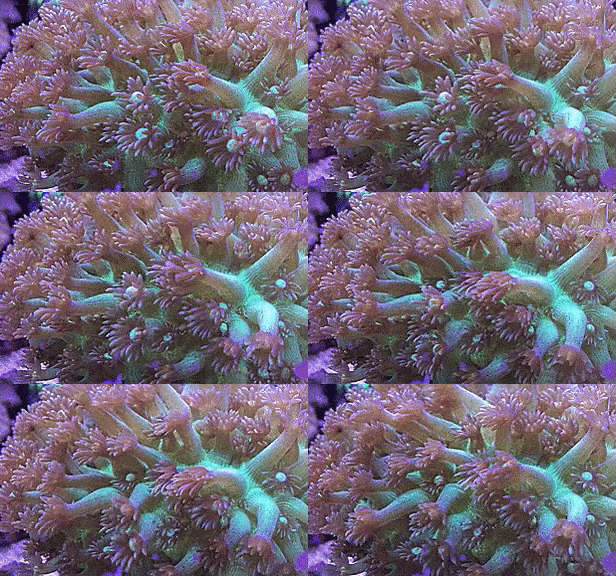
If you are stung by a jellyfish, what are the TWO treatments you can use to relieve the sting?

(a)  
20.

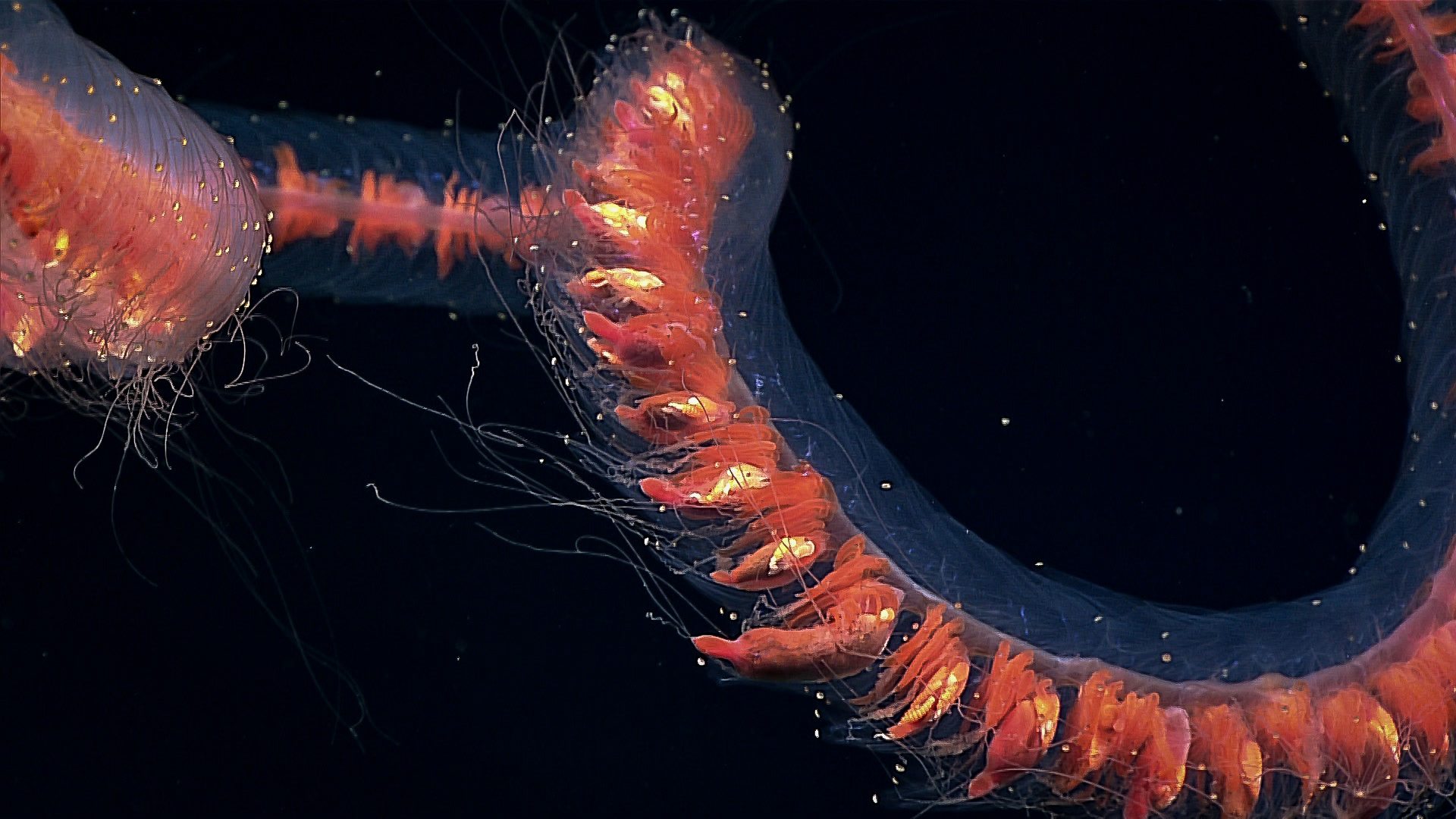
Which of these are typically colonial?

a)

stony corals

b)

jellyfish

c)

soft corals

d)

anemones

e)

siphonophores

21.

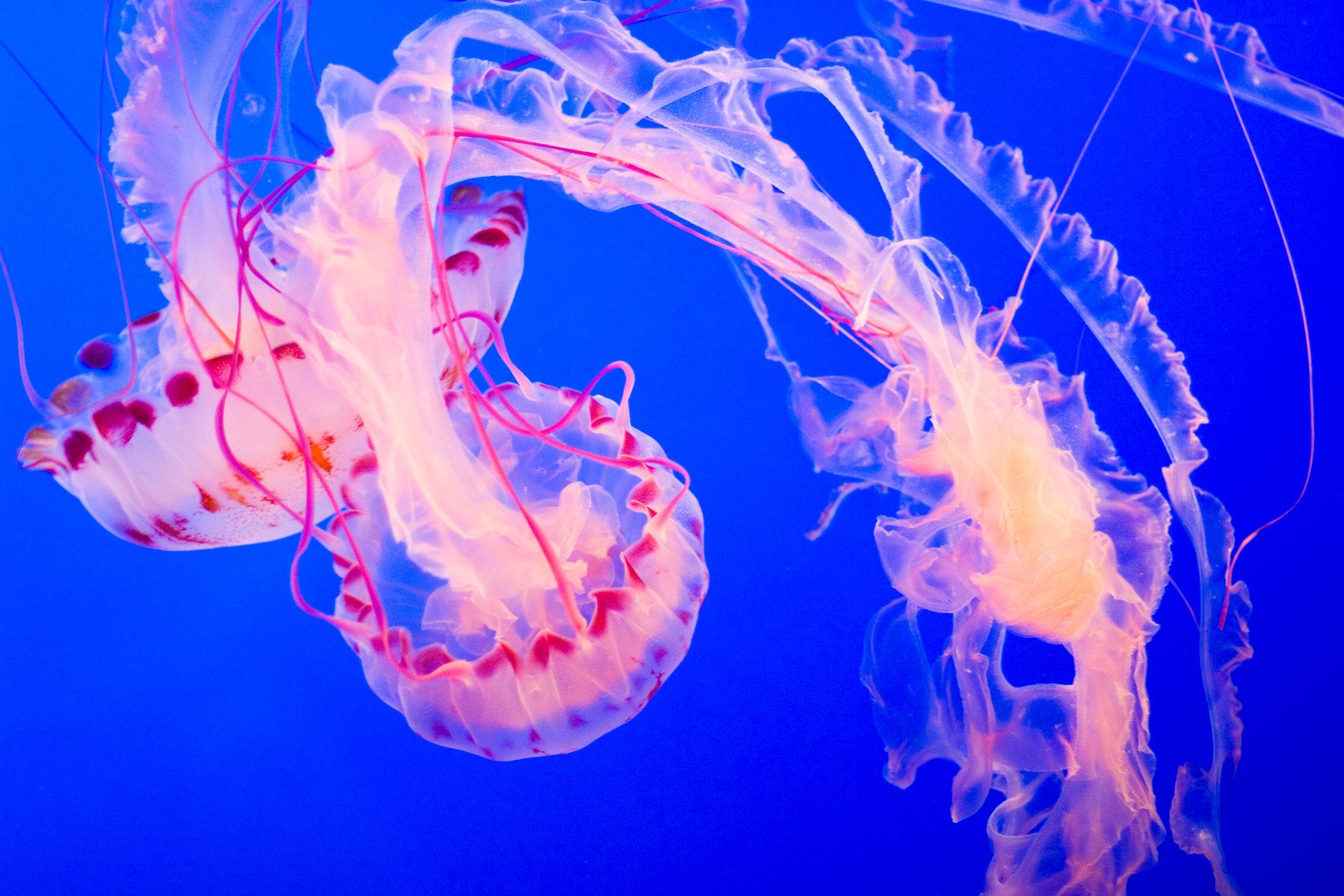
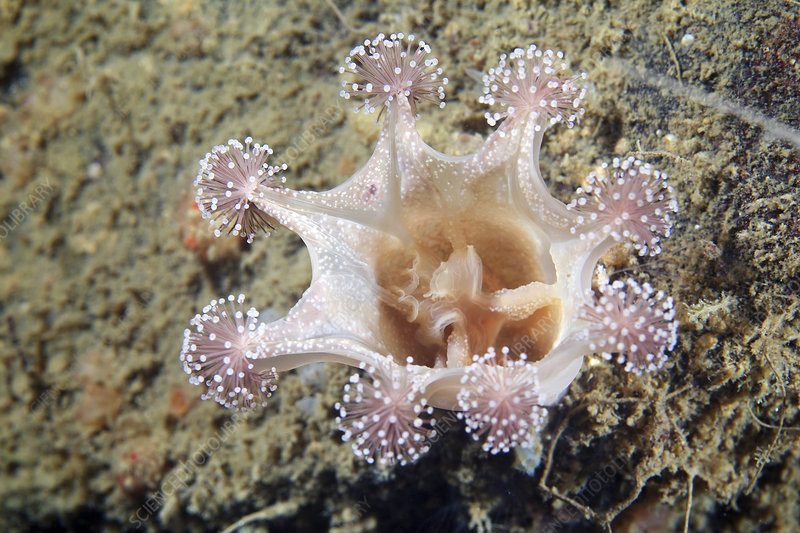
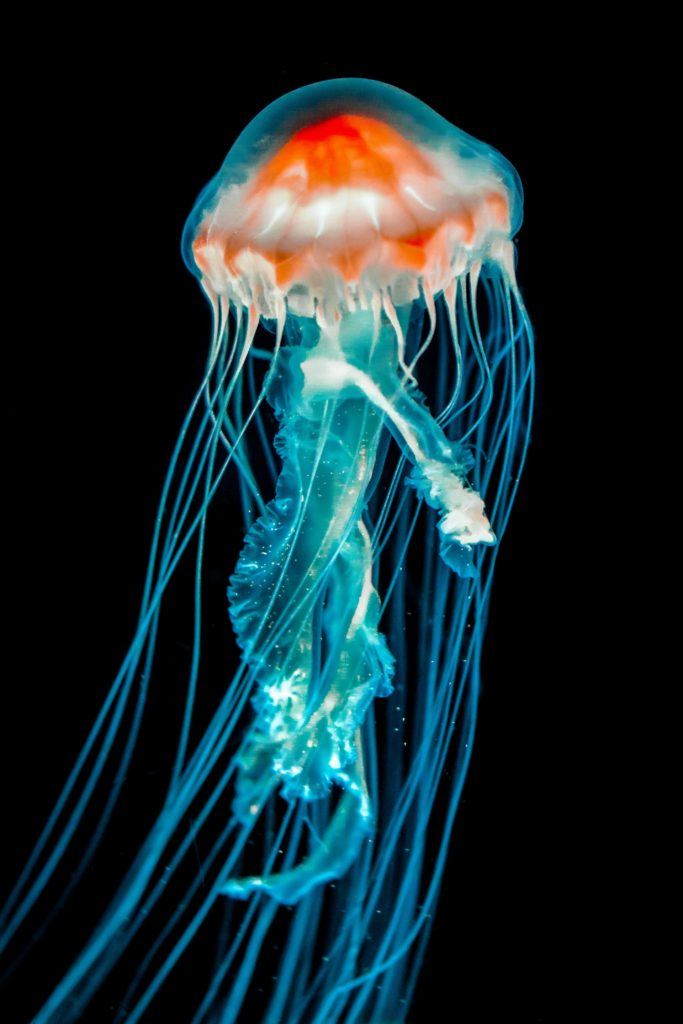
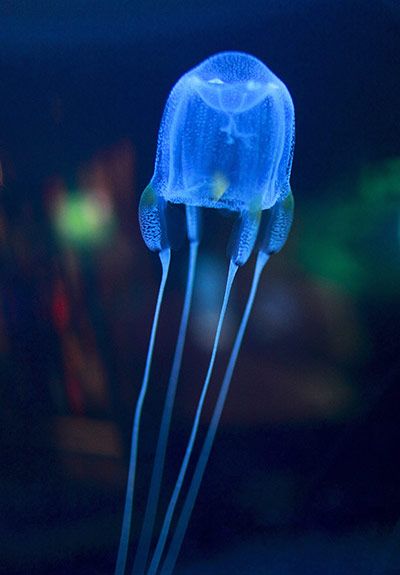
Which of these is part of class Scyphozoa?
a)
b)
c)
d)
22.

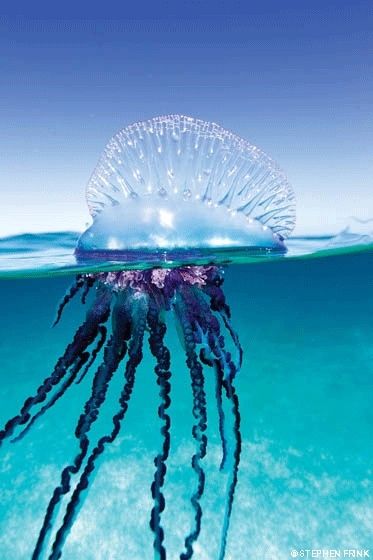
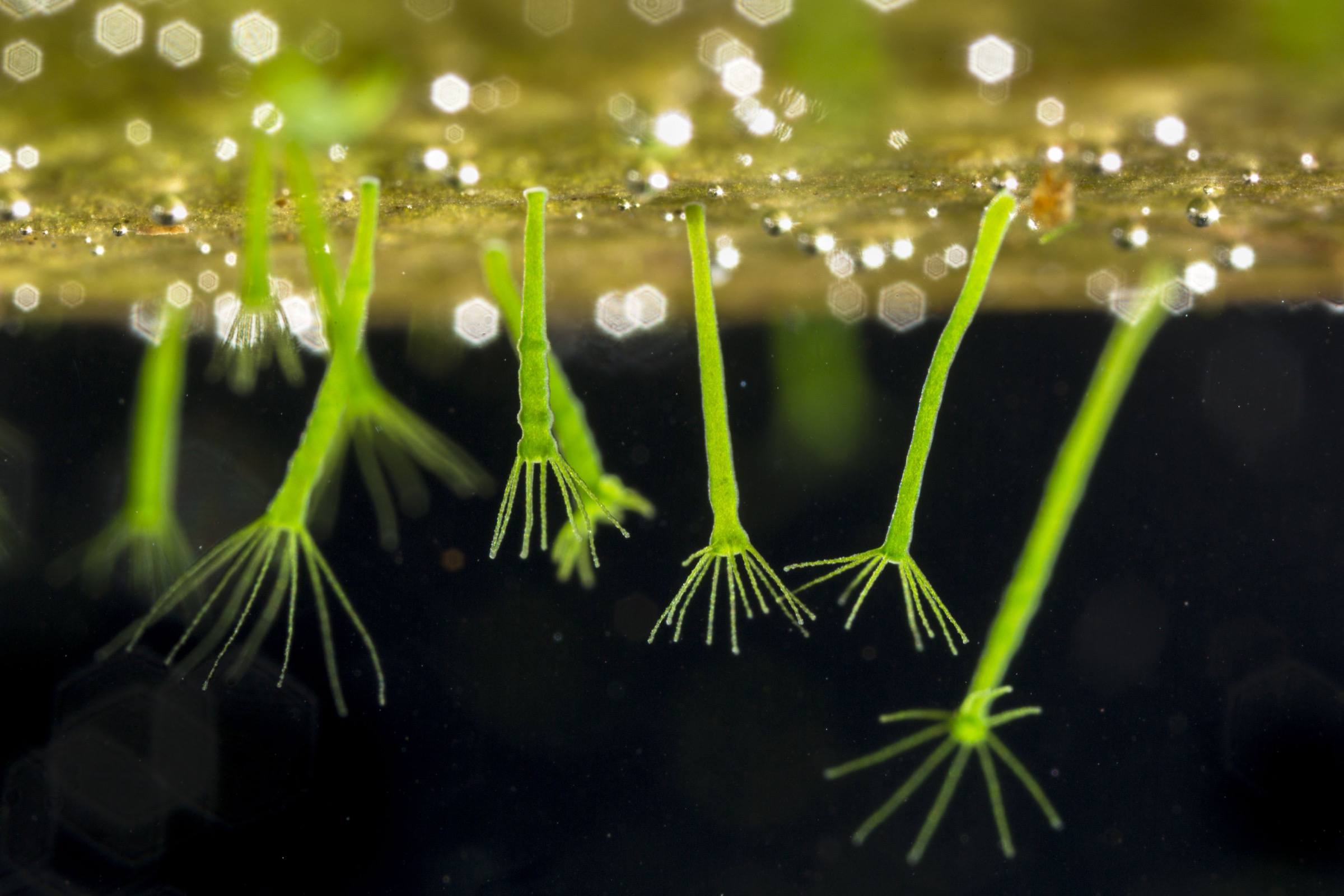
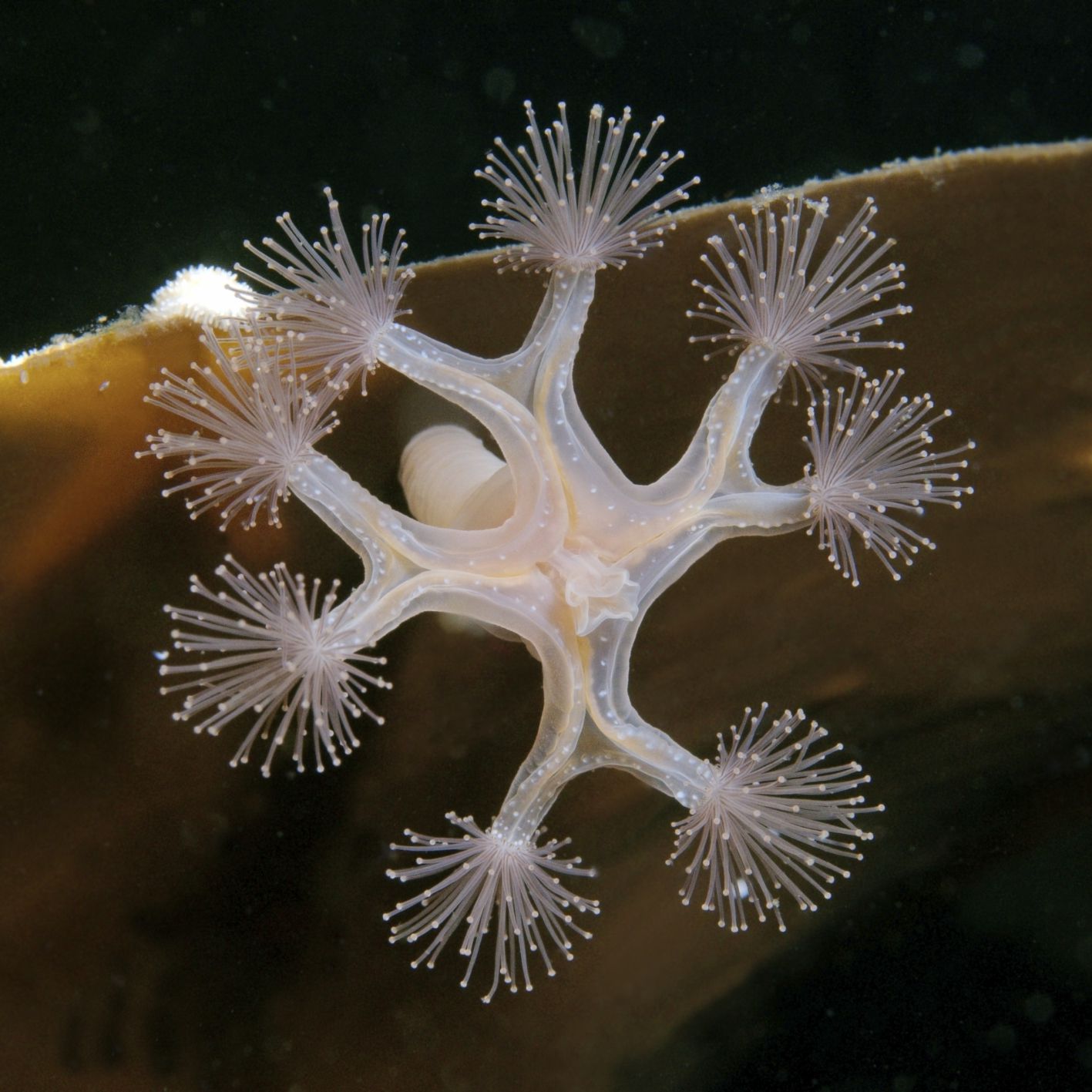
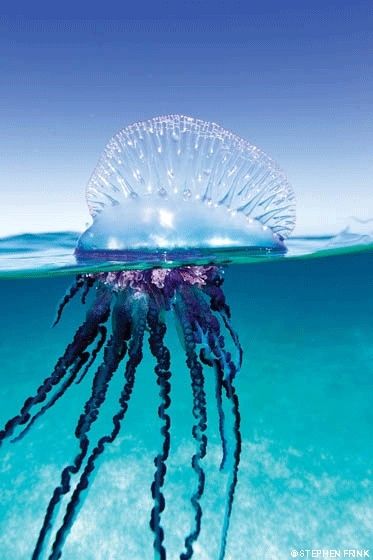
Select all of the members of class Hydrozoa:
a)
b)
c)
d)
23.

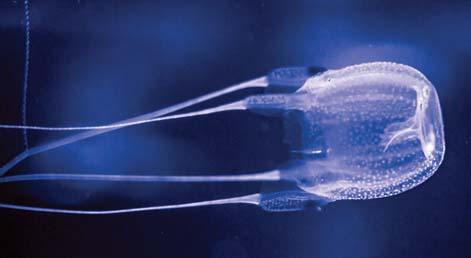
Which one is the box jellyfish (class Cubozoa)?
a)
b)
c)
d)
24.

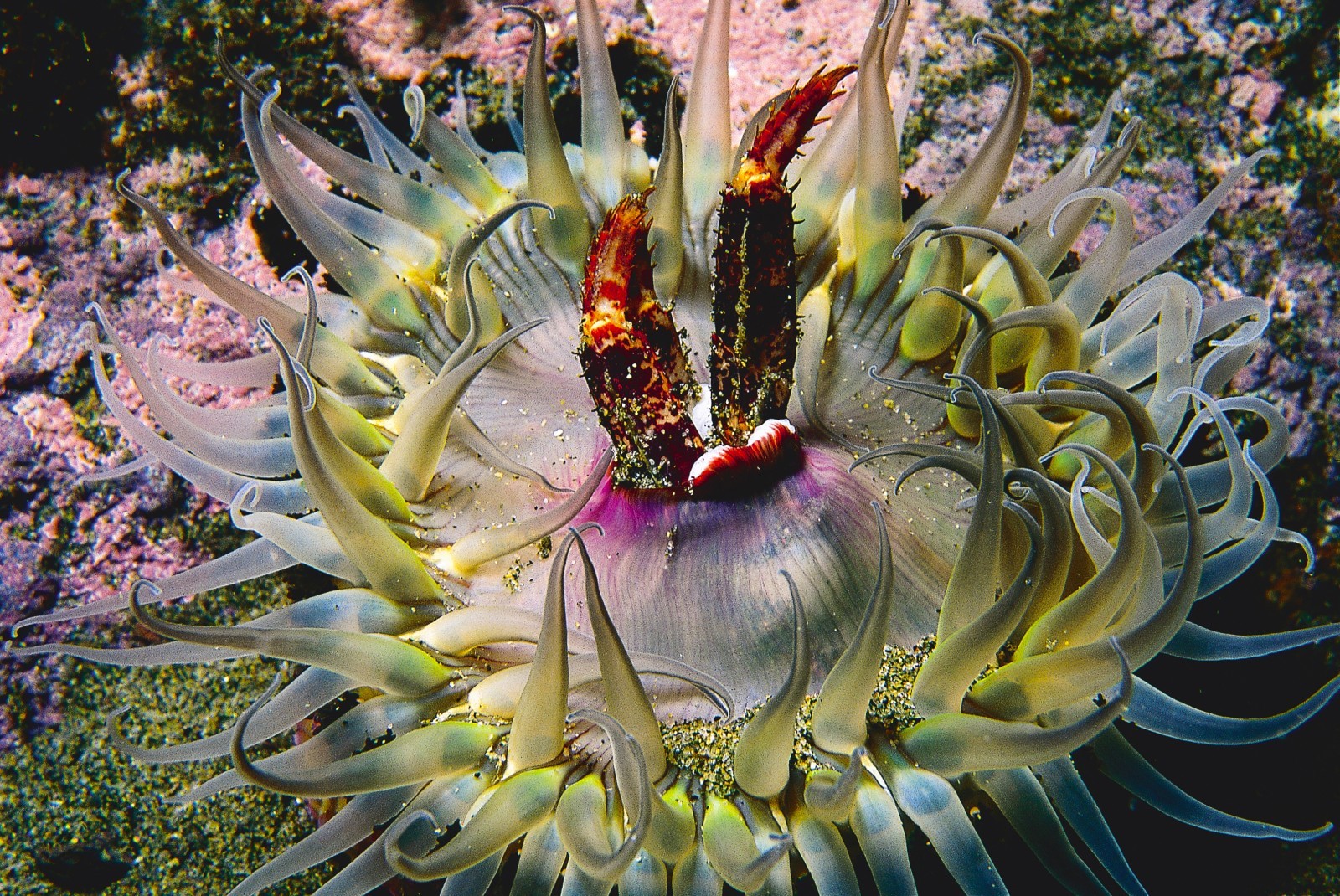
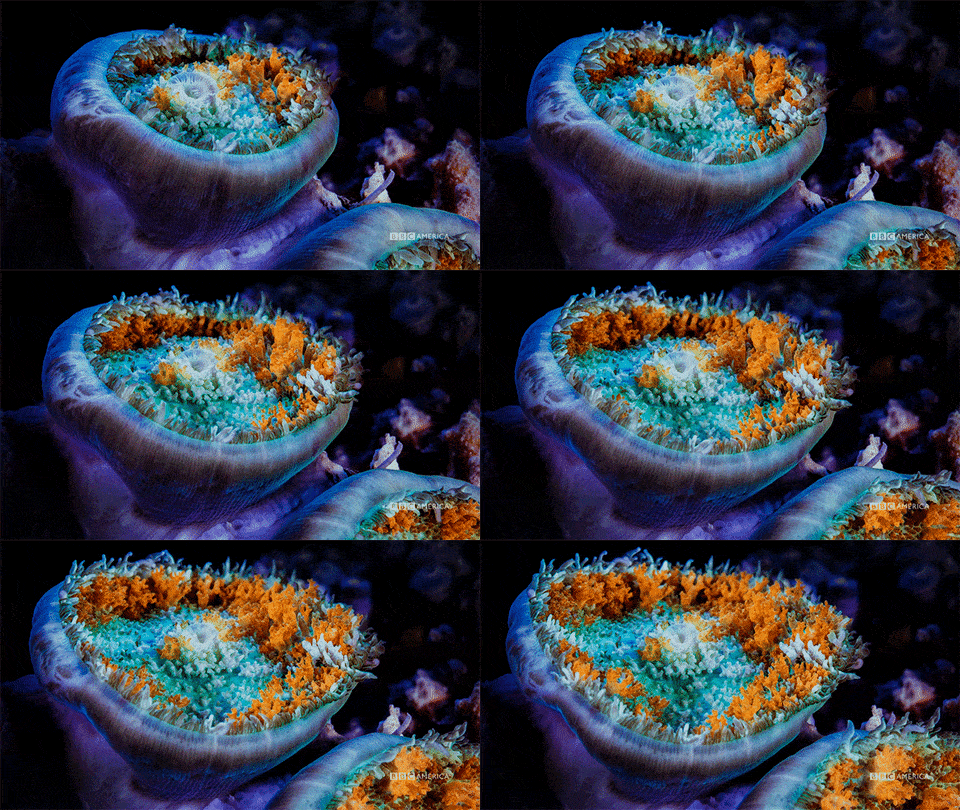
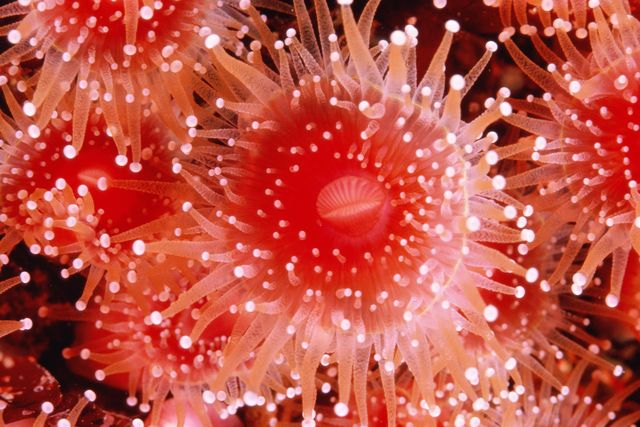
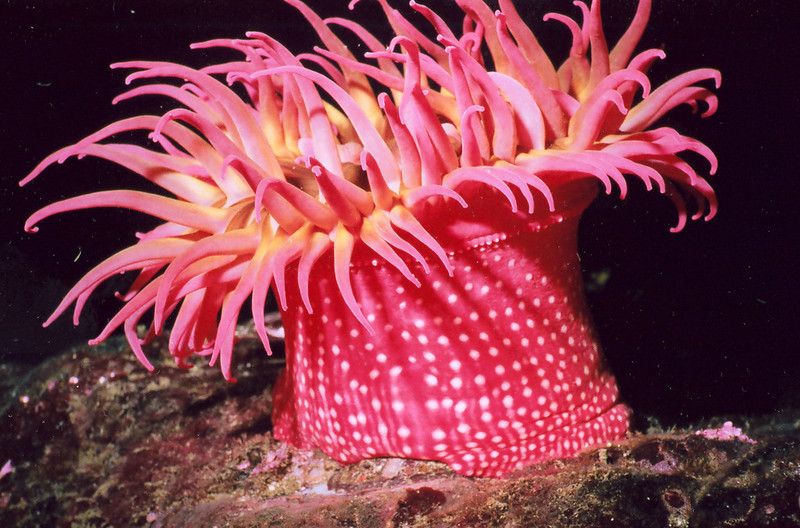
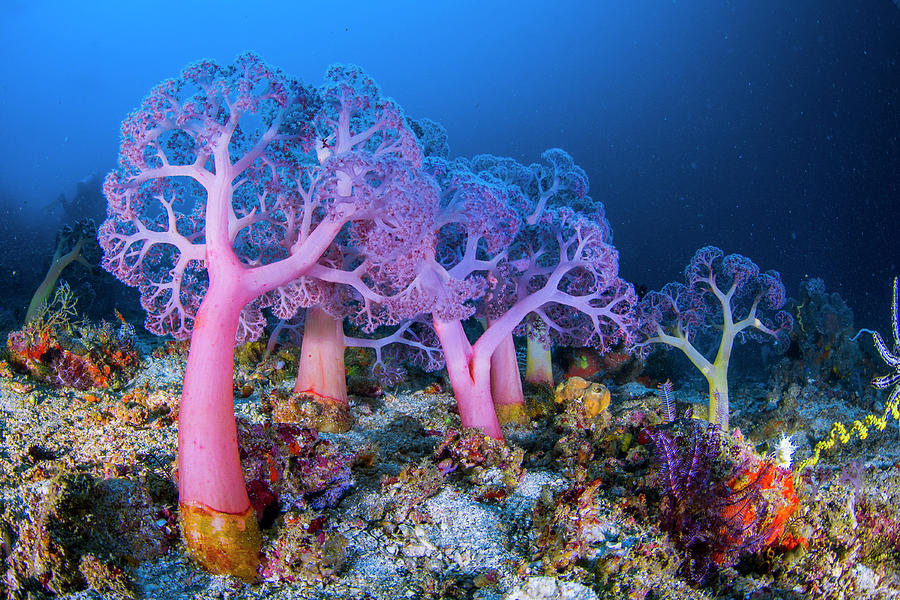
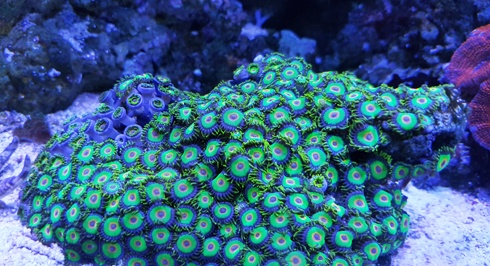
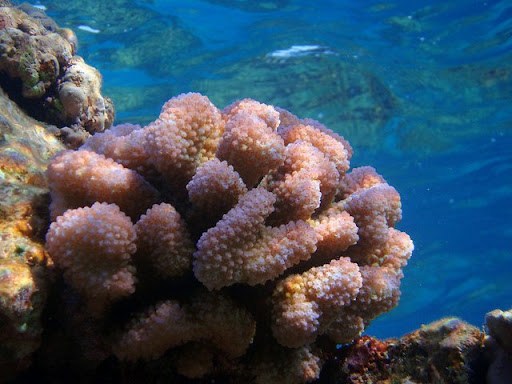
Which of these are members of class Anthozoa?
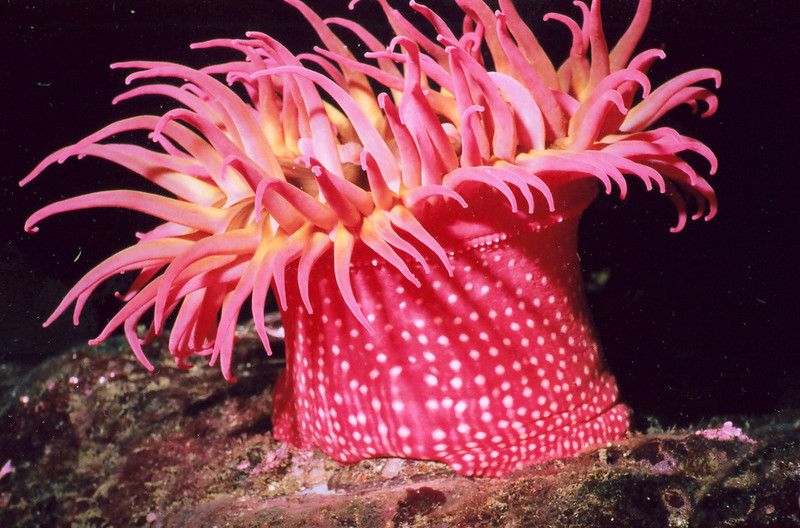
a)
b)
c)
d)
25.
What skeleton type?
a)
Asconoid
b)
Leuconoid
c)
Syconoid
26.

Structure G is a

a)

choanocyte

b)

amoeboid cell

c)

spicule

d)

pinacocyte

27.

Structure I is the

a)

choanocyte

b)

spongocoel

c)

mesohyl

d)

pore

28.

Calcareous sponges have spicules made of

a)

silica

b)

calcium carbonate

c)

collagen

d)

liquid goo