
 Worksheets
Final Review
Total questions: 40
Worksheet time: 33mins
What two macromolecules make up the cell membrane
Proteins & Carbs
Nucleic acids & Lipids
Lipids & Carbs
Lipids & Proteins


If the mass number of this chlorine atom is 36, how many neutrons does it have?
17
18
19
can't be determined

Which of the following is an example of COHESION?
water sticking to water
water sticking to glass
oil sticking to plastic
Hydrogen sticking to Hydrogen
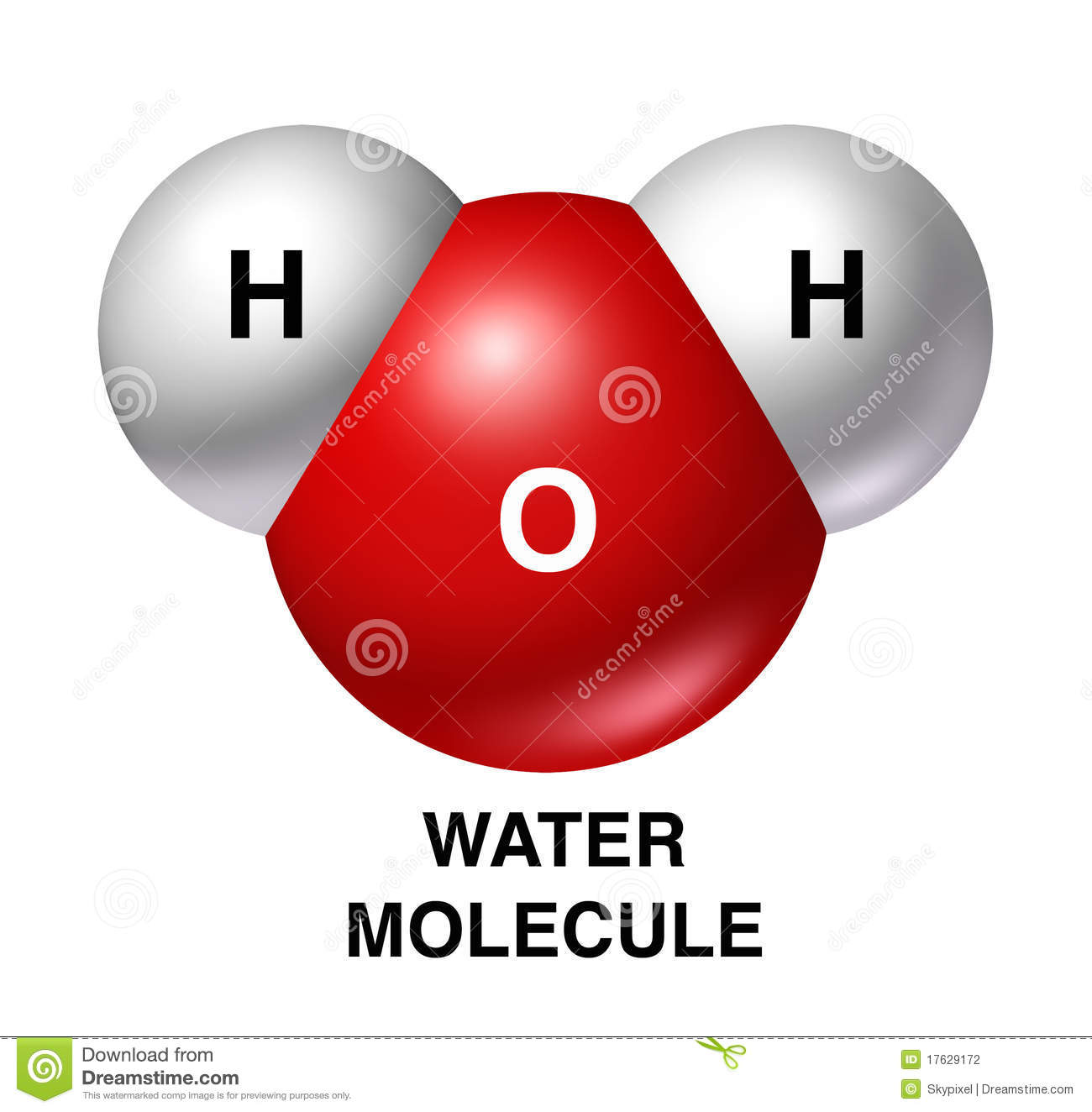
Which part of a water molecule has a Negative Charge?
The Hydrogen
The Oxygen
The Left
The Right

What are the bonds called between water molecules? A slightly positive Hydrogen bonding with another molecules slightly negative oxygen.
Hydrogen Bonds
Glue
Bonds of Matrimony
Ionic bonds

What is a combination of all living and non-living things in an area?
Population
Cell
Ecosystem
Community

What is the smallest unit of matter?
atom
Cell
A Grolar bear
DNA

What is diffusion?
Movement of molecules from a high to a low concentration
Movement of molecules from a low to a high concentration
When molecules dance around
Movement of water

If you add a acid to water what happens to the pH?
It goes down
It goes Up
It stays the same
It turns in to milk

Which has more Hydroxide (OH-) Ions?
Soda pH-4
Kool-Aid pH-6
Baking soda pH-9
Bleach pH-11


This is an example of what kind of Fat?
Unsaturated
Saturated
Super Fat
Baby Fat

According to the Graph!!! What temperature does the Enzyme work best at?
30℃
20℃
10℃
25℃
Starch is used for storage in what living things?
Bears
Animals
Plants
Banks
What state of matter are Saturated fats found in?
Solid
Liquid
Gas
Mental

What are the 6 steps of the scientific method in order?
Observation, Hypothesis, Data/analysis, Question, Conclusion, Experiment.
Experiment, Hypothesis, Observation, Conclusion, Question, Data/Analysis
Question, Observation, Hypothesis, Data/Analysis, Experiment, Conclusion
Observation, Question, Hypothesis, Experiment, Data/Analysis, Conclusion
Which of these are observations?
(Pick all that apply)
Lord of the Rings is the best movie ever
There is a super hero named Iron Man
Amazon always has the best things
Netflix has tv shows and movies
What is an observation
Something we predict
An educated guess
Something we know as a fact using our 5 senses
Our opinion

What is a compound?
a molecule made of multiple of the same element
A molecule made up of 2 or more different elements
A compound sentence is when you use and/or to continue a sentence
A single atom

Which of the following would be considered quantitative data?
Color
Smell
6.84 cm
texture

Cell with no membrane bound organelles and no
nucleus
Eukaryote
Prokaryote
Plant
Animal

What organelles is used for storage? (water, nutrients, waste)
lysosome
vacuole
mitochondria
chloroplast

This organelle houses all your genetic information (DNA)
Golgi apparatus
Nucleus
Centrioles
Ribosomes
Which of these is only found in animal cells?
Lysosome
Vacoule
Cell membrane
Cell wall
What is an organelle only found in plant cells?
Mitochondria
Cell membrane
Golgi apparatus
Chloroplast
What is the difference between the rough and the smooth ER?
One has ribosomes attached to its surface, and the other does not
One likes smooth jazz
One contains all the DNA in the cell
One stores food the other stores water
Which organelle creates energy in the cell through cellular respiration?
Chloroplast
Nucleus
Golgi apparatus
Mitochondria
What is Active Transport? (Pick 2)
Movement of molecules against the concentration gradient
Movement of molecules from High to low concentration
Requires Energy
Does not require energy
Convert the following 23hm=?m
(a)
Convert 4.1cm=?km
(a)
A cell brings materials inside by surrounding the material and swallowing it hole. (This uses energy
Molecule Pump
Endocytosis
Passive Transport
Exocytosis
The movement of water from a high concentration to a low concentration through the cell membrane is called what?
Osmosis
Facilitated Diffusion
Simple Diffusion
Water Polo

Molecule C&D can both move through the membrane, What will Side A and side B look like after diffusion?
More molecule D on side B
More molecule C on side A
Equal amounts of molecule C on both sides and equal amounts Molecule D on sides
Only Molecule D on side B and Only molecule C on side A
What are the two jobs of the cell membrane? Pick 2
Maintain Homeostasis
Control what goes in and out of the cell
Create Energy
Create Proteins
What is passive transport
Movement of a molecule from a high to a low concentration
Requires Energy
Does NOT require energy
Movement of a molecule from a low to a high concentration

