wayground logo

Free Printable Worksheets

Font size

S
M
L
XL
Worksheets

Geo Mid Term Review

Total questions: 68

Worksheet time: 1hrs 8mins

Name
Class
Date
1.
What is movement?
a)
Tells us how people, goods, recourses, and ideas move from one place to another
b)
Tells us what makes an area special and what makes it different from every other area
c)
Tells us ways in which the places in an area are alike.
2.
What is location?
a)
Tells us where people and places are
b)
Tells us what makes an area special and what makes it different from every other area.
c)
Tells how people, goods, resources, and ideas move from one place to another.
3.
Cutting down trees to build houses is an example of which?
a)
Location
b)
Place
c)
Human-Environment Interaction
d)
Movement
4.
People leaving their homes in Syria and travelling to Turkey to avoid ISIS is an example of which?
a)
Human-Environment Interaction
b)
Movement
c)
Absolute Location
d)
Relative Location
5.
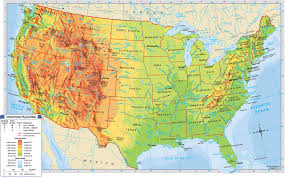
The states in the area known as the "Southwest" of the United States are often grouped together because they are very hot and dry desert-like areas.
a)
Region
b)
Location
c)
Human Environment Interaction
d)
Movement
6.
A map feature that shows the four cardinal directions
a)
legend
b)
scale
c)
compass rose
d)
degree
7.
Using lines of latitude and longitude to find an exact location is...
a)
Absolute Location
b)
Relative Location
c)
Prime Meridian
d)
Place
8.
Which of the following is not one of the seven continents?
a)
United States
b)
Europe
c)
Australia
d)
North America
9.
The following are examples of physical characteristics EXCEPT 
a)
The Empire State Building 
b)
Mountains 
c)
Rivers 
d)
Lakes
10.
The exchange of people, goods, or ideas from one place to another
a)
Place
b)
Human/Environment interacton
c)
Region
d)
Movement
11.
An area that contains similar physical and/or human features that separate it from other areas.
a)
Place
b)
Region
c)
Absolute location
d)
human/environment interaction
12.

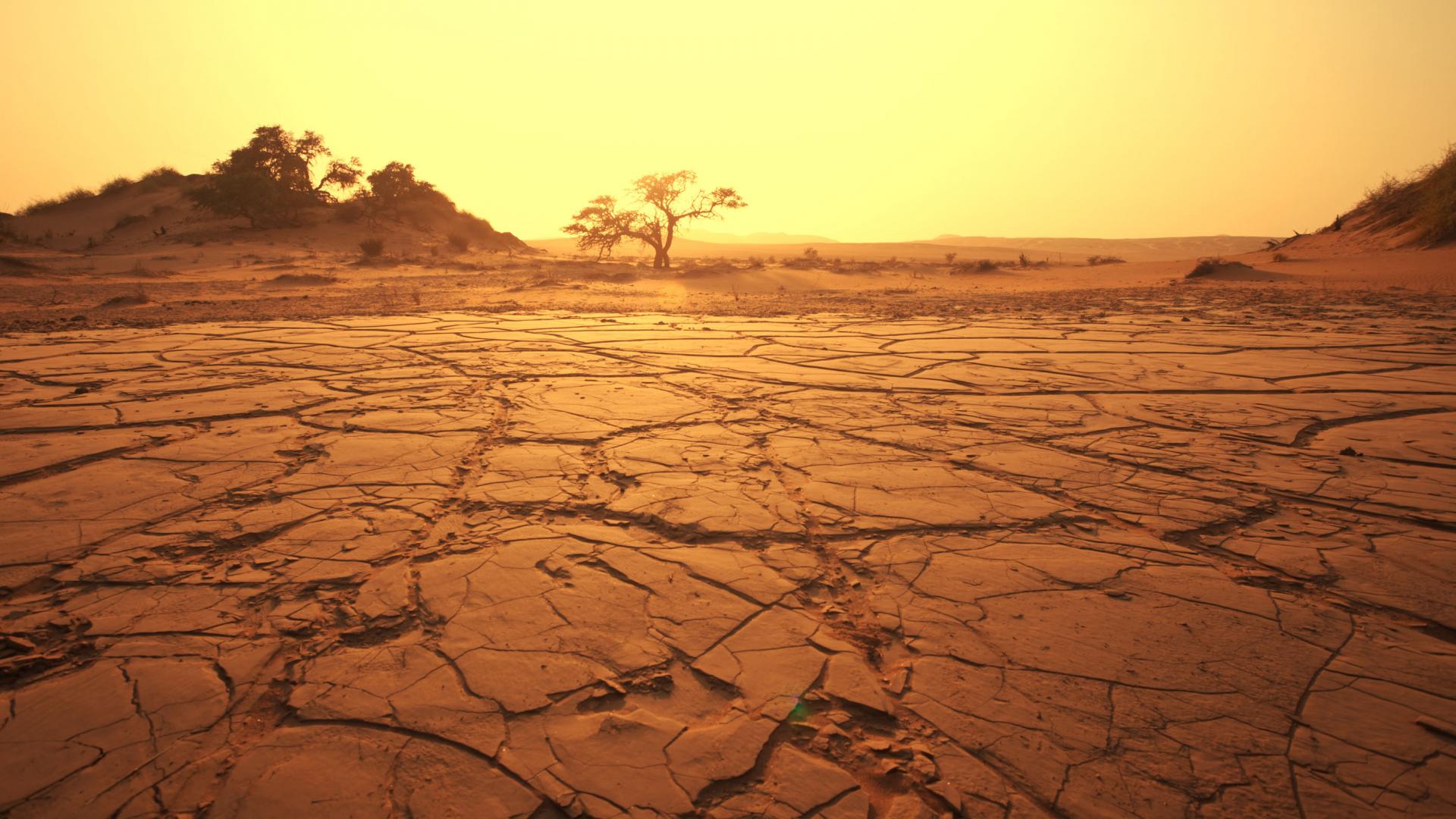
Biome with many different species of cacti and reptiles and very little rainfall.

a)

Desert

b)

Temperate Rainforest

c)

Tropical Rainforest

d)

Arctic Tundra

13.

Forest biome with many different trees, mosses and ferns; most trees lose and regrow their leaves each year.

a)

temperate rainforest

b)

biome

c)

desert

d)

grassland

14.
Type of forest biome near the equator; receives a lot of rain; temperatures are warm all year.
a)
desert
b)
tropical rain forest
c)
arctic
d)
temperate rain forest
15.
Which biome is the driest?
a)
Desert
b)
Tundra
c)
Taiga
d)
Rainforest
16.
Which biome is characterized by low temperatures and low amounts of rainfall?
a)
tundra
b)
desert
c)
temperate deciduous forest
d)
tropical rain forest
17.
One characteristic feature of tundra is that only the surface thaws in the summer and refreezes in the winter, leaving a layer of permanently frozen subsoil.  This characteristic is known as
a)
glaciation
b)
permafrost
c)
crystallization
d)
soilfrost
18.
This biome contains mostly spruce trees and Douglas firs, which are both evergreen.  The winters are long and cold and the summers are short and rainy.  The soil is very rich.  Moose and elk live here.  This biome is classified as a
a)
taiga
b)
tundra
c)
deciduous forest
d)
temperate forest
19.
What are the key features of the Tundra?
a)
cold winter, thin acidic soil, evergreen trees
b)
treeless, permafrost, cold dark winters
c)
ong cool summers, short dark winters, migrating animals
d)
many evergreen trees, short moist summers, long snowy winters
20.

What is climate?

a)

the condition of the atmosphere at any given time and place

b)

cloud cover and temperature

c)

precipitation and humidity at a given time and place

d)

weather conditions in an area over a long period of time

21.

Climate is affected by many factors including:

a)

latitude, elevation, and proximity to bodies of water

b)

tides and currents

c)

wind

d)

snow and sleet

22.

What is climate?

a)

the condition of the atmosphere at any given time and place

b)

cloud cover and temperature

c)

precipitation and humidity at a given time and place

d)

weather conditions in an area over a long period of time

23.

At which latitude would you expect to find the warmest air temperatures?

a)

23.5° S

b)

c)

66.5°N

d)

66.5°S

24.

Which two factors determine the climate in a particular region?

a)

temperature and latitude

b)

precipitation and humidity

c)

temperature and precipitation

d)

humidity and air pressure

25.

What climate zone is located near the equator where the sun is directly overhead all year?

a)

polar

b)

tropical

c)

desert

d)

temperate

26.

Two important features of a culture are

a)

economy and climate

b)

natural resources and climate

c)

language and religious beliefs

d)

weather and writing

27.

When geographers study human-environment interaction, they learn

a)

how the climate changes

b)

how war happens

c)

how people and their environment impact each other

d)

how schools decide snow days

28.

This polytheistic religion is primarily practiced in India and has close to a billion followers.

a)

Christianity

b)

Judaism

c)

Islam

d)

Hinduism

29.

This monotheistic religion was founded on the teachings of the Prophet Muhammad.

a)

Buddhism

b)

Islam

c)

Christianity

d)

Hinduism

30.

Which of the following has the largest amount of followers worldwide?

a)

Islam

b)

Judaism

c)

Christianity

d)

Buddhism

31.
Sam speaks Spanish in his house. Which element of culture does this fall up under?
a)
Beliefs
b)
culture
c)
language
d)
literature
32.
Which is not a part of a persons culture?
a)
Height
b)
Foods
c)
Holidays
d)
beliefs
33.
Elements of culture shared by a culture; ex: holidays, language, special foods, & religion
a)
culture trait
b)
culture region
c)
multicultural
d)
globalization
34.
belief in more than one God   
a)
monotheism
b)
polytheism
35.
What is a system of worship?
a)
Ethics
b)
Rituals
c)
Religion
d)
Holidays
36.
The set of beliefs, values, and practices that a group of people have in common.
a)
culture
b)
culture trait
c)
culture region
d)
culture diffusion
37.
An area in which people have many shared culture traits.
a)
culture trait
b)
culture region
c)
cultural diversity
d)
cultural diffusion
38.
Having a variety of cultures in the same area.
a)
ethnic group
b)
culture trait
c)
culture diversity
d)
culture region
39.
The spread of culture traits from one region to another.
a)
cultural diversity
b)
ethnic group
c)
culture
d)
cultural diffusion
40.

What 2 continents is Russia on?

a)

Africa

b)

South American

c)

Europe

d)

Asia

41.

How many noble truths are there?

a)

1

b)

2

c)

3

d)

4

42.

Which religion does this symbol belong to?

a)

Hinduism

b)

Buddhism

c)

Islam

d)

Judaism

43.

What religion does this symbol belong to?

a)

Hinduism

b)

Buddhism

c)

Islam

d)

Judaism

44.

What religion does this symbol belong to?

a)

Hinduism

b)

Buddhism

c)

Islam

d)

Judaism

45.

What religion does this symbol belong to?

a)

Hinduism

b)

Buddhism

c)

Islam

d)

Judaism

46.

What is reincarnation?

a)

The idea or belief that people are born again with a different body after death. It is not restricted to a human body

b)

a class structure that is determined by birth into which the Hindu people of India were traditionally divided

c)

the sum of a person’s good and bad actions in the current life and previous existences

d)

to fulfil your duty in the order of all things in your life.

47.

The young prince who started Buddhism was...

a)

Samantha

b)

Saddartha

c)

Sunday

d)

Vishnu

48.

How many parts are in the Buddhist path to enlightenment?

a)

1

b)

7

c)

9

d)

8

49.

A person who follows the religion of Islam is called a

a)

Iraqi

b)

Shepard

c)

Islam

d)

Muslim

50.

Muslims follow a set of rules called the

a)

Five Pillars

b)

The Eightfold Path

c)

The Torah

d)

Scripture

51.

A map showing landmarks such as landforms, deserts, mountains and plains.

a)

Political

b)

Physical

c)

Elevation

d)

Population

52.

A map showing governmental boundaries of countries, states, and counties, the location of major cities.

a)

Political

b)

Physical

c)

Population

d)

Elevation

53.

A map showing bodies of water, lakes, and islands is what type of map?

a)

Political

b)

Physical

54.

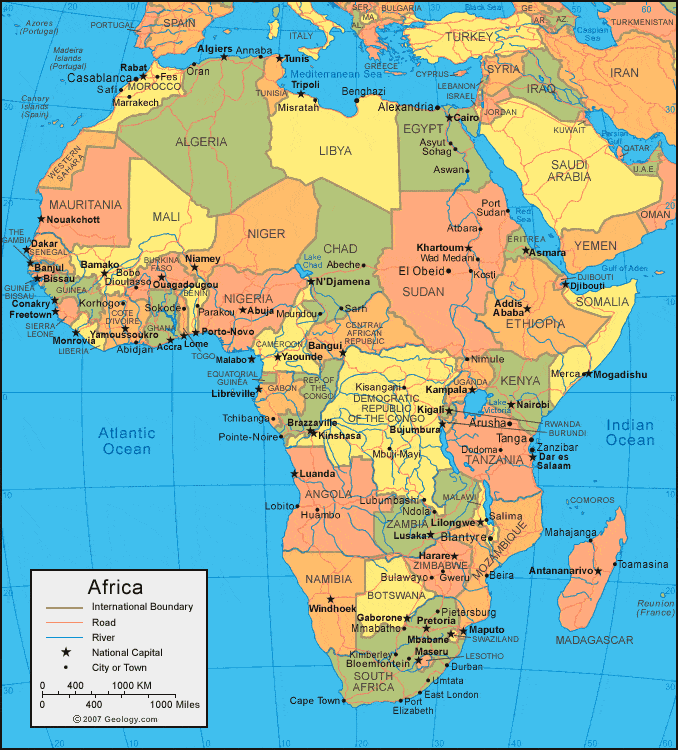
Identify this map

a)

Population map

b)

Elevation Map

c)

Physical Map

d)

Political Map

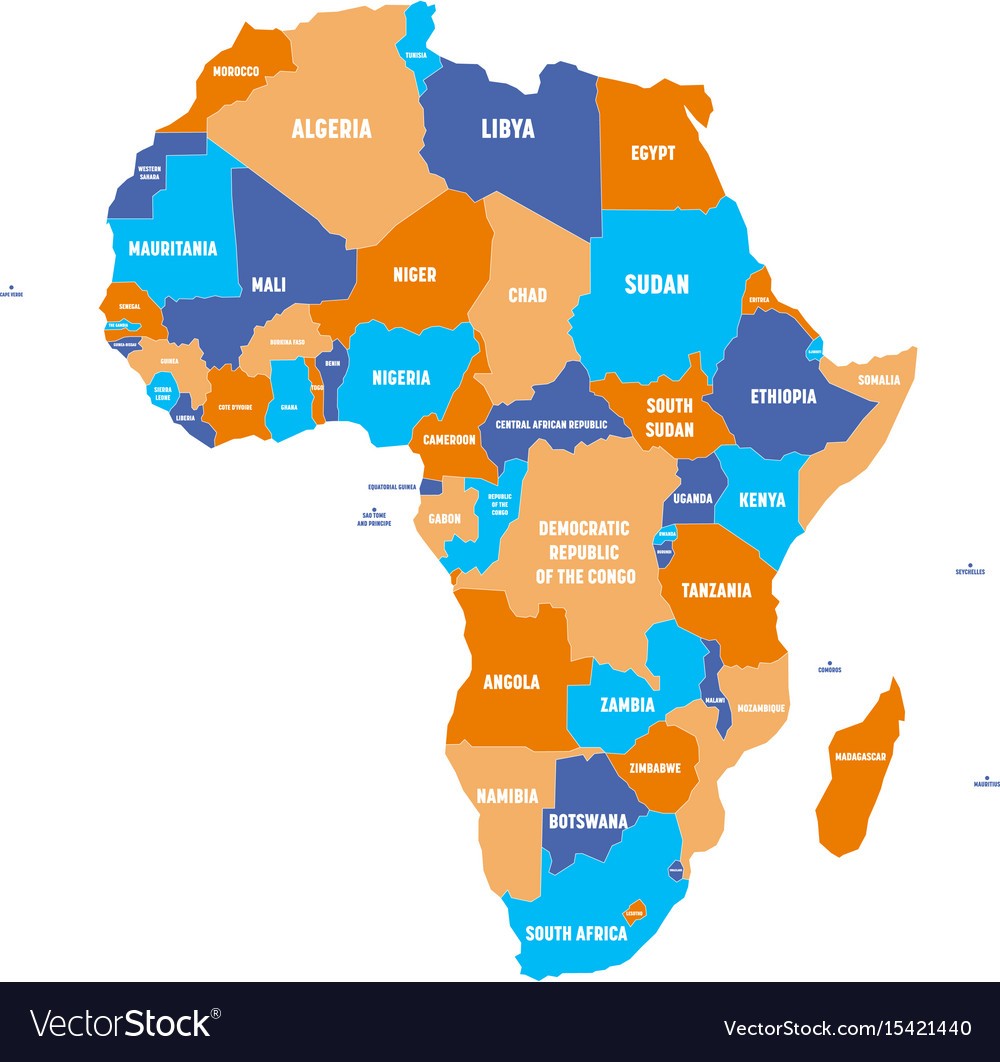
55.

This map is an example of a . . .

a)

Political Map

b)

Physical Map

56.

This map is an example of a . . .

a)

Political Map

b)

Physical Map

57.

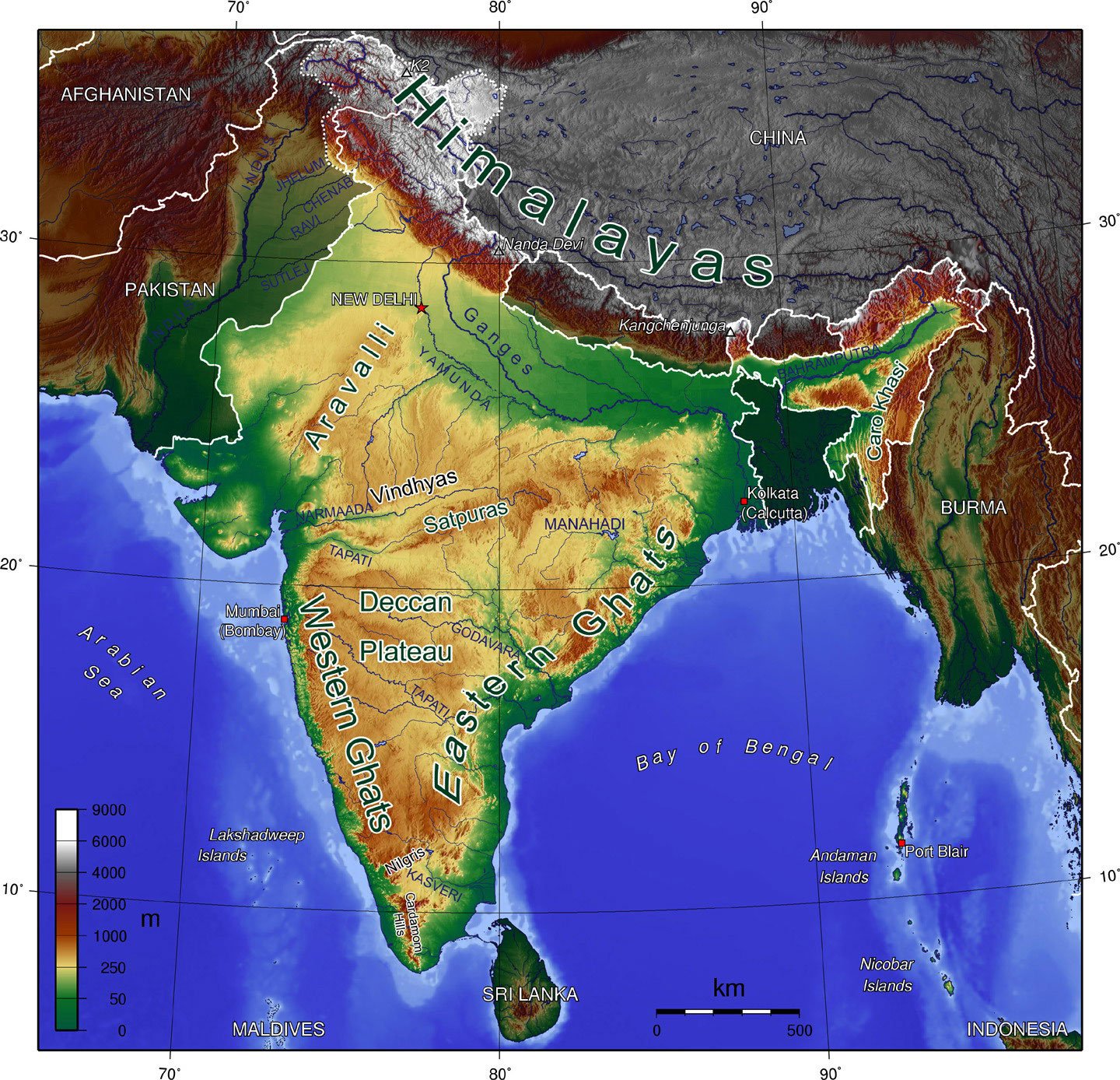
What type of map is this?

a)

climate map

b)

economic resource map

c)

physical map

d)

political map

e)

topographic map

58.

What type of map is this?

a)

climate map

b)

economic resource map

c)

physical map

d)

political map

e)

topographic map

59.

What type of map is this?

a)

climate map

b)

economic resource map

c)

physical map

d)

political map

e)

topographic map

60.

What type of map has contour lines to show changes in elevation?

a)

climate map

b)

economic resource map

c)

physical map

d)

political map

e)

topographic map

61.

What type of map shows weather patterns or zones such as tropical wet?

a)

climate map

b)

economic resource map

c)

physical map

d)

political map

e)

topographic map

62.

What type of map shows natural resources or manmade resources of an area?

a)

climate map

b)

economic resource map

c)

physical map

d)

political map

e)

topographic map

63.

This is a...

a)

political map

b)

physical map

c)

elevation map

d)

thematic map

64.

The map you see is a...

a)

road map

b)

elevation map

c)

political map

65.

Which one is a road map?

a)
b)
c)
d)
66.

An elevation map would show you...

a)

how high a mountain is

b)

what road to drive on

c)

a different theme

67.

In recent years, a GPS has taken place of these maps...

a)

road maps

b)

thematic maps

c)

elevation maps

d)

physical maps

68.

Which map would show you borders of different counties in Iowa?

a)

physical

b)

political

c)

thematic

d)

elevation