
 Worksheets
parts of the brain
Total questions: 57
Worksheet time: 29mins


Which part of the brain controls your blood pressure and heart rate?
brain stem
occipital lobe
cerebellum
frontal lobe

Which part of the brain controls your balance and coordination?
brain stem
occipital lobe
cerebellum
frontal lobe
Weight of adult brain(approximate)
1 pound
3 pounds
5 pounds
7 pounds
Contains the medulla oblongata, pons and reticular formation.
diencephalon
brain stem
cerebrum
cerebellum
Carries messages between the peripheral nervous system and the brain:
cerebellum
corpus callosum
spinal cord
special thalamus
The layer of tissues surrounding the brain and spinal cord is known as the
myelin sheath
corpus callosum
basal ganglion
meninges
An inability to comprehend or formulate language because of damage to specific brain regions is called
aphasia
axon potential
aneurysm
acetylcholine
This region in the limbic system is responsible for consolidating new memories
hippocampus
hypothalamis
thalamus
cerebral cortex

The cortex is composed largely of
axons
soma
glial cells
white matter

The corpus callosum is made up of largely
gray matter
axons
ganglion cells
glial cell
Surgical stimulation of the somatosensory cortex might result in the false sensation of
a bad odor
flashes of light
someone whispering your name
someone tickling you
A gymnast falls and hits her head on the floor. She attempts to continue practicing but has trouble maintaining her vestibular sense. What part of her brain has probably been affected?
retina
myelin sheath
cerebellum
amygdala
The homunculus represents
nerve ending
plasticity
axon potential
body part's cortical space
I feel very dizzy after running around in circles, my body temperature soars and all of a sudden I find myself losing consciousness. I try to explain this to my doctor and she eliminates which region impacted by my illness.
cerebellum
hypothalamus
pineal gland
brain stem
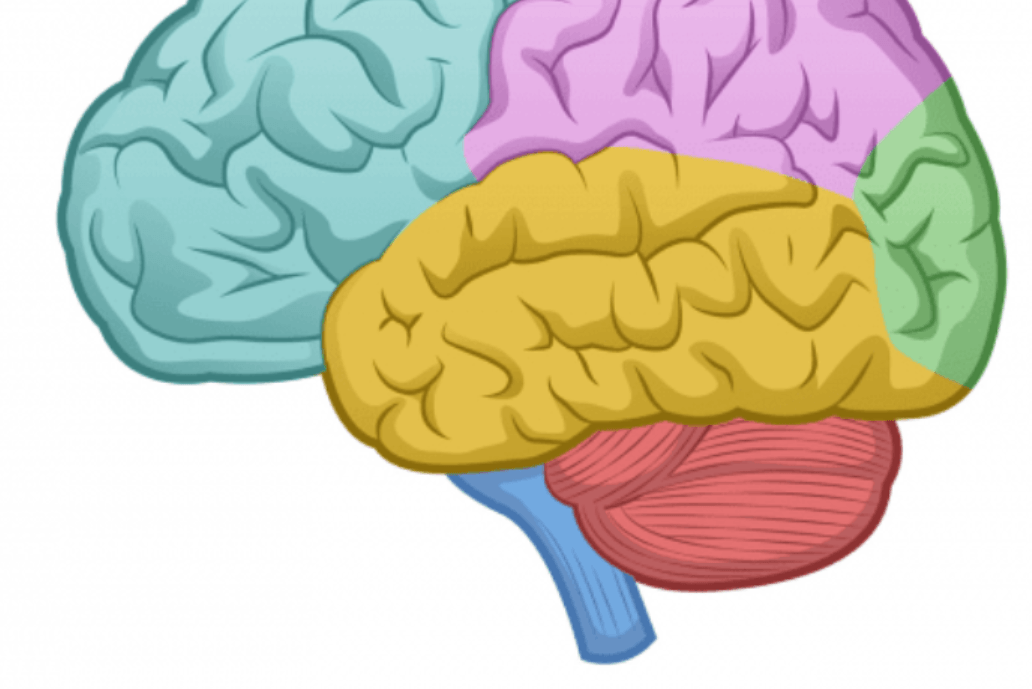
What structure is red in this picture?
Cerebrum
Cerebellum
Brain Stem
Corpus Callosum
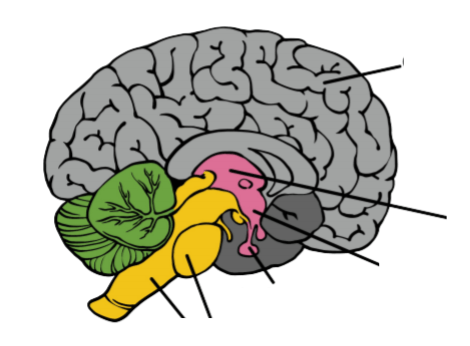
What structure is grey in this picture?
Cerebrum
Cerebellum
Brain Stem
Reticular Formation
All of the following protects the brain except for
skull
meninges
cerebrum
cerebrospinal fluid
Which part of the brain controls musce movement and maintains the balance of the body?
Cerebrum
Medulla
Cerebellum
All of the above
Which one is correct?
Cererum
Cerebrum
Cerebum
Cerbrum
Where is medulla located?
located beneath the cerebellum.
Located above the cerebellum.
Located below the cerebrum.
None of the above
Which is the largest part of the brain?
Cerebellum
Cerebrum
Spinal cord
Medulla

In this picture, what part of the brain is this?
Medulla
Cerebrum
Cerebellum
Spinal cord
Check all structures of the Limbic System
Hippocampus
Hypothalamus
Amygdala
Bowie System
The brain stem is where?
In the spine
at the base of the brain
in the middle of the brain
Check all parts of the brain stem
Medulla
Medusa
Pons
Reticular formation
The Thalamus does what?
It regulates temperature
It regulates emotions
It is the switchboard
The cerebellum coordinates all EXCEPT for...
Memory
Emotion
Movement
Smell
The limbic system is shaped like a
seahorse
doughnut
pickle
Check ALL parts of the limbic system
hippocampus
amygdala
hypothalamus
The amygdala is linked to what emotions?
fear and anger
fear and adrenaline
anger and pleasure
happiness and pleasure


Cerebellum lies _____________ to the pons & the medulla oblongata
posterior
superior
anterior

Which part of the brain connects to the spinal cord?
Brain Stem
Cerebrum
Cerebellum
Occipital Lobe
What are the three parts of the Brainstem?
Medulla Oblongata, Frontal Lobe, Spinal cord
Medulla Oblongata, Cerebellum, Cerebrum
Medulla Oblongata, Pons, Midbrain
medulla oblongata, spinal cord, thalamus


