
 Worksheets
Atoms & the Periodic Table
Total questions: 40
Worksheet time: 22mins
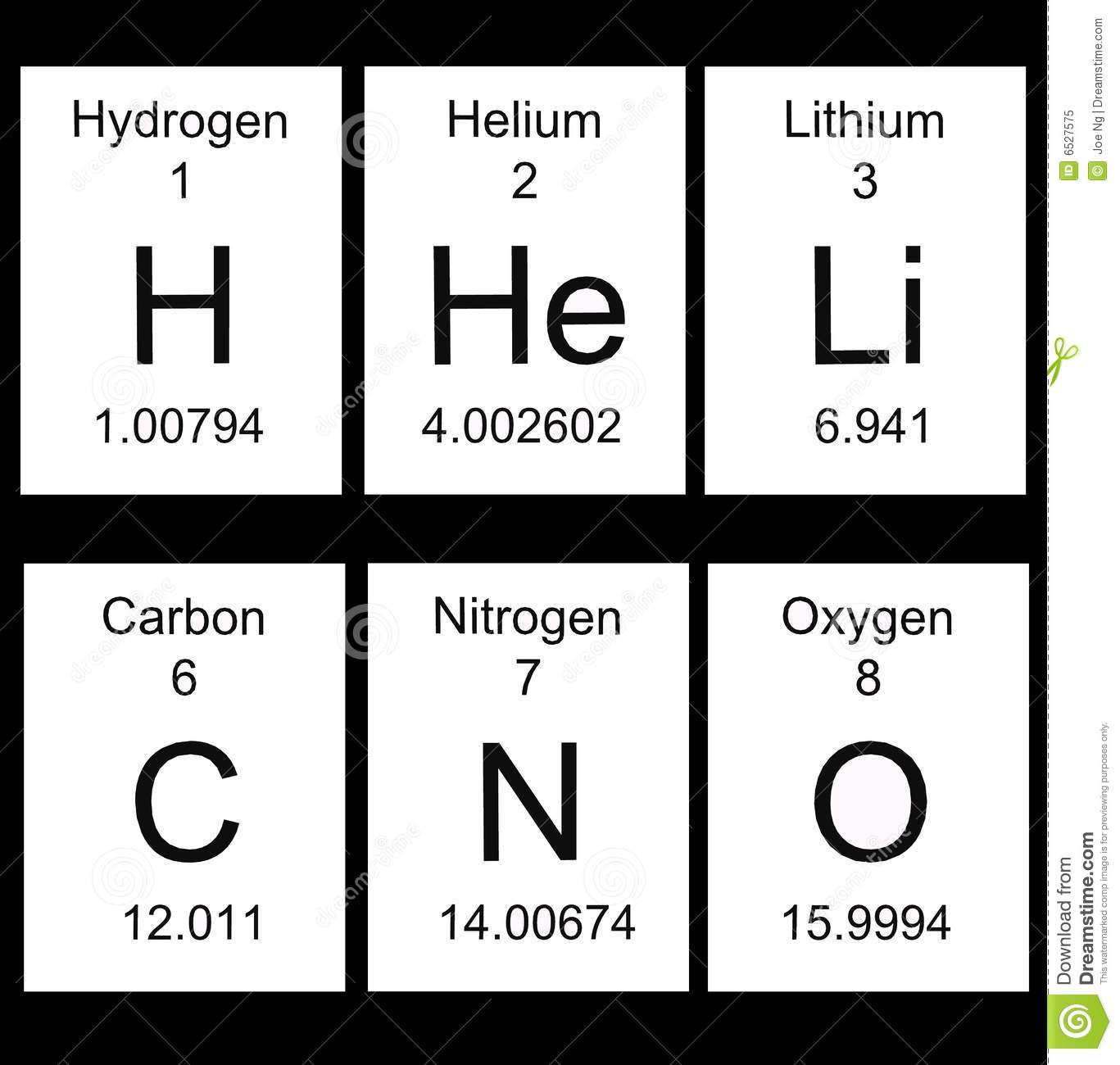
A nucleus of an atom contains what two parts?
Electrons and Protons
Neutrons and Electrons
Protons and Neutrons
How many neutrons does Chlorine (Cl) with an atomic number of 17 and an atomic mass of 35.
17
18
19


The periodic table is organized into columns called _______ and rows called ______.
groups and periods
periods and groups
categories and periods
categories and groups
The number of electrons in the outer energy level is referred to as?
valence electrons
outer electrons
electron cloud
orbital shells
Why do sodium and potassium have similar properties?
They both have a full valence energy level.
They each have only one valence electron.
They both have few protons.
They are both non-metals.

How many protons does Neon contain?
20.18
30.18
10
5

Which element is Na?
neon
sodium
nitrogen
natrium
What is the electrical charge of the electron?
positive
negative
neutral
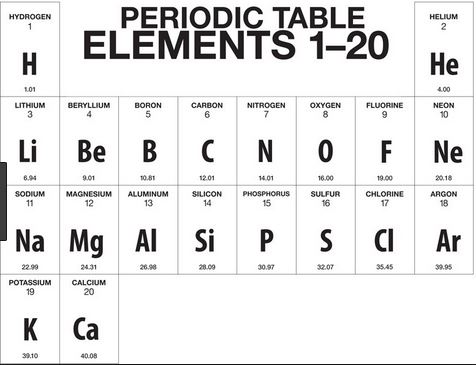
How many valence electrons does Hydrogen Have?
1 Valence electron
2 Valence electron
3 Valence electron
4 Valence electron
5 Valence electron
How many valence electrons does Nitrogen Have?
1 Valence electron
2 Valence electron
3 Valence electron
4 Valence electron
5 Valence electron
How many valence electrons does Aluminum Have?
1 Valence electron
2 Valence electron
3 Valence electron
4 Valence electron
5 Valence electron
An atom with the same number of protons and electrons (no charge) and the expected atomic mass or number of neutrons from the periodic table.
Neutral/Normal Atom
Ion
Isotope
If an atom has 9 protons and 10 electrons it has a charge of ____.
0
-1
+1
-2
The physical property of being able to be hammered or rolled into sheets is what?
Ductile
Luster
Malleable
Conductor
The physical property of an element being able to be pulled into long wires is what?
Ductile
Luster
Malleable
Conductor
Most elements on the periodic table are:
Liquids
Gases
Solids
Plasmas
What is NOT an example of a characteristic about metals?
Brittle
Good conductor
Shiny
Reacts with other non metals
What is a characteristic of a non-metal?
Has luster
Semiconductors
Malleable
Most are gas at room temp
What is a characteristic of metalloids?
All gases at room temp
ONLY reactive with metals
Brittle
Shiny
What group can you find Li, K and Fr?
Alkali Earth Metals
Halogens
Transition metals
Alkali Metals
What group can you find Sb, Po, and Si?
Metalloids
Lanthanides
Nobel Gases
Alkali Earth Metals
What group can you find F, I and Br?
Non-metals
Anthanides
Halogens
You can't they are in the same period not the same group
What group can you find Cu, Ge and Ca?
Metalloids
You can't they are in the same period not the same group
Transition Metals
Alkaline Earth Metals
What group # is Iodine in?
5
4
17
7
What group # is Cobalt in?
Group 4
Group 9
Group 19
Group 7
What period # is Magnesium in?
Period 2
Period 7
Period 3
Period 1
What period # is Antimony in?
Period 15
Period 6
Period 5
Period 14
Sodium
S
Na
NA
So
On the periodic table, carbon is in group 14, period 2. How many valence electrons does carbon have?
6
14
2
4
Zinc
Z
Zi
ZN
Zn

