
 Worksheets
Theory of Evolution
Total questions: 37
Worksheet time: 22mins


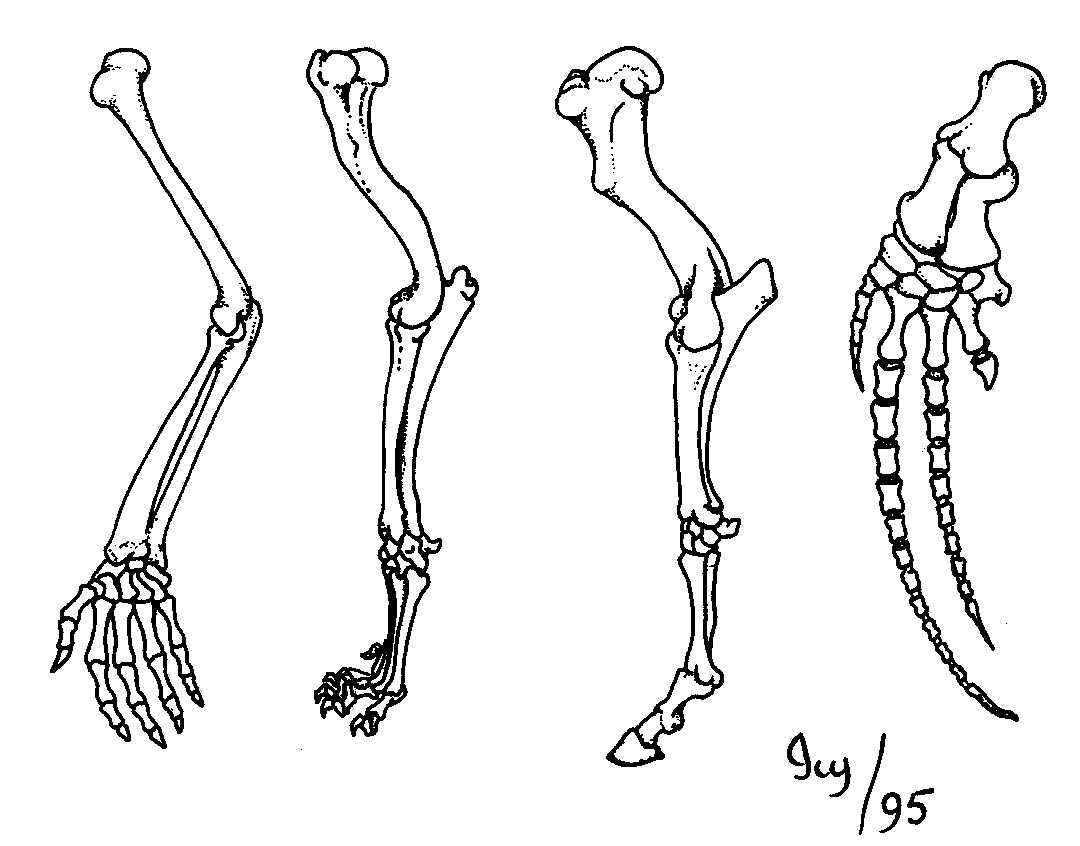
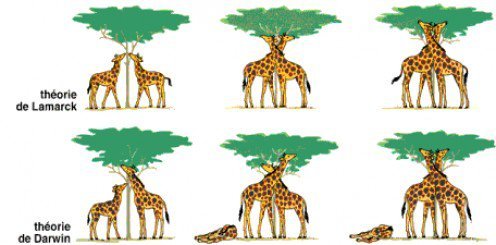
If a new trait DOES help an organism survive, what may happen to it?
It dies and its DNA is not passed on
It survives and its DNA is passed on
It changes its traits to adapt and survive
If a new trait DOES NOT help an organism survive, what may happen to it?
It dies and its DNA is not passed on
It survives and its DNA is passed on
It changes its traits to adapt and survive
Mutations are a change in what?
DNA
tRNA
protein
rRNA

All rabbits of the same species living in a particular area would be an example of a(n)
population
species
community
ecosystem
Mutations are important because they bring about
death of the organism in which they develop
genetic variation needed for a population to evolve
benefits for the individual, not for the population
changes in genotype, but not phenotype
Why is competition important for natural selection?
It shows which variations are more successful, allowing the organisms with those variations to survive.
It causes organisms, regardless of which traits they have, to die out, reducing the population size.
It causes organisms to get stronger due to having to outcompete other species.
Competition is not important for natural selection.
In which kind of rock do we usually find a fossil?
sedimentary rock
metamorphic rock
igneous rock

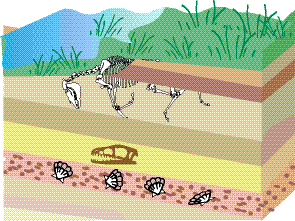
What are the oldest fossils and why?
B, C- because they are closest to the top
A, B- because they are closest to the bottom
They are all the same age- because they are all found on layer 2
A, B- because they are found closest to the top

Organisms D and C clearly lived in an aquatic (water) environment. Organism A does not look like it lived in the water. What is the most likely explanation for this?
The fossil in layer A died on land and was carried to the water
The fossils in layer C and D did not live in the same location as the fossil in layer A
The environment changed over a long period of time. It used to be under water, but is not anymore
Which of the following can be learned by using the fossil record?
When organisms changed or evolved
when organisms appeared on Earth
when organisms became extinct
All the above
Coal, oil and natural gas are ________ _______. We will eventually run out of these
Fossil fuels
Temporary resources
Nonrenewable resources
Renewable resource
Petroleum (oil) is considered a nonrenewable resource because
Renewable resource
contains partial water
It cannot be replaced easily
man made fuel
Which of these statements best sums up evolution?
rapid change in species’ habits and features
rapid development of vestigial structures in a species
change in a population through new species being made
change in a population through genetic variation over time
Biology shows us the fossil record and comparative anatomies. Chemistry shows us that organic molecules can come from inorganic matter. Geology shows us that organisms that used to live together are found on separate continents due to continental drift. Which fields of science provide evidence for evolution?
biology only
biology and chemistry only
biology and geology only
biology, chemistry, and geology

The permanent disappearance of a species from Earth
law of superposition
diversity
extinction
petrification

The mineralized remains of organisms and the rock layers in which they are found, showing when and where long-dead organisms lived and how their bodies were structured
law of superposition
radioactive dating
fossil record
petrification
What do we call a change in a species over time?
Adaptation
Evolution
Extinction
Environmental influences

