
 Worksheets
SCIENCE 5 SECOND PERIODICAL TEST
Total questions: 80
Worksheet time: 3600secs
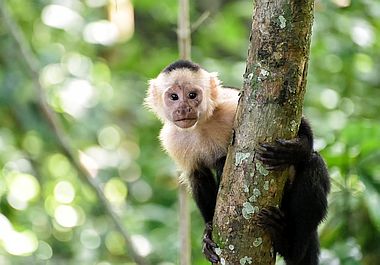
Vertabrate
Invertabrate
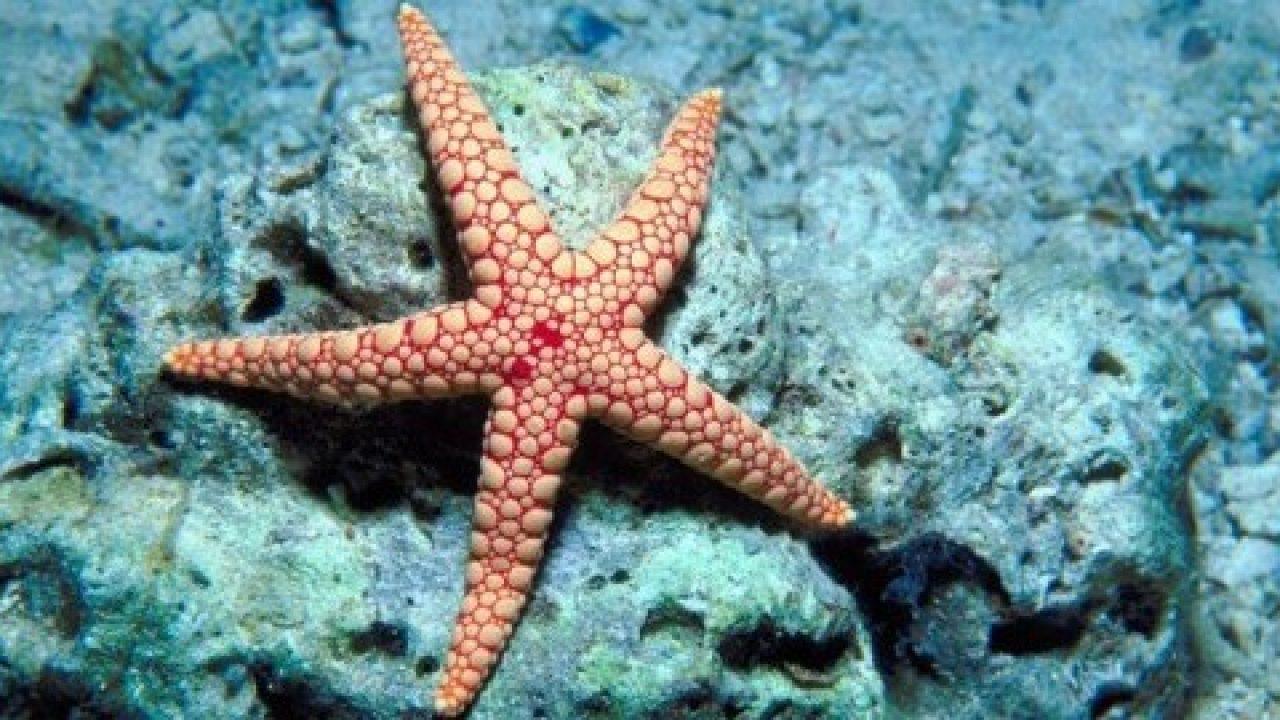
Vertebrate
Invertabrates
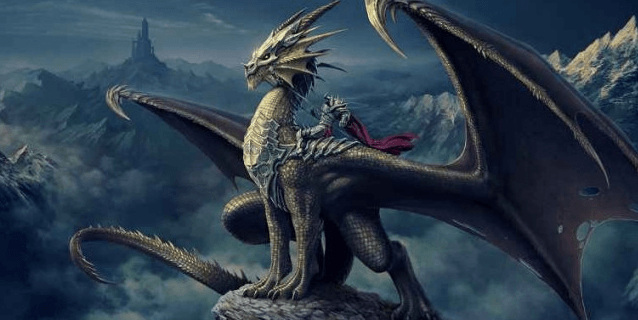
Vertabrate
Invertabrate
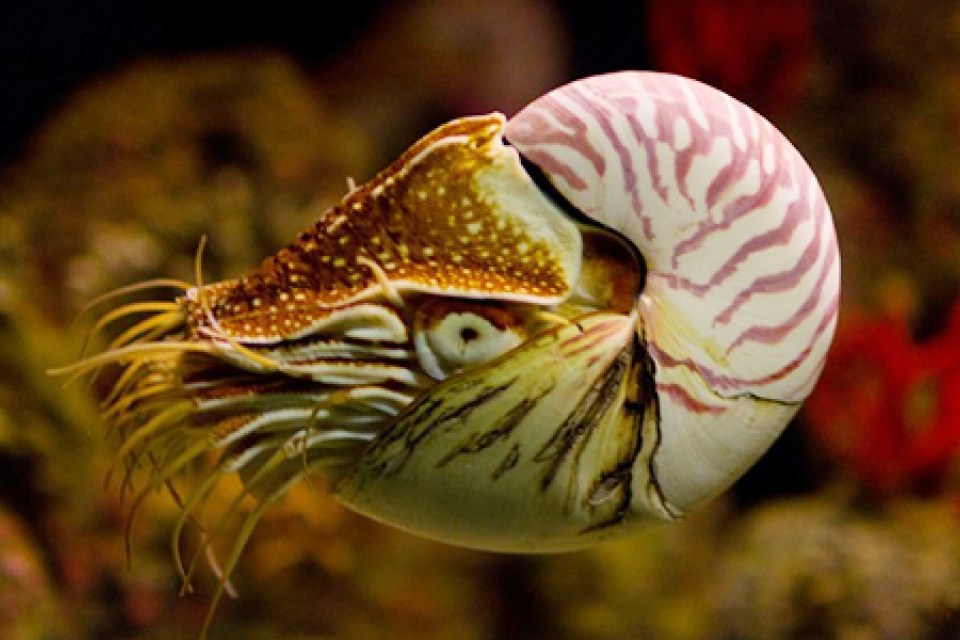
Vertebrate
Invertabrate
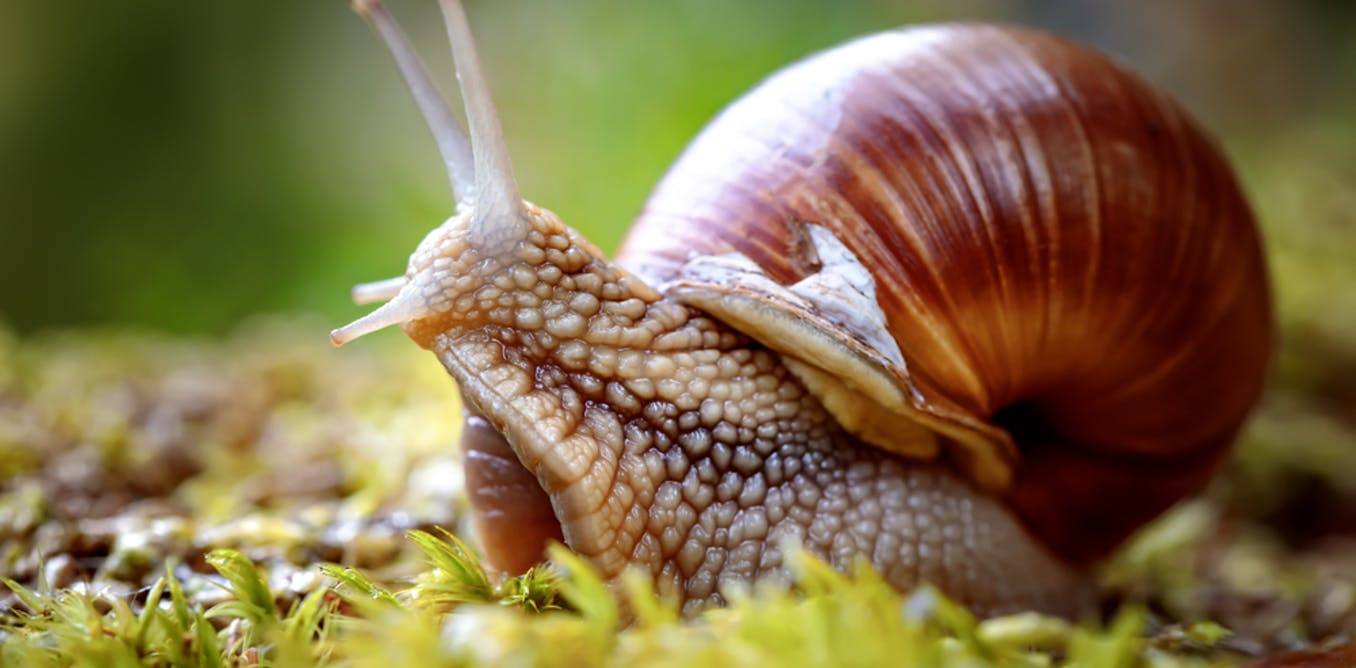
Vertebrate
Invertabrate
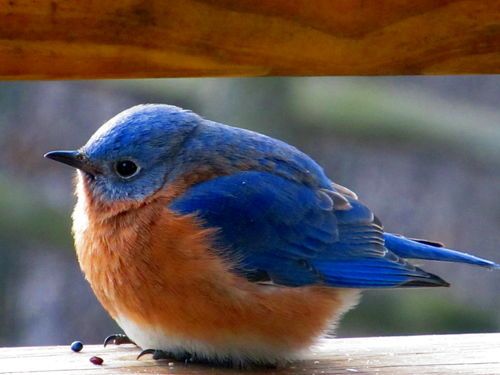
Vertebrate
Invertebrate
Characteristics of invertabrates
multicellular
don't have a backbone
They reproduce by two
none
What animals here are vertabrates?
Fish
Worm
Crab
Starfish
Dog
This group has feathers.

What is the major difference between vertebrates and invertebrates?
Vertebrates have a backbone and invertebrates do not.
Invertebrates live in water and vertebrates do not.
Invertebrates have a backbone and vertebrates do not.
Invertebrates are smaller than vertebrates.
cold blooded, breathes with lungs, has dry skin covered in scales and most lay eggs
birds
amphibians
reptiles
mammals
fish
Which animals are invertebrate?
worm
cat
jellyfish
ant

Invertebrates can be classified into six main groups:
arthropods, mollusks, annelids, amphibians, echinoderms, poriferans and cnidarians.
arthropods, mollusks, annelids, echinoderms, cnidarian and poriferans.
arthropods, amphibians, reptiles, mammals, birds and fish.
arachnids, insects, myriapods, crustaceans, bivalves cephalopods and sponges.

There are four main arthropod groups:
insects, bivalves, arachnids and myriapods.
insects, myriapods, crustaceans and echinoderms.
insects, arachnids, crustaceans and myriapods.
Squidward Tentacles,, Mr. Crab , Sponge Bob Square Pants and Sandy.

Spiders are arachnids.
Arachnids are insects.
Arachnids are arthropods.
Arachnids are myriapods.
Arachnids are crustaceans.

Insects, arachnids, crustaceans and myriapods are
molluscs.
arthropods.
poriferans.

What part of the flower is letter E?
Sepal
Stamen
Stigma
Pistil

What part of the flower is letter C?
Stigma
Embryo
Stamen
Pistil

What part of the flower is letter A?
Pistil
Stamen
Sepal
Embryo

What part of the flower is letter B?
Pistil
Stigma
Sepal
Stamen
The ________________is the young seed forming in the flower.
Embryo
Stamen
Pistil
Stigma
The ____________is the part that grows under the flower and protects it.
Embryo
Pistil
Sepal
Stamen
The _____________ is the sticky tip of the pistil that collects pollen.
Pistil
Sepal
Stamen
Stigma
The ______________ is the center stalk of the flower that pollen travels down. The embryo forms at the bottom of it.
Stamen
Pistil
Sepal
Stigma
The _____________ is the part of the flower that surrounds the pistil and is covered with pollen at the ends.
Pistil
Stamen
Stigma
Sepal

The part of a plant where a seed or fruit is produced. They may be brightly colored and smell sweet.
seed
leaf
flower
root

Which part of the flower is B pointing at?
Stigma
Ovary
Anther
Which part of the flower is C pointing at?
Style
Filament
Ovules
Which part of the flower is D pointing at?
Anther
Filament
Ovary
Which part of the flower is E pointing at?
Filament
Style
Stigma
Which part of the flower is F pointing at?
Ovary
Petal
Stigma

What part of the flower is this?
stamen
petal
ovary
ovule
Which part of the flower attracts pollinators with their shape, color and smell?
stigma
petal
anther
ovary
________ is where new plants are formed.
ovary
ovule
filament
petal

What is the name of flower part #1 ?
anther
pistil
filament
stem

What is the name of flower part #11 ?
peduncle
sepal
stamen
receptacle
What is the sticky surface on the top of the style which catches the pollen grains?
anther
ovary
filament
stigma
What is the process of transferring pollen grains to the stigma of a flower?
fertilization
germination
pollination
propagation
How does self-pollination take place?
when the pollen from the stamen of a flower transfers to the pistil of the same flower
when the pollen from the stamen of a flower in a plant transfer to the pistil of a flower in another plant of the same kind
when the ovule inside the ovary of a flower becomes a seed and the ovary becomes enlarged
when the mature pollen grain drops on the stigma of a flower and develops a pollen tube
What is the reproductive part of a plant?
flower
stem
leaves
roots
When does fertilization occur?
When the pollen grain swells.
.When the pollen tube grown longer.
When the pollen grain falls on the stigma.
When the sperm in the pollen unites with the egg cell in the ovule.
Pollen moves from the _________.
stamen to the stigma
stigma to the stamen
stamen to the chloroplast
stigma to the sepal
Why do insects go to the flowers?
They like the smell
to feed on nectar
they like the colourful flowers
to get pollen
What does scented mean?
very pretty
colorful
very quiet
smells nice
Which type of pollination is used if the flowers are not brightly colored?
insects
wind
Which among the following are agents of pollination ?
wind
water
insects
All the above
True or false?
Pollination is the movement of seeds.
True
False

Which way of pollination is the picture showing?
Wind
Water
Pollinator
Plane
Wind-pollinated flowers typically have ________.
A scent
Nectar
Small, light and powdery pollen
Large and colourful petals
Which of the following is NOT a pollinating agent?
Bees
Butterflies
Fire
Wind
Mammals

What type of pollination is shown in this diagram?
Cross pollination
Self pollination
Single pollination
Transfer pollination
To produce new plants using sexual reproduction, they would have to be grown from _____________.
Buds
Seeds
Cuttings
Grafts
What is the term given to a fertilised ovule in a plant?
Seed
Stamen
Style
Pollen


Plants produce their own food through...
symbiosis
photosynthesis
genetics
magic
All food chains begin with a...
grass
producer
consumer
decomposer
What is a food chain?
The flow of energy from one thing to another
The way animals eat each other
The way the sun makes everything
How the plants grow

*Remember Humans are on the top of all food chains because we do not get hunted.


True/False Food webs show you everything an animal eats. Food chains show you the transfer of energy from one thing to another.

A system of interdependent food chains that shows the transfer of energy is termed _______.
An example of producer consumer relationship would be a _______.

