
 Worksheets
Carrying Capacity, Limiting Factor, and Biomes Review
Total questions: 50
Worksheet time: 30mins




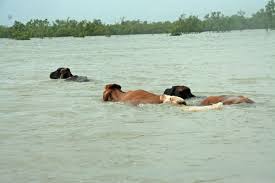
Natural disasters can be considered limiting factors.
true: density independent limiting factors
false; natural disasters are not limiting factors
true: density dependent limiting factors
false: because Mrs. Schaffer said
A lion and a cheetah attempt to occupy the same niche. The more aggressive lion survives; the cheetah does not.
Density-Dependent: Competition
Density-Independent: Competition
Density-Dependent: Predator-Prey
Density-Independent: Predator-Prey
Coyotes cross the winter pack ice and enter Newfoundland. The moose population starts to decline.
Density-Dependent: Competition
Density-Independent: Competition
Density-Dependent: Predator-Prey
Density-Independent: Predator-Prey
A severe frost wipes out 50% of the coffee crop in Brazil.
Density-Dependent
Density-Independent
Due to severe overcrowding in an Asian village, many children do not survive to reach adulthood.
Density-Dependent: Disease
Density-Independent: Disease
Since lynx prey on hares, an increase in the hare population causes an increase in the lynx population.
Density-Dependent: Competition
Density-Independent: Competition
Density-Dependent: Predator-Prey
Density-Independent: Predator-Prey
A severe flood in the Red River Valley causes a decline in the deer population.
Density-Dependent
Density-Independent
Due to stress, large numbers of female lemmings miscarry their young and fail to reproduce.
Density-Dependent
Density-Independent
Travelers who visit a crowded African village become infected with a disease caused by parasites.
Density-Dependent
Density-Independent
Many fish die due to a change in the winds and the appearance of the El Nino ocean current off the coast of Peru and Chile.
Density-Dependent
Density-Independent
Fish on a coral reef stake out their territory and chase away any younger fish that try to live there.
Density-Dependent
Density-Independent
An extensive drought in the Serengeti Plain threatens wildebeest, giraffe, zebra, and springbok populations.
Density-Dependent
Density-Independent
What happens if a population grows past its carrying capacity?
The population keeps growing
The population starts to die off
The entire species will go extinct
The carrying capacity just increases
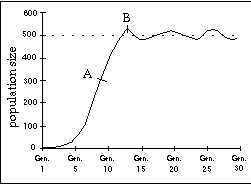
What is the carrying capacity of the graph?
1000
8000
800
600

The largest number of individuals that an environment can support long term is...
carrying capacity
emigration
immigration
population density

Something that regulates the size of a population is called...
a limiting measure
a limiting factor
carrying capacity
biodiversity
What is the carrying capacity of the graph?
around 500
more than 800
less than 300
around 700
When death rate is equal to birth rate...
population increases
population decreases
population stays the same.
population rapidly increases then becomes stable
When the death rate rises and the birth rate lowers...
population increases
population decreases
population stays the same
all of these
When birth rate is high and death rate is low...
population increases
population decreases
population stays the same
all of these
This may cause a population to increase
increase of food supply
removal of predators
removal of disease
all of these

Which land biome is mainly covered with grass?
Desert
Taiga
Grassland
Tundra

Which biome is also known as the "Temperate Forest"?
Deciduous Forest
Tropical Rain Forest
Tundra Forest
Taiga Forest

Which land biome is the ground frozen all year round?
Grassland
Taiga
Tundra
Deciduous Forest

Which land biome is covered mainly with conifer trees?
Tropical Rain Forest
Deciduous Forest
Tundra
Taiga

Which biome is hot and humid all year round with plenty of rain?
Tundra
Tropical Rain Forest
Taiga
Temperate Forest

Which is the largest land biome in the world?
Taiga
Tundra
Grassland
Desert

Which land biome is divided into 4 levels/layers?
Deciduous Forest
Tropical Rain Forest
Tundra
Taiga

Which land biome do we live in?
Grassland
Tundra
Deciduous Forest
Taiga

Which land biome is the coldest in temperature without any trees?
Taiga
Grassland
Tundra
Deciduous Forest

Which biome is sandy and/or rocky with very little rain?
Desert
Tundra
Grassland
Tropical Rain Forest

Which biome has tree leaves that change color and drop off as the season changes from fall to winter?
Tropical Rain Forest
Deciduous Forest
Tundra
Coniferous Forest
Prairies and savannas are two examples of this land biome?
Tundra
Grassland
Desert
Taiga

Which land biome is located near and/or along the Earth's Equator?
Grassland
Temperate Forest
Tropical Rain Forest
Tundra
The following animals are common to which land biome? (anaconda, gorilla, monkey, toucan bird, red-eyed tree frog, python, jaguar, three-toed sloth, anteater, macaw bird)
Deciduous Forest
Tropical Rain Forest
Tundra
Taiga
The following animals are common to which land biome?
(polar bear, walrus, arctic fox, seal, penguin, snowy owl, caribou, arctic hare, musk oxen)
Tundra
Taiga
Temperate Forest
Coniferous Forest
The following animals are common to which land biome? (white-tailed deer, black bear, turkey, chipmunk, skunk, raccoon, groundhog, and squirrel)
Grassland
Tundra
Deciduous Forest
Coniferous Forest
The following animals are common to which land biome? (zebra, ostrich, lion, giraffe, bison, elephant, cheetah, hyena, hippo, rhino, prairie dog, and ostrich)
Desert
Grassland
Tundra
Tropical Rain Forest
The following animals are common to which land biome? (moose, elk, lynx, red deer, bobcat, mountain goat, grizzly bear, and gray wolf)
Temperate Forest
Tundra
Deciduous Forest
Taiga
The following animals are common to which land biome? ( scorpion, camel, fennec fox, kangaroo rat, black widow spider, roadrunner, and jackrabbit)
Desert
Tundra
Deciduous Forest
Grassland

A biome is _______________________________________
all the living things in a small area.
a very large ecosystem.
all the members of one species in an area.
a role/ job of an organism.

