
 Worksheets
Q1: Climate and Biomes
Total questions: 25
Worksheet time: 25mins
Name
Class
Date
1.
A large, relatively distinct region with a similar climate, soil, plants, and animals
a)
ecozones
b)
biotopes
c)
biomes
d)
biodomes
2.
Which biome is a treeless biome in the far north with harsh, cold winters and extremely short summers
a)
tundra
b)
desert
c)
temperate deciduous forest
d)
tropical rain forest
3.
Which biome is also called the "taiga"
a)
temperate deciduous forest
b)
boreal forest
c)
temperate rainforest
d)
tropical rainforest
4.
Which major biome's lack of precipitation limits plant grow and is home to cacti, mesquite, white thorn, pack rats, small reptiles, birds, antelope, lizards, fox, snakes, bob cats and coyotes?
a)
desert
b)
taiga
c)
tundra
d)
grassland
5.

The biome known for trees with broad leaves that fall off the trees in the winter.
a)
Coniferous Forests
b)
Temperate Deciduous Forests
c)
Deserts
d)
Tundra
6.
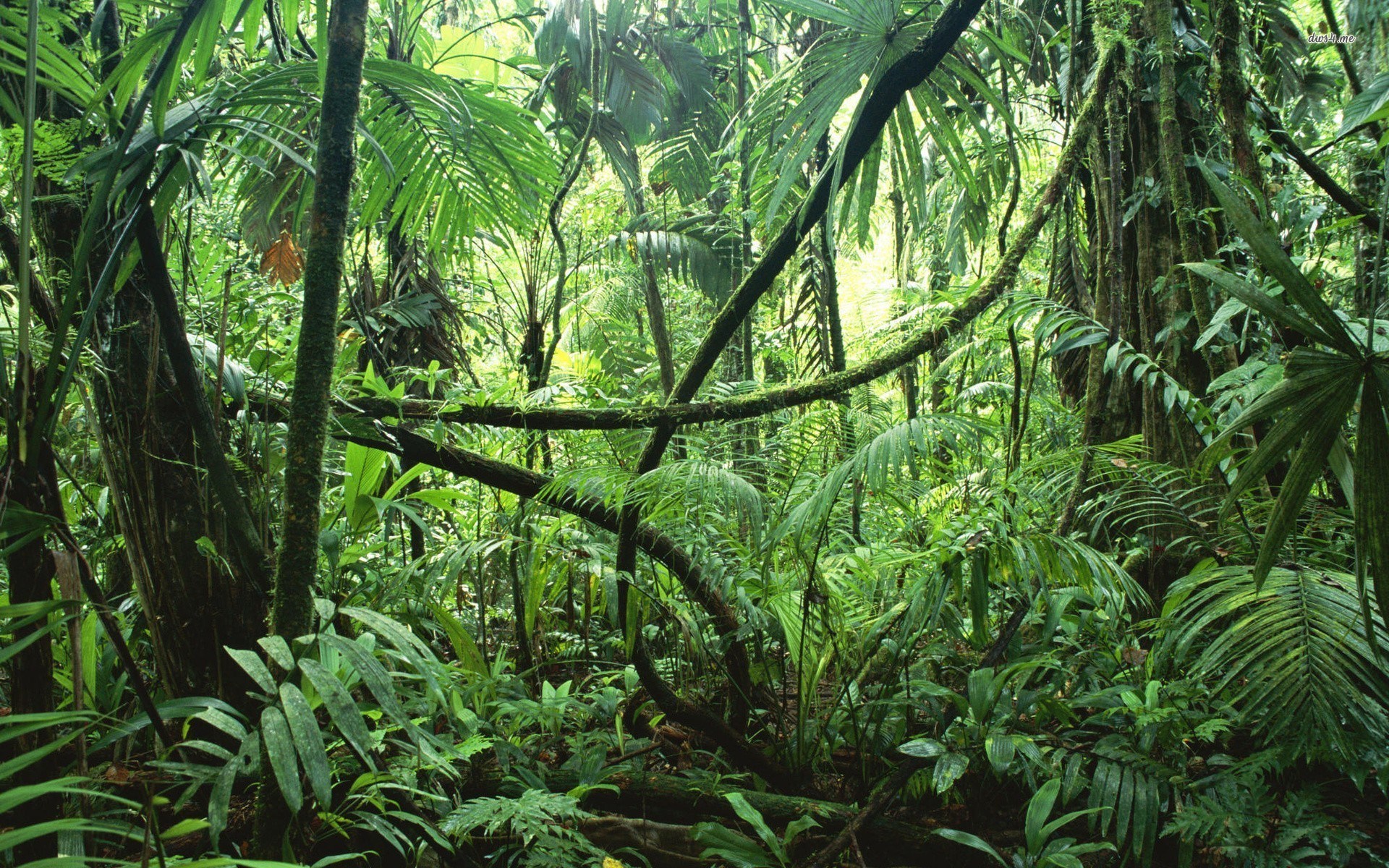
What type of biome is pictured?
a)
Temperate Deciduous Forest
b)
Boreal Forest
c)
Tropical Rainforest
d)
Grassland
7.
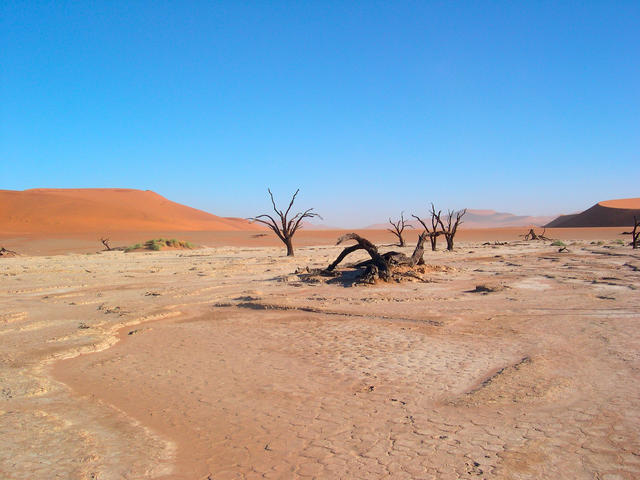
What type of biome is pictured?
a)
Desert
b)
Tundra
c)
Tropical Rainforest
d)
Grassland
8.
Which biome has a climate is warm and moist throughout the year, and has more species of plants and animals than any other biome?
a)
Chaparral
b)
Tropical Rainforest
c)
Boreal Forest
d)
Tundra
9.
The biggest factor in determining climate is?
a)
elevation
b)
an ocean
c)
latitude
d)
mountain
10.
What is the climate of the top of a mountain like as compared to the bottom of the mountain?
a)
warmer
b)
cooler
c)
drier
d)
wetter
11.
What is the difference between climate and weather?
a)
Climate averages the weather conditions in a specific place over a long period of time, while weather describes the state of the atmosphere at a specific moment in time.
b)
Weather averages the weather conditions in a specific place over a long period of time, while Climate describes the state of the atmosphere at a specific moment in time.
c)
Climate describes the weather conditions at night, while weather describes the conditions during the daytime.
d)
There is not a difference between climate and weather.
12.
Which of these is NOT a factor that determines the climate of a place?
a)
latitude
b)
wind patterns
c)
longitude
d)
elevation
13.
Which sentence best describes the relationship between elevation and air temperatures?
a)
LOWER elevation = COLDER temperatures
b)
HIGHER elevation = COLDER temperatures
c)
HIGHER elevations = WARMER temperatures
d)
There is no relationship
14.
What are the 3 major climate zones in order from equator to the poles?
a)
polar, temperate, tropical
b)
tropical, temperate, polar
c)
temperate, polar, tropical
d)
temperate, tropical, polar
15.
What is the best explanation for these two statements?
1. Some mountains located near the Earth's Equator have snow-covered peaks.
2. Icecaps exist at the Earth's poles.
1. Some mountains located near the Earth's Equator have snow-covered peaks.
2. Icecaps exist at the Earth's poles.
a)
High elevation and high latitude have a similar effect on climate.
b)
Both mountain and polar regions have arid climates.
c)
Mountain and polar regions receive more energy from the Sun than other regions.
d)
An increase in snowfall and an increase in temperature have a similar effect on climate.
16.

Which statement best explains why a desert often forms on the leeward side of a mountain?
a)
Sinking air compresses and warms.
b)
Sinking air expands and warms.
c)
Rising air compresses and warms.
d)
Rising air expands and warms.
17.

The planetary winds on Earth are indicated by the curving arrows in the diagram.
The curved paths of the planetary winds are a result of
The curved paths of the planetary winds are a result of
a)
changes in humidity.
b)
changes in temperature.
c)
Earth's rotation on its axis
d)
Earth's gravitational force
18.
The condition in the atmosphere over a short period of time is called
a)
climate
b)
weather
c)
global warming
d)
atmospheric pressure
19.
______ is the average pattern for weather over a long period of time.
a)
climate
b)
weather
c)
forecast
d)
sunlight
20.
All of the following impact climate EXCEPT
a)
latitude
b)
ocean currents
c)
prevailing wind
d)
tectonic plates
e)
atmospheric pressure
21.
_______ causes the Coriolis Effect
a)
Earth's rotation
b)
gravity
c)
wind
d)
density
22.
The __________ is a surface current that flows along the eastern US and brings warm water to Europe.
a)
California Current
b)
Gulf Stream
c)
North American Gyre
d)
Arctic Current
23.
Which term describes a circulation of air or water that is caused by uneven heating?
a)
convection current
b)
conduction current
c)
radiation current
d)
emission current
24.
____________ air sinks/falls because it is ____________dense.
a)
Cold, More
b)
Warm, Less
c)
Cold, Less
d)
Warm, More
25.
The amount of water vapor in the air-
a)
humidity
b)
climate
c)
generalization
100 %

