
 Worksheets
water chem atomic structure jan 2022
Total questions: 17
Worksheet time: 17mins
Name
Class
Date
1.
The water molecule is a great thing. Which characteristicsbest describe water.
a)
universal solvent
b)
universal solute
c)
ionic bond
d)
all of the above
2.

The chemical compound of water is
a)
HO
b)
H2O
c)
H3O
d)
HO2
3.

Pure water has a
a)
Neutral pH
b)
Negative pH
c)
Positive pH
d)
Both Negative and Positive pH
4.

A Compound that is being dissolved is called a
a)
Solution
b)
Solute
c)
Solvent
d)
Suspension
5.
A solvent is...
a)
substance into which the solute dissolves
b)
a compound being dissolved
c)
a substance that does not dissolve
d)
None of the above
6.

A water strider can skate along the top of a pond because:
a)
covalent bonds result in water cohesion
b)
hydrogen bonds result in water cohesion (surface tension)
c)
water striders have adapted to take advantage of water cohesion
d)
low surface tension of water
7.

Attractions between water molecules are called
a)
Covalent bonds
b)
Ionic bonds
c)
Polar bonds
d)
Hydrogen bonds
8.

Which end of the water molecule has a slightly positive charge?
a)
the oxygen end
b)
the hydrogen end
c)
both ends are slightly positive
d)
neither end is positive
9.
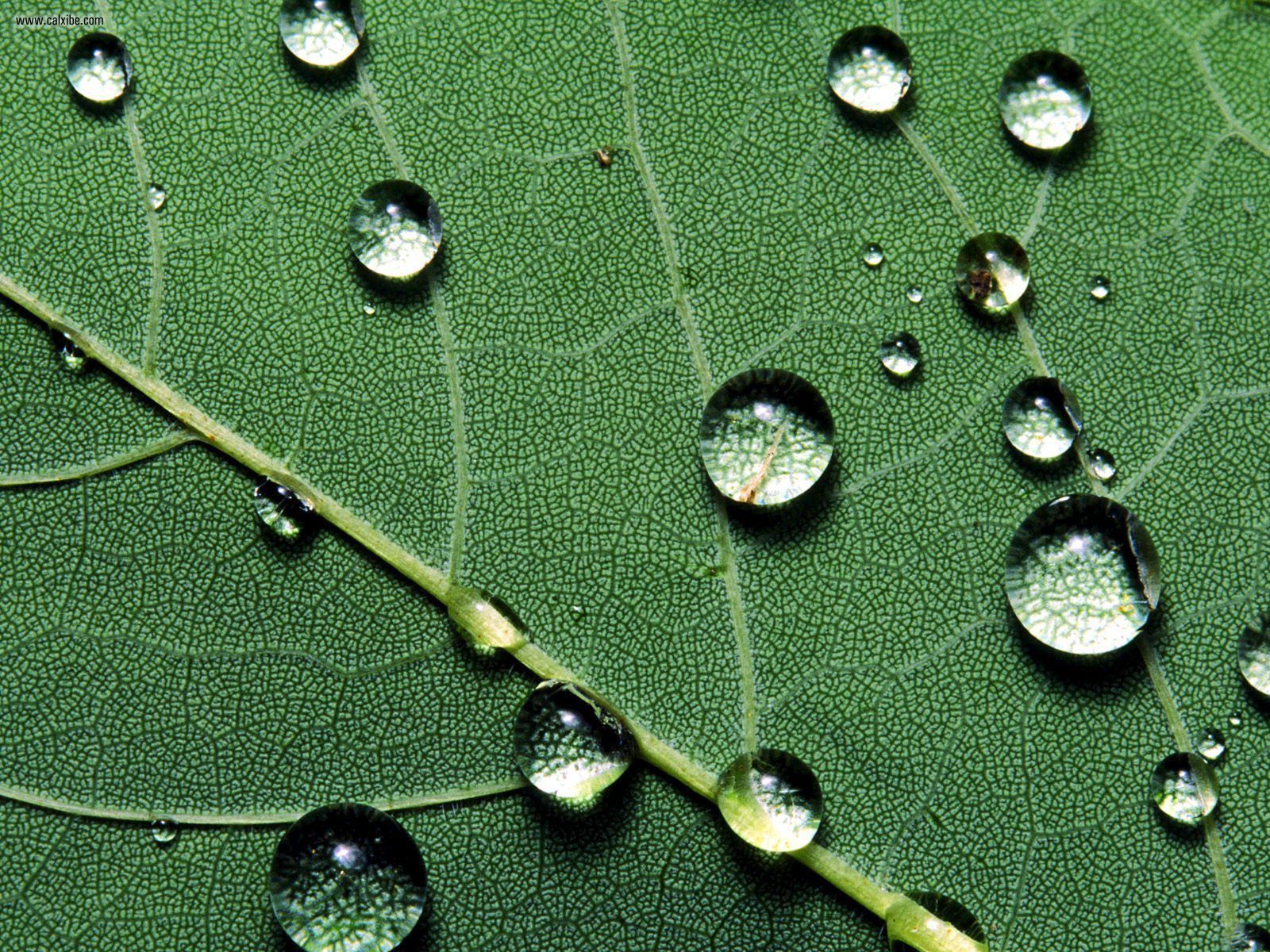
Refer to the picture of water sticking to a leaf; this is occurring because of:
a)
Adhesion
b)
Cohesion
10.

tendency of molecules of the same kind to stick to one another
a)
cohesion
b)
adhesion
c)
solution
d)
polar molecule
11.

molecule in which opposite ends have opposite electric charges
a)
cohesion
b)
polar molecule
c)
hydrogen bond
d)
solution
12.
What subatomic particles would you find in the nucleus of an atom?
a)
Protons only
b)
Protons and Neutrons
c)
Neutrons and Electrons
d)
Protons and Electrons
13.
What subatomic particle is electrically neutral (no charge)?
a)
Proton
b)
Ion
c)
Neutron
d)
Electron
14.
Where are electrons of an atom found?
a)
Nucleus
b)
Electron Cloud
c)
Some are in the nucleus and some in the electron cloud.
d)
They are moving everywhere.
15.
Electrons have this type of charge?
a)
negative
b)
positive
c)
neutral
16.

What is the number of protons that the element in this image contain?
a)
14
b)
7
c)
15
d)
18
17.
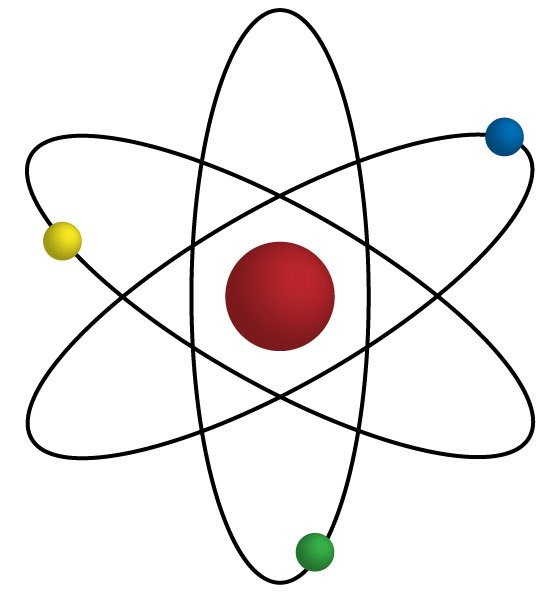
What are the 3 particles that make-up the atom?
a)
protons, neutrons, and isotopes
b)
neutrons, isotopes, and electrons
c)
positives, negatives, and electrons
d)
protons, neutrons, and electrons
100 %

