wayground logo

Free Printable Worksheets

Font size

S
M
L
XL
Worksheets

Check-In 2 Review

Total questions: 200

Worksheet time: 3hrs 57mins

Name
Class
Date
1.
Which best describes what a food chain shows you?
a)
Energy flow through an ecosystem
b)
Food flowing through an ecosystem
c)
Consumers going into other consumers
d)
Who eats who
2.
What are plants called in a food chain?
a)
Producers
b)
Consumers
c)
Decomposers
d)
Scavengers
3.
What are animals called in a food chain?
a)
Producers
b)
Consumers
c)
Decomposers
d)
Plants
4.
What are the organisms that break down dead stuff?
a)
Producers
b)
Consumers
c)
Decomposers
d)
Organisms
5.
Where does the energy start in this food chain?
a)
Plant
b)
Sun
c)
Deer
d)
Wolf
6.
What is the role of a producer?
a)
Use sunlight to make food
b)
Gain energy from eating other organisms
c)
Keep other species from overpopulating
d)
Breaking down dead stuff 
7.
Which of these organisms would receive energy from the snake?
a)
Plant
b)
Rabbit
c)
Mouse
d)
Hawk
8.
Which type of consumer eats plants only?
a)
Herbivores
b)
Omnivores
c)
Carnivores
d)
Scavengers
9.
Which type of consumer eats meat only?
a)
Producers
b)
Herbivores
c)
Carnivores
d)
Omnivores
10.
Which type of consumer eats meat and plants?
a)
Herbivores
b)
Carnivores
c)
Omnivores
d)
Plants
11.
Which of the following is a producer?
a)
Maple tree
b)
Sunfish
c)
Bunny
d)
Bear
12.
Which of these is true about this food web?
a)
The Owl gets its energy from the producer.
b)
The Lion gets its energy only from a wild cat.
c)
The Kite gets its energy from the goat.
d)
The Mouse is most likely to die, several ways.
13.
Which of the following best describes the blue bird's (in the middle) role in this ecosystem?
a)
carnivore
b)
omnivore
c)
herbivore
d)
decomposer
14.
Which of the following best describes the deer's role in the ecosystem?
a)
herbivore
b)
omnivore
c)
carnivore
d)
decomposer
15.
The most important abiotic factor in an ecosystem since it provides energy to producers
a)
water
b)
oxygen
c)
sunlight
d)
nutrients
16.
Which is not an abiotic factor?
a)
dead leaf
b)
water
c)
sand
d)
carbon dioxide
17.
Organisms in an area and their non-living parts
a)
a food chain
b)
a habitat
c)
an ecosystem
d)
a food web
18.
Living things or once living things in an ecosystem
a)
abiotic
b)
biotic
c)
limiting factors
d)
carrying capacity
19.
Non-living things in an ecosystem
a)
abiotic
b)
biotic
c)
limiting factors
d)
carrying capacity
20.
Which is an abiotic part of an ecosystem?
a)
feather
b)
dead log
c)
spider web
d)
clouds
21.
Birds and bees are
a)
biotic
b)
abiotic
22.
Rocks and sand are
a)
biotic
b)
abiotic
23.
Oxygen and carbon dioxide in the air is
a)
biotic
b)
abiotic
24.
Frogs and turtles are
a)
biotic
b)
abiotic
25.

Population

a)

A group of populations living and interacting with each other in an area.

b)

A group of organisms of the same species who live in the same area at the same time.

c)

The struggle between organisms to survive in a habitat with limited resources.
26.

Competition

a)

A group of populations living and interacting with each other in an area.

b)

A group of organisms of the same species who live in the same area at the same time.

c)

The struggle between organisms to survive in a habitat with limited resources.

27.
A frog eats a fly. The frog and fly are demonstrating ________.
a)
mutualism
b)
competition
c)
predator/prey
d)
parasitism
28.
A tick and a dog have this type of relationship.
a)
mutualism
b)
commensalism
c)
neutralism
d)
parasitism
29.
A relationship between two organisms in which both organisms benefit. 
a)
Mutualism 
b)
Competition
c)
Parasitsm 
d)
Commensalism 
30.
Barnacles create home sites by attaching themselves to whales. This neither harms nor benefits the whales.  What kind of relationship is this?
a)
Mutualism 
b)
Parasitism 
c)
Commensalism 
31.

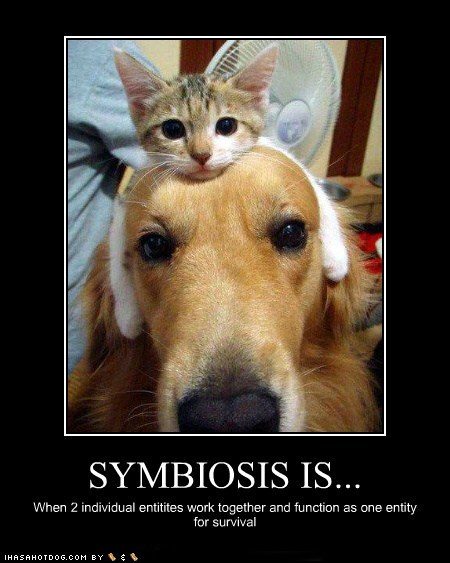
A relationship in which two species live closely together.

a)

resource

b)

mutualism

c)

succession

d)

symbiosis

32.
What type of symbiosis is this?
*
Hermit crabs find shells left by snails that have died and move in.
*
  Snails die and leave behind their shells.
a)
commensalism
b)
mutualism
c)
parasitism
d)
predation
33.
Cattle egrets forage (feed) in fields among cattle. The egret gets easy access to flying insects stirred up by the cattle, and the cattle don't care if they are there or not.
a)
mutualism
b)
commensalism
c)
competition
d)
parasitism
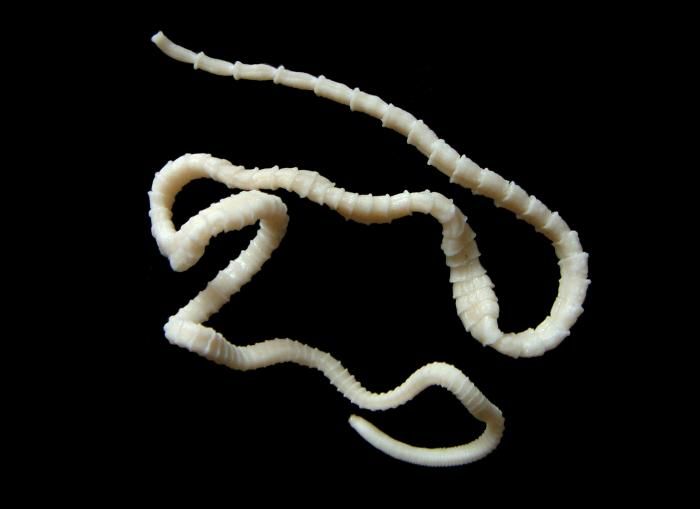
34.
A tapeworm and a cat have this type of relationship.
a)
mutualism
b)
parasitism
c)
commensalism
d)
competition
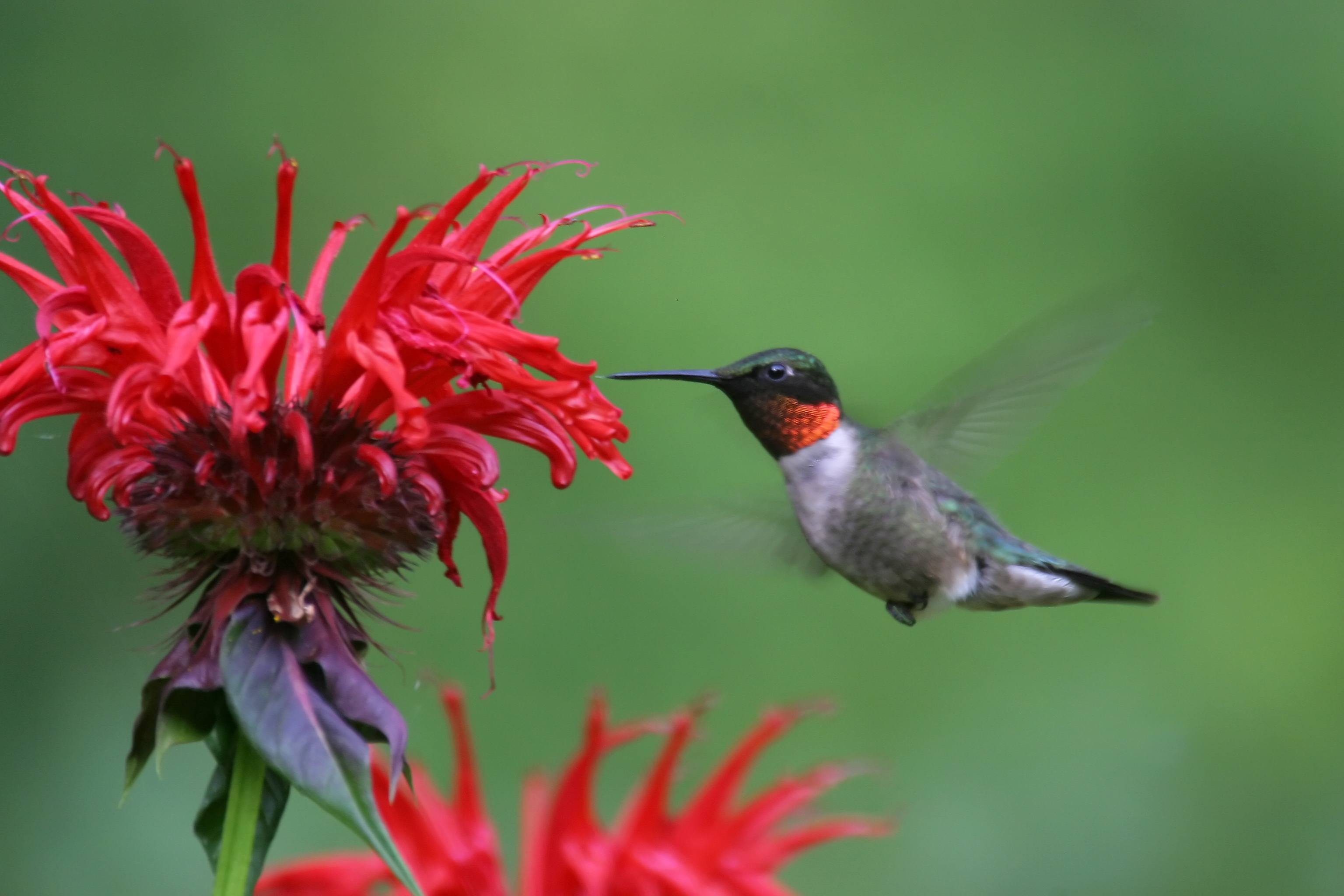
35.
What type of symbiosis?  Hummingbirds feed on nectar from flowers.  The flowers are pollinated by hummingbirds as they move from flower to flower.
a)
commensalism
b)
mutualism
c)
parasitism
d)
predation
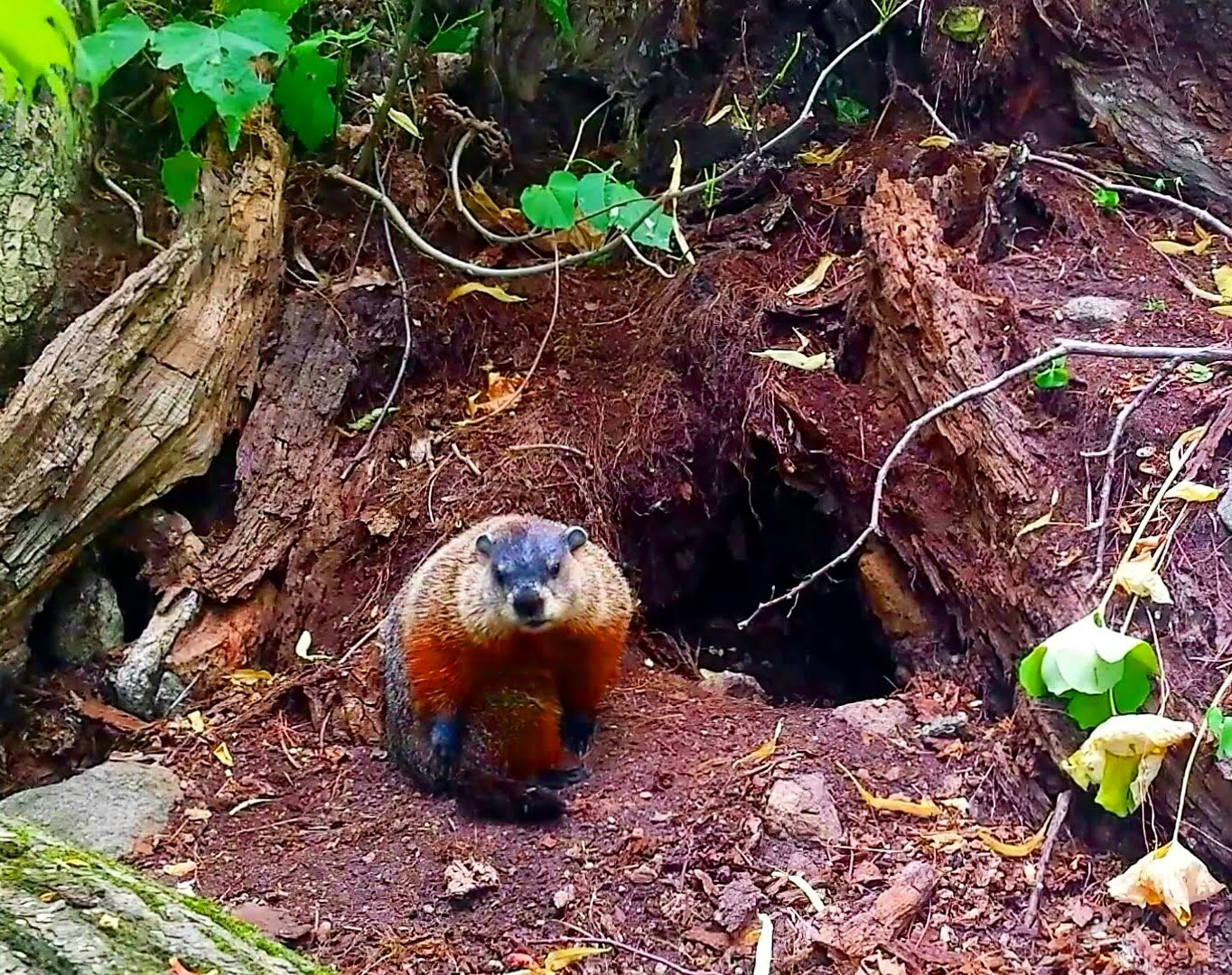
36.
What type of symbiosis?  Skunks often live in burrows that have been dug and abandoned by woodchucks.  
a)
commensalism
b)
mutualism
c)
parasitism
d)
predation
37.
Which symbols best describe parasitism?
a)
+,+
b)
+,-
c)
+,0
d)
-,0
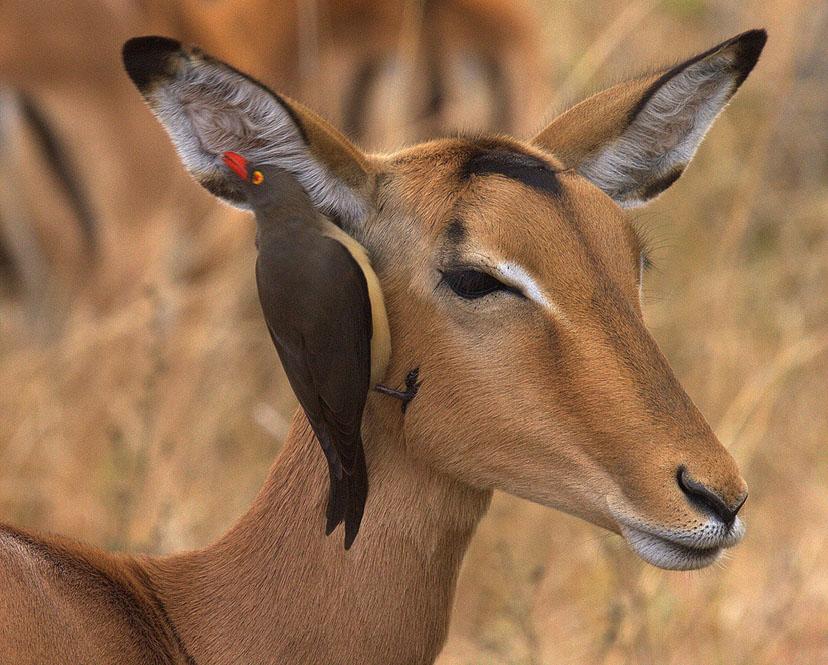
38.
Red-billed oxpeckers are birds that often feed on parasites that infest impala.  This is an example of _______.
a)
commensalism
b)
mutualism
c)
neutralism
d)
competition
39.

Aphids are tiny insects that live on and eat the leaves of plants, removing vital nutrients from the plants.

a)

Predation

b)

Parasitism

c)

Commensalism

d)

Mutualism

40.
What is the process in which plants use sunlight to create energy?
a)
Photography
b)
Pennsylvania
c)
Cholorophyll
d)
Photosynthesis
41.
All animals are...
a)
producers
b)
consumers
c)
carnivores
d)
omnivores
42.
Living things that eat other living things are called...
a)
Consumers
b)
Carnivores
c)
Omnivores
d)
Animals
43.
What do herbivores eat?
a)
Only plants
b)
plants and animals
c)
only other animals
d)
dead organisms
44.
What do carnivores eat?
a)
only plants
b)
plants and animals
c)
only other animals
d)
dead organisms
45.
What do omnivores eat?
a)
only plants
b)
plants and animals
c)
only other animals
d)
dead organisms
46.
What do decomposers eat?
a)
only plants
b)
plants and animals
c)
only other animals
d)
dead organisms
47.
Which of the following is NOT an example of a decomposer
a)
fungi
b)
hawk
c)
bacteria
d)
insects
48.
What do all food chains start with?
a)
Consumers
b)
Producers
c)
Omnivores
d)
Herbivores
49.
True or false? The amount of food available in any ecosystem is limited.
a)
true
b)
false
50.
What is a food web?
a)
a bunch of food chains
b)
one path of what eats what in an ecosystem
c)
what spiders eat
d)
how plants turn sunlight into sugar 
51.
What are fungi?
a)
really fun dudes
b)
mushrooms
c)
algae
d)
moss
52.
Which of the following is an example of a decomposer?
a)
frog
b)
butterfly
c)
millipede
d)
grasshopper
53.
With what type of consumer do herbivores compete with for food?
a)
carnivores
b)
omnivores
c)
producers
d)
decomposers
54.
How do decomposers help other living things in ecosystems?
a)
They release oxygen into the atmosphere
b)
They turn sunlight into energy
c)
They release matter and nutrients back into the soil
d)
They get rid of dead animals so they don't smell bad
55.
In this food web, the crab is an example of a...
a)
producer
b)
carnivore
c)
omnivore
d)
herbivore
56.
In this food web, the seagull is an example of a...
a)
producer
b)
carnivore
c)
omnivore
d)
herbivore
57.
In this food web, the seaweed is an example of a...
a)
producer
b)
consumer
c)
herbivore
d)
omnivore
58.
In this food web, the killer whale is an example of a...
a)
producer
b)
consumer
c)
herbivore
d)
omnivore
59.
Why are plants called producers?
a)
They make carbon dioxide
b)
They decompose
c)
They make their own food
d)
They are omnivores
60.
Which tool measures air pressure?
a)
Thermometer
b)
Barometer
c)
Wind Vane
d)
Hygrometer
61.
A rain gauge measures what?
a)
Air pressure
b)
Wind speed
wind speed
c)
Amount of rain fall
d)
Wind direction
62.
What is the name of this tool?
a)
Barometer
b)
Hygrometer
c)
Rain Gauge
d)
Thermometer
63.
Which tool measures wind speed?
a)
Anemometer
b)
Hygrometer
c)
Barometer
d)
Wind Vane
64.
The weather forecast tomorrow says there will be a 15 mph northeast wind and a high temperature of 52 degrees. What three instruments will a meteorologist use to make this prediction?
a)
anemometer, wind vane, thermometer
b)
barometer, hygrometer, wind vane
c)
thermometer, satellite image, hygrometer
d)
wind vane, satellite image, barometer
65.
This weather instrument is an...
a)
wind vane
b)
anemometer
c)
barometer
d)
thermometer
66.
This weather instrument is a...
a)
thermometer
b)
wind vane
c)
anemometer
d)
rain gauge
67.
Measures air pressure
a)
Rain Gauge
b)
Thermometer
c)
Barometer
d)
Wind Vane
68.
What instrument measures temperature?
a)
rain gauge 
b)
hydrometer
c)
thermometer 
d)
wind vane
69.
a)
barometer 
b)
anemometer 
c)
rain gauge 
d)
thermometer 
70.
What tool is used to measure wind speed? 
a)
Wind Vane
b)
Anemometer
c)
Thermometer
d)
Barometer
71.
What tool is used to determine wind direction? 
a)
Barometer
b)
Hygrometer
c)
Anemeometer
d)
Wind Vane
72.
What is the name of this weather tool and what does it measure? 
a)
Rain Gauge and the amount of water that is in the air
b)
Rain Gauge and the amount of rain that has fallen
c)
Hygrometer and the amount of rain that has fallen
d)
Hygrometer and the amount of water that is in the air
73.
What does a barometer measure? 
a)
measures high and low pressure in the air
b)
measures humidity in the air
c)
measures speed of the wind 
d)
measures the amount of rain that has fallen
74.
What does this tool measure?
a)
Wind speed
b)
Wind direction
c)
Air pressure
d)
Temperature
75.

The highest recorded temperature for Austin, Texas is 112 degrees fahrenheit.

a)

Weather

b)

Climate

76.

The average yearly rainfall in Hawaii is 78 inches.

a)

Weather

b)

Climate

77.

Every year when timmy goes to Colorado for Christmas, there is plenty of snow for skiing.

a)

Weather

b)

Climate

78.

A big blizzard in Connecticut caused power outages across the state.

a)

Weather

b)

Climate

79.

The average high temperature for Austin, Texas is 80 degrees fahrenheit.

a)

Weather

b)

Climate

80.

It is usually raining in Seattle.

a)

Weather

b)

Climate

81.

Yesterday was the hottest day of the year.

a)

Weather

b)

Climate

82.

I had to put on a sweater today because it was cold.

a)

Weather

b)

Climate

83.

In a tropical rainforest it is very humid and rains almost every day.

a)

Weather

b)

Climate

84.

Arizona is dry most of the time.

a)

Weather

b)

Climate

85.

Maria looked out her window and noticed it was a cloudy day.

a)

Weather

b)

Climate

86.

In 2005, Hurricane Katrina hit the Gulf Coast.

a)

Weather

b)

Climate

87.

The daily forecast for Charlotte, North Carolina, is partly cloudy with a 30% chance of rain.

a)

Weather

b)

Climate

88.

When looking at the precipitation in the desert over time, we noticed that the desert is very dry.

a)

Weather

b)

Climate

89.

Jenny's roof sprang a leak last week because of all the rain.

a)

Weather

b)

Climate

90.

The average low temperature for Austin, Texas is 56 degrees fahrenheit.

a)

Weather

b)

Climate

91.

Today was sunny, but tomorrow there is a 10% chance of rain.

a)

Weather

b)

Climate

92.

A typical day in Brazil would be hot and humid.

a)

Weather

b)

Climate

93.

The lowest recorded temperature for Austin, Texas is -2 degrees fahrenheit.

a)

Weather

b)

Climate

94.

It was cloudy and rainy all weekend.

a)

Weather

b)

Climate

95.
Cirrus clouds are associated with _________ weather. 
a)
rainy
b)
snowy
c)
fair
d)
stormy
96.
Cumulus clouds are associated with _________ weather. 
a)
rainy
b)
snowy
c)
fair
d)
stormy
97.
Cumulonimbus clouds are associated with _________ weather. 
a)
rainy
b)
snowy
c)
fair
d)
stormy
98.
Stratus clouds are associated with _________ weather. 
a)
rainy
b)
snowy
c)
fair
d)
cloudy
99.
_______ are wispy, feathery clouds.
a)
stratus
b)
cirrus
c)
cumulus
d)
cumulonimbus
100.
_______ look like cotton balls. 
a)
stratus
b)
cirrus
c)
cumulus
d)
cumulonimbus
101.
_______ are clouds that are found in high altitudes. 
a)
stratus
b)
cirrus
c)
cumulus
d)
cumulonimbus
102.
Clouds form in which step of the Water Cycle?
a)
Evaporation
b)
Condensation 
c)
Precipitation 
d)
Run Off
103.
Clouds form when...
a)
liquid water warms changing into water vapor. 
b)
water vapor heats up into liquid water.
c)
liquid water cools into water vapor.
d)
water vapor cools into liquid water.
104.
What cloud is this?
a)
cumulus 
b)
nimbostratus 
c)
cirrus
d)
fog
105.
What cloud is this?
a)
cumulus 
b)
stratus 
c)
cirrus
d)
cumulonimbus
106.
Nimbus is a prefix that means...
a)
fair
b)
rain
c)
sun
d)
snow
107.
What makes up clouds?
a)
Distilled water and dust
b)
Condensed Water and dust
c)
Dust and steam
d)
Ice and snow
108.

Clouds can be used to predict the weather.

a)

True

b)

False

109.

Cloud cover keeps the Earth warmer.

a)

True

b)

False

110.
What type of front brings warm and humid weather to an area?
a)
cold front
b)
warm front
c)
stationary front
d)
occluded front
111.
This event can best be identified as what?
a)
cold front
b)
warm front
c)
stationary front
d)
occluded front
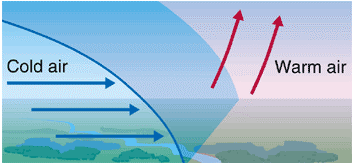
112.
A cold air mass moves underneath a warm air mass causing the warm air to rise. This  event can best be identified as — 
a)
cold front
b)
warm front
c)
stationary front
d)
occluded front
113.
A warm and dry air mass is best described as...
a)
continental tropical
b)
continental polar
c)
maritime tropical
d)
maritime polar
114.
A cool and humid air mass is best described as...
a)
continental tropical
b)
continental polar
c)
maritime tropical
d)
maritime polar
115.
This type of front brings many days of precipitation.
a)
cold front
b)
warm front
c)
stationary front
d)
occluded front
116.
a cool and dry air mass is best described as...
a)
continental tropical
b)
continental polar
c)
maritime tropical
d)
maritime polar
117.
This front may bring fog or a gentle rain.
a)
cold front
b)
warm front
c)
stationary front
d)
occluded front
118.
The boundary that forms between two air masses when they meet is called a...
a)
front
b)
storm line
c)
squall line
d)
midaltitude
119.
What type of front brings cool, cold weather to an area?
a)
cold front
b)
warm front
c)
stationary front
d)
occluded front
120.
When two unlike air masses meet, what usually keeps them separate?
a)
temperature difference
b)
moisture difference
c)
differences in density
d)
differences in pressure
121.
What would you expect from a Maritime Tropical air mass? 
a)
dry, warm air
b)
moist, cold air
c)
moist, warm air
122.
Occluded fronts include
a)
2 cold air masses and 1 warm
b)
2 warm air masses and 1 cold
123.
Which type of weather is associated with a cold front?
a)
heavy rain, snow, thunderstorms, and snow for short periods of time 
b)
Steady, light rain or snow can occur for longer periods of time 
124.
what is an air mass?
a)
a large body of air that is made of the same temperature and moisuture
b)
when two air masses meet 
125.
In order for a hurricane to form, the water must be ________.
a)
Cool
b)
Warm
c)
Cold
d)
Hot
126.

How does a storm pick up more moisture?

a)

It doesn't; the storm already has what it will hold.

b)

By moving over rivers.

c)

By moving over large bodies of water like a lake.

d)

Pools and river give storms more moisture.

127.
Blizzards are more common in _____.
a)
Rainy seasons
b)
Winter
c)
Spring
d)
Summer
128.

What is a characteristic of a Tornado

a)

No wind

b)

Flying cars

c)

Strong rain and winds

129.

A ________________ is an intense storm with strong winds, heavy rain, lightning, and thunder.

a)

tornado

b)

hurricane

c)

thunderstorm

130.

A _____________ is a large, rotating low-pressure system that forms over the warm waters of oceans near the equator.

a)

tornado

b)

hurricane

c)

thunderstorm

d)

flooding

131.

Most hurricanes

a)

cannot be seen from space

b)

cross exposed land

c)

become dangerous category 5 storms

d)

lose their power when they move into cooler waters or moves over land

132.

The calm area in the center of a hurricane is called the _____.

a)

draft

b)

funnel

c)

eye

d)

squall

133.

A tornado is a tropical storm with winds speeds reaching more than 119 km/h

a)

True

b)

False

134.

A rotating funnel-shaped cloud with winds that blow up to 500 km/h is called a tornado.

a)

True

b)

False

135.

Lightning is the discharge of static electricity inside or between thunderclouds.

a)

True

b)

False

136.

A tropical storm has rotating winds with a high pressure area at its center.

a)

True

b)

False

137.

How does a tornado form?

a)

A levee or a dam failure, A sudden release of water from an ice jam, A few minutes or hours of heavy rain

b)

Tornadoes form when a thunderstorm meets a horizontal winds at a high altitude. These winds cause the warm air rising in the thunderstorm to spin

c)

Tornadoes form when air cools and rises, water vapor condenses, heat is released and allows tornadoes to grow

d)

they begin as a group of thunderstorms and then by the equator they turn into a violent low-pressure storm

138.

Thunderstorm clouds are known as _____.

a)

cirrus clouds

b)

stratus clouds

c)

cumulonimbus clouds

d)

cumulus clouds

139.

Where in the US do you think a blizzard is least likely to form?

a)

Alaska

b)

Russia

c)

Golf Coast and the coast of California.

d)

Utah

140.

What is one example of how a blizzard can be dangerous

a)

roads can be slippery and icy

b)

It can get really hot

c)

There are no dangers

141.

How can a flash flood form?

a)

air temperature must be below freezing

b)

when a thunderstorm meets horizontal winds at a high altitude

c)

warm air rising

d)

A few minutes or hours of heavy rain

142.

What is a storm surge?

a)

The middle of a hurricane

b)

wind changing

c)

a rising of the sea as a result of atmospheric pressure changes and wind associated with a storm.

d)

nothing

143.

A blizzard that occurs when snow is now longer falling is called a ground blizzard.

a)

True

b)

False

144.

What destroys a hurricane?

a)

Warm Water

b)

Movement over land

c)

None of the above

d)

All of the above

145.

How can people stay safe during a tornado

a)

Tell your mom you love her and freak out

b)

Get in your car and drive to your grandma's

c)

Go outside and look, because it's North Carolina

d)

go into a basement or sturdy building away from windows with food and water

146.
What kind of precipitation is formed when water falls from the clouds and lands on the ground as liquid water?
a)
Hail
b)
Sleet
c)
Rain
d)
Snow
147.
For snow to fall, the air temperature must be what?
a)
Above 0 degrees celsius
b)
Below 0 degrees celsius
c)
Freezing
d)
Warmer at the ground than high in the air
148.
True or False: Hail is formed by water falling from a cloud and freezing on the way to the ground.
a)
True
b)
False
149.
How is sleet formed?
a)
Snowflakes fall, go through an area of cold air and turns into sleet before hitting the ground
b)
Rain falls, freezes in an area of cold air above the ground to make sleet
c)
Snowflakes fall and are melted a bit by warm air near the ground
d)
Sleet is not real
150.
True or False: Hail is formed in the cloud and then falls to the ground.
a)
True
b)
False
151.
Hail can usually only happen in which season?
a)
Winter
b)
Spring
c)
Summer
d)
Fall
152.
The most common form of precipitation in the summer is...
a)
Rain
b)
Snow
c)
Sleet
d)
Hail
153.
Snow is most common is which season?
a)
Summer
b)
Winter
c)
Fall
d)
Spring
154.
Precipitation MUST start from where?
a)
Sky
b)
Clouds
c)
Sun
d)
Ground
155.
If snowflakes fall from the sky, pass through an area of warm air, melt and fall to the ground as a liquid, what kind of precipitation is it?
a)
Snow
b)
Rain
c)
Sleet
d)
Hail
156.
Winds are moving air.
a)
True
b)
False
157.
Air moves because of differences in temperature and pressure.
a)
True
b)
False
158.
The smaller the differences, the stronger the wind will be.
a)
True
b)
False
159.
If there were no winds, the North Pole would be too cold for animals to live there.
a)
True
b)
False
160.
Warm air sinks, and cold air rises.
a)
True
b)
False
161.
The Coriolis Effect explains why winds don’t blow north to south.
a)
True
b)
False
162.
Because of the Coriolis Effect, air is turned toward the left in the Northern Hemisphere.
a)
True
b)
False
163.
Warm air rises at the Equator. 
a)
True
b)
False
164.
Air sinks at 30, 60, and 90 degrees (the poles) latitude.
a)
True
b)
False
165.
Winds are named for the direction they are blowing toward. 
a)
True
b)
False
166.

What type of large scale winds blow constantly, predictably, and over long distances?

a)

land breezes

b)

mountain breezes

c)

global winds

d)

land breezes

167.
Where does the initial source of energy come from that creates winds?
a)
the moon
b)
the sun
c)
the Earth's surface
d)
the rotation of the Earth
168.

What is the initial source for global winds and convection in the atmosphere?

a)

heat from the Earth's core

b)

the rotation of the Earth

c)

Moon's gravity

d)

unequal heating of the Earth by the sun

169.

The Coriolis effect causes ___________.

a)

the Earth to rotate on its axis

b)

earthquakes

c)

global winds to move in a curved path instead of a straight line

d)

the Earth to revolve around the sun

170.
Which diagram shows the formation of a land breeze?
a)
diagram Y
b)
diagram X
c)
neither 
d)
both
171.
Which diagram shows the formation of a sea breeze?
a)
diagram Y
b)
diagram X
c)
neither
d)
both
172.

In which direction do the westerlies flow?

a)

from east to west

b)

from west to east

c)

from north to south

d)

from south to north

173.
Which global winds are found at the poles? 
a)
Polar Westerlies
b)
Prevailing Easterlies
c)
Polar Easterlies
d)
Trade Winds
174.

The tropical winds running that blow from east to west near the Equator are called the

a)

subtropical westerlies

b)

polar westerlies

c)

trade winds

d)

polar winds

175.

Warm, rising air near the equator creates an area of very little wind called the:

a)

Doldrums

b)

Trade Winds

c)

Polar Easterlies

d)

Westerlies

176.
Which global wind belt is found at letter A?
a)
Polar Easterlies 
b)
Prevailing Westerlies 
c)
Tradewinds
d)
Doldrums 
177.
Which global wind belt is found at letter B?
a)
Polar Easterlies
b)
Prevailing Westerlies 
c)
Doldrums
d)
Tradewinds 
178.
What type of global wind is found at letter D?
a)
Doldrums
b)
Prevailing Westerlies 
c)
Polar Easterlies 
d)
Tradewinds 
179.

What is found at letter E?

a)

Horse Latitudes

b)

Prevailing Westerlies

c)

Doldrums

d)

Tradewinds

180.
Warm air rises and the cool air sinks demonstrates this type of heat transfer. 
a)
conduction
b)
convection
c)
radiation
d)
Insolation 
181.
Near the ceiling of a room the air is warmer; the warm air rises because of
a)
conduction
b)
convection
c)
radiation
182.
A huge rock at the state park gets hot during the day. The rock was warmed from the Sun by
a)
conduction
b)
convection
c)
radiation
183.
The transfer of heat by currents through liquids of gases is called
a)
Perspiration
b)
Radiation
c)
Conduction
d)
Convection
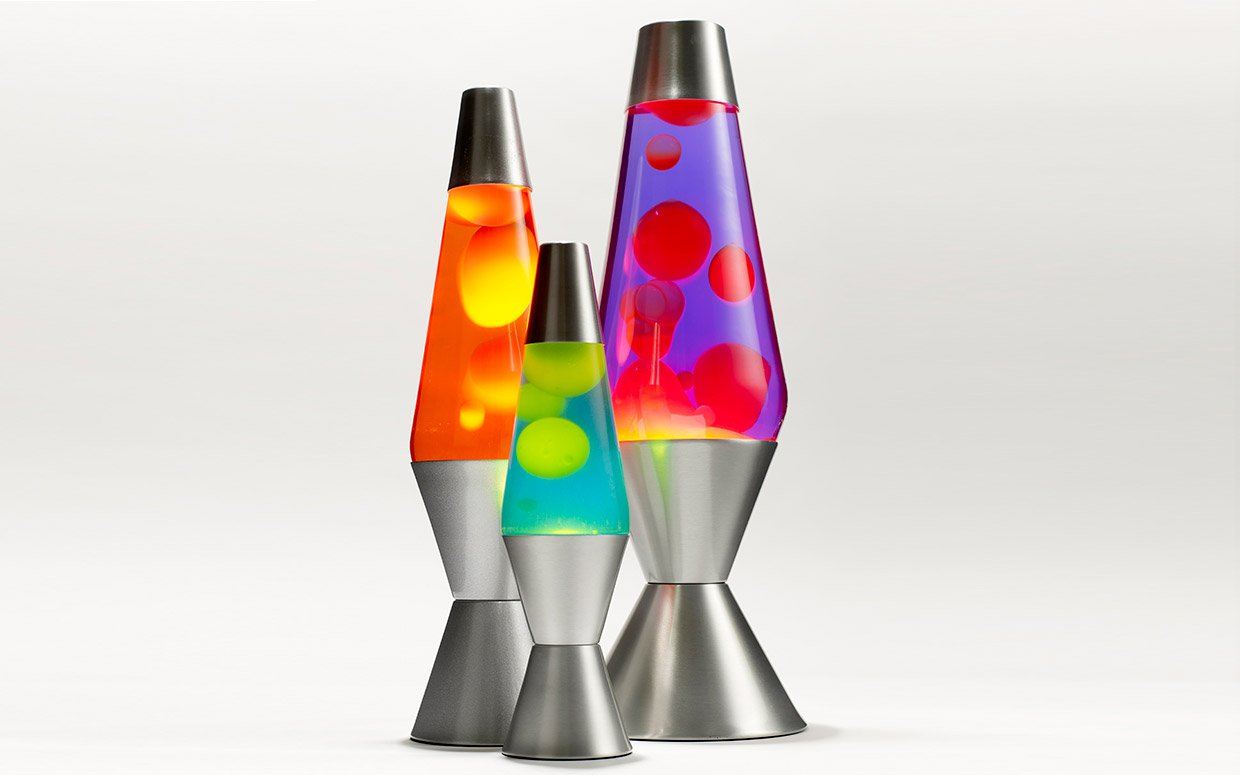
184.
This is a lava lamp. When the light bulb heats the wax, the wax rises. When the wax cools, it falls. This cycle of rising/falling is an example of:
a)
Conduction.
b)
Convection.
c)
Radiation.
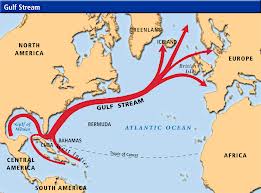
185.
The Gulf Stream is a current that brings warm ocean water from the south to the north. What type of heat transfer is this?
a)
conduction
b)
convection
c)
radiation
d)
Insolation 
186.
What kind of heat transfer happens when the sun heats your body?
a)
Conduction
b)
Radiation
c)
Convection
d)
Density
187.
Warm air rises and the cool air sinks demonstrates this type of heat transfer. 
a)
conduction
b)
convection
c)
radiation
d)
Insolation 
188.
When you iron a shirt, the shirt gets warm.  This type of heat transfer is an example of
a)
condensation
b)
conduction
c)
convection
d)
radiation
189.
Warm air is __________ dense than cold air and rises creating convection currents.
a)
more
b)
less
190.
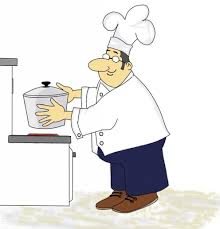
The man takes the hot pot off the stove with his bare hands and his hands get burned.  This is an example of 
a)
conduction
b)
convection
c)
radiation
191.
What is the definition of CONDUCTION?
a)
When heat is transferred from objects like rays of light or electromagnetically.
b)
a  hot liquid or air that  expands, becomes less dense, and rises or becomes more dense, and sinks.
c)
When heat transfers from objects that are touching.
d)
When heat transfers through the heater or AC in your house.
192.
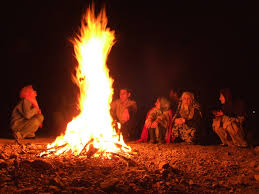
A group of friends gather around a fire to stay warm.  This is an example of
a)
conduction
b)
convection
c)
radiation
193.
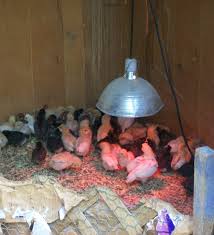
The baby chickens are kept warm from the heat lamps. This demonstrates what kind of heat transfer? 
a)
conduction
b)
convection
c)
radiation
194.
A metal spoon heated by hot soup.  This is an example of
a)
Conduction
b)
Transpiration
c)
Convection
d)
Radiation
195.
"Lava lamps" contain colored liquids. These liquids form globs that rise to the top due to
a)
conduction
b)
convection
c)
radiation
196.
You lay on a hot rock and keep warm from the rock by
a)
conduction
b)
convection
c)
radiation
197.
A crayon placed on a dark driveway in bright sunlight melted into a colorful puddle. What caused the crayon to melt?
a)
Solar radiation heated the driveway and then heat transferred to the crayon by conduction.
b)
Solar radiation heated the driveway and then heat transferred to the crayon by radiation.
c)
Solar convection heated the driveway and then heat transferred to the crayon by radiation.
d)
Solar convection heated the driveway and then heat transferred to the crayon by conduction.
198.
Which statement is true?
a)
The quicker a molecule moves, the colder it is.
b)
The slower a molecule moves, the warmer it is.
c)
The quicker a molecule moves, the warmer it is
d)
The movement of a molecule doesn't affect its temperature
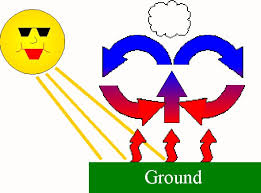
199.
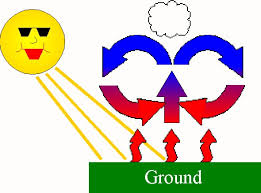
The picture shows heat transfer by
a)
Conduction
b)
Convection
c)
Radiation
200.
Cold air sinks.  True or false? 
a)
true
b)
false