
 Worksheets
Sponges, Cnidarians, and Ctenophores
Total questions: 28
Worksheet time: 17mins
What is the name of the phylum sponges belong to?
Cnidaria
Arthropoda
Echinodermata
Porifera
___________ are tiny hard particles that give a sponge support and can provide protection if they are made out of calcium carbonate or silica glass.
spongin
bones
buds
spicules

How do sponges obtain food?
filter it from the water
grasp it with tentacles
pry it apart with tube feet
put it in their mouth with jointed legs
What is true about sponges?
They have organs
They have tissues
They have a backbone
They are animals
The cells inside the sponge that have flagella (and absorb food) are called...
Collar cells
Flagella
Osculum
Pores
Which one is NOT true about sponges?
They are multicellular
They are autotrophs
They are eukaryotes
They are the simplest animals on Earth

True/False: Sponges reproduce by both sexual and asexual reproduction.
True
False

Cells that create spicules, transport nutrients and oxygen, and can transform into other cell types
amoebocyte
porocyte
pinacocyte
ostiocyte
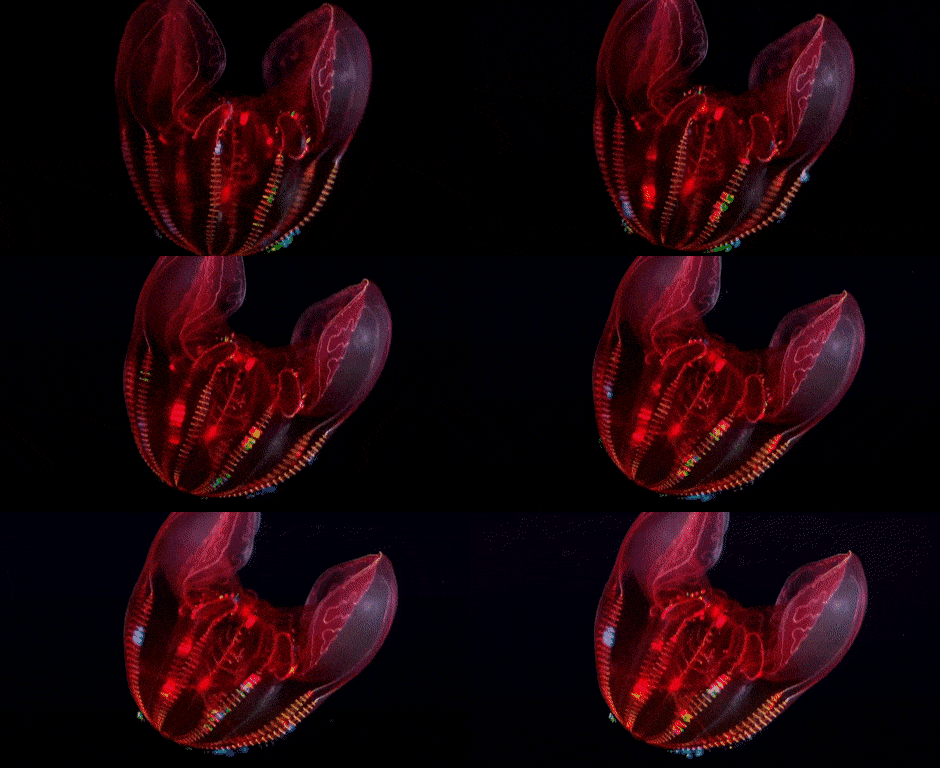
What trait gives jellies in the Phylum Ctenophora their common name?
Box shape
Combs
Tentacles
Polyps
Which of the following is NOT a class of cnidarians?
Ctenophora
Anthozoa
Scyphozoa
Cubozoa
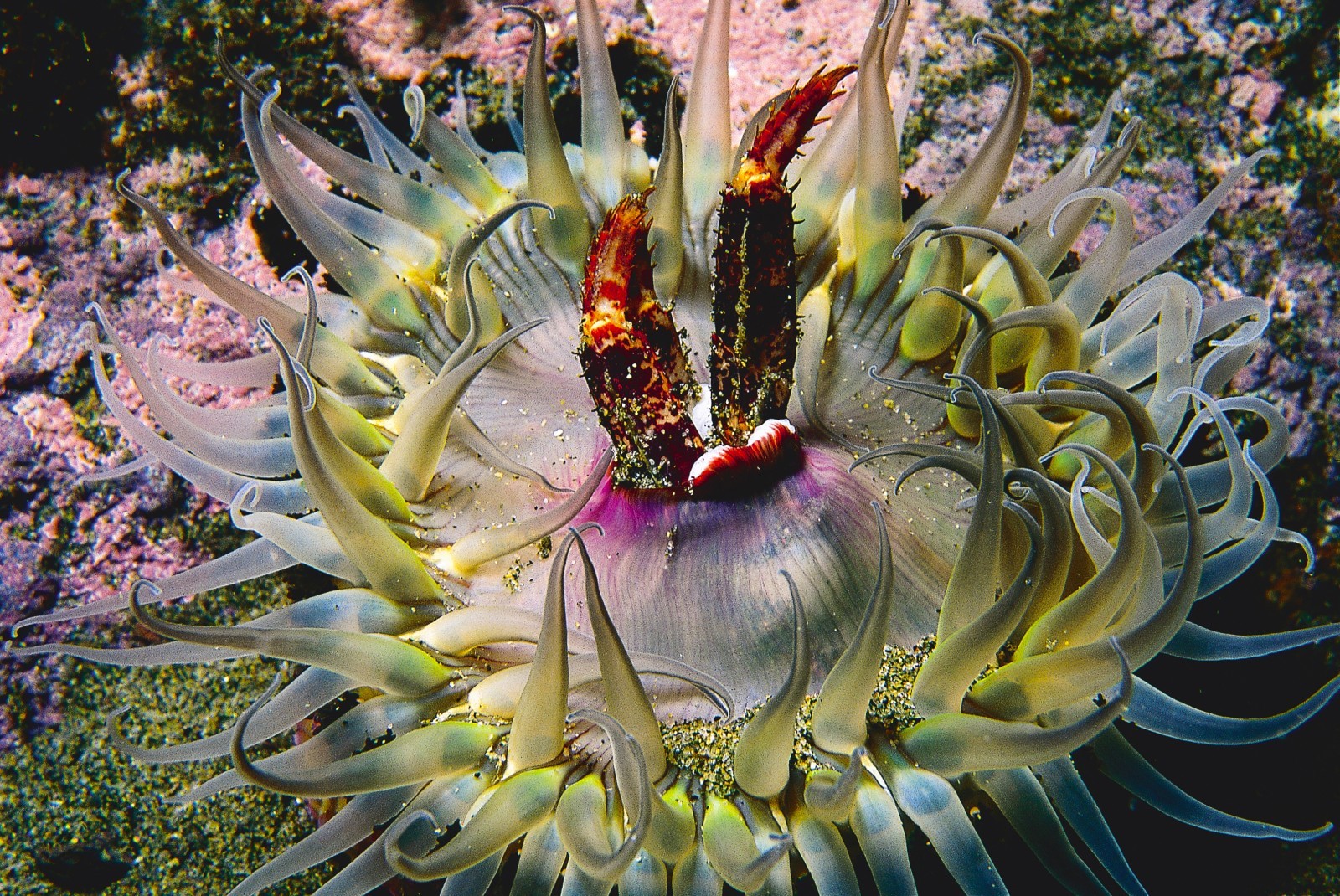
When a Cnidarian catches prey, it uses stinging cells called...
Colloblasts
Stingers
Cnidocytes
Blastoscytes
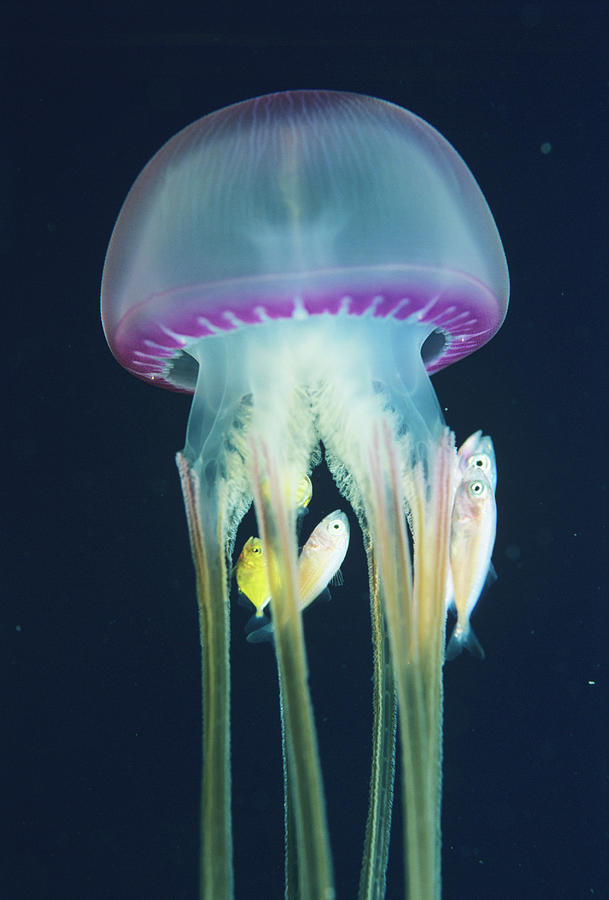
After a cnidarian has stung it's prey, it uses it's tentacles to pull the food into the hollow space inside of it's body. This space is called the...
Mesoglea
Mesoderm
Gastrovascular Cavity
Stomach
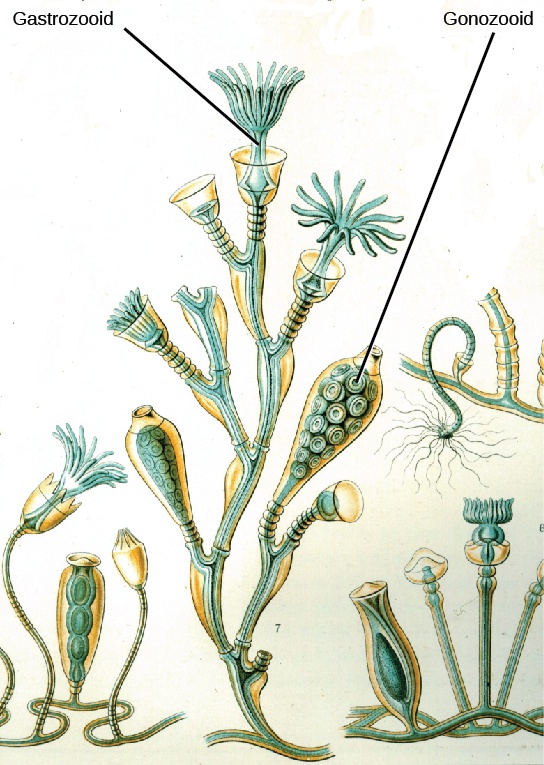
Which of the following is a correct description of the polyp body form?
It's mostly sessile and the tentacles point downward.
It's mostly sessile and the tentacles point upward.
It's mostly mobile and the tentacles point downward.
It's mostly mobile and the tentacles point upward.
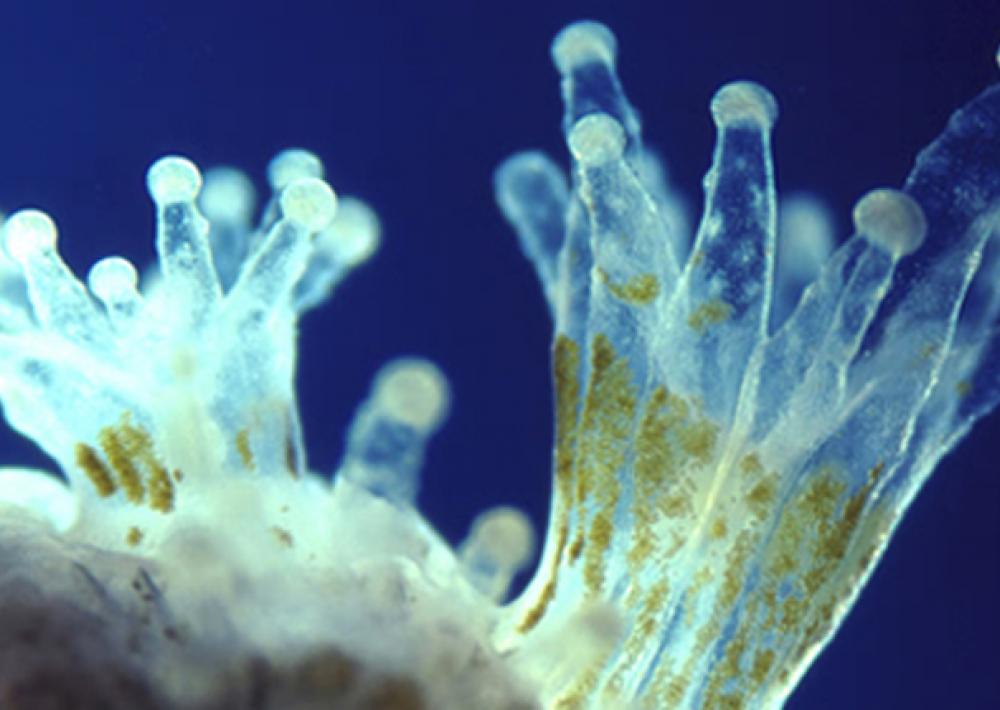
Which group of Cnidarians have a symbiosis with algae?
anemones
corals
jellyfish
comb jellies

What surrounds the mouth of cnidarians?
arms
combs
tentacles
spines

_____ are box-shaped medusa.
Anthozoans
Scyphozoans
Cubozoans
Hydrozoans
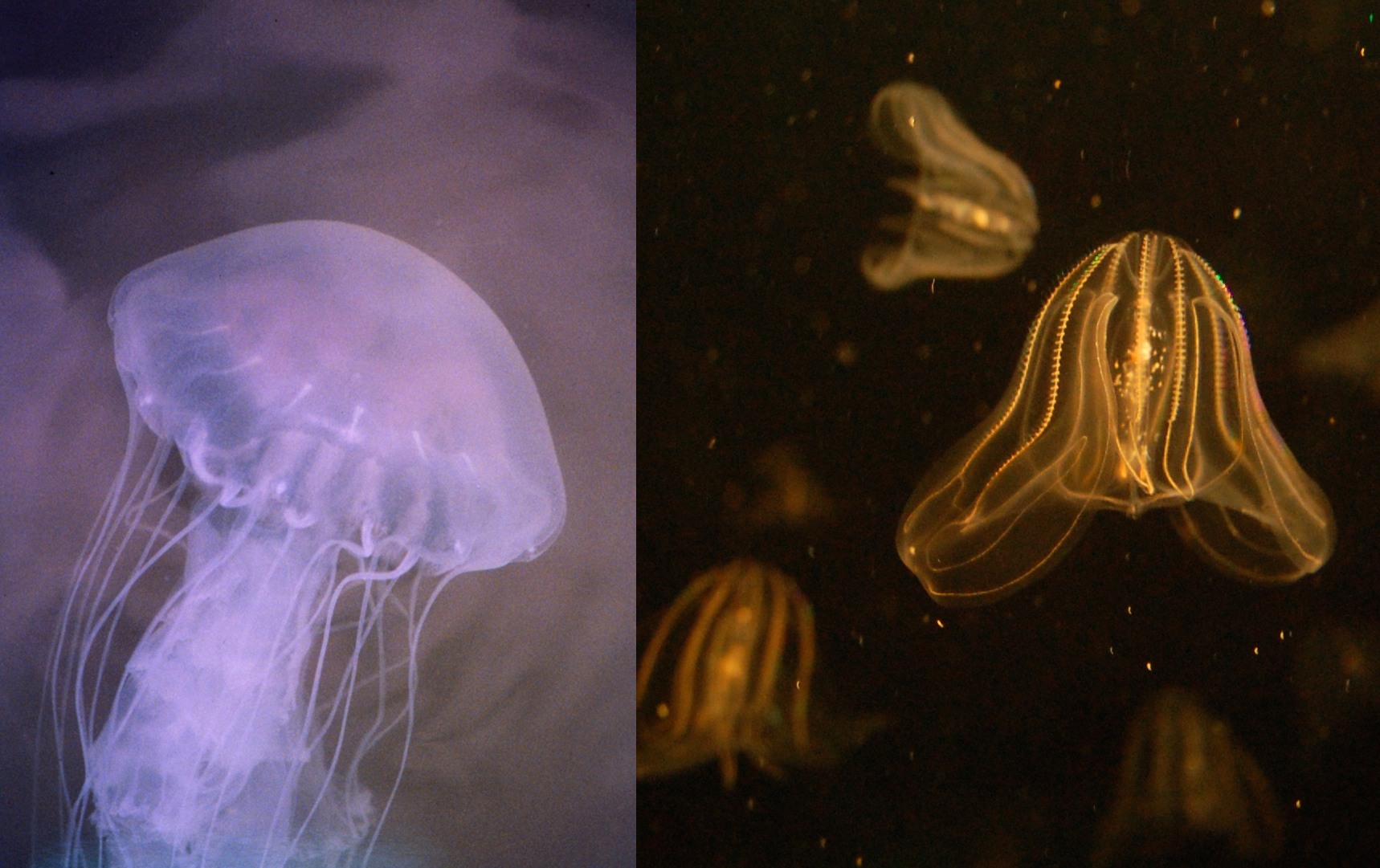
What is a defining characteristic between a cnidarian and a ctenophore?
Ctenophores are freshwater and cnidarians are marine
cnidarians have stinging cells and ctenophores don't
ctenophores have stinging cells and cnidarians don't
ctenophore is another name for cnidarian

What is the "jelly" found in jellyfish that help them float easily?
Mesoglea
Grape
Cellulose
Melanin
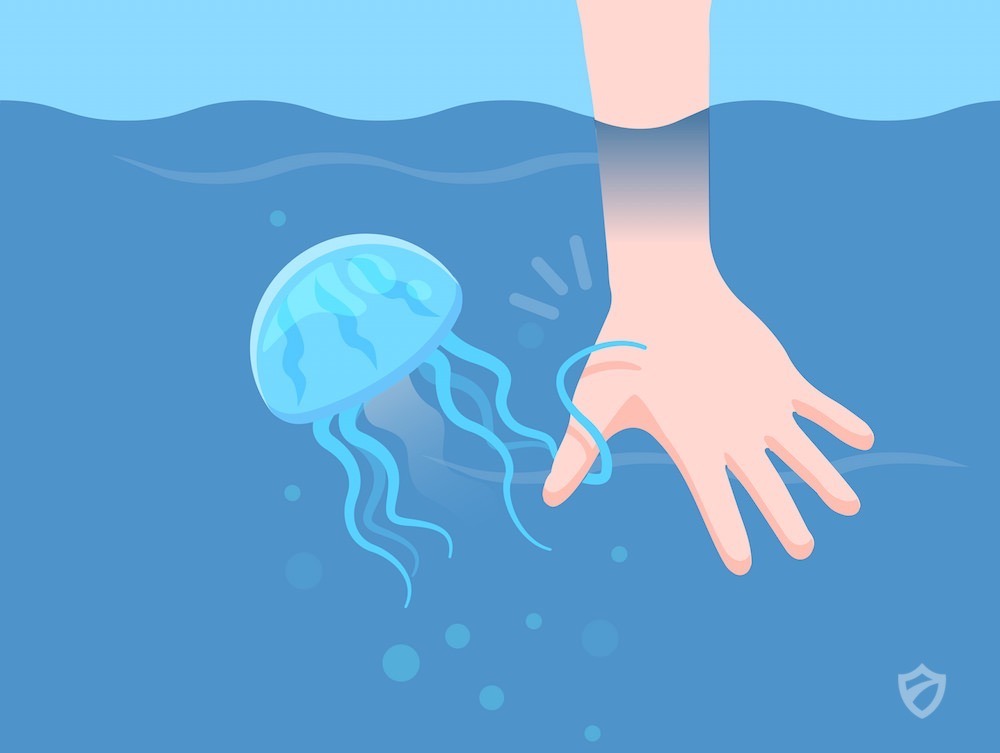
If you are stung by a jellyfish, what are the TWO treatments you can use to relieve the sting?
freshwater on the sting
urine on the sting
vinegar on the sting
saltwater on the sting
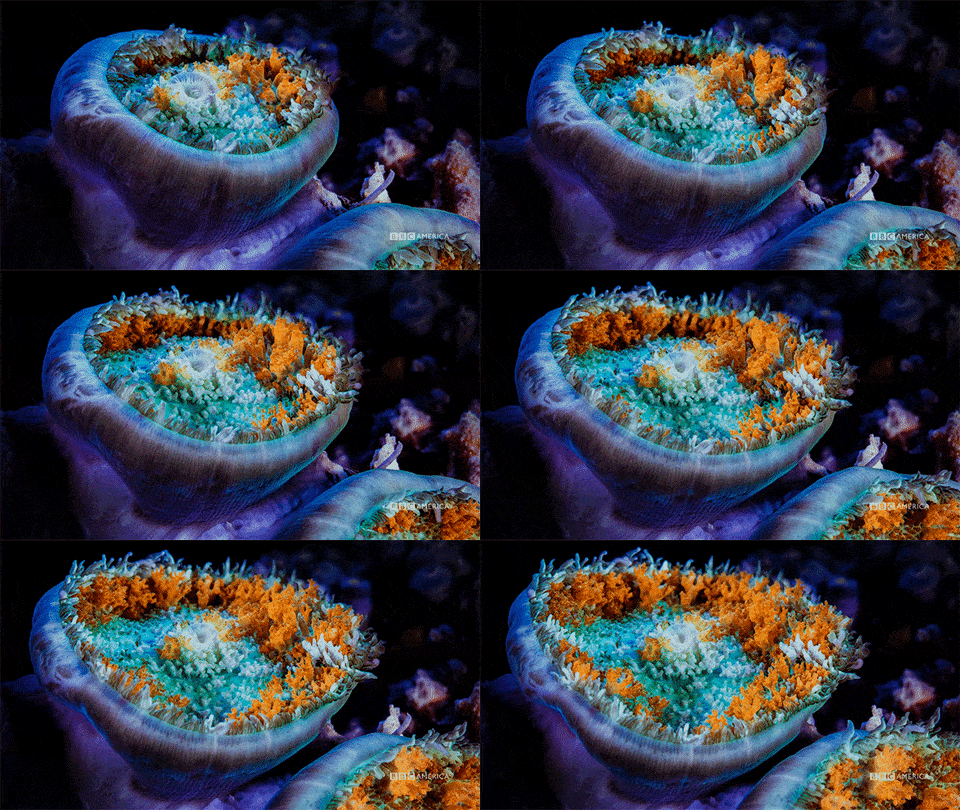
The _____ enables cnidarians to respond to stimuli in their environment and send electrical impulses to the muscles.
nerve net
brain
peripheral nerves
nerve cord
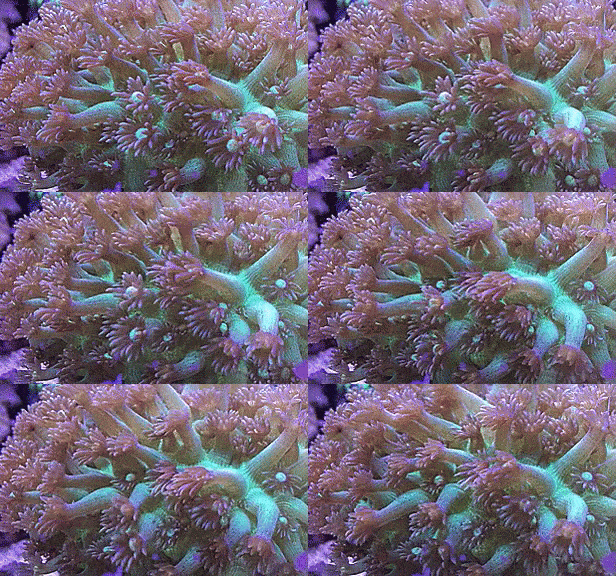
Which of these are typically colonial?
corals
jellyfish
hydras
anemones
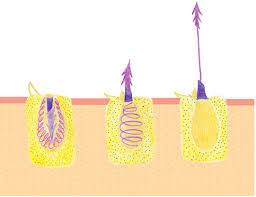
What are the organelles inside the stinging cells that inject paralyzing toxins into their prey?
pinacocytes
lysomatocyts
choanocytes
nematocysts
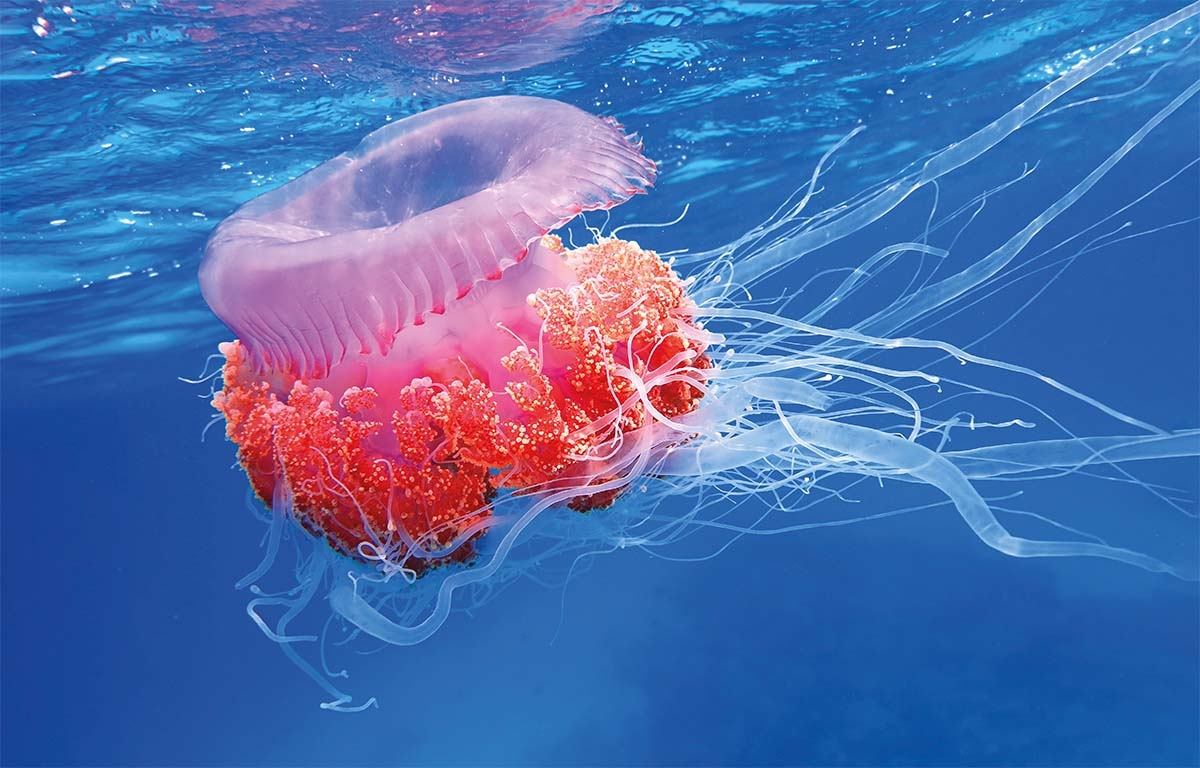
How many tissue layers do Cnidarians feature?
1 - monoblastic
2 - diploblastic
3 - triploblastic
depends on the species

True jellies belong to the class _______.
Staurozoa
Anthozoa
Cubozoa
Scyphozoa

What is this organism? What Class does it belong to?
jellyfish:scyphozoa
Portuguese man-of-war:hydrozoa
hydra:hydrozoa
coral:anthozoa

