
 Worksheets
4th grade weathering, erosion, and deposition
Total questions: 55
Worksheet time: 50mins
The BREAKING DOWN into small pieces of rock or sand
deposition
erosion
weathering
The MOVEMENT of small pieces of rock or sand
deposition
erosion
weathering
The PILING UP or GATHERING of small pieces of rock or sand.
deposition
erosion
weathering
Weathering, erosion, and deposition happen _____________.
very quickly
very slowly
When glaciers melted, what did they create?
mountains
the sky
birds
lakes, rivers, and ponds

This picture is an example of what?
a mountain
a sand dune
snow
glacier
Water freezing in a crack, melting, and refreezing again is an example of ____________?
weathering
erosion
deposition
True or False: Acid rain is rain that has chemicals that can weather and erode rocks.
True
False
True or False: The Earth's surface is exactly the same today as it was 100 years ago?
True
False
Which picture shows the Grand Canyon?


Which picture shows a valley?


Which of these can cause weathering?
water
wind
ice
all of them
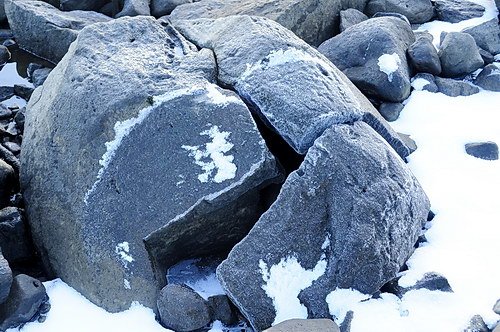
How does freezing water cause the weathering of rocks? The freezing water—
keeps the rocks in place.
makes the rocks last longer.
expands cracks and breaks rocks.
causes rocks to fall in landslides.
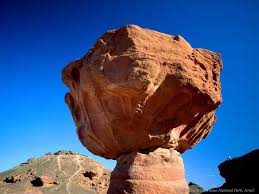
The process that breaks down rocks and other materials on Earth's surface is called
Weathering
Erosion
Deposition
Decomposition

Over long periods of time, deposition may change the Earth’s surface by _____.
forming new land features.
breaking down large rocks into smaller ones.
washing away beaches.
moving topsoil.

A cliff formed near the ocean. Which statement best describes how this cliff formed?
Warm air melted the rock.
Sun rays evaporated the rock.
Ocean waves washed away rock.
Plant roots pushed away the rock.


What causes the greatest erosion effect on our beaches?
Waves
Gravity
Glaciers
Wind

What is an enormous mass of ice moving over land, causing weathering of rock and soil?
A glacier
An iceberg
An ice wedge
A sand dune
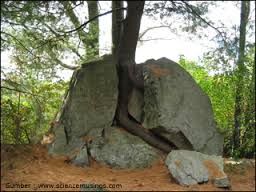
How do plants weather rocks?
During photosynthesis
When roots grow into cracks of rocks and expand the rock breaks.
When the plant moves water from the roots to the leaves, the rock breaks.
Plants don't weather rocks.
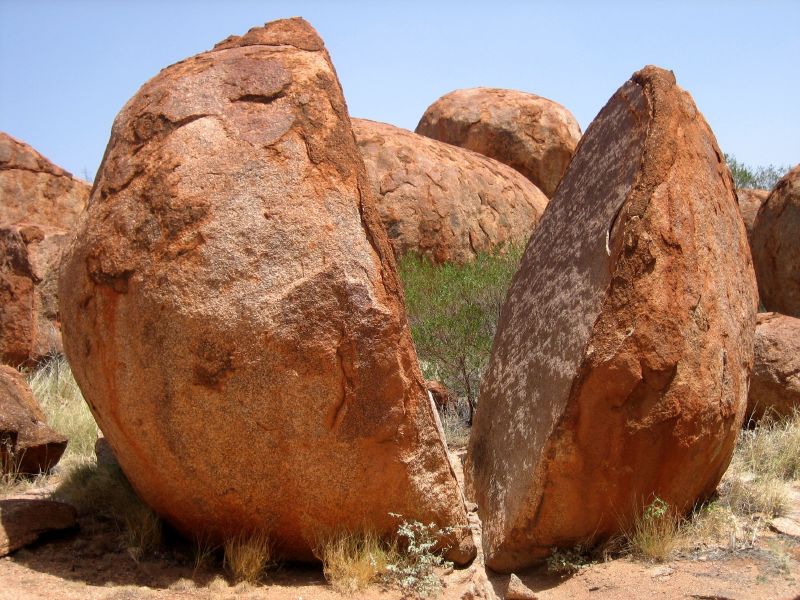
What is the wearing away or breaking down of rocks called?
Deposition
Erosion
Glaciers
Weathering

Which of the following is NOT a slow change to Earth's surface?
Weathering
Erosion
Deposition
Landslides
A delta is formed by the action of -
weathering
erosion
deposition
condensation


A farmer's topsoil is blown away during a hurricane is an example of ___________.
weathering
erosion
deposition

Rocks being picked up and carried downstream is an example of ____________.
weathering
erosion
deposition
Wind blasting sand at rock and carving out arches
weathering
erosion
deposition
Glaciers dropping rock and sand to form terminal moraines
weathering
erosion
deposition
True or false?
Coal is a nonrenewable resource.
True
False


Why is water a renewable resource?
It can be frozen into ice.
It evaporates into air.
It is constantly replaced.
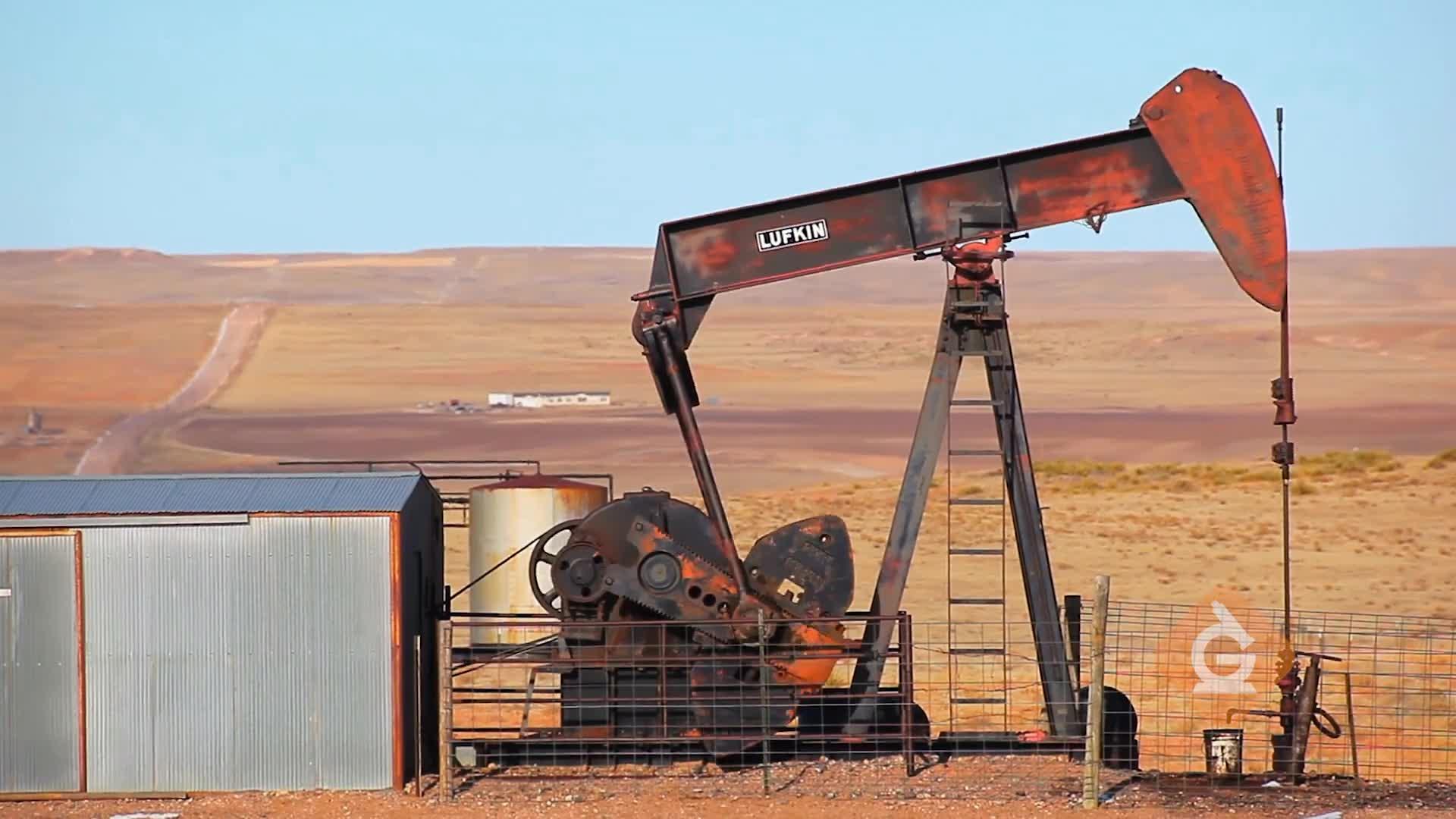
Which are ways we use fossil fuels?
eating and drinking
arts and crafts
paper and building
cars and heat
Geothermal energy uses heat from ____ to produce electricity.
the earth
coal
oil
natural gas
Uranium atoms are split to create a tremendous amount of energy in a _____ power plant.
biomass
geothermal
nuclear
hydroelectric
What type of power plant uses scraps from farming and waste products to generate electricity?
Hydroelectric Power Plant
Geothermal Power Plant
Biomass Power Plant
Nuclear Power Plant
Why do we tend to use non-renewable resources instead of renewable resources?
Less Expensive
More Energy
All of these
What is a disadvantage of using non-renewable resources?
They have a large carbon footprint.
They can all be used up over time.
They can lead to global warming.
All of these.
Which of the following can be a disadvantage of renewable resources?
They can be intermittent (only available at certain times or in certain places).
They release a lot of CO2 and have a large carbon footprint.
They are renewable and will always be available.
Renewable resources have no disadvantages.

