wayground logo

Free Printable Worksheets

Font size

S
M
L
XL
Worksheets

Renewable and non renewable resources

Total questions: 120

Worksheet time: 1hrs 9mins

Name
Class
Date
1.

What is a resource?

a)

can be defined as any material or product that we can find useful

b)

can be defined as an specific material that works on an specific activity

c)

can be defined as all the material that can provide energy

2.

Natural resources are...

a)

materials that we produce

b)

materials that we take from the environment

c)

all the scenery that we can see

3.

Physical resources include...

a)

scenery and any raw materials

b)

landscape and water

c)

landscape

4.

Resources can be divided into two groups..,,

a)

Non renewable resources

b)

Renewable resources

c)

Natural resources

d)

Raw materials

5.

Which is the main difference between the two groups of resources?

a)

The amount of time you can use the resources

b)

The location where you can find them

c)

The difference in the amount of resources in both groups

6.

Which is the main reason for the use of resources?

a)

To get energy

b)

For electricity

c)

To get heat

7.

Some of the reasons to extract non renewable resources and use it as energy can be

a)

non renewable resources are easy to find

b)

non renewable resources are cheap

c)

non renewable resources are expensive

d)

some non renewable resources are easy to extract

8.

Nuclear energy uses a mineral called ..... to produce electricity

a)

Uranium

b)

Titanium

c)

Palladium

9.

In this topic were we are describing non renewable resources, coal and wood are the same type of resource because coal is burned wood.

a)

True

b)

False

10.

Water and soil are renewable resources if they are not misused by people

a)

True

b)

False

11.

Which of the following is NOT a fossil fuel ?

a)

Wave

b)

Oil

c)

Gas

d)

Coal

12.

Which of the following is NOT a fossil fuel ?

a)

Wave

b)

Oil

c)

Gas

d)

Coal

13.

Wind can create energy by turning on ...

a)

a wind machine

b)

windmills

c)

a turbine

d)

a fan

14.

Water can produce two types of energy which are...

a)

Wave energy

b)

Tidal energy

c)

Rain energy

d)

Drops energy

15.

Geothermal energy uses...

a)

heat from inside the earth

b)

heat from the sun

c)

heat from animals

d)

heat from plants

16.

There is one resource that can be renewable and non renewable at the same time. Choose the resource.

a)

Wood

b)

Water

c)

Sun

d)

Oil

17.

To create tidal energy we need to build a...

a)

Dam

b)

Fort

c)

Wall

18.

To create tidal energy we need to build a...

a)

Dam

b)

Fort

c)

Wall

19.

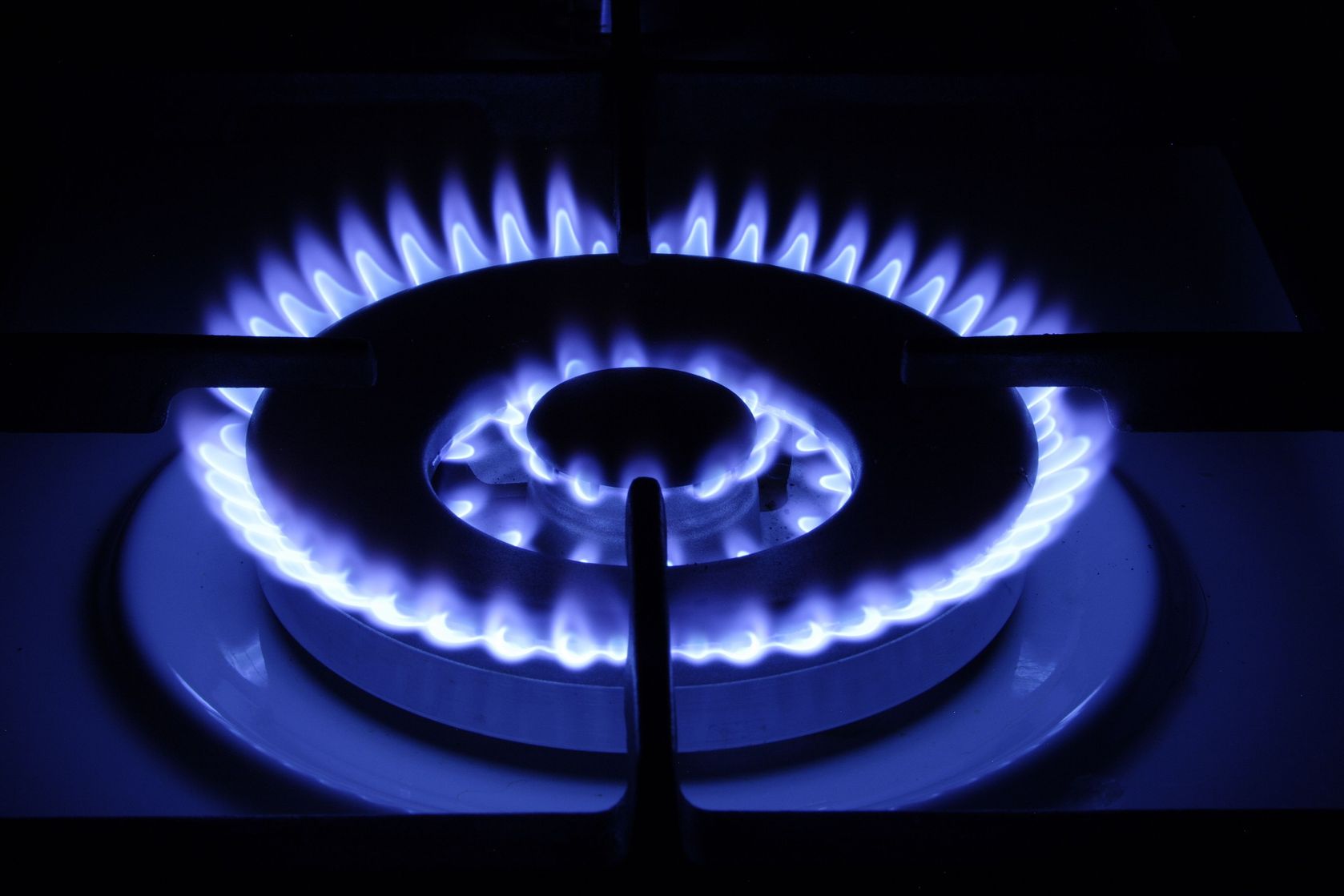
Non renewable resources are cheaper but can cause more ...

(a)  
20.
Fossil fuels are Renewable resources. True or False?
a)
True
b)
False
21.

What is a natural resource?

a)

Material from the Earth that people use for their needs.

b)

A place hidden in the mountains.

c)

An object made from natural things.

22.

__________ is an energy resource that WILL run out in the next several hundred years.

a)

Renewable Energy Resource

b)

Non-renewable Energy Resource

23.

Which of the following is a non-renewable resource?

a)

Water

b)

Sun

c)

Coal

d)

Win

24.

What are the 3 fossil fuels?

a)

coal, oil, uranium

b)

coal, hydroelectric, oil

c)

natural gas, oil, coal

25.

Coal is a __________ energy resource.

a)

Renewable

b)

Non-renewable

26.

Natural Gas is a __________ energy resource.

a)

Renewable

b)

Non-renewable

27.

Oil is a __________ energy resource.

a)

Renewable

b)

Non-renewable

28.

Which of the following is a non-renewable resource?

a)

Water

b)

Wood

c)

Oil

29.

Fossil Fuel are?

a)

A group of energy resources that were formed from ancient plants and organisms

b)

A group of dinosaur fossils

c)

A type of gas used for planes

30.

Uranium atoms are split to create a tremendous amount of heat in a _____ power plant.

a)

biomass

b)

geothermal

c)

nuclear

d)

hydroelectric

31.
Heat produced from magma within the earth.
a)
solar
b)
biofuel
c)
hydroelectric
d)
geothermal
32.
Do renewable energy sources run out?
a)
Yes 
b)
No
33.
What is a renewable resource?
a)
A resource you can reuse
b)
An object you cannot replace
c)
Fossil fuels
d)
polluted resources
34.
What is a non-renewable resource?
a)
Solar energy
b)
A resource that cannot be reused/ recycled
c)
Wind energy
d)
Biomass
35.
Where does most of earth`s energy come from?
a)
The sun
b)
Mars
c)
Wind
d)
Water
36.
What is a non-renewable resource?
a)
water
b)
wind
c)
coal
d)
biomass
37.
Non-Renewable resources are also known as what?
a)
Fossil Fuels
b)
Renewable
c)
Scarce fuels
d)
Hydroelectric Energy
38.
What is a fossil fuel?
a)
oil
b)
biomass
c)
wind 
d)
water
39.
Fossil fuels are renewable resources. True or False?
a)
True
b)
False
40.
Which renewable resource gets its direct energy from the sun? 
a)
Geothermal
b)
Solar
c)
Wind
d)
Hydrogen
41.
Why do we use non-renewable resources instead of renewable resources? 
a)
They are less expensive 
b)
They provide more energy than renewable sources.
c)
They support our current consumer economy. 
d)
All of the above.
42.
Energy we get from burning living things s called...
a)
Hydroelectricity 
b)
Wind Energy
c)
Biomass Fuel
d)
Hydrogen Power
43.
Energy we get from earth's interior heat is called...
a)
Geothermal
b)
Solar Energy 
c)
Wind Energy 
d)
Hydroelectricity 
44.
What are the benefits of using renewable resources? 
a)
The are expensive 
b)
They are always available and better for the environment.
c)
They are hard to harvest
d)
They create pollution  
45.
What is Deforestation?
a)
A forest in which there are too many trees/
b)
A forest party where deers hang out
c)
The addition of trees to a forest.
d)
The clearing or destruction of trees; transforming of a forest into flat land.
46.
Water from rivers, lakes and streams eventually end up in the ocean. 
a)
True
b)
False
47.
Most water pollution is the result of
a)
human pollution activities.
b)
drought.
c)
volcanic eruptions.
d)
storms.
48.
Pollution is__________
a)
People have contaminated, or dirtied an area with waste
b)
People have cleaned, or fixed up an area
c)
People have gathered, or collected the trash in the area 
49.
It is important to conserve nonrenewable resources because....
a)
These resources may be used up in the future
b)
They are easier to find
c)
They come from the remains of plants or animals
50.
What is conservation?
a)
Use something again and again
b)
Protect and use carefully
c)
Turn it into something else
d)
Use less of and item
51.
Fossil fuels are renewable resources.
a)
True
b)
False
52.
The Lorax was a story about how important it is to conserve natural resources
a)
True
b)
False
53.
Coal, gas, and petroleum are all examples of...
a)
Recycled fuels
b)
Fossil Fuels
c)
Renewable fuels
d)
Fancy Fuels
54.
Energy source used to replace fossil fuels.
a)
alternative
b)
wonderful
c)
non-renewable
d)
recyclable
55.
Any useful material found in nature.
a)
Natural resource 
b)
alternative
c)
renewable
d)
nonrenewable
56.
Type of fuel formed by once living things. 
a)
biofuel
b)
fossil fuel
c)
alternative
d)
renewable
57.
People use natural resources for water, food, energy and other materials.
a)
True
b)
False
58.
Heat produced from magma within the earth.
a)
solar
b)
biofuel
c)
hydroelectric
d)
geothermal
59.
Do renewable energy sources run out?
a)
Yes 
b)
No
60.
What is a renewable resource?
a)
A resource you can reuse
b)
An object you cannot replace
c)
Fossil fuels
d)
polluted resources
61.
What is a non-renewable resource?
a)
Solar energy
b)
A resource that cannot be reused/ recycled
c)
Wind energy
d)
Biomass
62.
Where does most of earth`s energy come from?
a)
The sun
b)
Mars
c)
Wind
d)
Water
63.
What is a non-renewable resource?
a)
water
b)
wind
c)
coal
d)
biomass
64.
Non-Renewable resources are also known as what?
a)
Fossil Fuels
b)
Renewable
c)
Scarce fuels
d)
Hydroelectric Energy
65.
What is a fossil fuel?
a)
oil
b)
biomass
c)
wind 
d)
water
66.
Fossil fuels are renewable resources. True or False?
a)
True
b)
False
67.
Which renewable resource gets its direct energy from the sun? 
a)
Geothermal
b)
Solar
c)
Wind
d)
Hydrogen
68.
Why do we use non-renewable resources instead of renewable resources? 
a)
They are less expensive 
b)
They provide more energy than renewable sources.
c)
They support our current consumer economy. 
d)
All of the above.
69.
Energy we get from burning living things s called...
a)
Hydroelectricity 
b)
Wind Energy
c)
Biomass Fuel
d)
Hydrogen Power
70.
Energy we get from earth's interior heat is called...
a)
Geothermal
b)
Solar Energy 
c)
Wind Energy 
d)
Hydroelectricity 
71.
What are the benefits of using renewable resources? 
a)
The are expensive 
b)
They are always available and better for the environment.
c)
They are hard to harvest
d)
They create pollution  
72.
What is Deforestation?
a)
A forest in which there are too many trees/
b)
A forest party where deers hang out
c)
The addition of trees to a forest.
d)
The clearing or destruction of trees; transforming of a forest into flat land.
73.
Water from rivers, lakes and streams eventually end up in the ocean. 
a)
True
b)
False
74.
Most water pollution is the result of
a)
human pollution activities.
b)
drought.
c)
volcanic eruptions.
d)
storms.
75.
Pollution is__________
a)
People have contaminated, or dirtied an area with waste
b)
People have cleaned, or fixed up an area
c)
People have gathered, or collected the trash in the area 
76.
It is important to conserve nonrenewable resources because....
a)
These resources may be used up in the future
b)
They are easier to find
c)
They come from the remains of plants or animals
77.
What is conservation?
a)
Use something again and again
b)
Protect and use carefully
c)
Turn it into something else
d)
Use less of and item
78.
Fossil fuels are renewable resources.
a)
True
b)
False
79.
The Lorax was a story about how important it is to conserve natural resources
a)
True
b)
False
80.
Coal, gas, and petroleum are all examples of...
a)
Recycled fuels
b)
Fossil Fuels
c)
Renewable fuels
d)
Fancy Fuels
81.
Energy source used to replace fossil fuels.
a)
alternative
b)
wonderful
c)
non-renewable
d)
recyclable
82.
Any useful material found in nature.
a)
Natural resource 
b)
alternative
c)
renewable
d)
nonrenewable
83.
Type of fuel formed by once living things. 
a)
biofuel
b)
fossil fuel
c)
alternative
d)
renewable
84.
People use natural resources for water, food, energy and other materials.
a)
True
b)
False
85.

Which of the following is NOT an example of non - conventional energy resources?

a)

Biogas

b)

Natural Gas

c)

Solar Power

d)

Hydro Power

86.

How many types of energy resources are there ?

a)

3

b)

5

c)

1

d)

2

87.

Which of the following have solar conductors ?

a)

Solar Cookers

b)

Geyser

c)

Solar Water Heaters

d)

Solar batteries

88.

A solar panel has batteries which cannot be charged again. True or False

a)

True

b)

False

c)

Depends on situations

89.

What is a wind farm ?

a)

An area with a large number of windmills

b)

An area with high velocity wind

c)

An area which is a high consumer of wind power

90.

What do you call a project which is helpful to us in many ways ?

a)

Multiuse project

b)

Multipurpose project

c)

Beneficial Project

d)

Useful Project

91.

Which of the following hydroelectric plant is built on River Satluj ?

a)

Bhakra

b)

Tehri

c)

Koyna

d)

Nangal

92.

When and where was the first hydroelectric power plant built in India ?

a)

Dhanbad ; 1988

b)

Darjeeling ; 1888

c)

Dhanbad ; 1998

d)

Darjeeling ; 1898

93.

Which hydroelectric power plant is built on the River Chambhal in Rajasthan?

a)

Rihand

b)

Sardar Sarovar

c)

Rana Pratap Sagar

d)

Mettur

94.

A solar photovoltaic cell is made up of (a)   .

95.

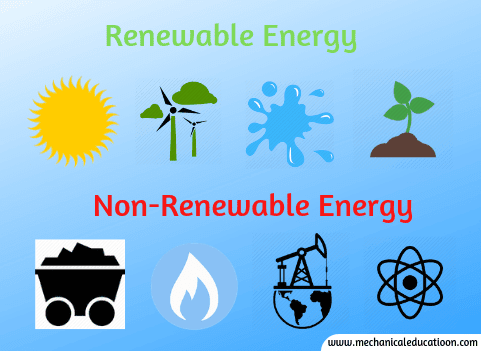
a renewable resource is ....

a)

a resource that forms much more slowly than it is consumed

b)

a natural resource that can be replaced at the same rate at which it is consumed

c)

any natural material that is used by humans
96.

a nonrenewable resources is...

a)

any natural material that is used by humans

b)

a natural resource that can be replaced at the same rate at which it is consumed

c)

a resource that forms much more slowly than it is consumed

97.

Choose ALL of the renewable resources

a)

sun

b)

coal

c)

wind

d)

fossil fuels

e)

Earth (geothermal)

98.

Choose ALL of the nonrenewable energy resources

a)

sun

b)

fossil fuels

c)

nuclear fuel

d)

wind

e)

natural gas

99.

When we ______ products, we avoid using resources to make new products.

Using a water bottle, instead of buying bottled water, conserves water and oil.

a)

Reduce

b)

Reuse

c)

Recycle

100.

Which of the following are Non-Renewable energy resources? (Check all that apply.)

a)

coal

b)

wind

c)

solar

d)

nuclear

101.

One advantage of solar and wind power over fossil fuels is that

a)

wind and solar are presently much less expensive than fossil fuels.

b)

wind and solar come from natural processes and fossil fuels do not.

c)

wind and solar are nonrenewable resources and fossil fuel are renewable.

d)

wind and solar are continuously renewable and fossil fuels take millions of years to be formed.

102.

Renewable or Nonrenewable: Coal

a)

Renewable

b)

Nonrenewable

103.

Renewable or Nonrenewable: Natural Gas

a)

nonrenewable

b)

renewable

104.

Renewable or Nonrenewable: Oil

a)

Nonrenewable

b)

Renewable

105.

Renewable or Nonrenewable: Sunlight

a)

Renewable

b)

Nonrenewable

106.

Renewable or Nonrenewable: Water

a)

Nonrenewable

b)

Renewable

107.

This energy is from moving air.

a)

Wind Energy

b)

Geothermal Energy

c)

Fossil Fuel Energy

d)

Biofuel

108.

What is the best pro about renewable resources?

a)

They are inexpensive

b)

They are always available

c)

They create pollution

d)

They are expensive

109.

Why are fossil fuels like coal, oil, and natural gas called nonrenewable resources?

a)

They can be made in factories.

b)

They can be recycled

c)

They cannot be easily replaced

d)

They can never be replaced

110.

Which of these is a practice that sustains or conserves natural resources?

a)

Leaving the TV on all day

b)

Leaving the light switch on all day

c)

Burning newspapers

d)

Recycling cans

111.

Which renewable energy resource would be the most ideal for use in the Southern African region?

a)

Hydro (water) energy

b)

Solar energy

c)

Wind energy

d)

Geothermal energy (Earth's heat)

112.

___________ energy comes directly from the sun.

a)

Warm

b)

Solar

c)

Hydro

d)

Bio-fuels

113.

Bio-fuel and geothermal energy are examples of?

a)

Non-renewable energy resources

b)

Hydro energy

c)

Renewable energy resources

d)

None of the above

114.

Oil is not a renewable resource because ...

a)

it comes from the ground.

b)

it cannot be replaced.

c)

it is too gooey.

d)

it is not heavy enough.

115.

Anything that can be used to satisfy a need is called_____

a)

Resource

b)

Source

c)

Nature

d)

Material

116.

Resources that are drawn from Nature and used without

much modification are called__________

a)

man- made resource

b)

artificial resource

c)

Natural resource

d)

sustainable resources

117.

Those resources whose quantity

is known is called _________

a)

Biotic

b)

Actual

c)

Abiotic

d)

Non- renewable

118.

It is the panel used for Solar Energy

(a)  

119.

This energy is generated by harnessing the heat in the interiors of the eartth

a)

tidal energy

b)

Hydroelectricity

c)

Geothermal energy

d)

Wind Energy

120.

Animal waste and all kinds of waste material generated by households each day are converted into

a)

waste

b)

biogas

c)

thermal energy

d)

nuclear energy