wayground logo

Free Printable Worksheets

Font size

S
M
L
XL
Worksheets

Animals including Humans: Year 6 - Circulatory System

Total questions: 40

Worksheet time: 23mins

Name
Class
Date
1.
The heart has ___ chambers.
a)
1
b)
2
c)
3
d)
4
2.
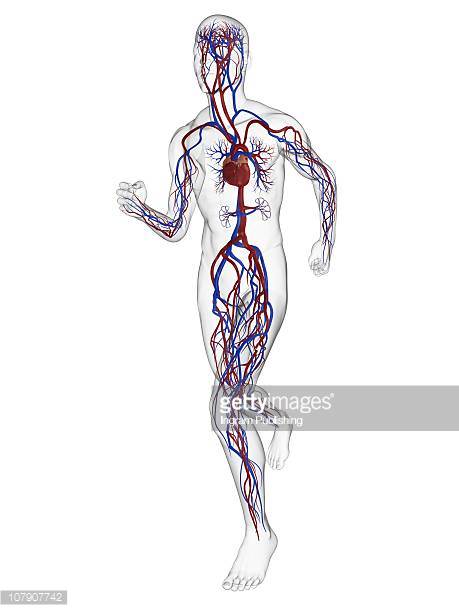
Which is the correct definition of the Circulatory system?
a)
The system fights disease so the body stays healthy.
b)
The system that circulates blood and oxygen through the body, consisting of the heart,blood vessels,and blood.
c)
Breaks down food into smaller pieces and absorbs those nutrients into the body.
d)
Provides shape and structure for the body.
3.
What does Deoxygenated mean?
a)
Oxygen-rich
b)
Blood flow
c)
Oxygen-poor
d)
Water Flow
4.
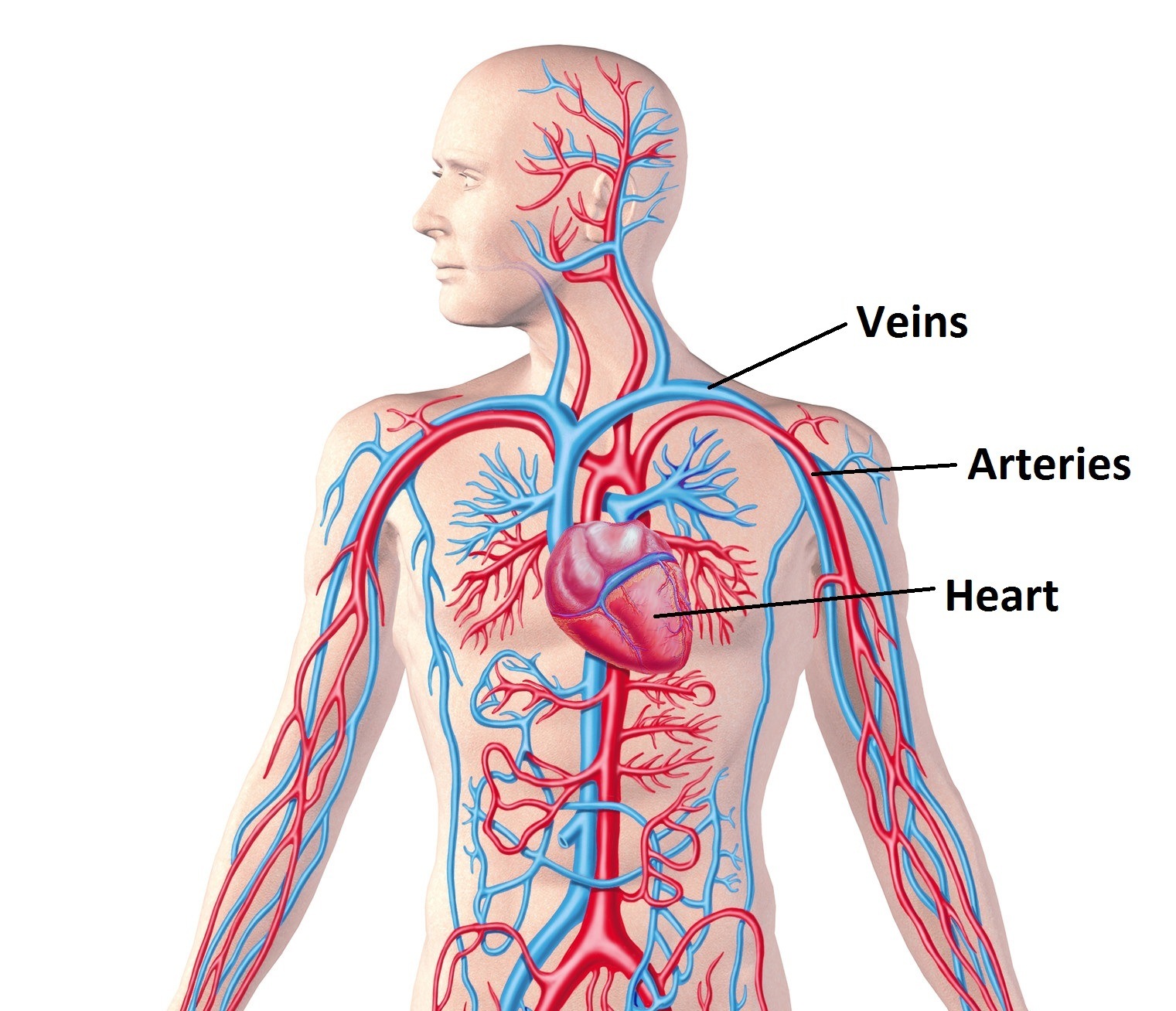
What function does the heart do?
a)
Protects organs and produces red blood cells.
b)
Generates heat.
c)
Breaks down food into nutrients.
d)
The heart is a pump, which moves the blood. The arteries and veins are the pipes where the blood flows.
5.
arteries, veins, and capillaries are three types of __________
a)
heart valves
b)
blood vessels
c)
cells
d)
veins
6.
What is the Circulatory System also known as?
a)
The heart
b)
Cardiovascular System
c)
Nervous System
d)
Aorta
7.
What do Red-Blood cells do?
a)
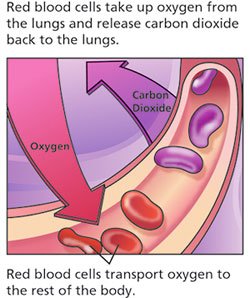
Carry oxygen from the lungs to the body cells and  transport carbon dioxide from the cells back to the lungs
b)
keeps blood flowing in one direction to the heart and prevent blood from flowing backwards
c)
Collects  blood from the capillaries and drain it into the veins
d)
Bring nutriients to the cells and carries away waste materials.
8.
What does blood do?
a)
Carries Water to cells
b)
Carries Oxygen to cells
c)

Carries Food/Nutrients to cells

d)
All of the above 
e)

Carries waste products (CO2, urea)

9.

What is the main organ of the circulatory system?

a)

small intestine

b)

bone

c)

lungs

d)

heart

10.
How many types of blood vessels are in our body?
a)
1
b)
2
c)
3
d)
4
11.

The job of the heart is to . . .

a)

pump blood around the body.

b)

send food to the small intestines.

c)

break down food.

d)

give energy to the body.

12.
______________ are the smallest blood vessels.
a)
Arteries
b)
Veins
c)
Capillaries
13.
______________ are the second largest blood vessel. 
a)
Arteries
b)
Veins
c)
Capillaries
14.
The circulatory system works with the ___________ system to provide our body with oxygen.
a)
respiratory
b)
digestive
c)
muscular
d)
skeletal
15.
The circulatory system works with the __________ system to obtain energy from nutrients that we eat. 
a)
respiratory 
b)
digestive
c)
skeletal
d)
nervous
16.
What is the heart ? 
a)
meaty organ 
b)
a small metal spike with a broadened flat head,
c)
organ of soft nervous tissue 
d)
muscular organ
17.
What does the circulatory system do? 
a)
pumps blood through the whole body 
b)
pumps blood to the brain 
c)
pumps blood to the lungs
d)
pumps blood
18.

Carbon dioxide is considered a _________________ product.

a)
food
b)
waste
c)
energy
d)

helpful

19.

What is the main organ of the circulatory system?

a)

small intestine

b)

bone

c)

lungs

d)

heart

20.

The job of the heart is to . . .

a)

pump blood around the body.

b)

send food to the small intestines.

c)

break down food.

d)

give energy to the body.

21.

Which system allows blood to circulate throughout the body to transport oxygen and nutrients to all the cells and tissues?

a)

Nervous

b)

Respiratory

c)

Circulatory

d)

Digestive

22.

These cells, in the blood, carry oxygen...

a)

white blood cells

b)

plasma

c)

platelets

d)

red blood cells

23.

The cells in the blood that help fight germs: bacteria and viruses

a)

red blood cells

b)

platelets

c)

white blood cells

d)

plasma

24.

The circulatory system works with the __________ system to obtain energy from nutrients that we eat.

a)

respiratory

b)

digestive

c)

skeletal

d)

nervous

25.

The circulatory system works with the ___________ system to provide our body with oxygen.

a)

respiratory

b)

digestive

c)

muscular

d)

nervous

26.

What is the circulatory system made up of?

a)

Lungs, blood, blood vessels

b)

Liver, kidneys, and stomach

c)

Heart, Blood Vessels, and Blood

d)

Heart, Lungs, Blood Vessels

27.

Which of the following does blood help transport throughout the body? (Tick 3)

a)

undigested food

b)

Nutrients

c)

Gases (oxygen and carbon dioxide)

d)

hormones like adrenaline

28.

What part of blood is responsible for carrying oxygen to our organs and carbon dioxide to our lungs to be exhaled?

a)
Red Blood Cells
b)
White Blood Cells
c)
Platelets
d)
Plasma
29.
What part of blood is responsible for fighting infections?
a)
Red Blood Cells
b)
White Blood Cells
c)
Platelets
d)
Plasma
30.
What part of blood is responsible for carrying wastes, nutrients, and minerals?
a)
Red Blood Cells
b)
White Blood Cells
c)
Platelets
d)
Plasma
31.

What do we call the blood vessels that lead TO the heart? (Don't forget about the clue in the answer!) 

a)

artery

b)

vein

c)

capillaries

d)

blood vessel

32.
What do the arteries do?
a)
pumps blood to the heart
b)
pumps blood to and from the heart
c)
carry's blood away from the heart 
d)
a muscle 
33.
What is the function of the heart?
a)
To pump blood around the body
b)
To remove oxygen from the blood
c)
To allow blood to flow through it 
d)
To breath
34.
How many chambers does the heart have ? 
a)
4
b)
6
c)
3
d)
1
35.
What is the heart ? 
a)
meaty organ 
b)
a small metal spike with a broadened flat head,
c)
organ of soft nervous tissue 
d)
muscular organ
36.
What is the main organ in the circulatory system?
a)
vein
b)
lung
c)
heart
d)
aorta 
37.

______________ are the thickest blood vessels. 

a)
Arteries
b)
Veins
c)
Capillaries
38.

Veins carry deoxygenated blood

a)

True

b)

False

39.

Pulmonary artery

Pulmonary veins....

What are they?

(Read caredfully)

a)

Deoxygenated from the body and lungs

b)

Oxygenated blood from the body and lungs

40.

Where is your blood made?

a)

Heart

b)

Stomach

c)

Bones

d)

Muscles