
 Worksheets
star and galaxies form 2
Total questions: 183
Worksheet time: 2hrs 48mins
Which galaxy is a spiral shape galaxy?
the Milky Way
Ursa Major
Andromeda
Magellanic Cloud
At what date was Dato' Dr. Sheikh Muszaphar Shukor went venture into outer space?
10 July 2010
15 August 2007
10 Oct 2007
1 January 2010
What is galaxy?
a set of bodies that consist many types of solar systems
a set of bodies consisting of millions of stars with gas and dust particles
a set of bodies that able to sustain life
a set of bodies which capable to produce bright light
What causes the nebulae dense and form into a star?
strong gravitational pull and nuclear reaction
collision between planets
exposure to high heat
What is the final life cycle of a super large star
supernova
black hole
white dwarf
what colour of the sun is the hottest
blue
white
red
orange
what factors determine the brightness of a star
size and colour
colour and distance
size and distance
temperature and colour
how does the image of galaxies was taken?
by hubble telescope
by satellites
by astronaut
which of the following is not the importance of the sun?
provide energy
provide gravitational pull for planets to orbit
form black hole
"originally from a super large star, absorb light, and any nearby objects". this statement describe about
sun
galaxy
star
black hole
what is a supernova?
an explosion, and produce a very bright light
an explosion that occurs on the surface of the sun
a type of energy released when two planets collide with each other
explosion that happened when black hole absorbs a sun
Nuclear reaction in the sun converts the hydrogen gas into
oxygen
nitrogen
helium
water
At what date was Dato' Dr. Sheikh Muszaphar Shukor went venture into outer space?
10 July 2010
15 August 2007
10 Oct 2007
1 January 2010
the solar system is located in the Milky Way. Which of the following statement is true about the Milky Way.
has million of galaxies
releases heat energy and light energy
has spiral shape
the sun is located at the center of the Milky Way

the following diagram shows the birth and death of a star. What is Q?
neutron star
supernova
red giant
red supergiant
Apakah nama galaksi yang terletaknya sistem suria?
What is the name of the galaxy where the solar system is located?
Andromeda Galaxy
Antennae Galaxies
Butterfly Galaxies
The Milky Way

Berdasarkan gambar foto yang diberi, nyatakan bentuk galaksi.
Based on the photos given, state the shape of the galaxy.
Berpilin/Spiral
Tidak seragam/Irregular
Elips/Elliptical
Bulat/Round
Bintang terbentuk daripada awan besar yang terdiri
daripada debu dan gas yang dikenali sebagai
A star is formed from a huge cloud of dust and gas which is known as a
nebula
galaxy
meteoroid
constellation / buruj
Bintang manakah yang paling sejuk?
Which star is the coldest?
white star/ bintang putih
red star/ bintang merah
blue star/ bintang biru
yellow star/ bintang kuning

Rajah 1 menggambarkan kematian sebuah bintang
besar untuk menjadi bintang neutron. Apakah Q?
Diagram 1 illustrates the death of a large star to become a neutron star. What is Q?
supernova
blackhole / lohong hitam
white dwarf/ kerdil putih
red giant/ raksasa merah

Pernyataan di atas merujuk
The above statement refers to a
super raksasa
supergiant
lubang hitam
black hole
bintang neutron
neutron star
kerdil putih
white dwarf
Bintang manakah yang membebaskan gelombang
elektromagnet?
Which star gives out electromagnetic waves?
Raksasa merah
Red giant
Lubang hitam
Black hole
Bintang neutron
Neutron star
Kerdil putih
White dwarf
Pernyataan manakah yang benar tentang Bima Sakti?
Which statements are true about the Milky Way?
Suatu galaksi elips
An elliptical galaxy
Ada lebih banyak bintang di tengah berbanding di hujung
It has more stars in the centre than at the edge
Mengandungi habuk dan gas hidrogen
It contains dust and hydrogen gas
Matahari ialah pusat galaksi
The Sun is the centre of the galaxy
Which gas can be found in nebula?
Gas apakah yang boleh ditemui dalam gumpalan nebula?
oxygen
hydrogen
nitrogen
carbon dioxide
Apabila suatu bintang besar mati, hidrogen di lapisan paling luar terbakar dan bintang mengembang untuk membentuk ..........................
When a large star dies, hydrogen within the outermost layer burns and the star expands to form a .................
supernova
supergiant
super raksasa
black hole
lohong hitam
redgiant
raksasa merah
Kecerahan bintang bergantung pada...
The brightness of a star depends on the...
colour of star
warna bintang
surface temperature
suhu permukaan
distance of star from earth
jarak bintang dari bumi
distance of star from sun
jarak bintang dari matahari

Rajah 1 menunjukkan kematian bintang raksasa merah.
Diagram 1 shows the death of a red giant star.
Apakah yang berlaku pada peringkat P?
What happens at stage P?
Bintang mengembang
The star expands
Bintang mengecut
The star shrinks
Suatu letupan berlaku
An explosion occurs
Semua objek yang dekat dengan P ditarik ke arahnya
All objects near P are pulled towards it
Antara yang berikut, yang manakah bintang paling besar?
Which of the following is the largest star?
Kerdil hitam
Black dwarf
Kerdil putih
White dwarf
Raksasa merah
Red giant
Super raksasa
Super giant
Tandakan ( ✓ ) bagi pernyataan yang betul tentang objek angkasa lepas.
Tick ( ✓ ) for a correct statement about outer space objects.
Suatu bintang malap kelihatan cerah jika bintang itu berdekatan dengan Bumi.
A dim star can appear bright if it is closer to the Earth.
Semua galaksi yang berbentuk elips mempunyai saiz yang sama.
All the elliptical galaxies have the same size.
Bumi terletak di dalam galaksi yang disebut Bima Sakti.
The Earth is located in a galaxy called the Milky Way.
Warna suatu bintang adalah berdasarkan jarak bintang itu daripada Bumi.
The colour of a star is based on the distance of the star from the Earth.
Bintang yang paling cerah di langit ialah...
The brightest stars in the sky are.....
Mirach
Almach
Seginus
Sirius
Which galaxy is a spiral shape galaxy?
the Milky Way
Ursa Major
Andromeda
Magellanic Cloud
What is galaxy?
a set of bodies that consist many types of solar systems
a set of bodies consisting of millions of stars with gas and dust particles
a set of bodies that able to sustain life
a set of bodies which capable to produce bright light
how does the image of galaxies was taken?
by hubble telescope
by satellites
by astronaut
what is a supernova?
an explosion, and produce a very bright light
an explosion that occurs on the surface of the sun
a type of energy released when two planets collide with each other
explosion that happened when black hole absorbs a sun


Which one is an irregular galaxy?


Name this type of galaxy
spiral galaxy
elliptical galaxy
irregular galaxy

What is a star? Choose 2 answers.
a huge collection of gas, dust, and billions of stars and their solar systems. It is held together by gravity.
-a large ball of burning gas in space that is usually seen from earth as a point of light in the sky at night.
a ball of hydrogen and helium with enough mass that it can sustain nuclear fusion at its core.

What is a galaxy held together by?
Thor (Tor)
glue (pegamento)
gravity (la gravedad)

What is a galaxy?
a large group of stars gas, and dust held together by gravity (pg. 394)
the Universe probably began about 13.7 billion years ago with an enormous explosion. (pg.398)
It uses convex lenses which are curved outward like the surface of a ball. (pg. 412)

What is an asteroid?
patterns of stars in the night sky. (pg. 378)
small, rocky objects that orbit the sun. Although asteroids orbit the sun like planets, they are much smaller than planets.
the measurement of light that a star gives off (pg.380)

What is a comet? (Choose 2 answers)
They orbit the sun. Jets of gas and dust from them form long tails that can be seen from Earth.
a region where light can not escape (pg.392)
a giant star that measure 450,520,00 km.
a ball of frozen gases, rock and dust that is about the size of a small town.

What is a meteor? (choose 2 answers)
a large group of stars, gas, and dust held together by gravity.(pg.394)
the fireballs or 'shooting stars' from when meteoroids enter Earth’s atmosphere (or that of another planet, like Mars) at high speed and burn up
a telescope that uses a curved mirror to direct light. (pg.412)
a small body of matter from outer space that enters the earth's atmosphere, becoming incandescent as a result of friction and appearing as a streak of light.

What is a meteoroid? ( el meteoroide ) Choose 2
a small body moving in the solar system that would become a meteor if it entered the earth's atmosphere.
a large group of stars, gas, an dust held together by gravity. (pg.394)
a giant red star (pg.402)
a small chunk of rock or iron that travels through space

What is the definition of a meteorite? ( el meteorito)
a large cloud of gas and dust. (pg.390)
the reusable spacecraft that transports astronauts, satellites, and other materials, to and from space (pg.425)
a fragment of rock or iron from outer space, usually a meteoroid or asteroid, which survives passage through the atmosphere as a meteor to impact the surface of the Earth

When does a solar eclipse occur? (Choose 2)
It occurs once every four years when all of the countries send athletes to compete.
It occurs when the moon gets between Earth and the sun, and the moon casts a shadow over Earth.
It occurs when a portion of the Earth is engulfed in a shadow cast by the Moon which fully or partially blocks sunlight. This occurs when the Sun, Moon and Earth are aligned
It occurs when the space ship gets in front of the sun.

When does a lunar eclipse occur?
It occurs when the Moon passes directly behind Earth and into its shadow.
It occurs when the Moon passes infront of the sun.

What is a telescope? (Choose 2)
a usually tubular optical instrument for viewing distant objects by means of the refraction of light rays through a lens or the reflection of light rays by a concave mirror.
a celestial body orbiting another of larger size
a cylindrical device that you look through to make objects that are far away look nearer and bigger
any of the dark spots that appear at times on the sun's surface and are usually visible only through a telescope

Describe photosphere. (Pick two answers)
It is a thin layer at the solar surface that is observed in white light
a robotic spacecraft that does not orbit Earth, but instead, explores further into outer space
is an aura of plasma that surrounds the Sun and other stars
It is the visible surface of the Sun that we are most familiar with

What is a space probe?
It is magnetic energy that has built up in the solar atmosphere is suddenly released
It probes the minds of middle school students.
It is an unpiloted, unmanned device sent to explore space and gather scientific information.

What is a solar prominence? (Choose two answers)
They are anchored to the Sun's surface in the photosphere, and extend outwards into the Sun's corona.
It helps us find out what stars are made of
It is a large, bright, gaseous feature extending outward from the Sun's surface, often in a loop shape.
When the Moon is no longer full, but it hasn’t reached a quarter moon.

Which two things create tides? (Choose two answers)
The Earth's rotation
the gravitational pull of the sun and moon
the aura of plasma that surrounds the Sun and other stars.
the darker, cooler areas on the surface of the sun

What does a spectroscope do?
- el espectroscopio
It makes kids pay close attention in Science class!
It is an optical instrument designed to make distant objects appear nearer.
It is an instrument for forming and examining spectra especially in the visible region of the electromagnetic spectrum.

What is waning? Choose two answers
(menguante)
the decreasing amount of the moon's illuminated surface
that is visible from full moon to new moon.
a spot or patch appearing from time to time on the sun's surface, appearing dark by contrast with its surroundings.
It means fading or becoming less strong or powerful. When the moon goes from a full moon to a crescent moon, this is an example.
any of the luminous celestial objects seen as points of light in the sky;

What is a waxing moon? Choose two reponses.
any phase of the moon during the lunar cycle between the new moon and the full moon.
is an aura of plasma that surrounds the Sun and other stars.
a system of millions or billions of stars, together with gas and dust, held together by gravitational attraction.
A moon that is getting larger each night.


Which one is an irregular galaxy?
Name this type of galaxy
spiral galaxy
elliptical galaxy
irregular galaxy

name this type of galaxy
spiral galaxy
elliptical galaxy
irregular galaxy
which statement is true
the milky way is a larger spiral galaxy
our solar system is located at the edge of one of the spiral arls of the milky way
the sun is an example of a
star
planet
galaxy
comet


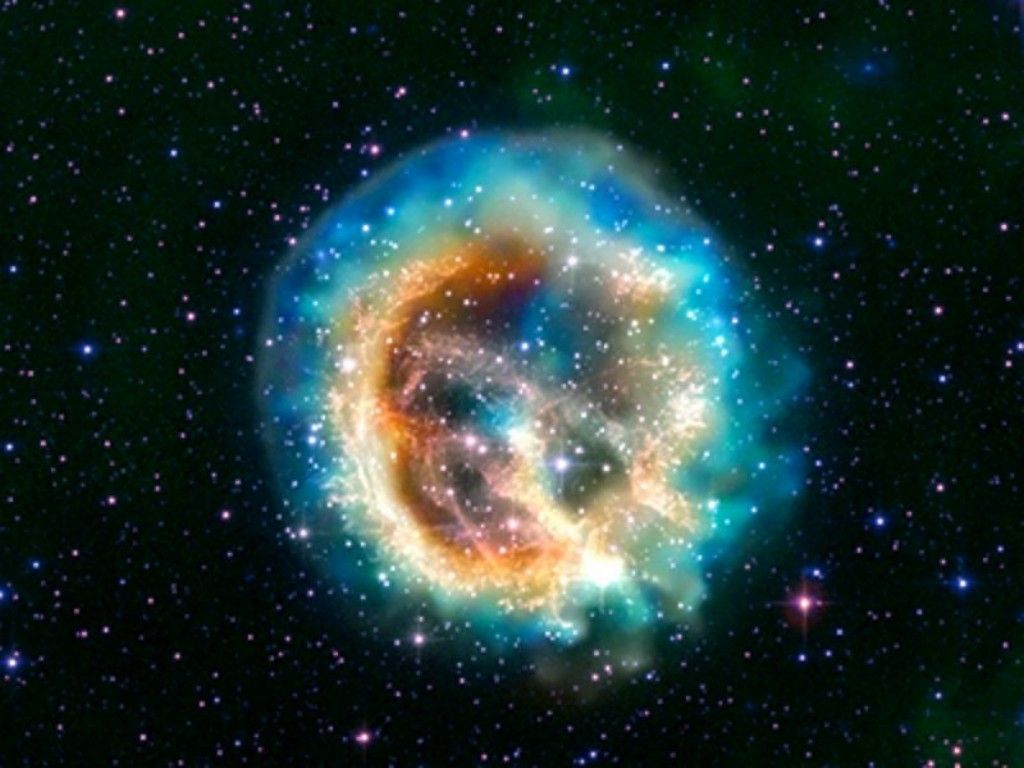
What is the final life cycle of a super large star
supernova
black hole
white dwarf
At what date was Dato' Dr. Sheikh Muszaphar Shukor went venture into outer space?
10 July 2010
15 August 2007
10 Oct 2007
1 January 2010
the following diagram shows the birth and death of a star. What is Q?
neutron star
supernova
red giant
red supergiant

Arrange the life cycle of a medium-sized star from birth to death
Nebula -> Medium sized star -> Red Giant -> White Dwarf
White Dwarf -> Red Giant -> Nebula -> Medium sized star
Red Giant -> Nebula -> Medium sized star -> White Dwarf
Nebula -> Red Giant -> White Dwarf -> Medium sized Star
What term describes the process that causes a star to shine?
supernova
coronal mass ejections
nuclear fusion
big bang

What are galaxies?
Large collections of moons.
Huge collections of stars.
Big collections of planets.
An old star
An eclipsing binary is...
a group of two or more stars
a large collection of stars, gas, and dust held together by gravity
a star system with two stars
a star system in which one star occasionally blocks light from another
A star system is...
a group of two or more stars
a large collection of stars, gas, and dust held together by gravity
the distance light travels in a one year
a star system in which one star occasionally blocks light from another
A binary star is...
a large collection of stars, gas, and dust held together by gravity
the distance light travels in a one year
a star system with two stars
a star system in which one star occasionally blocks light from another
A galaxy is...
a group of two or more stars
a large collection of stars, gas, and dust held together by gravity
the distance light travels in a one year
a star system with two stars
a star system in which one star occasionally blocks light from another
Galaxies are classified by...
shape
size
distance from Earth
position in the universe
Since the Big Bang, and even today, the universe is still _____.
Expanding
Shrinking
Cooking
Spinning
Most scientists believe the Big Bang Theory explains which of the following questions?
How our planets and moons formed
How our universe began
How the sun turns hydrogen into helium
How fast light travels through space
Which statement is true?
The galaxies are moving toward us.
The galaxies are moving away from us.
The universe remains static or unchanged in motion.
None of the above
Our galaxy is called
Centaurus A
Andromeda
the Milky Way
Triangulum

Which type of galaxy is illustrated?
spiral
elliptical
irregular
it's not a galaxy
According to latest theories, the Big Bang happened
3 million years ago
about 13.8 billion years ago
3 billion years ago
4.5 billion years ago
Which scientist was the first to find evidence that the universe is expanding
Albert Einstein
Galileo Galilei
Edwin Hubble
Stephen Hawking
List the 3 types of galaxies
(a)
(a) is used to write very large or very small numbers in a shorter form.
A group of stars that form a galaxy is called what?
cluster
planet
universe
gravity


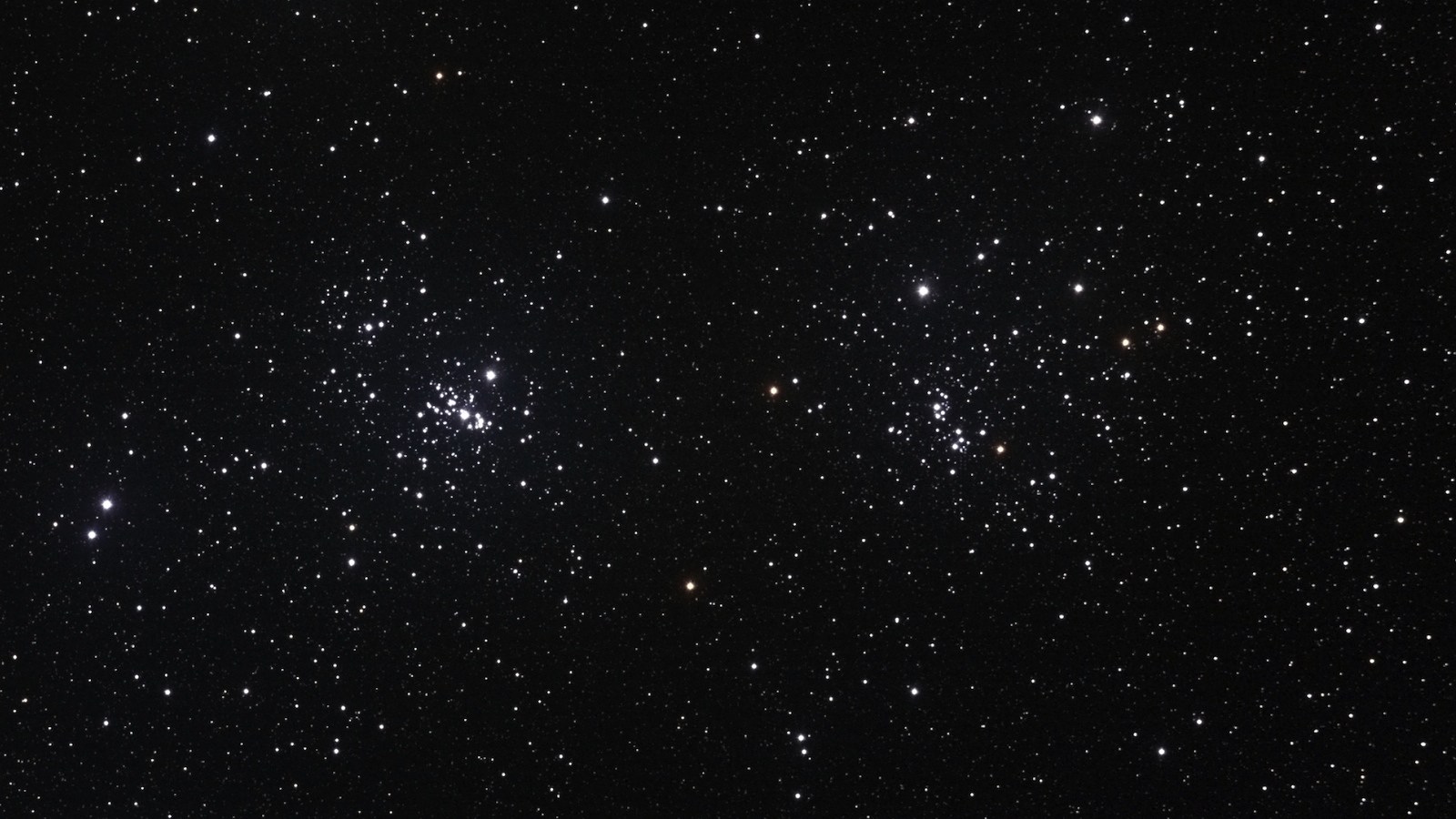

The Sun is the biggest star in the sky.
an immense cloud of dust & gas where stars are born
black hole
nebula
prominence
supernova
What do you call a scientist who studies objects in space?
meteorologist
astronomer
astronaut
Most distances in space and to stars outside of our solar system are measured using.....
light-years
astronomical units
feet
meters

irregular galaxy
spiral galaxy
elliptical galaxy

irregular galaxy
spiral galaxy
elliptical galaxy
Ancient Greeks, Romans, and other early cultures observed patterns of stars in the night sky called __________________.
constellations
galaxies
light-years
connections
A star is ___________ when the contracting gas and dust from a nebula become so dense that nuclear fusion starts.
born
erupted
beginning
changing
There are ____ types of galaxies.
4
6
8
3

an immense cloud of dust & gas where stars are born
black hole
nebula
prominence
supernova
a hot, dense, slowly cooling sphere of carbon that remains when a red giant star dies
red giant
supergiant
black hole
white dwarf
an enormous explosion that occurs when a massive star dies
black hole
nuclear fusion
supernova
solar wind
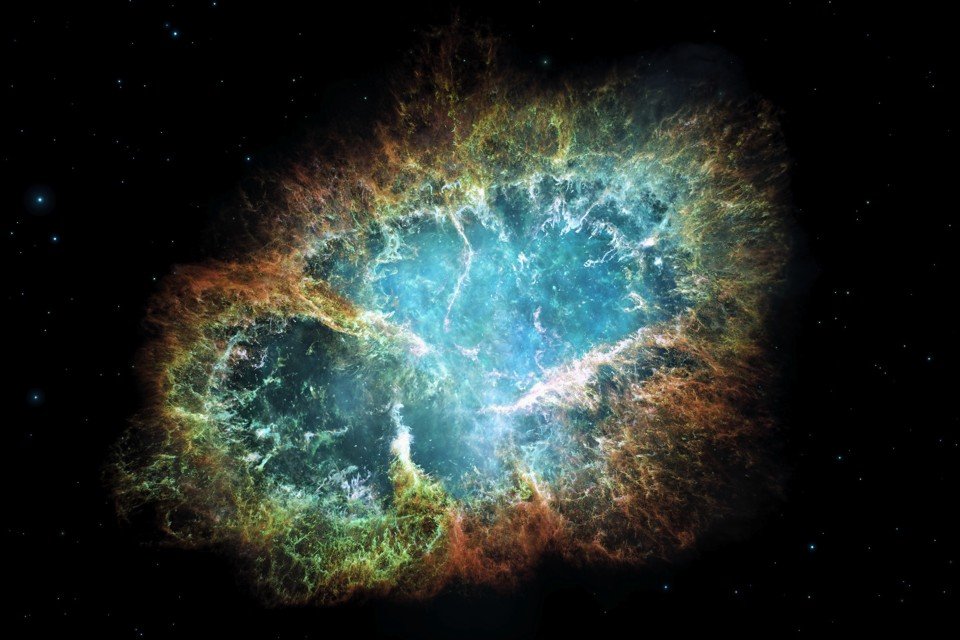
The Sun is the biggest star in the sky.
a massive ball of gas held together by gravity with a core so hot that nuclear fusion occurs
star
black hole
white dwarf
galaxy
A Hertzsprung-Russell diagram (H-R diagram) is used to…
classify stars by temperature and brightness
illustrate various wavelengths of light
show the distances between stars
differentiate between stars and planets
Sirius is a star about 8.6 light years away from Earth. Which of these statements is correct based on this information?
It would take about 8.6 years for astronauts to travel to Sirius.
Light from Sirius takes about 8.6 years to reach Earth.
Light from Sirius takes about 8.6 light years to reach Earth.
Light from Sirius takes about 8.6 billion years to reach Earth.
an immense cloud of dust & gas where stars are born
black hole
nebula
prominence
supernova
Place these objects in order from smallest to largest.
Planets, solar system, universe, galaxy
Solar system, planets, galaxy, universe
Planets, solar system, galaxy, universe
Galaxy, solar system, planets, universe
What is the name of our galaxy?
Our galaxy is called the Milky Way galaxy
Our galaxy is called the Andromeda galaxy
Our galaxy is called the Grand spiral galaxy.
Our galaxy is called the Whirlpool galaxy.

What word best describes our sun?
Average
Supergiant
Dwarf
Red Giant
What are the the 3 types of galaxies?
Spiral Galaxies, Regular Galaxies, and Lliptical Galaxies
Spiral Galaxies, Irregular Galaxies, and Elliptical Galaxies
Milky Way, Elliptical Galaxies, and Spiral Galaxies
Milky Way, Elliptical Galaxies, and Irregular Galaxies
states that the universe began from one point and has been expanding and cooling ever since
Bang Bang Theory
Big Bang Theory
Theory of Relativity
Big Hero 6 Theory
huge collection of stars, gas, and dust
galaxy
universe
asteroid
solar system
distance light travels in one year
moon light
astronomical unit
1,000,000 kilometer
light-year
large sphere of hydrogen gas hot enough for nuclear reactions to occur in its core
moon
planet
star
black hole
Red and orange stars are cool.
True
False
The Sun is larger and more massive than ___ percent of other stars.
60
75
80
90
In which galaxy is Earth located?
Chocolate Way
Milky Way
Solar System
Andromeda
How is the universe structured? Click all possible answers.
Stars form galaxies.
Planets form the universe.
Galaxies form clusters.
Galaxies form superclusters.
How many light-years (ly) are there in 1 parsec (pc)?
1.5
1.6
2.63
3.26
What is the equivalent of 1 light-year (ly) in kilometers (km)?
94,600
946,000
9.46 million
9.46 trillion
What is the correct order of the stars from coolest to hottest?
red - orange - yellow - white - blue
blue - white - yellow - orange - red
yellow - white - blue - red - orange
red - orange - blue - white - yellow
The solar system is the center of the Milky Way.
True
False
What type of galaxy is the Milky Way?
supercluster
irregular galaxy
elliptical galaxy
spiral galaxy

From the figure determine what the approximate temperature of our Sun?
3,500 K
5,000 K
7,000 K
25,000 K
What is the speed of light?
150,000 kilometers per second
300,000 kilometers per second
350,000 kilometers per second
400,000 kilometers per second
A gravitationally-bound system of stars, gas, & dark matter is called a...
Galaxy
Universe
Solar System
Nebula

Which type of galaxy is pictured?
Elliptical
Irregular
Spiral
Barred-Spiral

Which type of galaxy is pictured?
Elliptical
Spiral
Barred-Spiral
Irregular

Which type of galaxy is pictured
Irregular
Spiral
Barred-Spiral
Elliptical
The Milky Way is a/an...
Irregular Galaxy
Spiral Galaxy
Barred-Spiral Galaxy
Elliptical Galaxy
The largest connected system of galaxies is called a...
MIllicluster
Supercluster
Megacluster
Gigacluster
The closest star to our Solar System is...
Proxima Centauri
rho Cassiopeiae
Andromeda
The North Star
How many stars are in our Solar System?
1
1 million
1 billion
1 trillion
An arrangement of stars in a specific spot in the night sky is called a...
Constellation
Solar System
Galaxy
Local Group
Describe the difference between luminosity and magnitude.
Luminosity measures energy, magnitude measures brightness
Luminosity measures brightness, magnitude measures energy
Luminosity measures distance, magnitude measures time
Luminosity measures time, magnitude measures distance
Stars that are further away...
Will be more blueshifted
Will display less parallax
Will always appear dimmer
Will have a greater magnitude
According to Hubble's Law...
Most galaxies are moving towards the Earth
Galaxies further away from the Earth are moving away at a faster rate
Galaxies are blueshifted
Only galaxies close to the Earth are redshifted

