
 Worksheets
Rocks/Resources 24-25
Total questions: 186
Worksheet time: 3hrs 11mins


Any rock that forms from another rock as a result of changes in heat or pressure (or both) is a:
chemical rock
igneous rock
sedimentary rock
metamorphic rock
This is the continuous process of rock changing from one type to another.
Igneous rocks
Sedimentary rocks
Metamorphic rocks
Rock Cycle
Which of the following lists the steps an igneous rock undergoes in order to become a sedimentary rock, in the correct order?
Deposition, erosion, melting, cooling
Erosion, weathering, eruption, cooling
Dissolving, deposition, cooling, fracture
Weathering, erosion, deposition, cementation
Limestone is a sedimentary rock. During the rock cycle, limestone is changed into marble, a metamorphic rock. The processes that act on limestone and change it into marble are
weather and erosion
heat and pressure
compacting and cementing
melting, cooling, and hardening
If a lot of heat is applied to a rock, it will turn into
magma
rocks
sediment
metamorphic rocks
What is underground molten rock?
Lava
Magma
Soil
Intrusive
What is aboveground molten rock?
Extrusive
Magma
Lava
Sedimentary

Limestone is an example of...
Sedimentary
Igneous
Metamorphic

Sandstone is an example of...
Metamorphic
Sedimentary
Igneous

Marble is an example of...
Igneous
Sedimentary
Metamorphic

Obsidian is an example of...
Igneous
Sedimentary
Metamorphic
What is it called when layers pile up and press down on the material below?
Compaction
Layering
Cementation
I don't know


The process by which metamorphic rock changes to igneous rock begins with
melting
erosion
deposition
crystallization
Which kind of rock is produced by deposition compaction and cementation?
Igneous
Sedimentary
Mountainous
Metamorphic
__________________rock forms when rock particles get pressed and cemented together.
Igneous
Sedimentary
Mountainous
Metamorphic
Which best describes one way igneous rocks form?
Sedimentary rocks erode.
Sedimentary rocks are compacted.
Metamorphic rocks are melted, then cooled.
Metamorphic rocks are deposited and cemented
Which of these BEST describes how an igneous rock forms?
cooling of magma
weathering of other rocks
colliding of tectonic plates
pressing together of smaller rocks

Sedimentary rocks have visible layers of small pieces of other rocks. Based on the information in the rock sample table, which is a sedimentary rock?
pumice
granite
obsidian
limestone
Schist and quartzite are examples of metamorphic rocks. Which processes are necessary for the formation of metamorphic rocks?
cooling and weathering
cooling and pressure
heating and pressure
weathering and heating
If a scientist is observing rocks near a volcano, she is most likely observing what kind of rock?
igneous rock
sedimentary rock
sediment
metamorphic rock
Shale, Limestone, and Sandstone all contain layers . These types of rock are most likely classified as.....
igneous rock
sediment
sedimentary rock
metamorphic rock
What has to happen for igneous rock to change into metamorphic rock
cooling
melting
weathering
extreme heat and pressure
During which part of the rock cycle does sediment get stuck together?
melting
weatheirng
cooling
cementing
How are rocks broken into smaller pieces?
weathering
melting
cooling
cementing
Which of the following processes allow sedimentary rocks to be produced?
melting
Compaction and cementing
extreme heat and pressure
melting so that magma can be produced


The process by which water, wind, ice, and changes in temperature BREAK DOWN rock into fragments called sediments.
Deposition
Erosion
Weathering
Igneous Rock
What processes break down rocks into sediments?
weathering
compaction
cementing
erosion
What is erosion?
Sediments are stuck together
Sediments are moved from one place to another
Sediments are stopped in a new place
Rocks are broken down into sediments
A rock never stops changing.
True
False
What has to happen for metamorphic to change into igneous rock?
pressure
erosion
weathering
melting and cooling
Which of these actions must take place in order for igneous rock to change into sedimentary rock ?
The igneous rock melted and became magma.
Igneous rock dissolved in water to form sedimentary rock.
The igneous rock broke down into smaller pieces and then was eroded and deposited to form sedimentary rock.
The igneous rock was exposed to extreme heat and pressure.


Which type of rock is made from lava or magma cooling?
igneous
sedimentary
metamorphic


Sedimentary Rocks form in
Layers
the desert only
underground
on top of water

When water and other minerals move through open spaced between larger sediments, gluing them together, ____________ occurs.
Compaction
Deposition
Cementation
Erosion
If you found a rock that appeared to have been formed directly from volcanic activity, how would you classify it?
Sedimentary rock.
Igneous rock.
Volcanic rock.
Metamorphic rock.
If you wanted to collect sedimentary rocks, what sort of characteristics would you look for in a rock's composition?
Rock made from eroded material broken off other rocks and cemented together.
Rock that formed from magma or lava during a volcanic eruption.
Rock that includes sparkly crystals and other types of gemstones
Rock that has been transformed into new substances due to intense heat and pressure.
Is magma below or above ground?
above
below

This rock ,mica schist, was another type of rock that was heated and compressed over time, in the mountains. What type of rock is this?
Sedimentary
Igneous
Metamorphic
Rock that forms when minerals form from solutions or when sediment from older rocks get pressed and cemented together.
Sedimentary Rock
Metamorphic Rock
Igneous Rock

The Mount Rushmore National Monument is carved from the granite (formed from magma underground) of South Dakota's Black Hills. What type of rock is granite?
Igneous
Metamorphic
Sedimentary
None of the above

The seated sculpture of President Lincoln inside the Lincoln Memorial was carved out of white Georgia marble (formed from Earth's pressure and heat). What type of is marble?
Igneous
Metamorphic
Sedimentary
None of the above
Granite is an igneous rock that can be changed into metamorphic rock gneiss. What are the forces that change granite into gneiss?
Freezing and thawing
crushing and sorting
melting and cooling
pressure and heat
The rock cycle shows the transformation of rock from one type to another, which of these is a part of the rock cycle?
sedimentary --> pressure and heat--> metamorphic
metamorphic --> pressure and heat--> igneous
metamorphic --> pressure and heat--> sedimentary
igneous --> pressure and heat --> sedimentary

In 2010, a volcano in Iceland sent a cloud of ash more than a mile up into the atmosphere. Volcanic ash is made of tiny pieces of rock. What kind of rock is MOST LIKELY found in volcanic ash?
magma
igneous
metamorphic
sedimentary
The rock cycle shows the transformation of rock from one type to another. Which of these is part of the rock cycle?
sedimentary --> melting and cooling --> metamorphic
metamorphic --> melting and cooling --> sedimentary
metamorphic --> melting and cooling --> igneous
igneous --> melting and cooling --> sedimentary
Which of the following BEST represents a cross section of a sedimentary rock?


Igneous rock melts to form
metamorphic rock
magma

Metamorphic rock undergoes weathering and erosion to form
sediment
igneous rock

Sedimentary rock undergoes _____________ to form metamorphic rock.
heat & pressure
compacting and cementing

Sedimentary rock undergoes weathering and erosion to form
igneous rock
sediment

Metamorphic rock can only be formed through which process?
heat & pressure
cooling

Sediment can only be created through which process?
cooling
weathering & erosion

Sediment undergoes compaction & cementing to form
metamorphic rock
sedimentary rock
Which type of igneous material cools fastest?
lava
magma
sediments
sandstone

According to the diagram, what process is shown by letter B?
compaction & cementation
weather & erosion
heat & pressure
melting

The best answer for section "A" in the diagram
metamorphic/melting
compaction/cementation
weathering/erosion
heat/pressure

The best answer for section "B"
metamorphic/melting
compaction/cementation
weathering/erosion
heat/pressure
Can an Igneous Rock become another Igneous Rock?
Yes
No
Depends
Which statement best describes how sedimentary rock is formed?
Flowing magma cooled quickly, creating many uneven layers
Extreme pressure melted and formed minerals in uneven layers.
Layers of mineral deposits were compressed over a long time period.
Separate layers of lava cooled over time, hardening at different rates
In order for sedimentary rock to form, which of the following must occur?
compaction
intrusion
oxidation
metamorphism
The processes responsible for changing sediments into sedimentary rock are compaction and _________________
intrusion
cementation
stratification
foliation
Granite is often used for decoration and sculpting because the large crystal formations are very beautiful. The large crystals are formed when magma cools slowly. What type of rock is granite?
Igneous
metamorphic
sedimentary
marble
What needs to happen for igneous rock to be transformed into sedimentary rock?
Weathering and erosion need to wear away the igneous rock, forming particles that will eventually cement into sedimentary rock.
Low temperatures at the poles need to freeze the igneous rock, cooling and hardening it into extremely dense sedimentary rock.
Tectonic plates must collide near the igneous rock, driving it under the surface, where it melts into sedimentary rock.
High pressure needs to compact the igneous rock, eventually melting it and forming sedimentary rock as it cools.
Which explanation describes how metamorphic rocks are formed?
Metamorphic rock is formed when sedimentary and igneous rocks change over time under heat and pressure.
Metamorphic rock is formed when earthquakes shake up the rocks so they are broken into small pieces.
Metamorphic rock is formed when sedimentary rocks are broken down over time by wind and rain.
Metamorphic rock is formed when lava that erupts from a volcano cools in the atmosphere.
A pocket of melted rock, or magma, has formed deep below the surface of Earth. After the pocket of magma slowly cools, what does the magma become?
igneous rock
marble
sedimentary rock
metamorphic rock

When does a sedimentary rock become a metamorphic rock?
When it's left alone over a long period of time
When it erupts out of a volcano
When its sediments bond together
When it's subjected to intense heat and pressure

What do you need in order for igneous rock to form?
A volcano
A mountain
A glacier
A canyon

Which missing rock type is the arrow pointing at?
Igneous
Sedimentary
Metamorphic

Ice forms in the cracks of a basalt rock formation and breaks some rock into smaller pieces. At which point in the cycle shown above would the process of breaking
down rocks occur?
J
K
L
M

What is number 1?
heat pressure
melting
weathering
cooling/crystallization

Select the missing label for the diagram
Melting
Compaction and cementation
Weathering and erosion
Heat and pressure
What is number 3?
heat pressure
melting
weathering
cooling/crystallization

According to the diagram, what forms Sedimentary Rock?
crystallization
melting
compaction and cementation
What is produced when existing rock is weathered and eroded?
sediment
magma
igneous rock
metamorphic rock

Select the missing label for the diagram
Sedimentary rock
Igneous rock
Metamorphic rock
Rock

Select the missing label for the diagram
Sedimentary rock
Igneous rock
Metamorphic rock
Rock

Select the missing label for the diagram
Sedimentary rock
Igneous rock
Metamorphic rock
Rock

Select the missing label for the diagram
Magma
Lava
Erosion
Sediments

Select the missing label for the diagram
Compaction and cementation
Weathering and erosion
Heat and pressure
Cooling

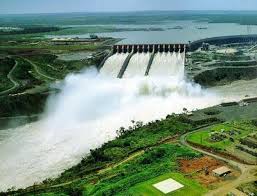
What is an example of a renewable resource?
water (hydroelectric)
oil
coal
fossil fuel
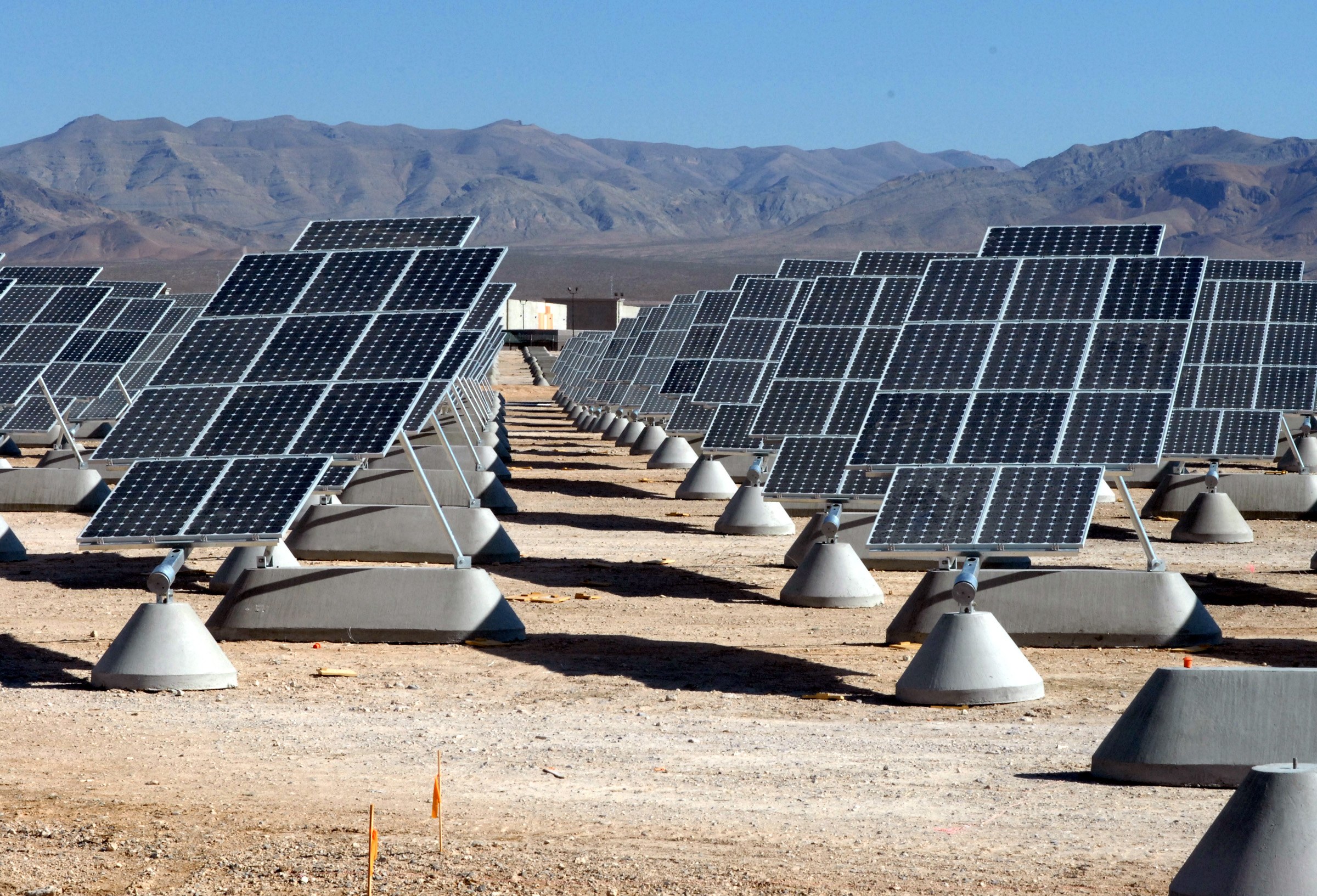


The sun is the main source of all energy on Earth.
true
false

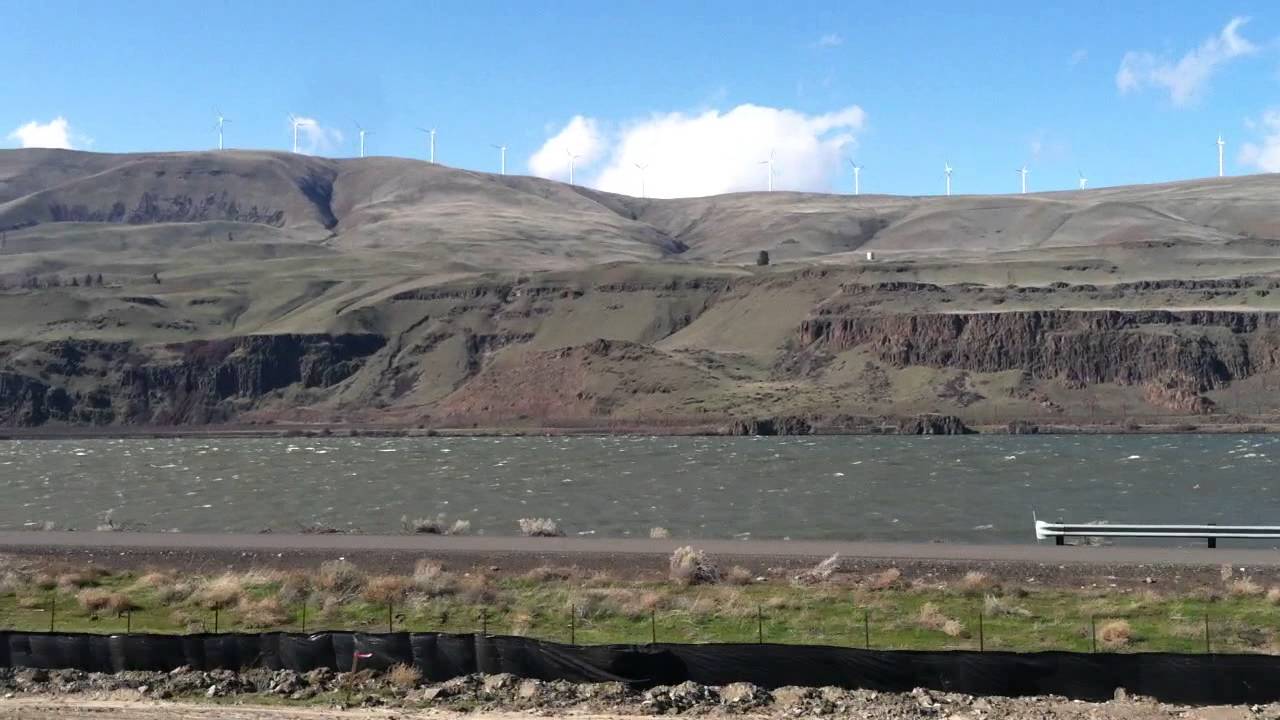
What type of energy is created using these wind turbines.
Geothermal
Hydro
Wind
Nuclear


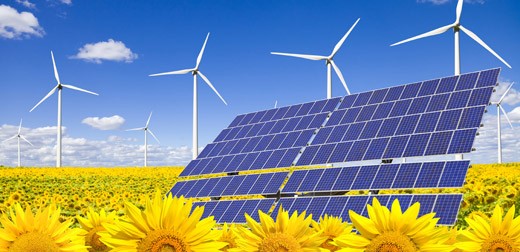
__________ is an energy resource that WILL NOT run out in the next several hundred years.
Renewable Energy Resource
Nonrenewable Energy Resource
Fossil fuels
biodegradable
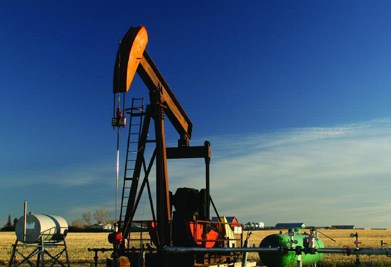
__________ is an energy resource that WILL run out in the next several hundred years.
Renewable Energy Resource
Nonrenewable Energy Resource
natural resources
pollution
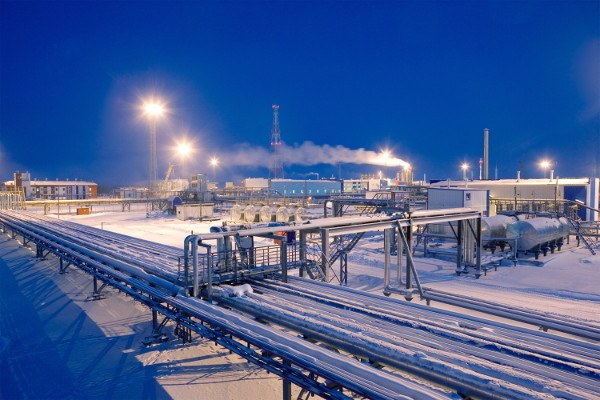
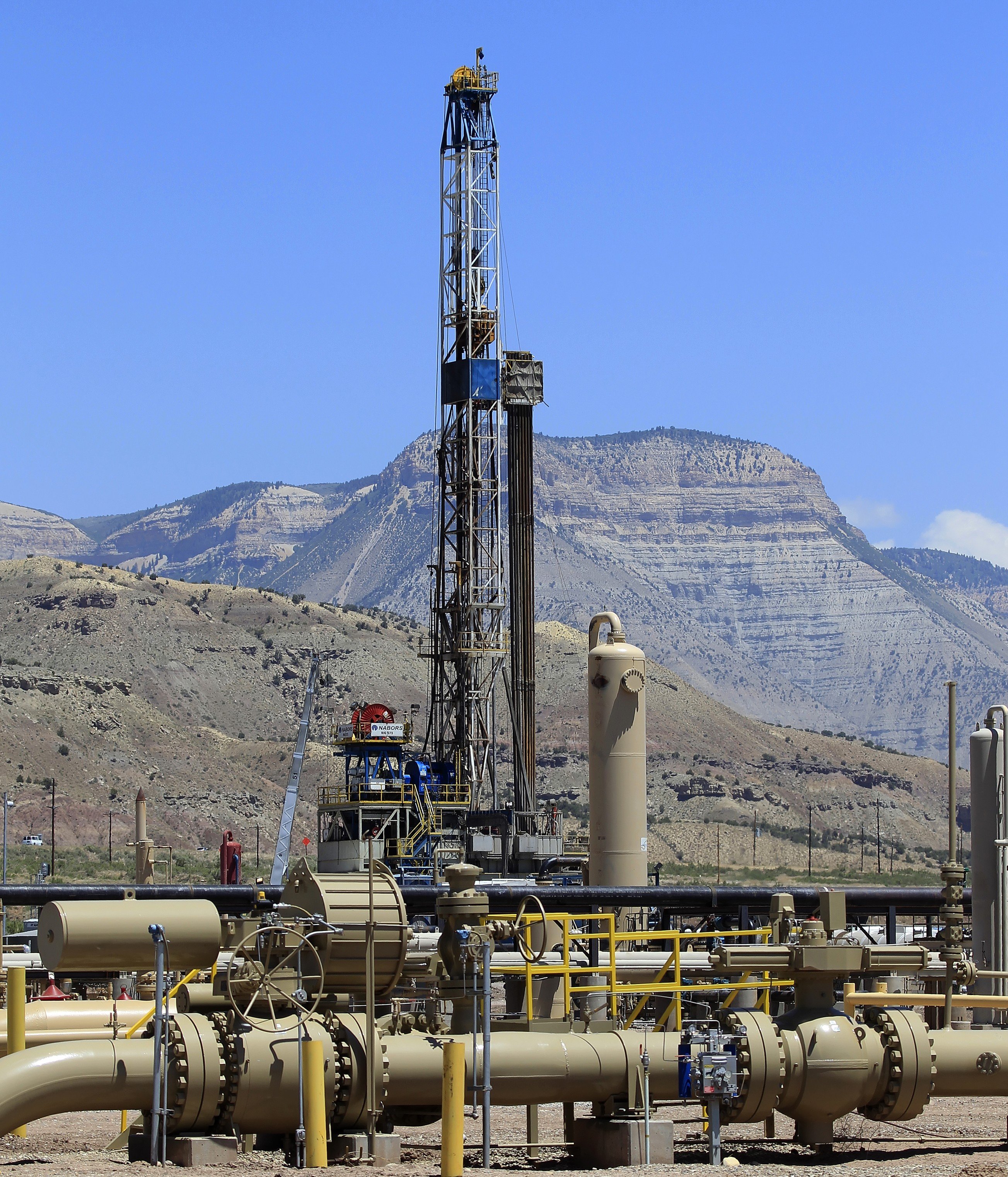
What is a fossil fuel?
oil
biomass
wind
hydro

Do Renewable energy sources run out?
Yes
No
maybe
I don't know

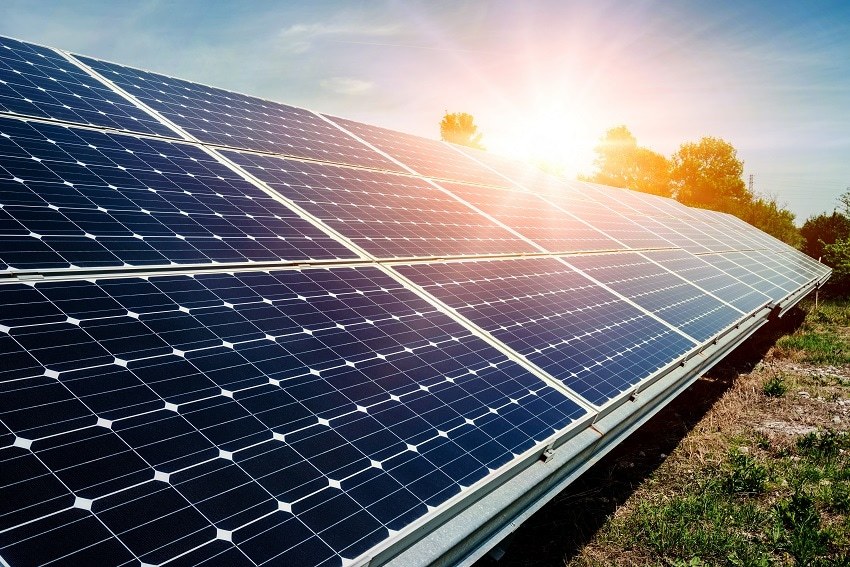
Sunlight is...
Very bright
Will eventually run out soon
A renewable resource
A nonrenewable resource
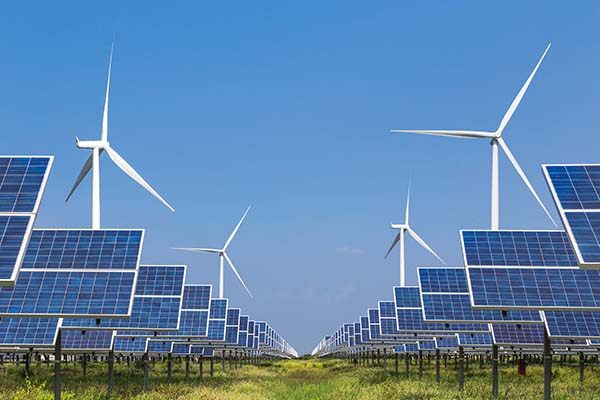
What are renewable resources?
A limited amount and cannot be replaced in a human life time.
Plastic bags
Coal, oil, and natural gas
Can be replaced in our lifetime through natural processes
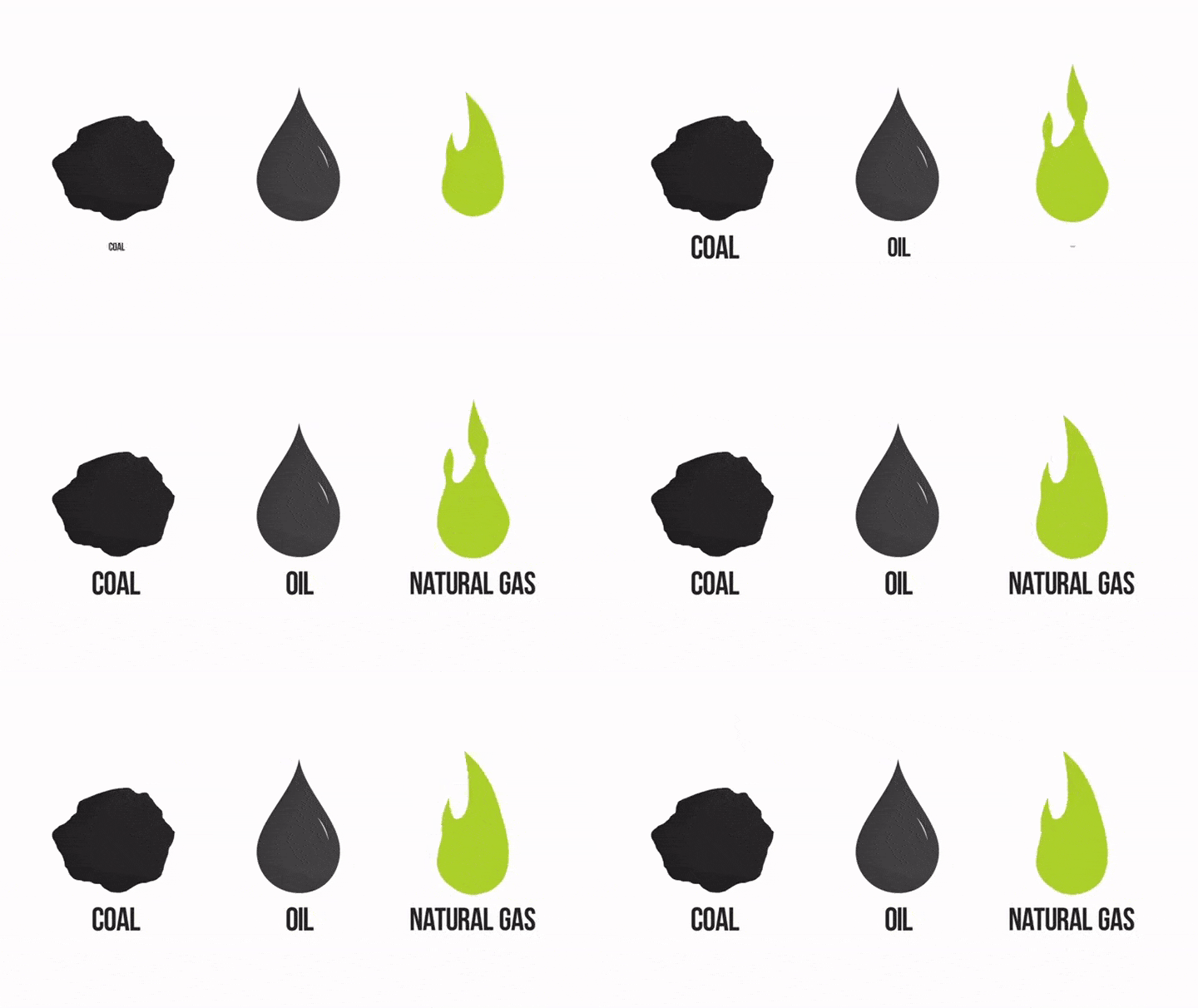
A group of non-renewable resources, called ______________, include coal, oil, and natural gas.
Fossils
Energy
Resources
Fossil fuels
How can we conserve energy?
use less coal, oil, and natural gas.
use fabric bags instead of plastic.
use public transportation instead of driving a car.
All of the above
Which statement is true?
Oil is an example of a renewable resource.
Humans are a renewable resource
Wood is an example of a nonrenewable resource.
Fish are an example of a renewable resource.
How so we get energy from the sun?
Sunlight can generate electricity straight from the sky.
Solar panels use the sun to power turbines.
Solar panels can convert sunlight into electrical energy.
Solar panels generate their own electricity.

Trees are renewable resources.
True
False

Coal is a renewable resource.
True
False

Wind is a renewable resource.
True
False

Oil is a renewable resource.
True
False

Water is a renewable resource.
True
False

The sun is a renewable resource.
True
False

Which of the following resources WILL eventually run out?
natural resources
renewable resources
nonrenewable resources

What type of energy generates from natural sources that can be replaced over a relatively short time scale?
Kinetic Energy
Renewable Energy
Nonrenewable Energy
Potential Energy

Please select the correct answer that has the 5 types of renewable energies.
Solar, Wind, Coal, Hydro, and Geothermal
Solar, Wind, Hydro, Geothermal and Gas
Solar, Wind, Hydro, Geothermal, and Biomass
Oil, Solar, Wind, Coal, and Hydro

Choose the 4 types of Nonrenewable energies.
Coal, Gas, Oil, and Nuclear Energy
Coal, Gas and Solar
Coal, Wind, Gas and Hydro
Coal, Gas, Oil and Biomass

What does the sun/solar do for us?
use wind to help create renewable energy
transform the sun's rays into energy
uses food to make electricity
is vital for turning water into drinking
Energy that cannot be replaced in our lifetime
Nonrenewable Energy
Renewable Energy
Geothermal
Alternative Energy
Energy that is made from the power of moving water
Hydroelectric
Coal
Biomass
Wind
Energy that is made from heat inside Earth
Coal
Fossil Fuels
Geothermal
Solar
To use wisely to prevent waste; save
Conservation
Renewable Energy
Solar
Hydroelectric
Working in the best way with little wasted time or effort
Hydroelectric
Conservation
Efficient
Alternative Energy
Plant materials or animal waste used as fuel
Coal
Geothermal
Wind
Biomass
Which of these resources are NOT renewable?
gasoline
sunlight
wind
corn


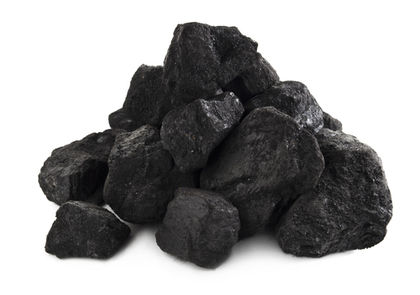
How long does it take to "make" fossil fuels?
hundred years
millions of years
a few years
thousands of years


What type of energy transformation happens in hydro-electric power?
kinetic to potential
sound to mechanical
chemical to electrical
mechanical to electrical
A disadvantage of using nonrenewable energy sources is that they __.
cause pollution
are very expensive
can be used over and over
only take a few years to be able to reuse
Geothermal energy is derived from:
Sunlight
Fossil fuels
Earth's internal heat
Wind
Which of the following is considered an alternative clean energy source?
Petroleum
Natural gas
Nuclear energy
Wind power
How can energy efficiency be achieved in buildings?
Increasing the use of nonrenewable resources
Reducing insulation in walls and roofs
Using energy-saving appliances
Increasing energy consumption
This resource uses mined Uranium to convert to Plutonium through fission (splitting of atoms) . What resource is it?
Hydroelectic Power Plants
Geothermal Power
Nuclear Power
Wave Power
Renewable resource that uses plant material and animal waste that is converted into fuel.
Bio-fuel
Coal
Petrolium
Peat Harvesting

