
 Worksheets
Kingdom Animalia
Total questions: 40
Worksheet time: 49mins

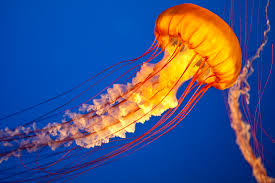
radially symetric animals have______________ layers of tissue
1
2
3
4
piitbull
bilaterally symetric animals have______________ layers of tissue
1
2
3
4
piitbull
in protostomes which forms first?
anus
mouth
in deuterostomes which forms first?
anus
mouth
Having a fluid filled body cavity within the mesoderm
coelom
pseudocoelom
acoelomate
Having a partially lined cavity within the mesoderm
coelom
pseudocoelom
acoelomate
The concentration of the sense organs on one side of the animal is called
cephalization
protostome
segmentation
deuterostome
Usual mode of reproduction: Sexual
Type of fertilization: External
Embryology: Blastopore contributes to the formation of anus; cleavage is radial
Symmetry: Immature form is bilateral; mature form is five-part radial
Body cavity: Lined with tissue derived from mesoderm
Segmentation: No evidence
Skeleton: Spiny exoskeleton secreted by the dermis and covered with a thin epidermis
Habitat: marine
Into what phylum should this organism be placed?
Chordata
Echinodermata
Mollusca
Nematoda
Coelomate, exoskeleton and jointed appendages are characteristics of
Annelida
Arthropoda
Mollusca
Chordata
Pharyngeal slits, endoskeleton derived from mesoderm and ventral heart are characteristics for
Annelida
Chordata
Cnidaria
Nematoda
The ciliated, free-swimming larva of the cnidarian is called a _______________.
blastula
planula
meusa
polyp
Which phylum and species that has these characteristics
Pseudocoelomate narrow body pointed at both ends Locomotion by contraction of longitudinal muscles Dioecious
Annelida - Pheretima sp
Nematoda - Achatina sp
Nematoda - Ascaris sp
Annelida - Asterias sp
Which of the following is not an arthropod characteristic?
Jointed appendages
Nonsegmented body
molting
exoskeleton
Which phylum is comprised of acoelomate, bilaterally symmetrical and tripoblastic organisms?
nematoda
chordata
porifera
platyhelminthes
Which of the following group of animals is sessile?
jellyfish
cockles
sponge
coral
Which phylum is comprised of coelomate, bilaterally symmetrical, non segemented and tripoblastic organisms?
platyhelminthes
mollusca
cnidaria
echinodermata
Which of the following characteristics is found in all molluscs?
mantle
shell
visceral mass
muscular foot
Which of the following features could be used to distinguish between an earthworm (annelid) and a tapeworm (platyhelminth)?
segmentation
germ layer
body coelom
organization level
The nematodes are also called _________________.
flatworms
roundworms
tapeworms
earthworms
Which phylum and species that has these characteristics
- triploblastic
- acoelomate
- specialized excretion cells called flame cell
- has mouth but no anus
- hermphrodite
Platyhelminthes - Ascaris sp
Annelida - Brugia sp
Platyhelmintes - Taenia sp
Annelida - Pheretima sp
All chordates have _________ at some stage in their life cycle
myosin
pharyngeal gills
notochord
anus
dorsal hollow nerve cord
Which are correctly matched?
Nematoda - Agaricus sp
Cnidaria - Obelia sp
Chordata - Amphioxus sp
Arthropoda - Valanga sp
Echinodermata - Asterias sp

Specialized tissue in sponges are
erythrocytes
choanocytes
porocytes
amoebocytes
Unique characteristics of cnidaria are
triploblastic
exhibit dimorphism
have coelom
have specialized stinging cells, cnidocytes
consists of protective epidermis and gastrovascular cavity
Which phylum and species that has these characteristics
- bilateral symmetry
- have chaetae/ setae
- have paired of metanephridia
- coelomate
Annelida - Ascaris sp
Nematoda - Acatina sp
Arthropoda - Taenia sp
Annelida - Pheretima sp

This animal is classified under
Nematoda
Annelida
Chordata
Mollusca

Name this species
Saccharomyces cerevisiae
Achatina Fulica
Ascaris lumbricoides
Saccharomyces cerevisiae

What's class are that species?
Aves
Mollusca
Annelida
Pisces

Sponges is classified in...
Phylum Chordata
Phylum Coelenterata
Phylum Porifera
Phylum Platyhelminthes
Which one of these species that doesn't have true tissue?


Jellyfish is classified in...
Phylum Porifera
Phylum Coelenterata
Phylum Arthropoda
Phylum Nematoda

Which one is not true about Phylum Platyhelminthes?
Flatworms
No true tissue
Acoelom
Simple circulation
Many parasitic

Snails are classified in phylum...
Arthropoda
Mollusca
Annelida
Nematoda
Which one of this species is classified in Echinodermata phylum?



