
 Worksheets
3rd Preliminary Examination in Science 6
Total questions: 55
Worksheet time: 5hrs 22mins

The animal in the picture is a(n) ______ because it has a ______.
invertebrate ... backbone
vertebrate ... backbone
reptile ... backbone
backbone ... skeleton
The balance of body parts in an animal is called ________.
symmetry
asymmetry
left and right
similarity

All the animals in the pictures are
swimming.
mollusks.
reproducing.
invertebrates.
Choose the animals with bilateral symmetry


The following objects are all found in nature. What do they have in common?
Living cells
Radial symmetry
Tissues
Nothing is similar

A frog lives in the rainforest and cannot make it's own heat to warm up. A kangaroo can control it's own temperature and make internal heat. Which animal would survive better in the Alaska tundra?
Frog would survive better.
Kangaroo would survive better.
Both would survive well.
Both would die right away.
Animals with bilateral symmetry have a left and right side. They also have ______ useful for ______.
eyes .... hunting
tail ... hunting
brain ... feeling
legs ... flying

This chart represents how many species are in each phylum of the animal kingdom. Which phylum has the greatest variety of life?
True Worms
Invertebrates
Vertebrates
Insects
Having an exoskeleton can help an animal...
be protected.
be supported.
have structure.
move.

All of these animals
are multicellular.
require energy.
can only be seen with a microscope.
contain water, proteins, and fat.
respond to surroundings.
Most animals that have been discovered on earth are invertebrates. Choose the groups of animals below that are invertebrates.
Arthropods
Marsupials
Sponges
Reptiles
Echinoderms

How can you describe the symmetry here?
It has many lines of symmetry that radiate from the center, like pizza.
It has 3 lines of symmetry.
It has one line of symmetry that divides the animal in 2 halves.
It has no symmetry.

This thing is multicellular. It can eat, use energy, grow, and get rid of waste. It attaches itself to rocks in the ocean. Is it living?
Yes
No
My teacher finds ugly pictures
It is possible
Vertebrates are more complex than sponges...
... because they are bigger.
... because they have cells, tissues, organs, and organ systems that are organized to work together.
... because they are made of cells.
... because they live longer.

This Arctic seal has ________ symmetry and it _________ make its own internal heat.
left and right.... cannot
bilateral ... can
radial ... can
some ... cannot
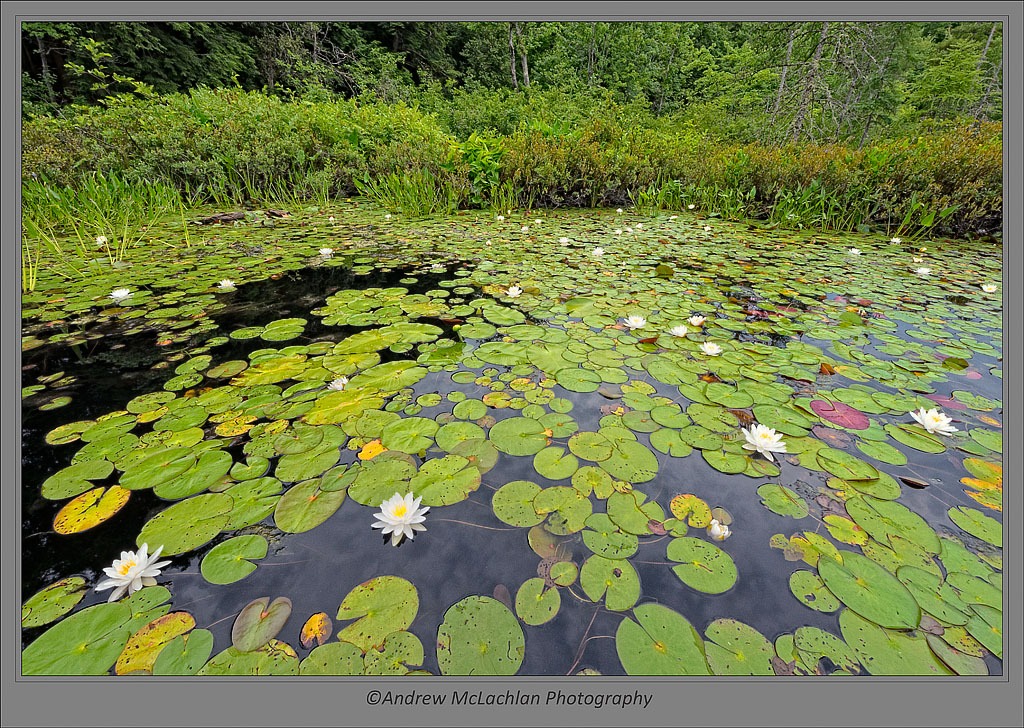
What is a habitat?
A way an animal behaves.
A group of the same animals living together.
A specific place where an animal naturally lives.
When an animal lives in a place that is not their home eg. a zoo
What habitat has the most amount of trees?
Rainforst
Desert
Grasslands
Arctic
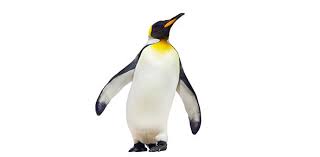
Where does this animal live?
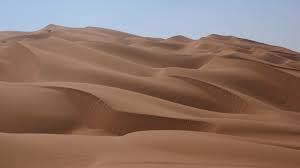
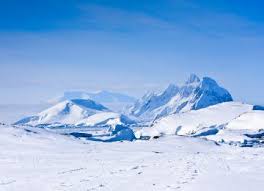
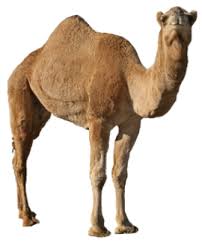
Where does this animal live?
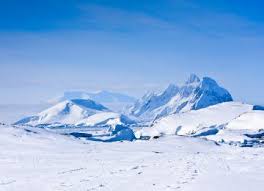
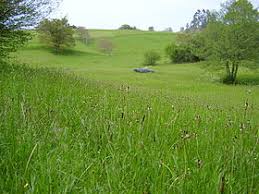
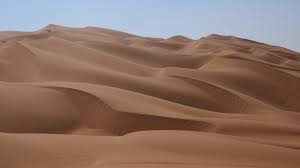
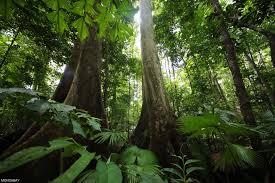
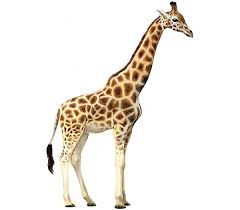
Where does this animal live?
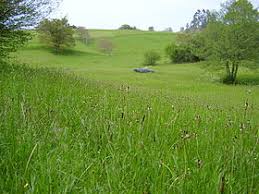
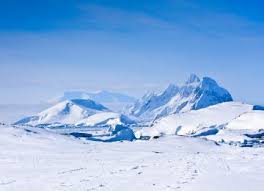
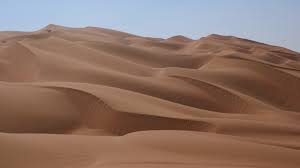
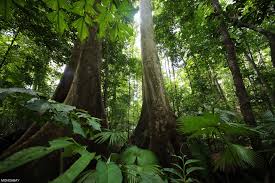
These are habitats found on LAND.
Aquatic Habitats
Terrestrial Habitats
Aerial Habitats
These are habitats found on WATER.
Aquatic Habitats
Terrestrial Habitats
Aerial Habitats
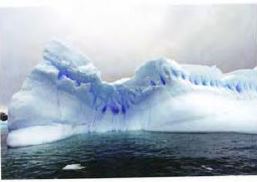
polar region
ocean
jungle
desert
mountains
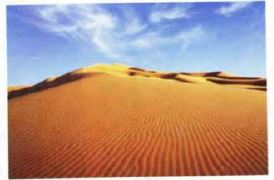
polar region
ocean
jungle
desert
mountains
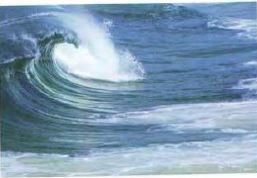
polar region
ocean
jungle
desert
mountains
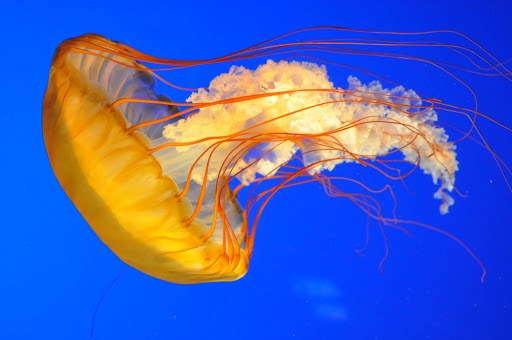
Where do you find jellyfish?
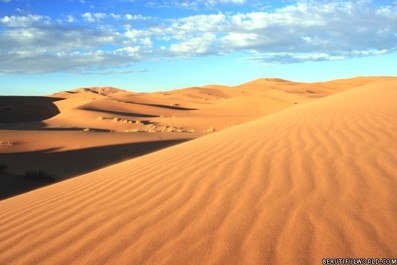
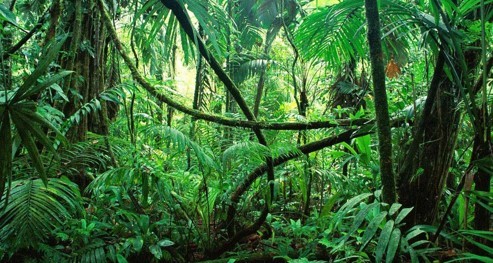
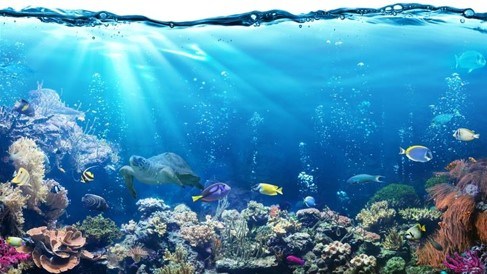
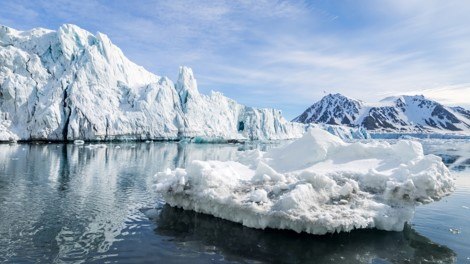
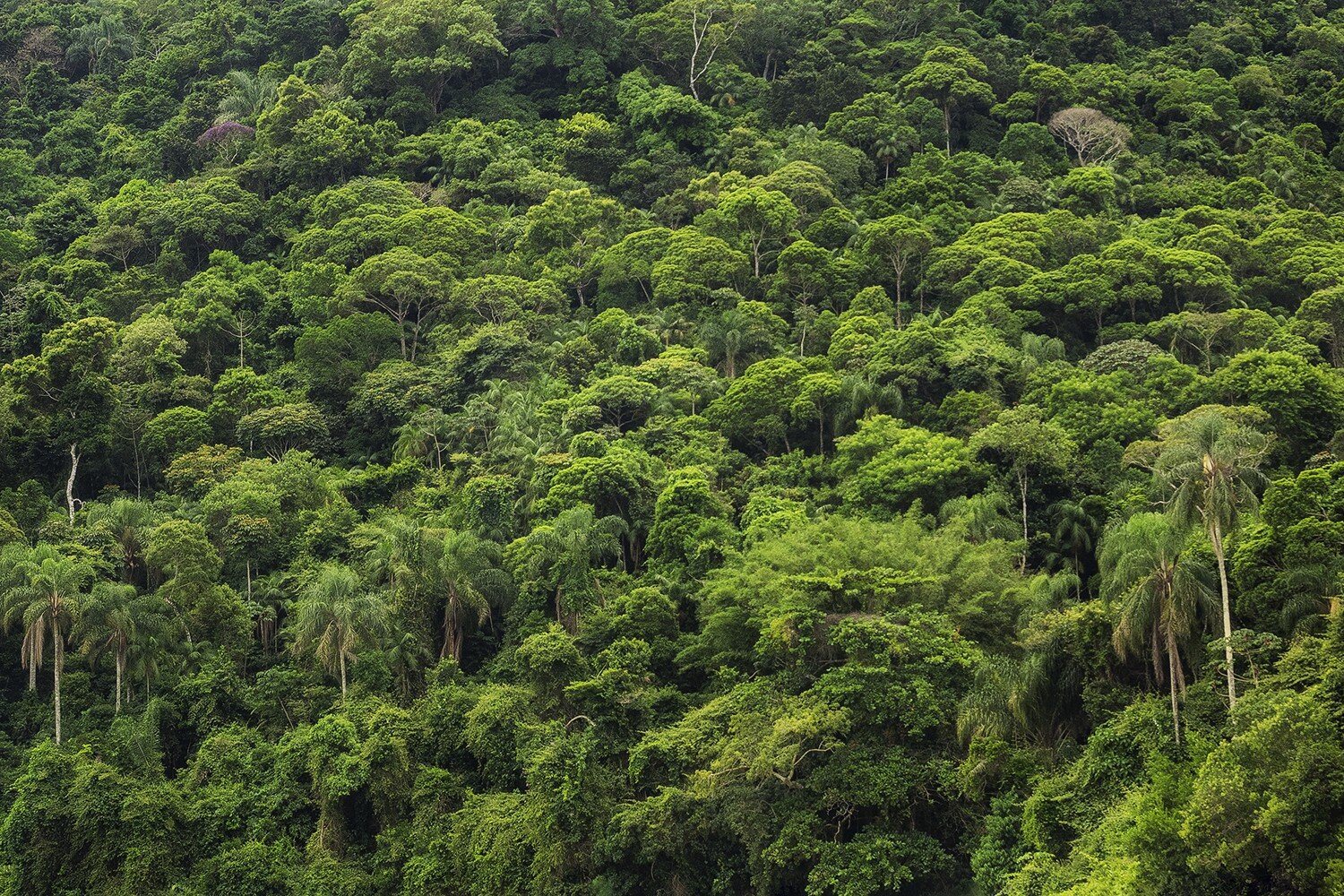
What's the name of this habitat?
Forest
Desert
Ocean
Tundra

_________ habitat involves sky.
Arboreal
Marine
Aerial
Freshwater

Which of the following animals is an aerial animal?
Whale
Monkey
Toucan Bird
Gecko

terrestrial
aquatic
arboreal
Animals need _______, ______, _______and ________in their environment to survive.
meat, leaves, water, dirt
food, water, air, space
coats, shorts, shirts, tank tops
books, snacks, water, juice
Terrestrial animals live _____.
on land
in water
in trees
Abiotic means
living
nonliving
What is the difference between the biotic and abiotic factors?
Biotic factors are living things and abiotic factors are nonliving things.
Biotic factors are nonliving things and abiotic factors are living things.
What is a example of a abiotic factor?
Panda
Bacteria
Butterfly
Weather
Temperature is an example of what kind of factor?
biotic
abiotic
dead
living
Which is an example of a seasonal change to a biotic factor?
Temperatures get cooler in the fall.
Hours of sunlight increase the summer.
Birds fly south for the winter.
Rainfall increases in the spring.
Which is an example of a biotic factor in the environment?
The climate in the region
Carnivores that consume other animals
Amount of helium gas in the air
Flow of water in a river
Which is an example of an abiotic factor in a pond environment?
The water
A frog
A grasshopper
A snake
Nonliving elements in an ecosystem are called _______________.
biotic factor
abiotic factor
limiting factor
fear factor
Lizards and cacti are biotic factors in a desert ecosystem that would rely on which abiotic factors?
insects and sun
water and insects
snakes and temperature
water and soil
What is an example of a biotic factor?
bear
rocks
soil
water
An organisms in an environment is a
abiotic factor
biotic factor
Which of the following is a biotic factor?
sun
temperature
soil
grass
Which of the following is an abiotic factor?
mushroom
air
elephant
coyote
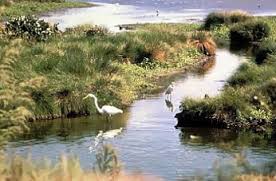
What are the abiotic factors in this image?
water, sunlight, dirt, air
birds, trees, and sunlight
water, trees, and birds
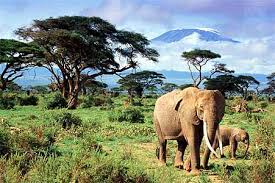
Which of the following shows an abiotic factor interacting with a biotic factor in the environment?
Lamprey eels survive by attaching themselves to trout.
Water temperature affects its oxygen level.
Low light intensity affects the growth of forest pine trees.
Gypsy moth caterpillars eat the leaves of apple tree.
Which of the following is an abioitic factor that could affect biotic factors?
Population of rabbits.
Length of daylight.
Presence of harmful bacteria.
Number of herbivores.

