
Font size
S
M
L
XL
 Worksheets
animals
Total questions: 44
Worksheet time: 30mins
Name
Class
Date
1.

It is a
a)
Fish
b)
Mammal
c)
Bird
d)
Molluscs
2.
Animals are divided into vertebrates and invertebrates
a)
True
b)
False
3.
Vertebrates don't have a backbone
a)
True
b)
False
4.
Animals that have hair or fur are...
a)
Mammals
b)
Birds
c)
Fishes
d)
Reptiles
5.
Vertebrates are divided into five groups: Mammals, birds, fish, reptiles and amphibians.
a)
True
b)
False
6.
Birds are viviparous (born from the mother's womb)
a)
True
b)
Flase
7.
Animals that have feathers, two wings, two legs and beak are...
a)
Amphians
b)
Cows
c)
Elephants
d)
Birds
8.
Animals that are covered with scales and use gills to breathe in the water are...
a)
Fish
b)
Chicken
c)
Baby tiger
d)
Cocodrile
9.

The spider is...
a)
Vertebrate
b)
Invertebrate
10.

Octopus is...
a)
Vertebrate
b)
Invertebrate
11.

Cows are...
a)
Vertebrate
b)
Invertebrate
12.

The snake is classified into...
a)
Mammals
b)
Reptiles
c)
Amphibians
d)
Birds
13.

Frogs are classified into...
a)
Amphibians
b)
Mammals
c)
Reptiles
d)
Insects
14.
They lay SOFT eggs in water
a)
Birds
b)
Amphibians
c)
Fish
d)
Amphibians and Fish
15.
Arthropods are
a)
Vertebrates
b)
Invertebrates
16.
Birds are viviparous (born from the mother's womb)
a)
True
b)
Flase
17.
What animals need to stay alive?
a)
Coke, shelter and videogames
b)
Air, water and soda
c)
Air, water, food and shelter
d)
All of them are incorrect
18.
Viviparous animals
a)
give birth to live babies
b)
lay eggs
c)
are invertebrates
d)
are herbivores
19.
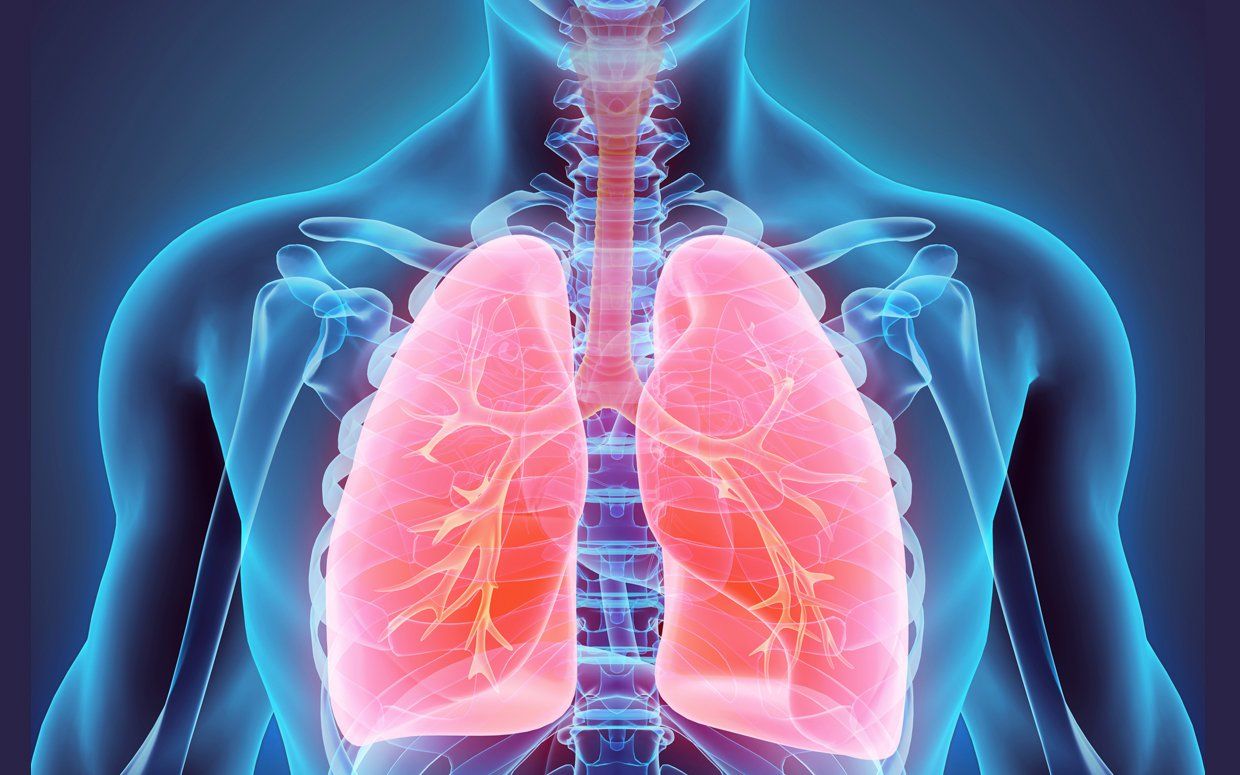
What animals breathe with their lungs?
a)
Mammals and birds
b)
Fish and chips
c)
Mammals, birds, reptiles and adult amphibians
d)
Humans, birds and sharks
20.
Which group of animals have bodies covered with scales or shell?
a)
Turtles
b)
Amphibians
c)
Reptiles
21.
Which groups of invertebrates exist?
a)
Arthropods, molluscs and worms
b)
Arachnics, worms, molluscs and echinoderms
c)
Sponges, insects, worms, molluscs and arthropods
d)
Arthropods, cnidarians, porifera, worms, echinoderms, molluscs
22.

A leech is a
a)
Annelid
b)
Arthropod
c)
Echinoderm
d)
Porifera
23.

Where does the jellyfish live?
a)
Farms
b)
Forests
c)
Sea
d)
Deserts
24.
Which animals are invertebrates?
a)
b)
c)
d)
25.

The bat is a ______________ animal
a)
Oviparous
b)
Viviparous
26.
They don´t regulate their own body temperature. They are...
a)
Poiquiloterms
b)
Homeoterms
c)
Option 1 and 2 are correct
d)
Ecthoterms
27.
The Osculum is to...
a)
absorb nutrients from water
b)
expel waste substances
c)
expel carbon dioxide
d)
absorb oxygen
28.

1. What are the different types of symmetry in animals?
a)
Unilateral or radial.
b)
Bilateral or radial.
c)
Bilateral or cubital.
d)
Trilateral or cubital
29.

Omnivores eat ...
a)
Plants.
b)
Animals.
c)
Animals and plants.
d)
Nothing
30.

In oviparous animals, the embryo develops ...
a)
Inside the mother’s body.
b)
Inside an egg, which the mother expels after it hatches.
c)
Inside an egg, which the mother expels before it hatches.
d)
Inside the water
31.

What kind of symmetry do vertebrates have?
a)
They do not have any symmetry.
b)
Radial.
c)
Bilateral.
d)
Trilateral
32.

The tracheae open up to the outside through the...
a)
Alveoli.
b)
Lungs.
c)
Spiracles
d)
Holes
33.

Reptiles breathe through...
a)
Tracheae
b)
Gills
c)
Lungs
d)
water
34.

Circulatory systems may be...
a)
Open or closed.
b)
Open or cyclical.
c)
Open or non-cyclical.
d)
Always open
35.

The circulatory system of molluscs is...
a)
Open
b)
Cyclical
c)
Closed
d)
high
36.

The excretory organs in arthropods are...
a)
The Malpighian tubules
b)
The lungs.
c)
The kidneys
d)
Pores
37.

Where is urine produced in vertebrates?
a)
In the stomach.
b)
In the kidneys.
c)
In the intestine
d)
Malpihian tubules
38.

Describe the nervous system in jellyfish?
a)
Nerves.
b)
A network of neurons.
c)
Cerebral ganglia.
d)
A brain
39.

Hormones are produced by...
a)
The endocrine system.
b)
The respiratory system.
c)
The nervous system.
d)
The heart
40.

What enables animals to move about?
a)
The digestive system.
b)
The secretion system.
c)
The locomotor system.
d)
The circulatory system
41.

In which type of reproduction do buds form...
a)
Fragmentation.
b)
Division.
c)
Budding.
d)
Oviparous
42.

How do starfish reproduce?
a)
Multiple fission.
b)
Budding.
c)
Fragmentation.
d)
Viviparous
43.

The male gonads are the...
a)
Testicles
b)
Spermatozoa.
c)
Ovaries.
d)
Eggs
44.

Describe fertilisation in whales?
a)
Mixed.
b)
External.
c)
Internal.
d)
They do not have fertilisation
Reset

