
 Worksheets
Landmark Supreme Court Cases
Total questions: 20
Worksheet time: 20mins
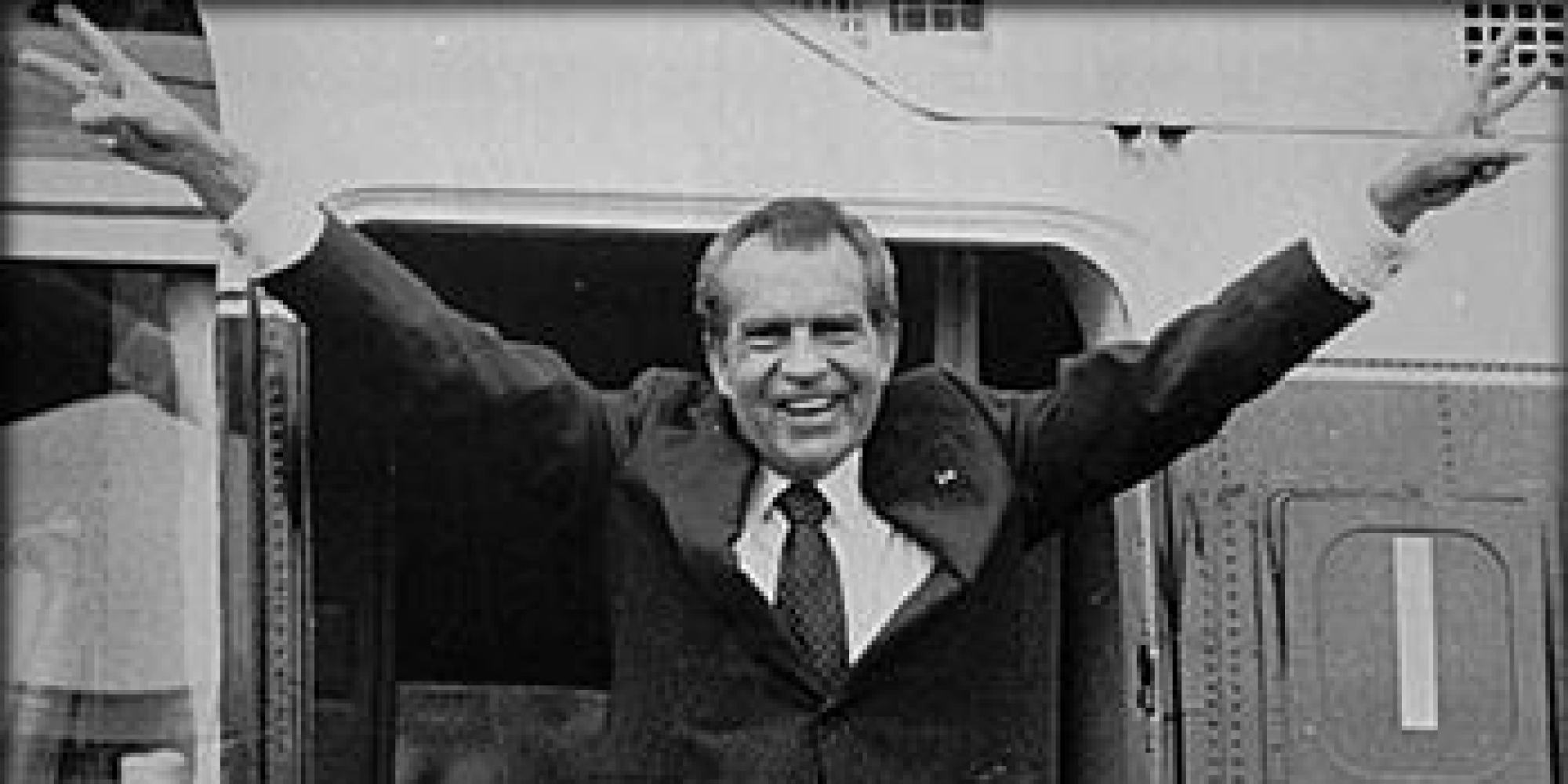
No one is above the law...not even the president.
Bush v. Gore
Marbury v. Madison
Miranda v. Arizona
U.S. v. Nixon
What is it called when the U.S. Supreme Court decides whether something is legal or illegal (unconstitutional)?
supreme court review
due process
segregation
judicial review
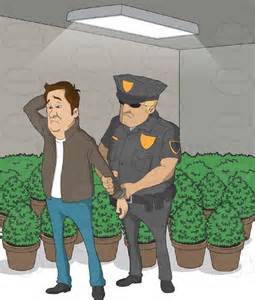
Suspects cannot be questioned (interrogated) until they are informed of their rights (right to remain silent, right to an attorney, etc.)
Brown v Board of Education
Miranda v Arizona
Tinker v Des Moines
Bush v Gore
Established the Supreme Courts power of “Judicial Review” to see if laws are Constitutional / Unconstitutional. (Judicial Branch interprets the laws)
Marbury v Madison
Hazelwood v Kuhlmeier
In Re Gault
District of Columbia v Heller
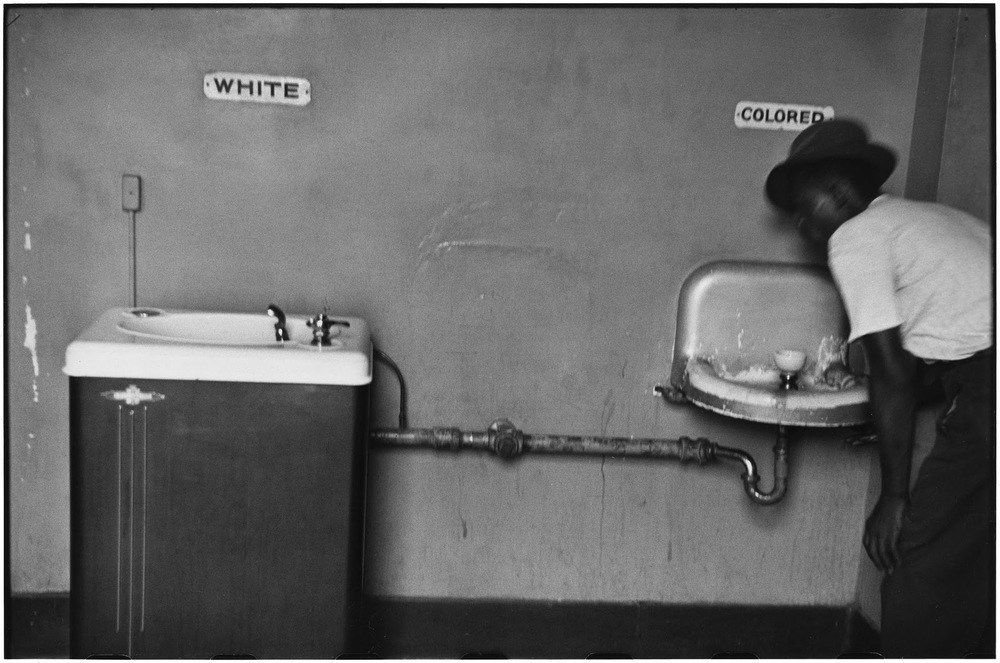
Established “Separate but Equal”, which provided separate public facilities for both whites and blacks as long as they were equal.
District of Columbia v Heller
In Re Gault
Brown v Board of Education
Plessy v Ferguson
A person accused of a crime no matter how poor has the right to an attorney during trial. Enforces the 6th Amendment.
Tinker v Des Moines
Gideon v Wainwright
Miranda v Arizona
United States v Nixon
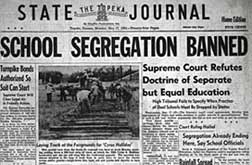
Ruled that “Separate but Equal” was Unconstitutional.
Hazelwood v Kuhlmeier
Marbury v Madison
Plessy v Ferguson
Brown v Board of Education
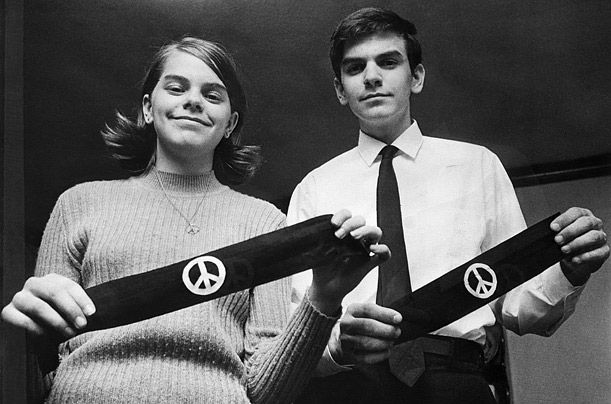
Students have the right to free speech at school as long it doesn’t disrupt school activities. (wearing black armbands in protest)
In Re Gault
District of Columbia v Heller
Hazelwood v Kuhlmeier
Tinker v Des Moines
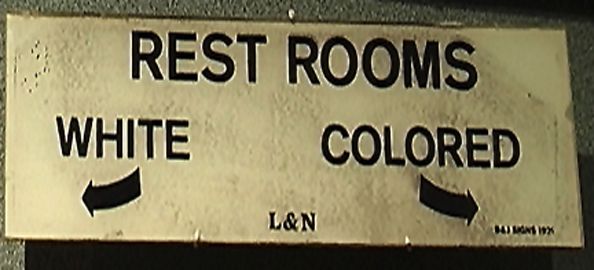
Legal or social separation of races.
Segregation
Lobbying
Boycotting
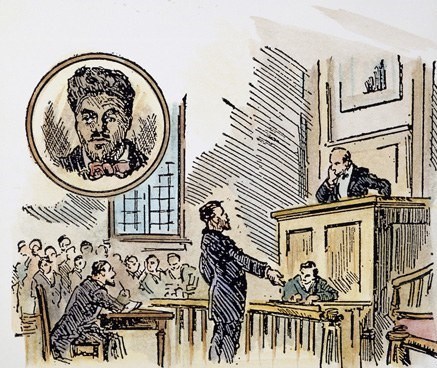
What was the Supreme Court's decision in the Dred Scott case?
That slavery diminished the national character.
That African American rights were protected by the Constitution.
That African Americans did not have the right to sue in federal court because they were not citizens
That slavery should be abolished by executive order
What is called when someone is being forced to testify against oneself?
self-incrimination
reflection
self-process
judicial review
Which statement accurately summarizes the impact of the Gideon v. Wainwright (1963) decision?
It incorporated the 4th Amendment to state and local governments
It required that police officers inform suspects under arrest of the 5th and 6th Amendment rights
It incorporated the right to legal counsel, as protected under the 6th Amendment, to state and local governments
It increased states' power to restrict freedom of speech when it is shown to increase danger to public safety
“From the very beginning, our state and national constitutions and laws have laid great emphasis on procedural and substantive safeguards designed to assure fair trials before impartial tribunals in which every defendant stands equal before the law. This noble ideal cannot be realized if the poor man charged with crime has to face his accusers without a lawyer to assist him.”
-Justice Hugo Black
Which of the following statements is most consistent with the author’s argument in this passage?
Defendants cannot be equal before the law if some cannot afford lawyers
Paid lawyers are better than public defenders at protecting the accused
State constitutions have always guaranteed the right to counsel for all defendants
What was the issue in Tinker v. Des Moines (1969)?
The students and parents sued the school district claiming a violation of their first Amendment right of freedom of speech.
The school district wanted to search the bags of the students.
The parents did not want their children wearing black arm bands in school.
The students felt that their freedom of religion was violated.
Why did John & Mary Beth Tinker and Chris Eckhardt wear black arm bands?
To Protest the war in Vietnam.
They disagreed about taxes.
To protest the 4th amendment.
To support WWII veterans.

