Wayground logo

Free Printable Worksheets

Font size

S
M
L
XL
Worksheets

Human body

Total questions: 40

Worksheet time: 27mins

Name
Class
Date
1.

The brain is a part of the _______

a)

Circulatory system

b)

Respiratory system

c)

Digestive system

d)

Nervous system

2.

What is the heaviest organ in the human body?

a)

Brain

b)

Liver

c)

Stomach

d)

Heart

3.

What is the weakest bone in human body?

a)

Clavicle

b)

Spinal chord

c)

Femur

d)

Carpals

4.

How many organs does the female body have?

a)

95

b)

49

c)

78

d)

15

5.

Why is blood red?

a)

Because of oxygen

b)

Because of platelets

c)

Because it's nucleated

d)

Because of Hemoglobin

6.

What is the most useless organ in the human body?

a)

Appendix

b)

Urethra

c)

Rectum

d)

Diaphragm

7.

What part of the brain is responsible for storing memory?

a)

Cerebrum

b)

Cerebellum

c)

Amygdala

d)

Confrontal lobe

8.

platelets help in ______

a)

fighting against germs

b)

transporting oxygen

c)

maintaining body temperature

d)

clotting of blood

9.

your nails and hair are made of ________

a)

ammonium sulphate

b)

calcium

c)

keratin

d)

protein

10.

the cervical part of your vertebrae consists of

a)

12 bones

b)

7 bones

c)

5 bones

d)

9 bones

11.

what is the name of the bone at the end of your spine

a)

femur

b)

radius

c)

cocyx

d)

verex

12.

How many valves are in the heart?

a)

7

b)

4

c)

2

d)

3

13.

what are tears made of ?

a)

oxalic acid

b)

hydroxilenda

c)

elecrolytes

d)

blood

14.

On average,when does your spinal cord stops growing?

a)

4 years old

b)

18 years old

c)

25 years old

d)

12 years old

15.

nephrology is study of

a)

heart

b)

cells

c)

brain

d)

kidneys

16.

what are the main parts of the brain?

a)

7

b)

3

c)

5

d)

2

17.

Another name for your voice box is the

a)

voxical

b)

larynx

c)

pharynx

18.

what is respiration ?

a)

the breakdown of organic compounds into simpler compounds accompanied by the release of energy

b)

the movement of air into and out of the lungs

c)

maintaining constant body temperature

d)

releasing energy from glucose

19.
The nutrients in food that supply the human body with energy.
a)
carbohydrates
b)
fats
c)
minerals
d)
proteins
20.

Which bone do you see in the image?

a)

nasal bone

b)

frontal bone

c)

temporal bone

d)

occipital bone

21.

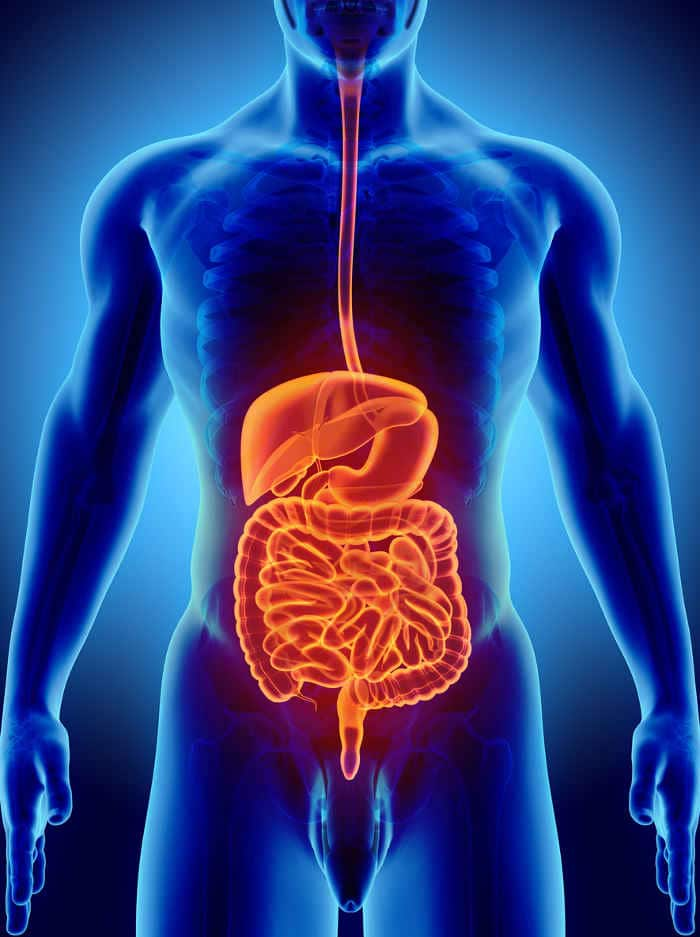
Which human system do you see in the image?

a)

digestive system

b)

respiratory system

c)

circulatory system

d)

nervous system

22.

The system that provides movement, support, and blood cells to the body is?

a)

skeletal system

b)

muscular system

c)

digestive system

d)

urinary stystem

23.

Red blood cells are made in the?

a)

heart

b)

bone marrow

c)

kidneys

d)

brain

24.

Which type of waste is removed by the respiratory system?

a)

carbon dioxide

b)

bile

c)

urine

d)

amino acids

25.
What organ system in the human body is responsible for producing offspring?
a)
Endocrine System
b)
Lymphatic System 
c)
Reproductive System
d)
Respiratory System
26.
What organ system in the human body is responsible for sending chemical messages throughout the body? 
a)
Endocrine System
b)
Lymphatic System
c)
Reproductive System
d)
Nervous System
27.
What organ system in the human body is responsible for fighting bacteria and other harmful foreign invaders? 
a)
Endocrine System
b)
Reproductive System
c)
Integumentary System
d)
Lymphatic System
28.
Which of the following is the correct order of organization smallest to largest? 
a)
atom, molecule, cell, tissue, organism, organ, organ system, population, ecosystem
b)
atom, molecule , cell, tissue, organ, organ system, organism, ecosystem, population
c)
atom, molecule, cell, tissue, organ, organ system, organism, population, ecosystem
d)
ecosystem, population, organism, organ system, organ, tissue, cell, molecule, atom
29.
Your tibia and fibula are located in your
a)
back
b)
arm
c)
leg
d)
wrist
30.

a group of similar cells that does a particular job or function

a)

cells

b)

tissue

c)

organs

d)

organ systems

31.

Which of the following organs in a human body does the ribcage protect?

a)
b)
c)
d)
32.

There are about _______ muscles in our body.

a)

602

b)

206

c)

460

d)

640

33.

New born babies have _____ bones.

a)

200

b)

206

c)

300

d)

306

34.

Tongue is a ______.

a)

muscle

b)

tissue

c)

bone

d)

cell

35.

The _______ clean poisonous waste from the blood flowing through your body.

a)

esophagus

b)

lungs

c)

heart

d)

kidneys

36.
What is your body's process of maintaining balanced conditions?
a)
photosyntheis
b)
homeostasis
c)
circulation
d)
regulation
37.
What is the main function of the respiratory system?
a)
regulate the body's functions by secreting hormones
b)
protect the inner organs of the body from harm
c)
coordinate the actions of the body
d)
exchange carbon dioxide & oxygen with the environment
38.
Alveoli are microscopic air sacs in the lungs of mammals.  Which statement best describes how the structure of the alveoli allows the lungs to function properly?
a)
they increase the amount of energy transferred from the lungs to the blood.
b)
they incrase the flexibility of the lungs as they expand during inhalation
c)
they increase the volume of the lungs, allowing more oxygen to be inhaled
d)
they incrase the surface area of the lungs, allowing efficient gas exchange
39.

If you swallow your gum it takes about seven years to digest.

a)

False

b)

True

40.

Your blood vessels, if laid end to end, would encircle the globe more than once.

a)

True

b)

False