
Font size
 Worksheets
Atlantic Revolutions
Total questions: 28
Worksheet time: 22mins

The Atlantic Revolutions occurred between which date range? (Very Important Context)
1700-1800
1776-1825
1825-1848
1750-1850

British and French control over their colonies in the Americas was weekend by which of the following? (Important to Know)
They lost many of their ships in the little ice age making managing their colonies very difficult.
Britain and France spent too much time building fancy palaces and not enough time administering to their colonies.
Britain and France engaged in a very expensive war called the Seven Years War.
They decided to let the colonies make more laws on their own which led to a loss of control over the colonies.
Which of the following was NOT a result of Britain's decision to tax the colonists and increase their control over the 13 colonies in British North America? (Nice to know)
The Declaration of Independence
Fighting at Lexington and Concord
Southern Colonists declared war on Great Britain while Northern Colonists sued for peace.
The Boston Tea Party

France, after the loss of land in the North American colonies in the Seven Years War, called the following meeting to deal with issues of taxation and war debt. (Very Important to Know)
The Declaration of French Independance
The Declaration of the Rights of Man
The Continental Congress
The Estates General

The French Revolution went much farther than the American Revolution when its National Assembly did what for a short period of time? (Nice to Know - Helpful Knowledge)
Gave women the right to vote
Freed all slaves in the Colonies
Provided all French Citizens free education
Provided all French Citizens a guaranteed income

In 1791 this richest sugar Island in the world organized the start to a revolution that would see white and black freedom fighters stage a revolution based on the idea that "All men were created equal". (Very Important to Know)
The Island of Hispaniola (specifically the Colony of St. Domingue)
The Island of Cuba
The Island of Puerto Rico
The Island of Nantucket

The leader of the Haitian Revolution was (Must Know)
Napoleon Bonaparte
Toussant Louverture
Jean Dessaline
Alexander Hamilton
What was the goal of Latin American colonies in the early 1800s who wanted to follow in the footsteps of the American and Haitian Revolutions? (Helpful to Know)
The wanted to declare independence from England just like the 13 colonies did.
They wanted to establish separate countries because the Latin American leaders did not like each other
They wanted to establish a United States of South America.
They wanted to declare independence from France just like Haiti
The author of the source we all read on "Atlantic Revolutions" was? (Nice to Know - I like to sneak these questions in from time to time - but never recall or worth much on the test)
Malcolm F. Purinton
Trevor Getz
Bob Bain
Eman El Shaike
Why is it crucial that we always know who the source of a document is and what they have done in the past to earn our trust as a source? (Very Helpful to Remember when learning from a source)
It's important because our teacher said it's important.
It's important because it is the second historical thinking skill called "Sourcing" and to be a decent historical thinker you always need to consider the credibility and reliability of the source.
It's important because we should only be reading sources that are credible.
It's important because - I don't know why it's important - why would I ever pay attention to who a source is?

Match the following revolts to the dates that best reflect when they occurred (Must Know when your making sense of change over time and using context to reveal historical understanding)
The French Revolution
1789-1815
The American War of Independance
1776-1783
The Haitian Revolution
1791-1804
The Latin American Revolutions
1810-1825
The English Revolution
1688-1689
True or False: The American Revolution was made possible mostly because of the support the colonists received from monarchies in France, Spain and Portugal? (Helpful Context)
True
False
The document that helped the colonists in the thirteen colonies in North America declare their intentions to revolt over their king was the (a) (A Must Know of Course)
Universal Declaration of Human Rights
US Constitution
Declaration of the rights of man and citizen

The French Revolution occurred because of which of the following reasons? (Helpful to Know)
The French King unfairly taxed his citizens
The French King unfairly persecuted his citizens
The French King was unable to use the Estates General to create needed economic and political reform
The French King was a tyrant who treated his citizens terribly

The most profitable colony in all of Europe was this small part of a larger island called Hispaniola. (Must Know)
Saint Domingue
Santa Cruz
Barbados
Jamaica
This is what you were called if you were born to parents who had been born in France, Spain or Portugal in the colonies (Helpful to Know)
Creole
French
Spanish
Portuguese
This war more than any other helped kick start the Age of Revolution in the Atlantic? (Very Important to Know)
The Napoleonic Wars
The War of Spanish Succession
The 30 years war
The French and Indian War (Seven Year's War)
Which one of the following revolutions does Professor Purinton argue was the most radical? (Must Know)
The French Revolution
The Latin American Revolutions
The Haitian Revolution
The American Revolution
True or False: The Latin American Revolutions started out as moderate and rather bloodless revolutions and became increasingly radical and bloody as they developed? (Helpful to Know)
True
False
Each revolution had it's own origins, important figures and results but Professor Purinton argued that they had which of the following in common? (Must Know - recall for honors - recognize for CP)
Enlightened ideas and ideals inspired all of them
Each revolution worked to maintain the idea that "All men were created equal" and therefore all men "had inalienable rights"
Each revolution rejected rule without representation.
Economic and political networks connected all these revolutions and ultimately limited their scope and level of change.
How did professor Purinton's description help you either AFFIRM, EXTEND or RETHINK your understanding of this period of time in World History? Remember - a question like this drives you toward thinking about the reason Professor Purinton wrote about all these revolutions together and calls them simply "The Atlantic Revolutions" and not the sequence of revolutions.
According to professor Purinton, how did the Seven Years’ War help to lead to both the American and French Revolutions? (Very Important to Know)
Which of the following did NOT result from the Atlantic Revolutions (Helpful To Know - set's up for later learning)
Mercantilism
Feminism
Abolitionism
Nationalism
Which of the following is NOT a part of the Atlantic revolutions? (Important to recognize)
Russian Revolution
Haitian Revolution
American Revolution
French Revolution
By the late 18th century, enslaved people made up ____% of the population of Saint-Domingue (Haiti). (Must Know)
90%
80%
70%
60%
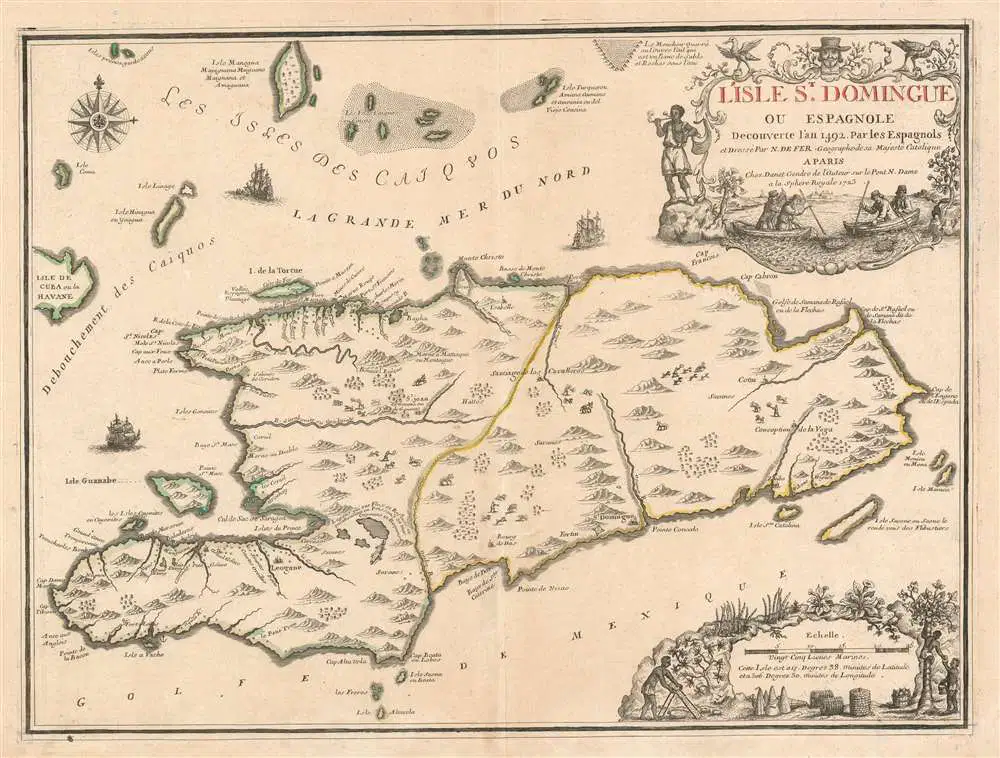
TRUE or FALSE, St. Domingue was the western part of the Island of Hispaniola (Interestingly the very Island that Columbus landed on when he "discovered" America which made it the first and most lasting Spanish colony). St. Domingue was controlled by the French while the Eastern part was controlled by the Spanish. (Very Helpful To Know)
TRUE
FALSE
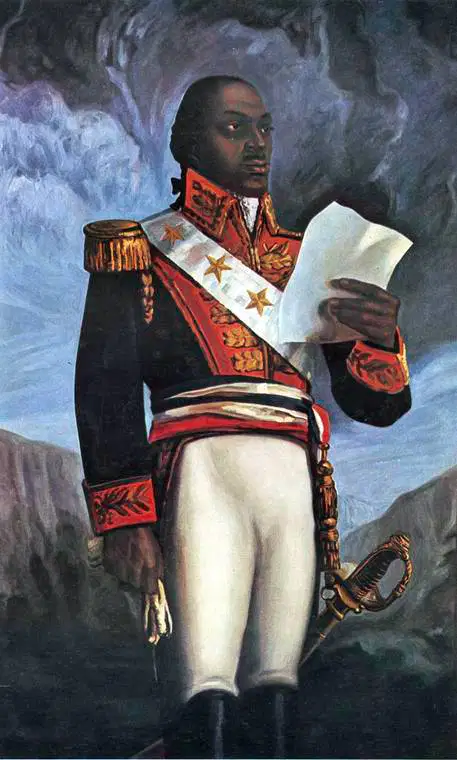
Who led a successful revolution in Haiti to free Haitians from French rule? (Again - MUST KNOW)
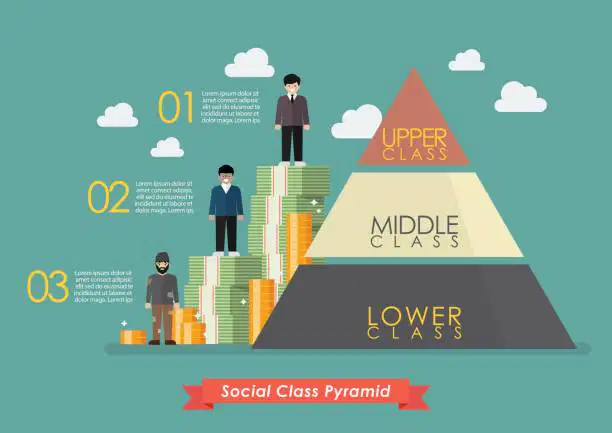
Please match the Name of the social class on St. Domingue with the percentage of the population they represented on the Island in the 1790s. (Must Know)
Enslaved
500,000 (about 90%)
Free People of Color
30,000 (about 4.5%)
"Whites" (Grand Blancs & Petit Blancs)
40,000 (about 5.5%)

