
 Worksheets
CBSE Class 10 Science Question Paper 2020 - All India Set 3_2
Total questions: 160
Worksheet time: 1hrs 25mins


noble gases


noble gases


The letter, C, is a ... of carbon.
Name
Nickname
Chemical Symbol
Pseudonym
Which of the following are physical properties of metal?
Luster
Conductivity
Malleability
Ductility
True or False: The reactivity of metals tends to decrease as you move from left to right across the periodic table.
True
False
Name this group: These metals are the most reactive.


Name this group: These metals are the second most reactive.


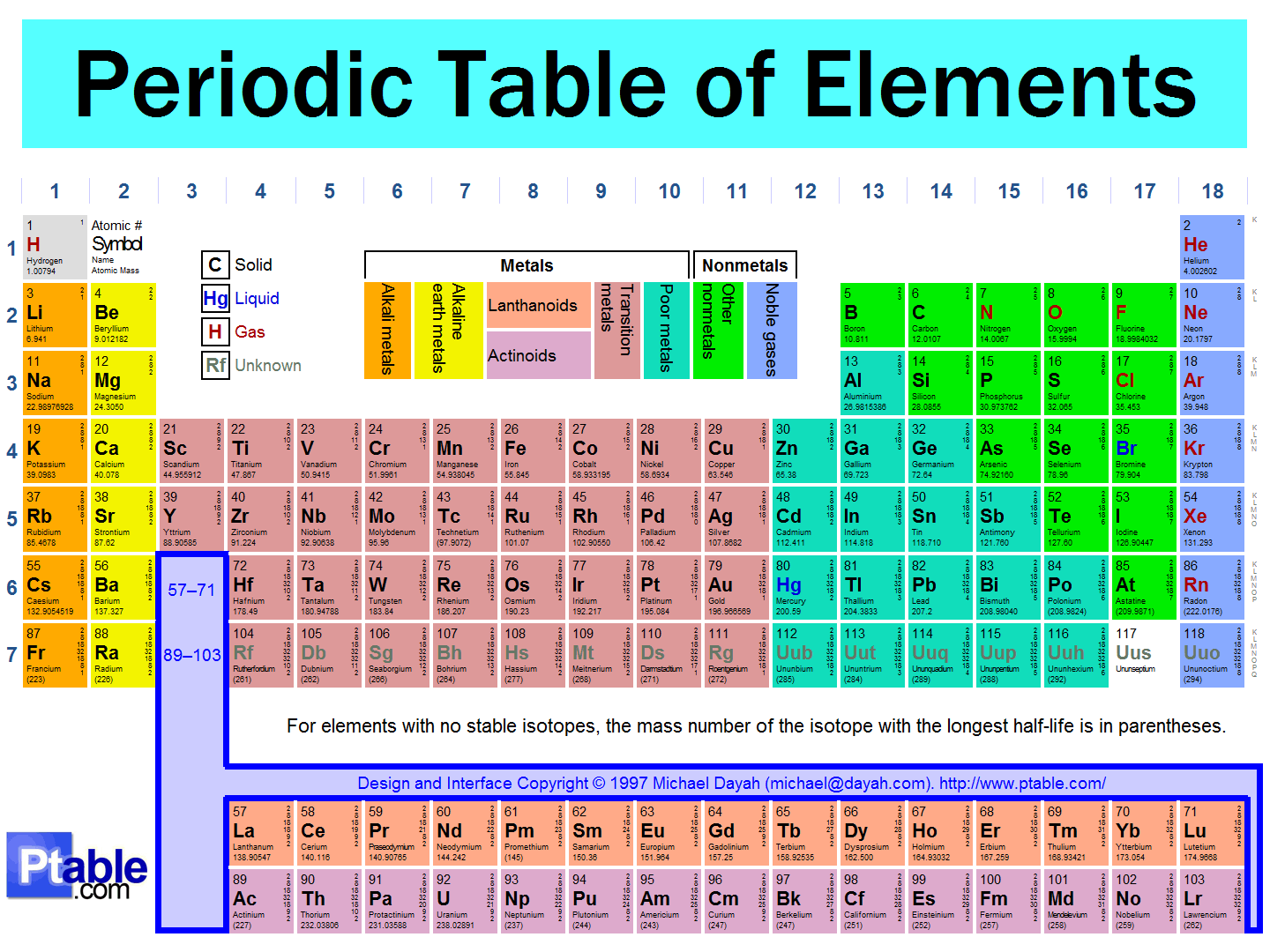
The vertical (up and down) columns in the Periodic Table are called
groups
towers
periods
atomic numbers
The letter, C, is a ... of carbon.
Name
Nickname
Chemical Symbol
Pseudonym
Which of the following are physical properties of metal?
Luster
Conductivity
Malleability
Ductility
True or False: The reactivity of metals tends to decrease as you move from left to right across the periodic table.
True
False
Name this group: These metals are the most reactive.
Name this group: These metals are the second most reactive.
Name this group: These metals are the second most reactive.
Name this group: These metals contain familiar metals such as gold, iron, and copper.


Name this group: These metals, located near the nonmetals, are never found uncombined in nature.


Find these groups: Locate Lanthanides and Actinides.


Which of the following could be properties of nonmetals?
Poor electrical conductivity
Poor thermal conductivity
Dullness
Brittleness
I am a metal
I am in group 2
I am in period 6
I am…
Mo
Re
S
Ba
I am a nonmetal
I am in period 2
I am in group 16/6A
Ba
Si
Ba
O
Find an element with similar chemical properties to Barium (Ba).
Ca an Ra, because they are in the same group and have similar chemical properties.
Cs and La, b/c they are in the same period number.
Ca and Y, b/c they are 90 degree angle and have similiar properties.
Which group does Hydrogen belong to?
Group 1
Group 2
Group 3
Group 4
Which group does Aluminum belong to?
Group 3
Group 13
Group 6
Group 26
Which period is Oxygen found in?
Period 1
Period 2
Period 3
Group 16
Which Period is Gold (Au) found in?
Group 11
Group 6
Period 11
Period 6
Which element is found in Period 4, Group 8?
Iron
Oxygen
Nickel
Silver
Which element is found in Group 2, Period 3?
Sc
Cu
Na
Mg
Which element is in the SAME GROUP as Oxygen?
Hydrogen
Helium
Sulfur
Carbon
Which element is in the SAME PERIOD as Helium?
Hydrogen
Neon
Nitrogen
Potassium
What is the ATOMIC NUMBER of the element found in Period 4, Group 1?
41
4
1
19
What Group and Period does Chlorine (Cl) belong to?
Group 3, Period 17
Group 2, Period 17
Group 17, Period 3
Group 17, Period 4
what is the biggest group on the table
metals
nonmetals
metaloids
halogens
how many rows are on the table
4
5
6
7
how many groups/families are on the table
15
16
17
18
what is the name of group number 1
halogens
noble gases
alkali
alkaline earth
what is the name of group number 2
transition metals
halogens
metaloids
alkaline earth
what is the big group of metals called found within the metals
transition metals
nonmetals
noble gases
halogens
where are the metaloids found
far left, vertical
stair step/diagonal
far right horizontal
at the bottom
what group number are the halogens
18
1
2
17
what group number are the noble gases
17
18
14
15
what is the small group of elements called that include C,N,O
metals
nonmetals
metaloids
noble gases
symbols must have at least
1 cap. letter
2 cap. letters
2 lower case letters
any letter you want
noble gases
An element is silver, solid at room temperature, and very reactive. Which group is it most likely to be from?
Alkaline Earth Metals
Transition Metals
Halogens
Noble Gases
If you were told an element was a colorless, odorless, unreactive gas, which group could you assume it belonged to?
Alkali metals
Chalcogens
Halogens
Noble Gases
If an element were a metal you commonly interacted with in its elemental form, you could assume it to be a...
Alkali metal
Alkaline earth metal
Transition metal
Chalcogen
(CHALLENGE) Choose the three groups of elements that contain more than one phase of matter at room temperature.
Alkali metals
Alkaline earth metals
Transition metals
Chalcogens
halogens
(Challenge) Name three elements that share at least two physical or chemical properties. State the properties they share.
Group 18 also knowns as
(a)
Group 18 exist as monoatom in nature because
Its valence electron achieve stable electron octet arrangement
It will not donate, accept or share electron with other elements
It donates 1 valence electron
It accept 1 electron into its outermost shell
Which of the following correct for members in Group 18.
H, Ne, Kr, Ar, Rn, Xe
He, Ne, Rn, Kr, Ar, Xe
He, Na, Rn, K, Ar, Xe
H, Ne, Rb, Kr, Ar, Xe
As going down Group 18, melting point
Increase
Decrease
Elements in Group 18 exist in nature as a
Solid
Liquid
Gas
It is used in weather balloon and oxygen tank for divers.
This refers to
Argon
Neon
Helium
Kryoton
It is used in advertising board lights.
Helium
Neon
Argon
Krypton
It is used in electric bulbs and provide inert welding atmosphere.
Helium
Neon
Argon
Krypton
It is used in flashlight camera and in laser for retina treatment.
Neon
Argon
Krypton
Xenon
It is used in lighthouse lamp and anesthesia.
Neon
Argon
Krypton
Xenon
It is used to treat cancer
Radon
Xenon
Krypton
Neon
As going down Group 18, density will
Increase
Decrease
Going down Group 18 boiling point increase because
Atomic size of atom increase
The bond between atoms increase
More heat absorp to break the bond
More heat released to break the bond
Group 18 elements are chemically inert because
They achieved stable electron octet arrangement
It will not accept, donate or share electron
It is monoatomic in nature
If proton number of neon is 10. Which of the following will be the electron arrangement for neon


If proton number for argon is 18. What will be its electron arrangements
2,8,8
2:8:8
2.8.8
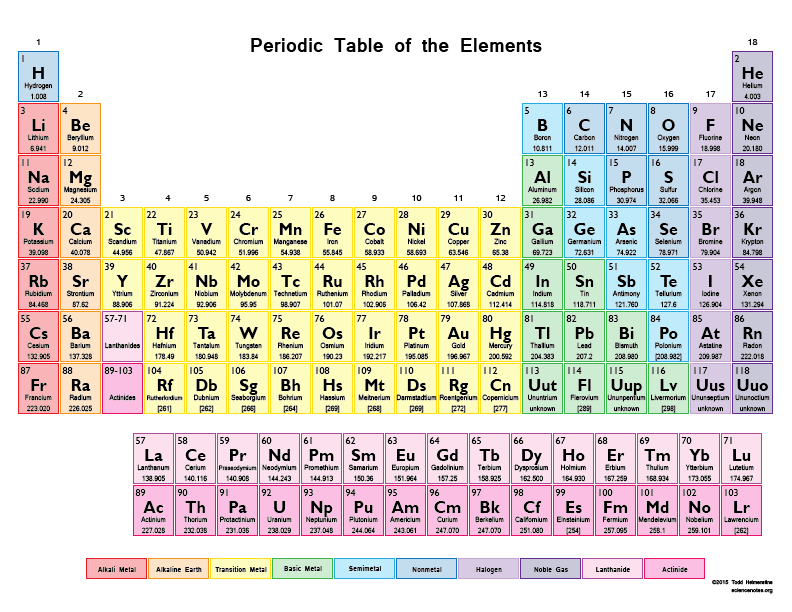
What is the atomic number of Barium, Ba? (enlarge the periodic table)
20
38
56
88
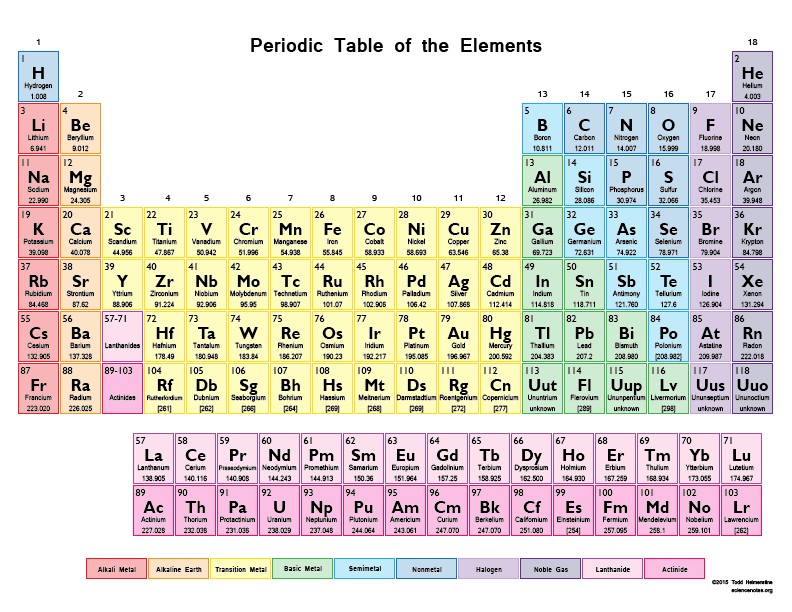
How many protons are in a sodium atom, Na? (tap to enlarge the periodic table)
Sodium has 1 proton.
Sodium has 3 protons.
Sodium has 11 protons
An element has the mass number 12 and atomic number 6. The number of neutrons in it is:
6
10
4
8
If an atom has 10 electrons, how many protons does it have?
0
1
10
5
the basic structural unit of matter
atom
matter
element
nucleus
a collection of atoms of one type that cannot be broken down into simpler substances by ordinary chemical or physical means
element
subatomic particle
electron
matter
the positively charged subatomic particle contained in the nucleus of an atom
proton
neutron
electron
matter
a subatomic particle, contained in the nucleus of an atom, having the same mass as a proton but no electrical charge
proton
neutron
electron
matter
a negatively charged subatomic particle that orbits the nucleus of an atom
proton
neutron
electron
matter
an arrangement of the elements according to their atomic numbers so that elements with similar properties are in the same column and properties repeat from row to row
Periodic Table of Elements
Atomic Theory
Isotopes
Subatomic Particles
one or two letters that represent the name of an element
element name
element symbol
atomic number
atomic mass
a unique number for each element that equals the number of protons in an atom of that element
element name
element symbol
atomic number
atomic mass
the mass of an atom, calculated by adding the number of protons and neutrons in the nucleus of the atom
element name
element symbol
atomic number
atomic mass
a grouping of elements based on similar properties, arranged by columns in the periodic table; also known as a group
family
period
row
isotope
a row on the Periodic Table of Elements
family
period
row
isotope
one of several forms of a single element, which contains the same number of protons, but different numbers of neutrons
isotope
ion
orbital
nucleus
an atom or group of atoms that has gained or lost one or more electrons and is now either positively or negatively charged
isotope
ion
orbital
nucleus
What is the speed of light in a vacuum?
3.0 x 10⁸ m/s
1.0 x 10⁸ m/s
10 m/s
5.0 x 10⁸ m/s
What is the speed of light in a material that has an index of refraction of 1.88?
3.0 x 10⁸ m/s
1.88 x 10⁸ m/s
1.6 x 10⁸ m/s
5.64 x 10⁸ m/s
If a material has an index of refraction of 2.3, how fast will light travel through that material?
2.3 x 10⁸ m/s
6.9 x 10⁸ m/s
3.0 x 10⁸ m/s
1.3 x 10⁸ m/s
If light travels through a piece of glass at 2.1 x 10⁸ m/s, what is the index of refraction of the glass?
1.14
1.43
2.10
6.3

Light travels from air (n = 1.00) into a "mystery" material. The incident ray of light hits the surface at angle of 43o and the refracted ray enters the mystery material at an angle of 27o. What is the index of refraction of the mystery material? n1sin(Θ1) = n2sin(Θ2)
1.5
1.0
0.67
2.1

Light travels from air (n = 1.00) into a second material. The incident ray of light hits the surface at angle of 64o and the refracted ray enters the second material at an angle of 32o. What is the index of refraction of the second material? n1sin(Θ1) = n2sin(Θ2)
1.4
0.90
0.53
1.7

Light travels from air (n = 1.00) into a glass block that has an index of refraction of 1.46. The incident ray of light hits the surface at angle of 45o. At what angle will the light ray enter the glass? n1sin(Θ1) = n2sin(Θ2)
45o
29o
31o
64o
SNELL'S LAW. What is the first statement of the video clip?
Willebrord Snell was born in 1580 in Leiden. He began to study mathematics at a very
young age.
He entered the university of LeIden and initially studied law, but soon he turned his attention towards mathematics and started teaching at the
university by the time he was just 20
In the year of 1613 snell succeeded his
father as professor of mathematics.
He did some important work in mathematics including the method of calculating the approximate value of pi
by a polygon. His method of using 96-sided polygon gives the correct value
of pi
up to seven places while the classical
method only gave this value
up to two correct places
SNELL'S LAW. What is the Second statement of the video clip?
Snell also
published some books including his work
on comets.
However his biggest contribution to
science was his discovery
of the laws of refraction.
He entered the university of LeIden and initially studied law, but soon he turned his attention towards mathematics and started teaching at the
university by the time he was just 20
In the year of 1613 snell succeeded his
father as professor of mathematics.
He did some important work in mathematics including the method of calculating the approximate value of pi
by a polygon. His method of using 96-sided polygon gives the correct value
of pi
up to seven places while the classical
method only gave this value
up to two correct places
SNELL'S LAW. What is the Fourth statement of the video clip?
Snell also
published some books including his work
on comets.
However his biggest contribution to
science was his discovery
of the laws of refraction.
A ray of light we know travels in an
undeviated straight line
until it encounters a change of medium
At such a change, a portion of the incident light passes
into the second medium in a different direction.
He did some important work in mathematics including the method of calculating the approximate value of pi
by a polygon. His method of using 96-sided polygon gives the correct value
of pi
up to seven places while the classical
method only gave this value
up to two correct places
SNELL'S LAW. What is the Fifth statement of the video clip?
Snell also
published some books including his work
on comets.
However his biggest contribution to
science was his discovery
of the laws of refraction.
A ray of light we know travels in an
undeviated straight line
until it encounters a change of medium
At such a change, a portion of the incident light passes
into the second medium in a different direction.
this change of direction of a ray of
light at the surface of separation
of two different media is known as
refraction of light
up to seven places while the classical
method only gave this value
up to two correct places
SNELL'S LAW. What is the Sixth statement of the video clip?
Snell also
published some books including his work
on comets.
However his biggest contribution to
science was his discovery
of the laws of refraction.
A ray of light we know travels in an
undeviated straight line
until it encounters a change of medium
At such a change, a portion of the incident light passes
into the second medium in a different direction.
this change of direction of a ray of
light at the surface of separation
of two different media is known as
refraction of light
Suppose a ray of light traveling along a
straight line A B
in air is incident on the plane surface
P Q
SNELL'S LAW. What is the Seventh statement of the video clip?
he ray will now
pass into glass and travel along
direction BC different from AB
A ray of light we know travels in an
undeviated straight line
until it encounters a change of medium
At such a change, a portion of the incident light passes
into the second medium in a different direction.
this change of direction of a ray of
light at the surface of separation
of two different media is known as
refraction of light
Suppose a ray of light traveling along a
straight line A B
in air is incident on the plane surface
P Q of a block of glass
SNELL'S LAW. What is the Seventh statement of the video clip?
he ray will now
pass into glass and travel along
direction BC different from AB
A ray of light we know travels in an
undeviated straight line
until it encounters a change of medium
At such a change, a portion of the incident light passes
into the second medium in a different direction.
this change of direction of a ray of
light at the surface of separation
of two different media is known as
refraction of light
Suppose a ray of light traveling along a
straight line A B
in air is incident on the plane surface
P Q of a block of glass
SNELL'S LAW. What is the Eighth statement of the video clip?
he ray will now
pass into glass and travel along
direction BC different from AB
The ray thus changes its direction at B. i.e. that is at the surface of separation
between air and glass.
At such a change, a portion of the incident light passes
into the second medium in a different direction.
this change of direction of a ray of
light at the surface of separation
of two different media is known as
refraction of light
Suppose a ray of light traveling along a
straight line A B
in air is incident on the plane surface
P Q of a block of glass
SNELL'S LAW. What is the Ninth statement of the video clip?
he ray will now
pass into glass and travel along
direction BC different from AB
The ray thus changes its direction at B. i.e. that is at the surface of separation
between air and glass.
Here AB is the incident ray and BC is a refracted ray.
this change of direction of a ray of
light at the surface of separation
of two different media is known as
refraction of light
Suppose a ray of light traveling along a
straight line A B
in air is incident on the plane surface
P Q of a block of glass
SNELL'S LAW. What is the Tenth statement of the video clip?
he ray will now
pass into glass and travel along
direction BC different from AB
The ray thus changes its direction at B. i.e. that is at the surface of separation
between air and glass.
Here AB is the incident ray and BC is a refracted ray.
A perpendicular NN' drawn at B to the surface of separation PQ
is called the normal at B
Suppose a ray of light traveling along a
straight line A B
in air is incident on the plane surface
P Q of a block of glass
SNELL'S LAW. What is the Eleventh statement of the video clip?
the ray will now
pass into glass and travel along
direction BC different from AB
The ray thus changes its direction at B. i.e. that is at the surface of separation
between air and glass.
Here AB is the incident ray and BC is a refracted ray.
A perpendicular NN' drawn at B to the surface of separation PQ
is called the normal at B
The angle ABN
is called the angle of incidence and the
angle CBN' is called
the angle of refraction.
SNELL'S LAW. What is the Twelfth statement of the video clip?
If the ray of
light passes from a rarer to a denser medium, as from air to glass the rays refracted
towards the normal
The ray thus changes its direction at B. i.e. that is at the surface of separation
between air and glass.
Here AB is the incident ray and BC is a refracted ray.
A perpendicular NN' drawn at B to the surface of separation PQ
is called the normal at B
The angle ABN
is called the angle of incidence and the
angle CBN' is called
the angle of refraction.
SNELL'S LAW. What is the Thirteenth statement of the video clip?
If the ray of
light passes from a rarer to a denser medium, as from air to glass the rays refracted
towards the normal
That is the angle of incidence is
greater than the angle of refraction.
Here AB is the incident ray and BC is a refracted ray.
A perpendicular NN' drawn at B to the surface of separation PQ
is called the normal at B
The angle ABN
is called the angle of incidence and the
angle CBN' is called
the angle of refraction.
SNELL'S LAW. What is the Fourteenth statement of the video clip?
If the ray of
light passes from a rarer to a denser medium, as from air to glass the rays refracted
towards the normal
That is the angle of incidence is
greater than the angle of refraction.
on the other hand, if the ray passes from a denser to a rarer medium, as from glass to air the refracted ray
moves away from the normal
A perpendicular NN' drawn at B to the surface of separation PQ
is called the normal at B
The angle ABN
is called the angle of incidence and the
angle CBN' is called
the angle of refraction.
SNELL'S LAW. What is the Fourteenth statement of the video clip?
If the ray of
light passes from a rarer to a denser medium, as from air to glass the rays refracted
towards the normal
That is the angle of incidence is
greater than the angle of refraction.
on the other hand, if the ray passes from a denser to a rarer medium, as from glass to air the refracted ray
moves away from the normal
A perpendicular NN' drawn at B to the surface of separation PQ
is called the normal at B
The angle ABN
is called the angle of incidence and the
angle CBN' is called
the angle of refraction.
SNELL'S LAW. What is the Fifteenth statement of the video clip?
If the ray of
light passes from a rarer to a denser medium, as from air to glass the rays refracted
towards the normal
That is the angle of incidence is
greater than the angle of refraction.
on the other hand, if the ray passes from a denser to a rarer medium, as from glass to air the refracted ray
moves away from the normal
that is the angle of incidence is
smaller than the angle of refraction.
The angle ABN
is called the angle of incidence and the
angle CBN' is called
the angle of refraction.
SNELL'S LAW. What is the Sixteenth statement of the video clip?
If the ray of
light passes from a rarer to a denser medium, as from air to glass the rays refracted
towards the normal
That is the angle of incidence is
greater than the angle of refraction.
on the other hand, if the ray passes from a denser to a rarer medium, as from glass to air the refracted ray
moves away from the normal
that is the angle of incidence is
smaller than the angle of refraction.
The laws of refraction of light are as
follows: the incident ray, the refracted ray, and the normal of the surface of separation
at the point of incidenc lie in one plane
SNELL'S LAW. What is the Seventeenth statement of the video clip?
and the incident and the refracted rays lie on the opposite side of the normal.
That is the angle of incidence is
greater than the angle of refraction.
on the other hand, if the ray passes from a denser to a rarer medium, as from glass to air the refracted ray
moves away from the normal
that is the angle of incidence is
smaller than the angle of refraction.
The laws of refraction of light are as
follows: the incident ray, the refracted ray, and the normal of the surface of separation
at the point of incidenc lie in one plane
SNELL'S LAW. What is the Seventeenth statement of the video clip?
and the incident and the refracted rays lie on the opposite side of the normal.
The ratio of The sine of angle of incidence/The sine of angle of incidence is a constant. for any two media and for
the light of a given wavelength
on the other hand, if the ray passes from a denser to a rarer medium, as from glass to air the refracted ray
moves away from the normal
that is the angle of incidence is
smaller than the angle of refraction.
The laws of refraction of light are as
follows: the incident ray, the refracted ray, and the normal of the surface of separation
at the point of incidenc lie in one plane
SNELL'S LAW. What is the Nineteenth statement of the video clip?
and the incident and the refracted rays lie on the opposite side of the normal.
The ratio of The sine of angle of incidence/The sine of angle of incidence is a constant. for any two media and for
the light of a given wavelength
If If i= angle of incidence and r = angle of refraction, according to the econd law tthe ratiosini /sinr =μ
that is the angle of incidence is
smaller than the angle of refraction.
The laws of refraction of light are as
follows: the incident ray, the refracted ray, and the normal of the surface of separation
at the point of incidenc lie in one plane
SNELL'S LAW. What is the Twentieth statement of the video clip?
and the incident and the refracted rays lie on the opposite side of the normal.
The ratio of The sine of angle of incidence/The sine of angle of incidence is a constant. for any two media and for
the light of a given wavelength
If If i= angle of incidence and r = angle of refraction, according to the econd law tthe ratiosini /sinr =μ
The physical constant μ,
is called the refractive index of the
second medium with respect to the first
The laws of refraction of light are as
follows: the incident ray, the refracted ray, and the normal of the surface of separation
at the point of incidenc lie in one plane
SNELL'S LAW. What is the Twentieth statement of the video clip?
and the incident and the refracted rays lie on the opposite side of the normal.
The ratio of The sine of angle of incidence/The sine of angle of incidence is a constant. for any two media and for
the light of a given wavelength
If If i= angle of incidence and r = angle of refraction, according to the econd law tthe ratiosini /sinr =μ
The physical constant μ,
is called the refractive index of the
second medium with respect to the first
The laws of refraction of light are as
follows: the incident ray, the refracted ray, and the normal of the surface of separation
at the point of incidenc lie in one plane
SNELL'S LAW. What is the Twenty-First statement of the video clip?
and the incident and the refracted rays lie on the opposite side of the normal.
The ratio of The sine of angle of incidence/The sine of angle of incidence is a constant. for any two media and for
the light of a given wavelength
If If i= angle of incidence and r = angle of refraction, according to the econd law tthe ratiosini /sinr =μ
The physical constant μ,
is called the refractive index of the
second medium with respect to the first
the refractive index of a medium however
depends on the velocity of light in the medium
SNELL'S LAW. What is the Twenty-Second statement of the video clip?
it may be shown that μ is equal to velocity of light in vacuum/by velocity of light in the medium = c/v
The ratio of The sine of angle of incidence/The sine of angle of incidence is a constant. for any two media and for
the light of a given wavelength
If If i= angle of incidence and r = angle of refraction, according to the econd law tthe ratiosini /sinr =μ
The physical constant μ,
is called the refractive index of the
second medium with respect to the first
the refractive index of a medium however
depends on the velocity of light in the medium
SNELL'S LAW. What is the Twenty-Third statement of the video clip?
it may be shown that μ is equal to velocity of light in vacuum/by velocity of light in the medium = c/v
for example the refractive index
of glass with respect to
air is 1.51. this means that when refraction
occurs from air to glass the ratio of
the signs of those two angles is 1.51
If If i= angle of incidence and r = angle of refraction, according to the econd law tthe ratiosini /sinr =μ
The physical constant μ,
is called the refractive index of the
second medium with respect to the first
the refractive index of a medium however
depends on the velocity of light in the medium
SNELL'S LAW. What is the Twenty-Fourth statement of the video clip?
it may be shown that μ is equal to velocity of light in vacuum/by velocity of light in the medium = c/v
for example the refractive index
of glass with respect to
air is 1.51. this means that when refraction
occurs from air to glass the ratio of
the signs of those two angles is 1.51
The physical constant μ,
is called the refractive index of the
second medium with respect to the first
the refractive index of a medium however
depends on the velocity of light in the medium
the second law of refraction
is also referred to as snell's law after
the name of Dr. Willebrord Snell
SNELL'S LAW. What is the Twenty-Fifth statement of the video clip?
it may be shown that μ is equal to velocity of light in vacuum/by velocity of light in the medium = c/v
for example the refractive index
of glass with respect to
air is 1.51. this means that when refraction
occurs from air to glass the ratio of
the signs of those two angles is 1.51
who enunciated this law however he did
not publish his work on refraction
it became known only in 1703, 70 years after his death
the refractive index of a medium however
depends on the velocity of light in the medium
the second law of refraction
is also referred to as snell's law after
the name of Dr. Willebrord Snell
SNELL'S LAW. What is the Twenty-Sixth statement of the video clip?
it may be shown that μ is equal to velocity of light in vacuum/by velocity of light in the medium = c/v
for example the refractive index
of glass with respect to
air is 1.51. this means that when refraction
occurs from air to glass the ratio of
the signs of those two angles is 1.51
who enunciated this law however he did
not publish his work on refraction.
it became known only in 1703, 70 years after his death when higgins published his result
dioptrix
that was all about snell's law thank y
for watching and don't forget to like
share and subscribe to our channel
explified
the second law of refraction
is also referred to as snell's law after
the name of Dr. Willebrord Snell
Twenty-SeventhSNELL'S LAW. What is the Twenty-Seventh statement of the video clip?
it may be shown that μ is equal to velocity of light in vacuum/by velocity of light in the medium = c/v
for example the refractive index
of glass with respect to
air is 1.51. this means that when refraction
occurs from air to glass the ratio of
the signs of those two angles is 1.51
who enunciated this law however he did
not publish his work on refraction.
it became known only in 1703, 70 years after his death when higgins published his result
dioptrix
that was all about snell's law thank y
for watching and don't forget to like
share and subscribe to our channel
explified
the second law of refraction
is also referred to as snell's law after
the name of Dr. Willebrord Snell
SNELL'S LAW. What is the Twenty-Eighth statement of the video clip?
it may be shown that μ is equal to velocity of light in vacuum/by velocity of light in the medium = c/v
for example the refractive index
of glass with respect to
air is 1.51. this means that when refraction
occurs from air to glass the ratio of
the signs of those two angles is 1.51
who enunciated this law however he did
not publish his work on refraction.
it became known only in 1703, 70 years after his death when higgins published his result
dioptrix
that was all about snell's law thank y
for watching and don't forget to like
share and subscribe to our channel
explified
the second law of refraction
is also referred to as snell's law after
the name of Dr. Willebrord Snell
SNELL'S LAW. What is the Twenty-Ninth statement of the video clip?
it may be shown that μ is equal to velocity of light in vacuum/by velocity of light in the medium = c/v
for example the refractive index
of glass with respect to
air is 1.51. this means that when refraction
occurs from air to glass the ratio of
the signs of those two angles is 1.51
who enunciated this law however he did
not publish his work on refraction.
it became known only in 1703, 70 years after his death when higgins published his result
dioptrix
that was all about snell's law thank y
for watching and don't forget to like
share and subscribe to our channel
explified
the second law of refraction
is also referred to as snell's law after
the name of Dr. Willebrord Snell
SNELL'S LAW. What is the Thirtieth statement of the video clip?
it may be shown that μ is equal to velocity of light in vacuum/by velocity of light in the medium = c/v
for example the refractive index
of glass with respect to
air is 1.51. this means that when refraction
occurs from air to glass the ratio of
the signs of those two angles is 1.51
who enunciated this law however he did
not publish his work on refraction.
it became known only in 1703, 70 years after his death when higgins published his result
dioptrix
that was all about snell's law thank y
for watching and don't forget to like
share and subscribe to our channel
explified
the second law of refraction
is also referred to as snell's law after
the name of Dr. Willebrord Snell

