
 Worksheets
KS3 Energy Transfer
Total questions: 48
Worksheet time: 24mins
An object at rest on op of a shelf is likely to have:
No energy
Gravitational potential energy
Hydroelectric power
Batteries are stores of:
Chemical energy
Electrical energy
Light energy
Energy is usefully transferred from a personal audio player as:
Kinetic energy
Thermal energy
Sound energy
Which is likely to contain the most thermal energy?
A red hot horseshoe
A spark from a firework
An ice cube
Which type of energy transfer requires particles?
Conduction
Temperature
Radiation
Which of these is not a store of energy?
chemical energy store
thermal energy store
kinetic energy store
electrical energy store
When you drop an object, what are the main energy transfers involved?
Gravitational potential to thermal
Kinetic to gravitaional potential
Gravitational potential to chemical
Gravitational potential to kinetic
When you burn a fuel, what are the main energy transfers involved?
Chemical to elastic potential
Thermal to chemical
Chemical to thermal
Electrostatic to thermal
When you release a stretched spring, what are the main energy transfers involved?
Elastic to kinetic
Kinetic to elastic
Elastic to thermal
Elastic to chemical
Energy can be transferred when a force makes something move, this is called:
Electrically
Heating
Mechanically
Light and sound
Energy is measured in what units?
Hertz
Watts
Joules
Newtons
Which of these are fossil fuels?
Coal
Oil
Gas
All of the above
Wind, solar and waves are examples of:
Renewable energy resources
Non renewable energy resources
Fossil fuels
Finite energy resources
What is power measured in?
Joules
Hertz
Watts
Newtons
What are the stores of energy?
Thermal
Electromagnetic
Kinetic
Electrostatic
Frictional
Which is not an example of kinetic energy?
A cup of water at rest on a table
A ball thrown by one person to another
A pizza being heated in an oven
A desk lamp turned on after connecting with an outlet

What type of energy is in this picture?
Kinetic
Elastic potential
Chemical
Sound

What kind(s) of energy is(are) in a person climbing a ladder?
Gravitational potential
Kinetic
Both

What kind of energy does an object possess when it's resting on top of the hill?
Gravitational potential Energy
Chemical Energy
Kinetic Energy
All of the above
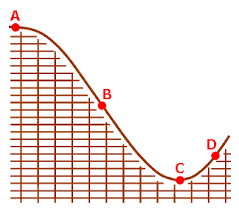
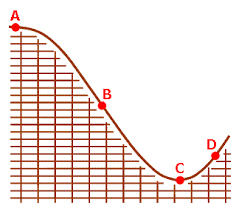
At which point(s) on the roller coaster is the kinetic energy at its maximum?
[Hint: When will it be moving the fastest?]
A
B
C
D
During photosynthesis, what type of energy transfer takes place?
Heat -> Chemical
Chemical -> Light
Light -> Chemical
Heat -> Light
Which of the following best represents the Law of Conservation of Energy?
Energy CAN be created but NOT destroyed
Energy CAN be destroyed but NOT created
Energy can NOT be created Nor destroyed
Energy CAN be created and CAN destroyed

Total energy = 200J
Useful energy = 20J
Workout the efficiency of this lightbulb.
efficiency = total energy inuseful enegy ×100
100%
80%
40%
10%

Total energy = 34000J
Useful energy = 340J
Workout the efficiency of this vintage VW Beetle.
efficiency = total energy inuseful energy ×100%
100%
10%
40%
20%

This car needs 8600J of energy to power it. If 5000J is changed into useful energy, how much energy is wasted?
13600J
3600J
5000J
8600J
A car transfers 100 J of chemical energy in order to gain 50 J of kinetic energy. The efficiency of the car is
20%
0.5%
50%
200%
(a) are those that can be replaced by a natural process.
The examples of renewable resources are
coal
soil
plants
water
animals
(a) is something that can not be made by nature again.

Which of the following are Non-Renewable energy resources? (Check all that apply.)
coal
wind
solar
nuclear

One advantage of solar and wind power over fossil fuels is that
wind and solar are presently much less expensive than fossil fuels.
wind and solar come from natural processes and fossil fuels do not.
wind and solar are nonrenewable resources and fossil fuel are renewable.
wind and solar are continuously renewable and fossil fuels take millions of years to be formed.

Renewable or Nonrenewable: Coal
Renewable
Nonrenewable

Renewable or Nonrenewable: Natural Gas
nonrenewable
renewable

Renewable or Nonrenewable: Oil
Nonrenewable
Renewable

Renewable or Nonrenewable: Sunlight
Renewable
Nonrenewable

This energy is from moving air.
Wind Energy
Geothermal Energy
Fossil Fuel Energy
Biofuel

This is a liquid fuel derived from plant materials.
wind energy
biofuel (from biomass)
geothermal energy
solar energy

Biomass requires a lot of space.
Advantage
Disadvantage

Hydropower can have a negative impact on river wildlife.
Advantage
Disadvantage

Fossil Fuels are a nonrenewable resource.
Advantage
Disadvantage

Wind turbines and hydroelectric power plants use ___________ and __________ to make electricity and operate generators. Select all that apply.
sunlight
wind
water
coal
Hydropower is energy that comes from _________
sun
oil
natural gas
water
Geothermal energy uses heat from ____ to produce electricity.
the earth
coal
oil
natural gas
What are fossil fuels?
coal, oil, uranium
oil, natural gas, uranium
coal, oil, natural gas
geothemals, coal, natural gas
Which of these are renewable resources?
coal
wind
geothermal
water in a dam
biomass

