
 Worksheets
Invasive Species
Total questions: 21
Worksheet time: 17mins
Name
Class
Date
1.

How did the zebra mussels end up in the Great Lakes?
a)
In ballast tanks of ships
b)
They were intentionally released
c)
They have always been in the Great Lakes
d)
That's not a zebra mussel
2.
What makes a species invasive?
a)
Moving to a new ecosystem and taking resources from natives
b)
Not having papers
c)
Species that can't adapt
d)
Plants that take up too much space
3.
What is the main cause for species invading?
a)
Air Pollution
b)
Wanting to be adventerous
c)
Human Means
d)
Themselves
4.
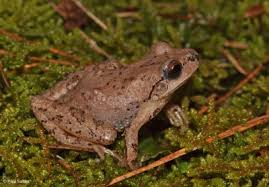
When taken to a new habitat, non-native plants often threaten native plants of the new habitat. Why do they do this?
a)
Non-native plants are able to mutate rapidly
b)
Non-native plants cause native animals to relocate
c)
Non-native plants are able to be used for medicine
d)
Non-native plants compete with native plants for resources
5.

Kudzu has overgrown many parts of southern Missouri and native ground plants have disappeared from the area. This is an example of:
a)
Parasitism between kudzu and the native plants
b)
A predator prey relationship between ground plants and kudzu
c)
Competition occurring between the native and invasive species
d)
Commesalism occurring between the kudzo and native plants
6.
Which of these animals is an introduced animal to Australia?
a)
Rabbit
b)
Kangaroo
c)
Koala
d)
Platypus
7.
These were released in Australia to eat cane beetles, but now they are an invasive species and number in the millions.
a)
dingo
b)
Kangaroo
c)
Cane toad
d)
Rabbits
8.
Why can an invasive species be bad for an ecosystem?
a)
They can provide too much food for the other organisms.
b)
They can disrupt the natural ecosystem.
c)
They can fight with other animals.
9.
Which type of species belongs in or came from a certain ecosystem?
a)
native (endemic) species
b)
alien species
c)
invasive species
10.

If a blue catfish is introduced and eats the large fish who eat the smaller fish, what will happen to the population of the smaller fish?
a)
Increase
b)
Decrease
c)
Stay the same
d)
No affect on smaller fish
11.
Which of the following is a key characteristic of most invasive species?
a)
Ability to breathe in the air & in the water
b)
Large, sharp teeth
c)
Produce many offspring
d)
Is a top predator
12.
This category of species is very specific to one area:
a)
invasive
b)
indigenous
c)
endemic
d)
generalist
13.
Endemic species can easily be introduced to another habitat and be successful
a)
false- they are too specialized
b)
true- they can live anywhere
14.

In Arizona, the crayfish is a(n)...
a)
native species
b)
invasive species
c)
endemic species
d)
handsome species
15.
In Arizona, the California Condor is a(n)...
a)
native species
b)
invasive species
c)
endemic species
d)
un-handsome species
16.
A species that is NOT native to a particular region is called
a)
natural
b)
invasive
c)
endemic
d)
extraordinary
17.
Exotic or invasive species leads to all of these problems except
a)
increased biodiversity
b)
loss of biodiversity
c)
disease
d)
loss of native species
18.
What is a native species?
a)
A species that is local and has lived in the same place
b)
A species who has come from another state or country
c)
A species that has no "home" and travels for its whole life
d)
None of the above
19.
Invasive species have a negative impact on...
a)
the ecosystem
b)
the economy
c)
Both the ecosystem and the economy
d)
None of these
20.
Which of the following is not a characteristic of invasive plants?
a)
Lots of seeds
b)
Effective seed dispersal methods
c)
Easily established
d)
Native species like to eat it
21.
How do invasive plants damage the environment?
a)
Compete with native species
b)
Change plant community
c)
Alter diversity
d)
All of these
100 %

