
 Worksheets
SCTOUS Court Case Review
Total questions: 26
Worksheet time: 16mins
This ruling explicitly outlawed racial segregation of public education facilities (legal establishment of separate government-run schools for blacks and whites), ruling so on the grounds that the doctrine of "separate but equal" public education could never truly provide black Americans with facilities of the same standards available to white Americans
Brown vs Board of Ed
Escobedo vs ILL
Dred Scott vs Sanford
Gregg vs Georgia
This ruling gave a school district had the constitutional authority to limit a student’s (Frasier) speech because of the educational authority that is given to schools by the tenth amendment.
Brown vs Board of Education
Hazelwood School District v. Kuhlmeier
Bethel School District vs Frasier
Mapp v. Ohio
This ruling said that people of African descent, whether or not they were slaves, could never be citizens of the United States, and that Congress had no authority to prohibit slavery in federal territories.
Brown vs Board of Ed
Gibbons v. Ogden
Furman v. Georgia
Dred Scott v. Sandford
This ruling determined that it is unconstitutional for state officials to compose an official school prayer and require its recitation in public schools, even when it is non-denominational and students may excuse themselves from participation.
Engle v. Vitale
Gibbons v. Ogden
Furman v. Georgia
Escobedo v. Illinois
This ruling held that criminal suspects have a right to
counsel during police interrogations. indigent criminal defendants had a right to be provided counsel at trial.
Furman v. Georgia, 1972
Gregg v. Georgia
Escobedo v. Illinois, 1964 or Gideon v. Wainwright, 1863
This ruling ruled on the requirement for a degree of consistency in the application of the death penalty. The Court consolidated Jackson v. Georgia and Branch v.
Texas with the Furman decision, and thus also invalidated the death penalty for rape
Gregg v. Georgia, 1976
Gideon v. Wainwright, 1863
Gibbons v. Ogden, 1824
Furman v. Georgia, 1972
This ruling held that the power to regulate interstate navigation was reserved to Congress by the Commerce Clause of the Constitution.
Gideon v. Wainwright, 1863
Gibbons v. Ogden, 1824
Gregg v. Georgia, 1976
Abington v. Schempp, 1963
This ruling reaffirmed the Supreme Court's commitment to the continued use of the death penalty in the United States
Gregg v. Georgia, 1976
Abington v. Schempp, 1963
In re Gault, 1966
Hazelwood School
District v. Kuhlmeier,
This ruling held that public school curricular student newspapers that have not been established as forums for student expression are subject to a lower level of First Amendment protection than independent student expression or newspapers established (by policy or practice) as forums for student expression.
In re Gault, 1966
Korematsu v. United States, 1944
Hazelwood School District v. Kuhlmeier, 1988
Mapp v. Ohio, 1961
This ruling affirmed the government’s decision regarding the Japanese American Internment during World War II and found that it was not unconstitutional.
McCulloch v. Maryland, 1819
Mapp v. Ohio, 1961
Marbury v. Madison, 1803
Korematsu v. United States, 1944
This ruling held that evidence obtained in violation of the Fourth Amendment protection against "unreasonable searches and seizures" must be excluded from criminal prosecutions in state courts, as well as federal courts.
Mapp v. Ohio, 1961
Miranda v. Arizona, 1966
McCulloch v. Maryland, 1819
Marbury v. Madison, 1803
This landmark ruling held that basis for the exercise of judicial review of Federal statutes by the United States Supreme Court under Article Three of the United States Constitution is legal.
McCulloch v. Maryland, 1819
Marbury v. Madison, 1803
Miranda v. Arizona, 1966
New Jersey v. TLO, 1985
This fundamental case established the following two principles: that the Constitution grants to Congress implied powers for implementing the Constitution's express powers, in order to create a functional national government, and that state action may not impede valid constitutional exercises of power by the Federal government.
Miranda v. Arizona, 1966
New Jersey v. TLO, 1985
McCulloch v. Maryland, 1819
Plessy v. Ferguson, 1896
This ruling held held that criminal suspects must be informed of their right to consult with an attorney and of their right against self-incrimination prior to questioning by police.
Regents of California v. Bakke, 1978
Plessy v. Ferguson, 1896
New Jersey v. TLO, 1985
Miranda v. Arizona, 1966
This ruling held that schools can search students with reasonable cause. This case lessens the Tinker doctrine and gives school officials greater latitude in disciplining students
New Jersey v. TLO, 1985
Plessy v. Ferguson, 1896
Regents of California v. Bakke, 1978
Roe v. Wade, 1973
The Supreme Court ruled that the "separate but equal" provision of the Louisiana law was constitutional. The case established this principle of segregation until it was overturned in 1954.
Regents of California v. Bakke, 1978
Roe v. Wade, 1973
Plessy v. Ferguson, 1896
Tinker v. Des Moines School District, 1969
The Court decided that a state supported school could use race as a basis for admission, though it ruled that quotas were illegal. Bakke was admitted.
Texas v. Johnson, 1991
Tinker v. Des Moines School District, 1969
Roe v. Wade, 1973
Regents of California v. Bakke,1978
A constitutional right to an abortion is established, though the court laid down a trimester criteria in determining whether states can impose restrictions
Regents of California v. Bakke,
Roe v. Wade, 1973
Tinker v. Des Moines School District, 1969
Texas v. Johnson, 1991
The court declared that "student rights do not stop at the schoolhouse gates." The wearing of black armbands was protected by the Constitution. Students enjoy protection of the Bill of Rights unless their actions materially disrupt the educational environment.
Regents of California v. Bakke,1978
Roe v. Wade, 1973
Tinker v. Des Moines School District, 1969
Texas v. Johnson, 1991
This ruling invalidated prohibitions on desecrating the American flag in force in 48 of the 50 states. Justice William
Brennan wrote for a five-justice majority in holding that the defendant's act of flag burning was protected speech under the first amendment.
Regents of California v. Bakke,
Roe v. Wade, 1973
Tinker v. Des Moines School District, 1969
Texas v. Johnson, 1991
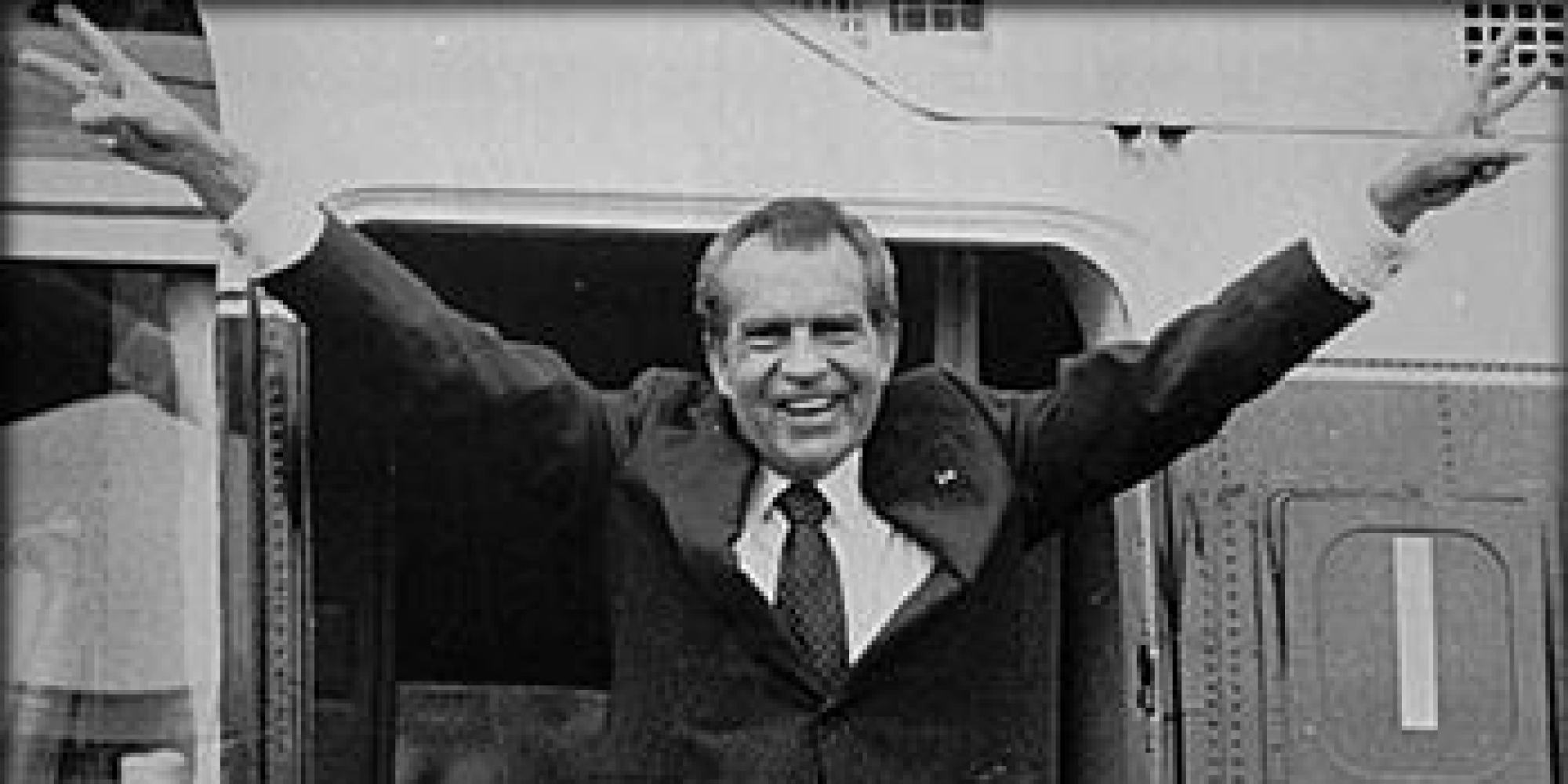
No one is above the law...not even the president.
Bush v. Gore
Marbury v. Madison
Miranda v. Arizona
U.S. v. Nixon

Suspects cannot be questioned (interrogated) until they are informed of their rights (right to remain silent, right to an attorney, etc.)
Brown v Board of Education
Miranda v Arizona
Tinker v Des Moines
Bush v Gore
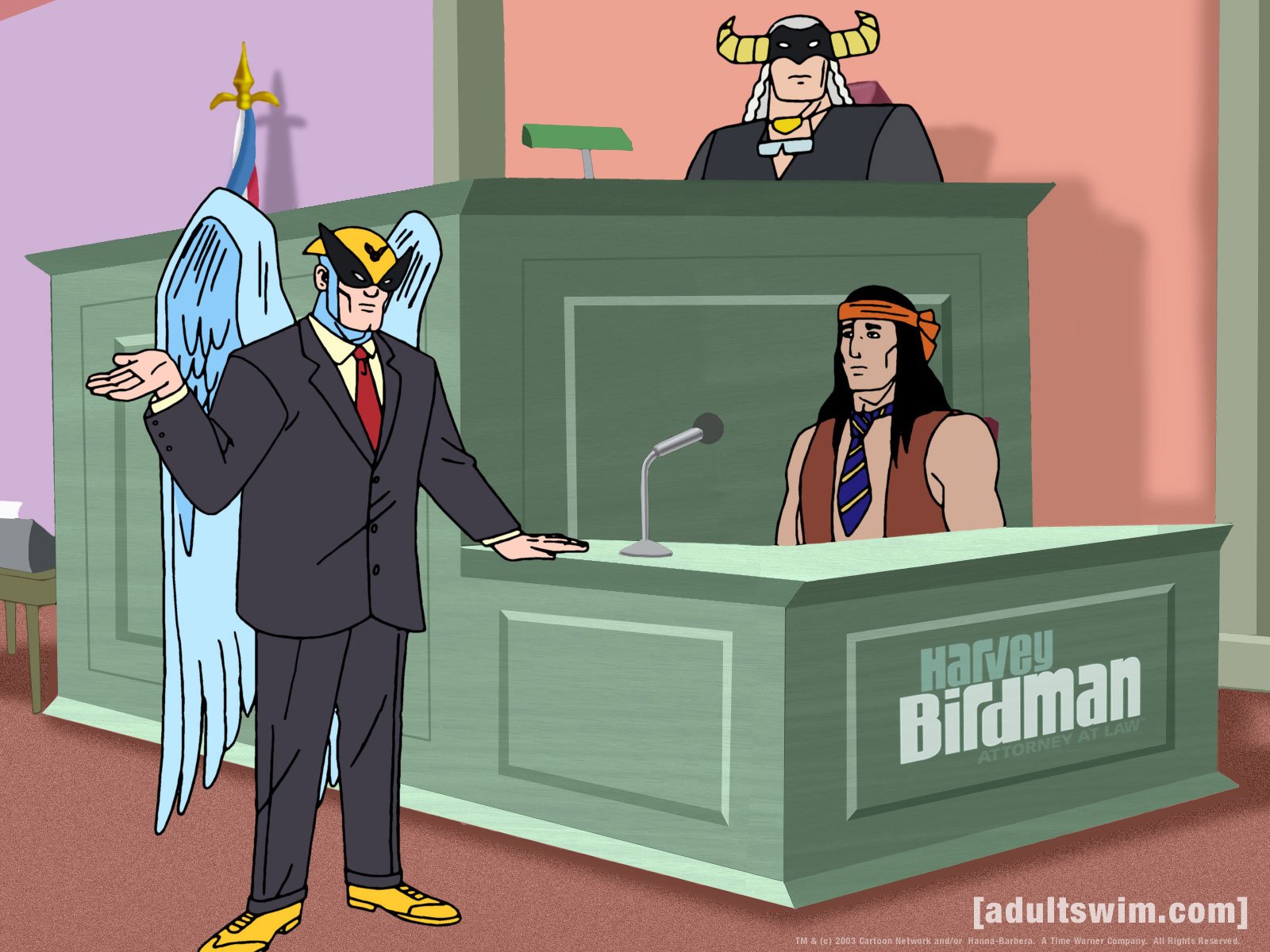
A person accused of a crime no matter how poor has the right to an attorney during trial. Enforces the 6th Amendment.
Tinker v Des Moines
Gideon v Wainwright
Miranda v Arizona
United States v Nixon
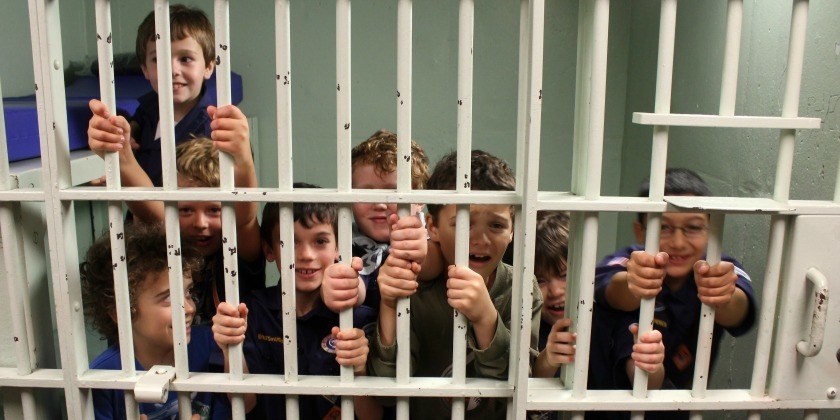
Juveniles are allowed to have “Due Process” rights. (right to a trial, right to an attorney, right to question witnesses, etc.)
District of Columbia v Heller
Tinker v Des Moines
In Re Gault
Miranda v Arizona

Allowed for the censorship (blocking) of materials / stories written in school newspapers.
Plessy v Ferguson
Tinker v Des Moines
Marbury v Madison
Hazelwood v Kuhlmeier


