
 Worksheets
PHS: Cardiovascular
Total questions: 10
Worksheet time: 5mins

The role of blood is to transport chemicals through the body. What is the most important chemical transported by red blood?
Air
Nitrogen
Tissues
Oxygen

After delivering its oxygen cargo ot the various tissues, the blood needs to pick up more oxygen. Where does blood go to get more oxygen?
Lungs
Brain
Heart
Kidneys
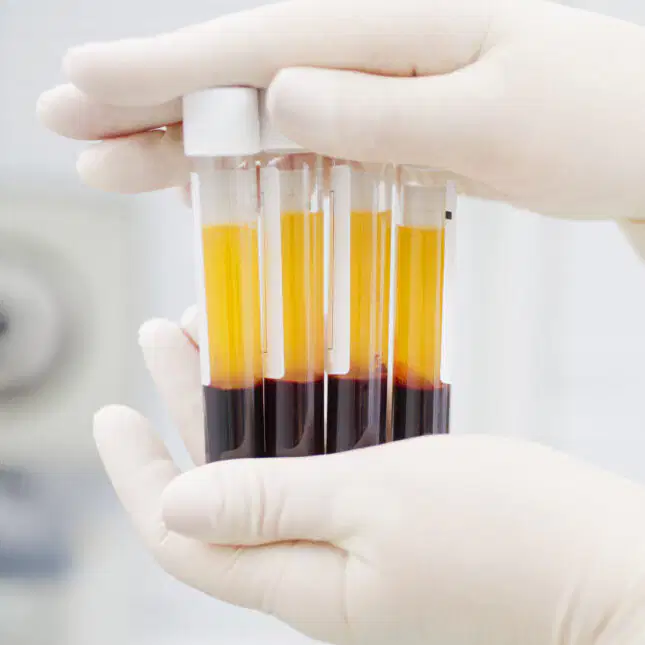
There are different things that make up blood including red cells, white cells, platlets and plasma. What is the liquid part of blood that transports water, nutrients, hormones etc?
Red Blood Cells
White Blood Cells
Platelets
Plasma
The heart is able to move blood because it is mostly myocardium, otherwise known as
Cardiac nerve
Cardiac muscle
Cardiac vessel
Cardiac blood

There are two major stages of a heartbeat:
One is when the heart chambers contract and pump the blood. What do we call the other stage, where the heart chambers rest and refills with blood?
Systole
Diastole
Which blood vessels carry blood away from the heart?
Arteries
Veins
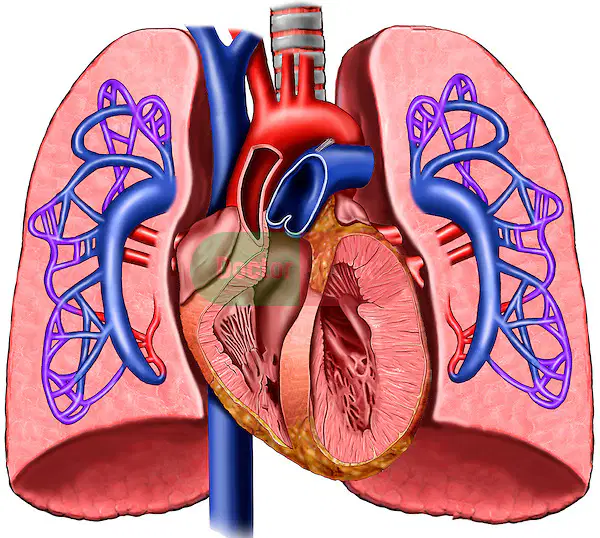
Arteries and veins carry blood in opposite directions.
Which kind of blood vessel carries blood away from the heart and towards the lungs?
Aorta
Vena Cava
Pulmonary Artery
Pulmonary Veins
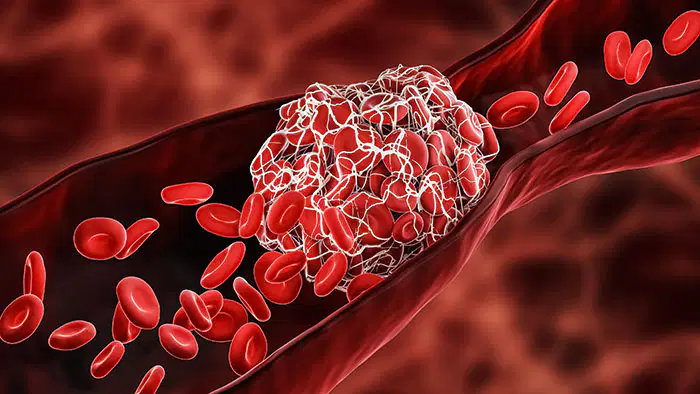
This picture shows a clot, where blood becomes a sticky solid that can stop blood flowing through a vessel.
What do we call this blockage?
Jamming
Anemia
Aneurysm
Embolism

If embolism happens in the heart, it loses its blood supply and oxygen. What happens to the heart tissue next?
Pumps blood faster
Vessels begin to swell and expand
Bloodflow reverses
The heart begins to die

If an artery begins to bulge like a balloon, it becomes stretched thin, weak and eventually bursts open.
What do we call this?
Jamming
Anemia
Aneurysm
Embolism

