wayground logo

Free Printable Worksheets

NEW

Font size

S
M
L
XL
Worksheets

Mrs. Vandenbos' Biomes Review

Total questions: 75

Worksheet time: 2hrs 36mins

Name
Class
Date
1.
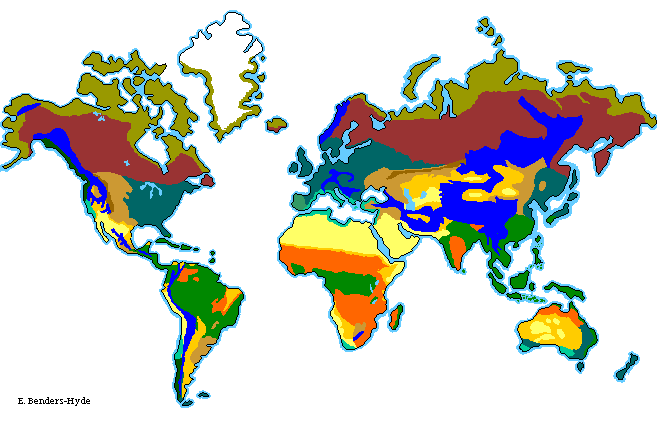
A biome is......
a)
Like a snowglobe that you shake and can see different types of animals.
b)
A large region of earth with a certain type of climate
c)
An area of earth only found in the United States.
d)
A community of living things.
2.
True of False?  
Animals that live in the desert have adapted to live with little water since the desert gets little rainfall.
a)
True
b)
False
3.
The earth's coldest biome is the....
a)
Antartica
b)
Grasslands
c)
Tundra
d)
Freshwater
4.
The climate in a tropical rain forest can be described as
a)
cold and wet 
b)
warm and dry 
c)
cold and dry 
d)
warm and wet 
5.
A Biome covered with grasses is called....
a)
Grasslands
b)
Africa
c)
Meadow
d)
Forest
6.
Deer, squirrels, and rabbits live in this cool biome.
a)
Tropical Rainforest
b)
Savannah
c)
Mountainous Forest
d)
Temperate Forest
7.
This biome includes three zones: intertidal, near-shore, and open ocean zone and includes living thins such as crabs, otters, and whales.
a)
Wetlands
b)
Marine
c)
Ocean
d)
Freshwater
8.
This is the earth's driest biome and can be hot or cold.
a)
Savannah
b)
Prairie
c)
Tundra
d)
Desert
9.
This is the most important thing that makes each biome different from each other.
a)
Animals
b)
Location
c)
Climate
d)
People
10.
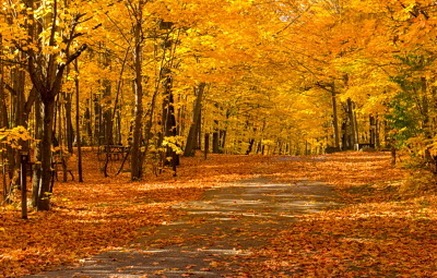
Dropping leaves in the fall is a characteristic of what type of tree?
a)
deciduous
b)
evergreen
c)
conifer
d)
bonsai
11.

Biome with plants and grasses, but no trees.

a)

grassland

b)

desert

c)

forest

d)

arctic tundra

12.

Biome with many different species of cacti and reptiles and very little rainfall.

a)

Desert

b)

Temperate Rainforest

c)

Tropical Rainforest

d)

Arctic Tundra

13.

Forest biome with many different trees, mosses and ferns; most trees lose and regrow their leaves each year.

a)

temperate rainforest

b)

biome

c)

desert

d)

grassland

14.
Type of forest biome near the equator; receives a lot of rain; temperatures are warm all year.
a)
desert
b)
tropical rain forest
c)
arctic
d)
temperate rain forest
15.

Which biome contains large populations of grazing herbivores, few species of birds, and deep, rich soil?

a)

tropical rain forest

b)

desert

c)

deciduous forest

d)

grassland

16.
A large ecosystem is called a ______
a)
Ecosystem
b)
Habitat
c)
Biome
d)
Niche
17.

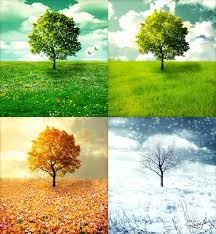
Which biome has 4 seasons?

a)

Taiga

b)

Tundra

c)

Grasslands

d)

Deciduous Forest

18.
Which biome is home to lions, zebras, wildebeests, giraffes, and elephants?
a)
Grasslands
b)
Tundra
c)
Rainforest
d)
Temperate Forest
19.
What kind of soil is found in the desert?
a)
humus
b)
sand
c)
dirt
d)
flowers
20.
Nonliving elements in an ecosystem are called _______________. 
a)
biotic factor
b)
abiotic factor
c)
limiting factor
d)
carrying capacity 
21.
Which biome do we live in?
a)
temperate grassland
b)
temperate rainforest
c)
temperate deciduous forest
d)
chaparral
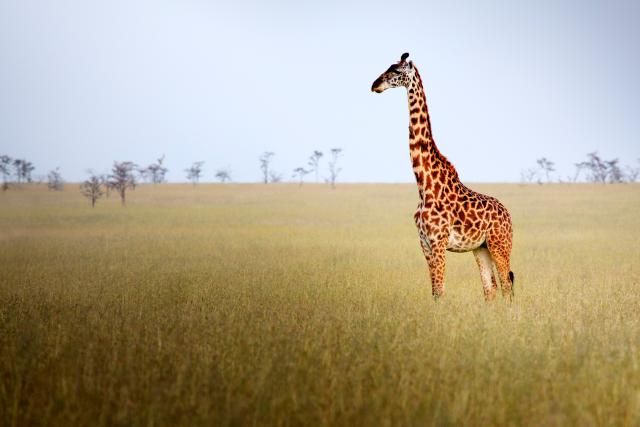
22.
On what continent are these savanna grasslands?
a)
North America
b)
Asia
c)
Africa
d)
South America
23.
Which Biome has permafrost?
a)
Temperate Forest
b)
Rainforest
c)
Taiga
d)
Tundra
24.
Which biome has deciduous trees (which lose their leaves)?
a)
Temperate Forest
b)
Rainforest
c)
Grasslands
d)
Taiga
25.
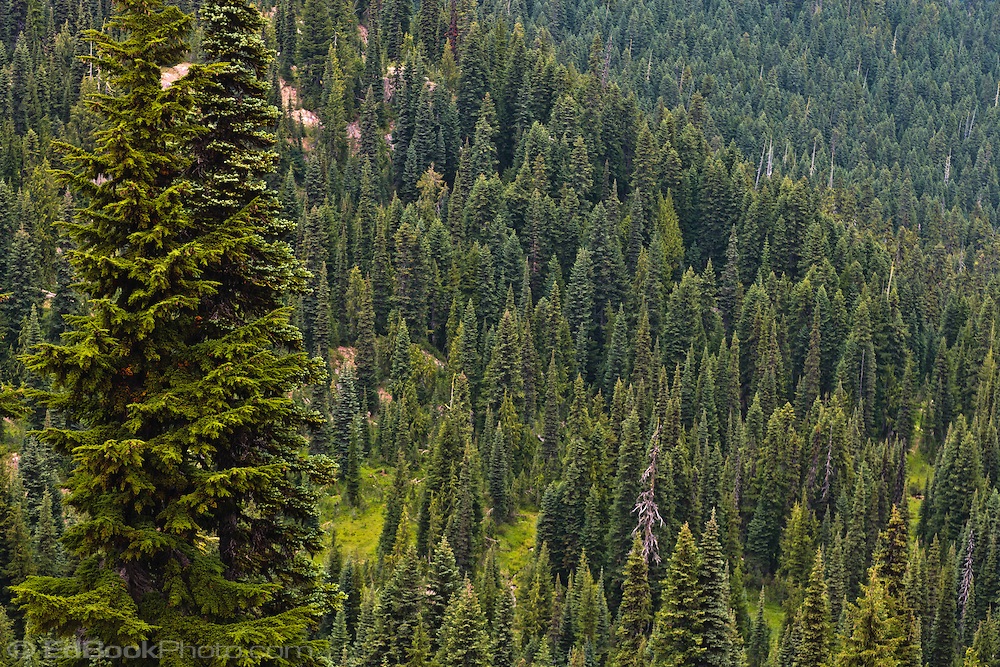
Which biome has coniferous trees (which don't lose their leaves)?
a)
Taiga
b)
Temperate Forest
c)
Tundra
d)
Grasslands
26.
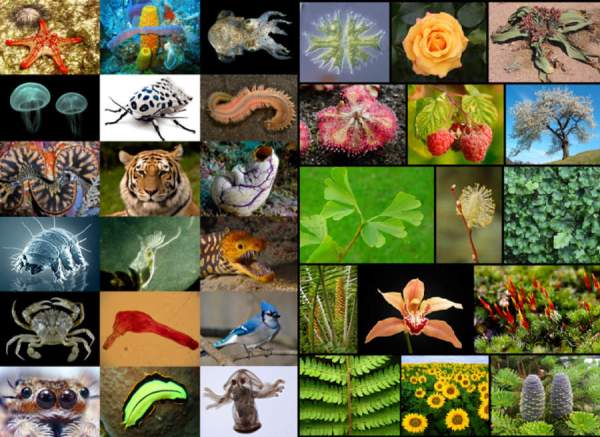
Which biome has the most variety of plants and animals?
a)
Temperate Forest
b)
Rainforest
c)
Tundra
d)
Grasslands
27.
Which biome has the most variety of plants and animals?
a)
Temperate Forest
b)
Rainforest
c)
Tundra
d)
Grasslands
28.

This biome is much like a cold desert.

a)

tundra

b)

taiga

c)

boreal forest

d)

grassland

29.

This biome can be very hot or very cold.

a)

tundra

b)

desert

c)

boreal forest

d)

grassland

30.

The difference between the tundra and a cold desert is...

a)

vegetation

b)

location

c)

predators

d)

all of the above

31.

Which biome listed is likely to have the most herbivores?

a)

tundra

b)

desert

c)

rainforest

d)

grassland

32.

The taiga is also known as the...

a)

rainforest

b)

tundra

c)

temperate forest

d)

boreal forest

33.

There are few plants other than evergreens in this biome.

a)

boreal forest

b)

taiga

c)

coniferous forest

d)

all of the above

34.

Which biome will likely have the most predators?

a)

desert

b)

rainforest

c)

tundra

d)

grassland

35.

This biome gets very cold in the winter, but not quite as cold as the tundra.

a)

grassland

b)

taiga

c)

temperate forest

d)

rainforest

36.

Most trees in this biome lose their leaves in the winter.

a)

rainforest

b)

boreal forest

c)

taiga

d)

temperate forest

37.

Would a desert have a large variety of predators?

a)

No, because there are few plants.

b)

No, because they don't like cacti.

c)

Yes, because there are a lot of lizards.

d)

Yes, because animals like cacti.

38.

This biome is also known as the deciduous forest.

a)

temperate forest

b)

boreal forest

c)

rainforest

d)

coniferous forest

39.

Which biome is found closest to the North Pole?

a)

taiga

b)

boreal forest

c)

deciduous forest

d)

tundra

40.

Which biome has the hottest climate?

a)

tundra

b)

desert

c)

rainforest

d)

temperate forest

41.

What do the rainforest and the tundra have in common?

a)

They are both cold.

b)

They are both hot.

c)

They both have predators.

d)

They both have trees.

42.
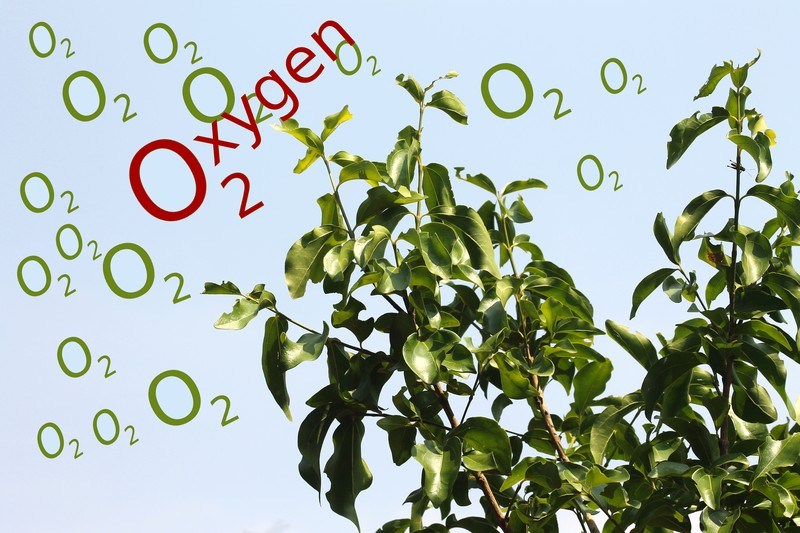
Which biome produces over 50% of the world's oxygen?
a)
Rainforest
b)
Temperate Forest
c)
Grasslands
d)
Taiga
43.
In which biome does an organism have to be able to conserve water to survive?
a)
Rainforest
b)
Taiga
c)
Desert
d)
Temperate Forest
44.
Which biome could an animal who hibernates in the winter to survive the cold live in?
a)
Grasslands
b)
Taiga
c)
Desert
d)
Rainforest
45.
The term "terrestrial" means
a)
land.
b)
water.
46.
One characteristic feature of the tundra is that only the surface thaws in the summer and refreezes in the winter, leaving a permanently frozen subsoil. This characteristic is known as 
a)
winter frost
b)
Glaciation
c)
Permafrost
d)
Crystallization 
47.
What is the average, year-to-year conditions of weather in an area?
a)
Biome
b)
Air Mass
c)
Climate
d)
Precipitation
48.
A way of acting or a body part that helps living things survive is called a.......
a)
plant
b)
adaptation
c)
biome
d)
behavior
49.
What do the adaptations of desert plants help them do?
a)
save water
b)
survive under the snow
c)
keep them safe from predators
d)
reach sunlight
50.

are found near the equator. They have the largest variety of plant and animal life. They are very warm and very wet. Some of them can get as much as 400 inches of rain every year.

a)

desert rain forest

b)

tropical rain forest

c)

arctic rain forest

d)

temperate rain forests

51.

are found along the coasts in places like the northwestern United States. They can be very wet but are much cooler than tropical rain forests.

a)

pine forest

b)

subtropical rainforest

c)

rainbow forest

d)

temperate rain forest

52.

s located near the North Pole. A thin layer of soil covers something called permafrost, a layer of ground that is permanently frozen, so it never thaws. Most of the year the temperature is below freezing, and very little rain falls there. It is the coldest biome.

a)

tangia

b)

arctic

c)

tundra

d)

subpermafrost

53.

cover 70% of the Earth

a)

saltwater biome

b)

freshwater biome

c)

mariner biome

d)

marine biome

54.

largest land biome-found between temperate forests and the Tundra-largest land biome-Plants include Coniferous evergreen trees.

a)

Tangerine

b)

Tigress

c)

Tangia

d)

Tropics

55.

are the largest biomes on Earth. They can be warm or cold. They are home to plants like seaweed and animals like fish, whales, turtles and sponges.

a)

oceans

b)

ponds

c)

lakes

d)

ice islands

56.

are rivers, lakes, streams and ponds. They are home to animals like fish, frogs and birds. Many plants grow in or near

a)

saltwater biome

b)

brackish biome

c)

freshwater biome

d)

brine bioms

57.

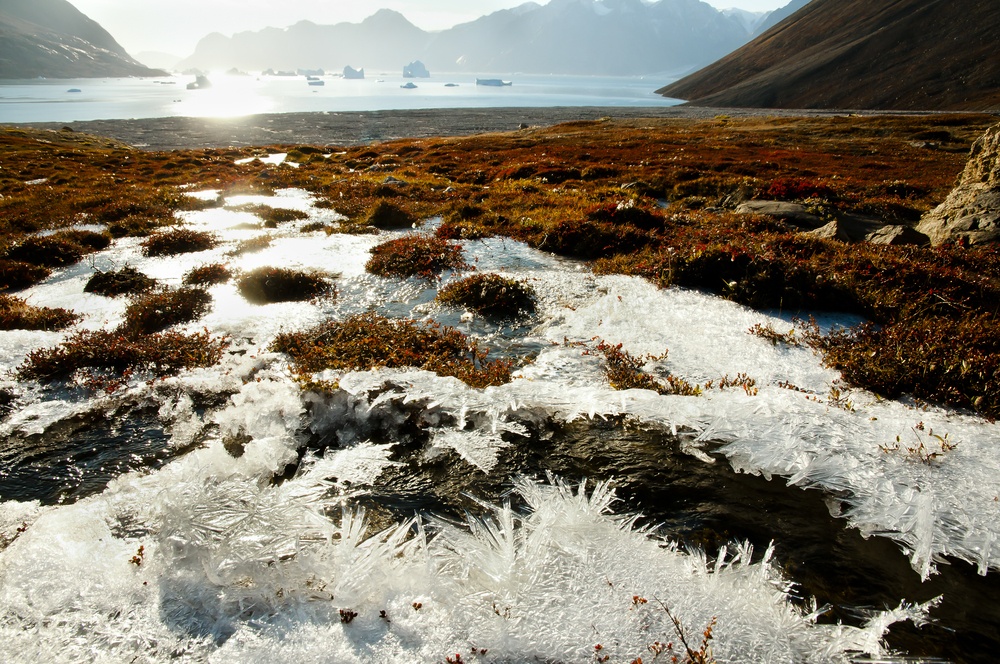
Which biome?

a)

Taiga (boreal forest)

b)

Savanna

c)

Temperate Deciduous Forest (Temperate Forest)

d)

Tundra

e)

Tropical Rainforest

58.

Which biome?

a)

Temperate Deciduous Forest

b)

Temperate Grassland

c)

Tropical Rainforest

d)

Savanna

e)

Tundra

59.

This biome is found around the equator and is home to a large amount of species biodiversity.

a)

Deserts

b)

Tropical rainforests

c)

Savannas

d)

Taiga

e)

Tundra

60.

The biome pictured is the

a)

desert

b)

savanna

c)

tropical rainforest

d)

taiga

e)

tundra

61.

In which biome is the ground frozen all year round?

a)

Temperate grassland

b)

Taiga

c)

Tundra

d)

Deciduous Forest (Temperate Forest)

e)

Desert

62.
What are the key features of the Tundra?
a)
cold winter, thin acidic soil, evergreen trees
b)
treeless, permafrost, cold dark winters
c)
ong cool summers, short dark winters, migrating animals
d)
many evergreen trees, short moist summers, long snowy winters
63.

Which land biome is divided into 4 levels/layers?

a)

Deciduous Forest

b)

Tropical Rain Forest

c)

Tundra

d)

Taiga

64.

Biodiversity means...

a)

how animals adapt to their environment

b)

how many different species are in a biome

c)

how many animals only

d)

what climate a biome has

65.

Which biome has the most rainfall?

a)

temperate grassland

b)

temperate deciduous forest

c)

tropical rainforest

d)

tundra

66.

Which biome has warm summers and cold winters, lots of open prairie land, and animals like bison, antelope, and prairie dogs?

a)

temperate rainforest

b)

tropical grassland

c)

temperate grassland

d)

desert

67.
In which biome do these plants (seagrass) survive? 
a)
wetland
b)
ocean
c)
freshwater
68.
In which biome do these plants (water lily trees/cattails) survive?
a)
ocean
b)
coral reef
c)
wetland
69.

A small body of standing water is called

a)

Pond

b)

Stream

c)

Lake

d)

River

70.

A type of wetland dominated by trees

a)

Swamp

b)

Marsh

c)

Bog

d)

Pond

71.
What is the best definition for animal adaptation?
a)
The way an animal looks
b)
What an animal does or looks like in order to survive in it's environment
c)
Having creative ideas
d)
How an animal spends time in the winter
72.

decaying plants and animals are important because they return __________ back into the soil

a)

sunlight

b)

oxygen

c)

nutrients

73.

Another name for swamps and marshes.

a)

grassland

b)

estuary

c)

wetlands

74.

Use energy from the sun to make their own food.

a)

producers

b)

consumers

c)

decomposers

75.

Deserts are all found on the side of this feature.

a)

oceans

b)

tall mountains

c)

large lakes

d)

rivers