
Font size
 Worksheets
AQL Science G4T2
Total questions: 70
Worksheet time: 1hrs 3mins
Which part of your skeleton protects the brain?
Ribs
Backbone
Skull
Head
Which part of your skeleton protects the heart and lungs?
Ribs
Backbone
Skull
Chest
How many bones are there in an adult human body?
106
406
260
206
Where are your radius and ulna found?
Skull
Arm
Leg
Back
What are the three main functions of your skeleton?
Movement, Protection and Balance
Movement, Protection and Support
Protection, Coordination and Balance
Movement, Balance and Running

The red highlighted area is called what? It helps protect all of your major organs.
Bird Cage
Sternum
Ribs
Femur

What is the name of this bone? It sits on top of your neck. It also protect your brain.
Dome Piece
Head
Skull
Patella

What is the name of the group of bones colored yellow. They make up the main support column of your skeleton.
Tailbone
Spine
Femur
Backbone
What are two ways to protect and strengthen your skeletal system?
consume food with calcium
drink orange juice
read books
do exercise
an animal without a backbone
vertebrate
invertebrate
an animal with a backbone
vertebate
invertebrate
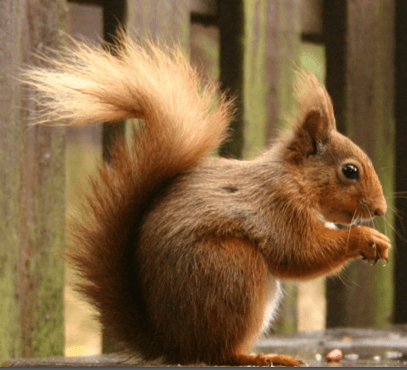
I have fur, I breathe with lungs, and I am warm blooded. What am I?
Mammal
Amphibian
Bird
Reptile

Animals that begin their life in the water and live on land are called...
Birds
Amphibians
Mammals
Reptiles


Which are the groups of vertebrate animals?
Mammals, fish, amphibians and sharks
Mammals, fish, birds, reptiles and amphibians
Lions, tuna, eagle, crocodile and frog
Humans, fish, birds and reptiles
What is the scientific name for any organism that causes an infectious disease?
Vaccine
Protein
Pathogens
Carbohydrate
Which type of pathogen is a small organism that causes diseases including tuberculosis and cholera?
Virus
Bacteria
Parasite
Fungi
In what way is malaria usually transmitted to humans?
Contaminated food or water
Insect bite
Direct contact
Indirect contact
I can take a medicine without relating to a doctor or an adult who looks after me.
False
True
I must follow the instructions of the medicine I take.
True
False
Substances used when we are sick to prevent us from getting illnesses are called
Medicines
Only inhalers
Nothing
These are weakened germs that are injected into the body that cause the immune system to produce antibodies.
Antibiotics
Vaccines
Vitamins
Analgesic
Which of the following statements is true about antibiotics?
Used to treat viral infections.
Chemicals that destroy infectious bacteria.
Aspirin is one of the examples of antibiotics.
Can control the emotions and behaviour of patients.
The main source of energy for all of earth's food chains is the...
sun
water
nutrients
producers
Plants produce their own food through...
symbiosis
photosynthesis
genetics
magic
All food chains begin with a...
grass
producer
consumer
decomposer
In ocean habitat, the producer is?
small fish
plankton
pilchard
shark
Why do consumers need producers?
to stay healthy
to collect sunlight
to provide them energy
they don't need producers
Why are decomposers important?
they break down dead animals and replace nutrients in the soil.
they provide energy to consumers
they make their own food
they collect sunlight
A herbivore is a...
consumer that eats both plants and other animals
consumer that only eats other animals
consumer that only eats plants
An omnivore is a...
consumer that eats both plants and other animals
consumer that eats only other animals
consumer that eats only plants

Is this a food chain or a food web?
Food chain
Food web
The direction of the flow of energy comes from the Sun and it is transferred along the food chain through the consumers to the producers.
true
false

Is this food chain correct?
yes
no
The habitat provides the living thing with what it needs to . . . .
a place to store kitchen equipment
get together and fight
survive and such as food
just a place for meetings

What animal live in the garden . . . .


where is the habitat of the living creatures above . . . .
Ocean
Jungle
Polar region
Desert

The animal habitats above is . . . .
Ocean
Desert
garden
artic
Fish, dolphins, coral, sea turtles, and plants live here. What habitat is this describing . . . .


True or False. Animals and Plants can survive in any habitat.
True
False
Why can a camel survive in the desert?
it can go without water or food
it can eat dirt

Where does the monkey live?
Grassland
Desert
Rainforest
Most solids are hard and cannot change their shape because __________.
their particles are further apart together.
their particles are always moving around each other.
their particles are packed tightly together.
their particles have some space between each other.
Some solids, such as sand, flour, salt, and sugar are similar to liquids; we can pour them and they take the shape of the container they are in. These solids are called __________.
powders
small solids
tiny solids
liquid-solid material

Particles in a liquid...
don't move much and are close together
can move but are still close together
can move a lot and are far apart.

All matter is made up of...
matter
solid
bubbles
particles
Give ticks for 3 correct examples about permanent changes!
Fry an egg
make ice cube
burned woods
melted gold
bake a bread
Solid can change into a liquid when it's .......
cooled
burned
heated
freezed
The permanent change forms ......because of the change.
a new item
a new substance
a new stage
Temporary change means....
the materials that undergo change could produce another substance.
the materials that undergo change could change into another substance.
the materials that undergo change cannot return to its original form.
the materials that undergo change can return to its original form.
Melting is.....
A process where a gas changes into a solid.
A process where a liquid changes into solid.
A process where a solid changes into gas.
A process where a solid changes into a liquid.
Freezing is............
A process where a liquid changes into a solid.
A process where a solid changes into a liquid.
A process where a liquid changes into a gas.
A process where a solid changes into a gas.
At what temperature in degrees Celsius does water freeze?
150
0
200
32

What would happen to this object if placed in a freezer?
It will turn into a gas.
It will turn into a liquid.
It will turn into a solid.
Melting needs heat.
TRUE
FALSE
Choose the pictures that show MELTING. (You may choose more than 1).


A physical change...
changes the physical properties of an object, but does not create a new substance.
creates a new substance and cannot be undone.


Is this an example of a physical or chemical change?
physical
chemical

Is this an example of a physical or chemical change?
physical
chemical

Is this an example of a physical or chemical change?
physical
chemical
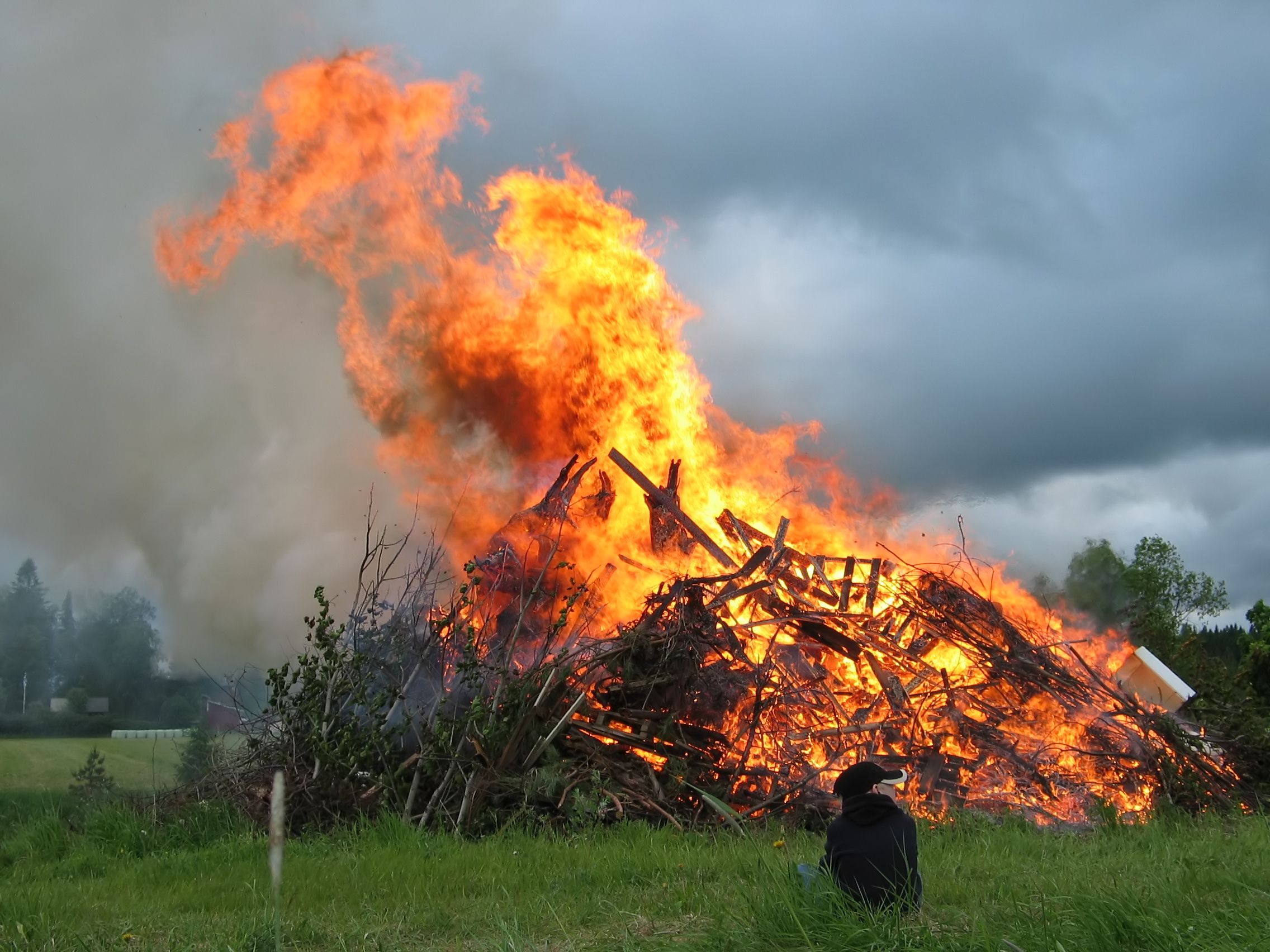
Wood that is burning in a brush pile has heat, and produces ashes.
Physical
Chemical
If something rusts, what kind of change has it undergone?
Physical
Chemical
Select the CHEMICAL changes:
Boiling water.
Folding paper into a paper airplane.
Burning wood on a fire.
Fireworks going off.
Cooking an egg on the stove.

