
 Worksheets
Topic 7 Review
Total questions: 72
Worksheet time: 1hrs 6mins
What does internal mean?
Outside something
Veins and Arteries
Inside something
Lasts forever
What does external mean?
Inside something
Mutant Superheroes
Outside something
Aliens
What is the function of leaves?
Leaves are tasty so can be used for salad
When you don't want to be somewhere anymore
Leaves take in sunlight and CO2 gas and use it to make food for the plant.
Leaves grow deep underground to absorb water and minerals
What things does a plant need for photosynthesis?
Sunlight
Friendly words
Water
Carbon Dioxide (CO2)
What is created from photosynthesis?
Oxygen
Seeds
Light
Sugar
Little holes in the leaf that let gasses in and out are called...?
Chloroplasts
Stomata
Stomach
Xylem
What does the vascular system in a plant do?
Capture the sunlight
Carry the blood around the plant
Carry water, sugar and minerals around the plant.
Make pretty flowers
The two types of vascular structures in plants are called?
Xylem
Mitochondria
Tony
Phloem
The female reproductive part of the plant. Produce eggs and provides a place for the seeds to develop.
Ovary
Sepal
Pistil
Phloem
Protects flower by wrapping around it
Pistil
Stamen
Sepal
Ovary
Waxy outer Covering; limits amount of water a plant loses
Pistil
Xylem
Stomata
Cuticle
Male part of the flower, produces pollen
Pistil
Stamen
Ovary
Sepal
Choose the best answer. Which of the following structures best functions to protect an animal from predators?
colorful feathers
thick fur
sharp spines
short legs
Check the structures that help with movement.
A seagull's wings
A ant's mouthparts
A frog's tongue
A tiger's padded feet
An ostrich's long legs
Check the structures that help with feeding
A seagull's wings
A ant's mouthparts
A frog's tongue
A tiger's padded feet
A snake's fangs
Choose the best answer to complete the sentence. Biomimetics is the study of animals to
help scientist change animal behavior
help scientist design things to help people
help protect animals from predators
help animals feed themselves.
External structures for movement, include wings, fins and ___________.
legs
fur
nature
insects
small animals
__________ is a gas as that almost all living animals need to breathe.
carbon dioxide
helium
oxygen
nitrogen
The structure that protects the brain is called the _________.
rib cage
joints
heart
skull
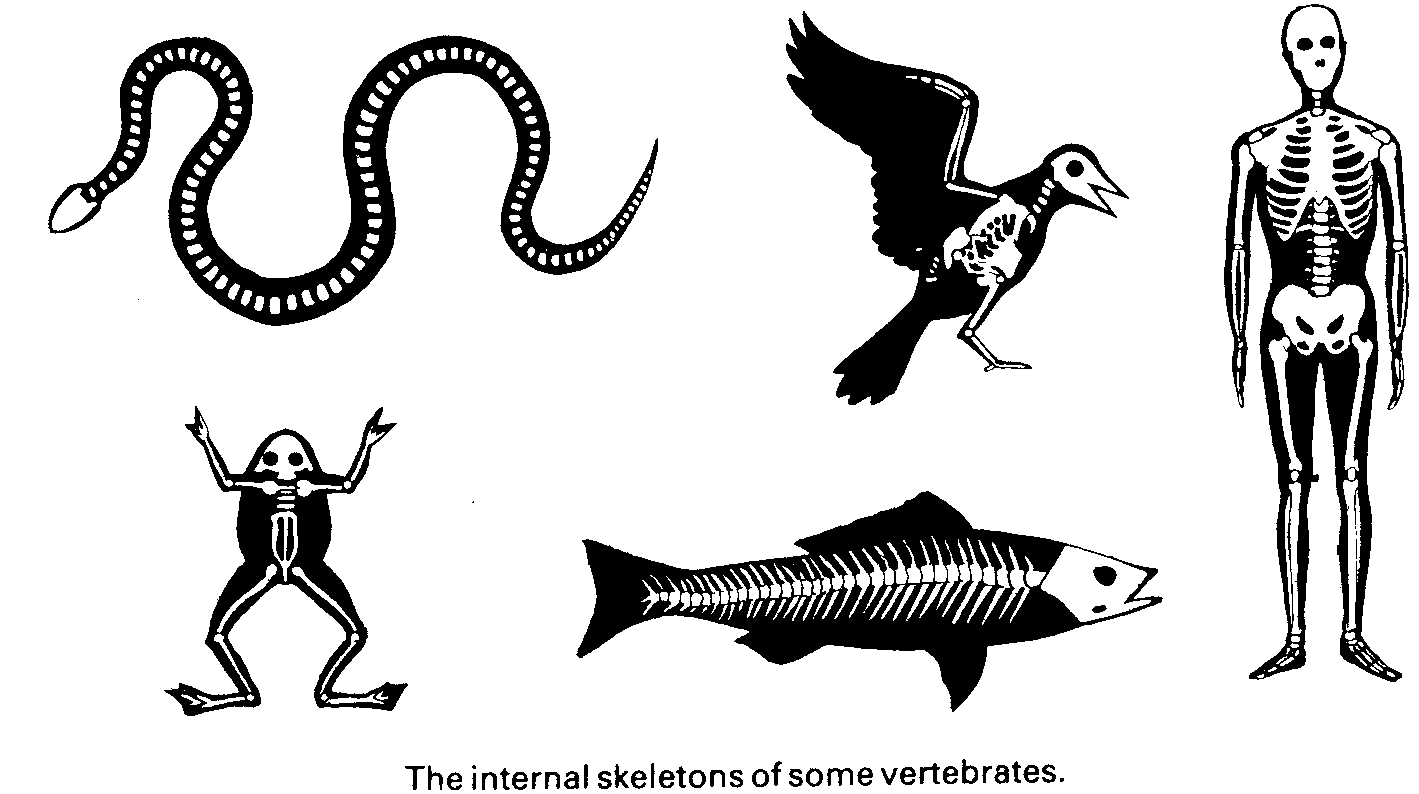
An animal with an internal bony skeleton is a _____________.
vertebrate
invertebrate
skeleton
skull
__________________ is the bony structure that protects the heart.
Skull
Rib cage
Vertebrate
Lungs
This organ pumps blood.
Lungs
Heart
Gills
Brain
The ______________ is a rigid support system in mammals that includes bones that connects to the soft structures of the body
skull
vertebrate
rib cage
skeleton
________ is the organ for breathing that provides oxygen to the blood and takes carbon dioxide from the blood.
gills
lungs
heart
brain
Organs that extract oxygen from the water as it flows is called
Lungs
Heart
Gills
Brain
1. This organ circulates blood
Ear
Eye
Lungs
Heart
What picture is best to use in a presentation about an animal’s skeleton?


Invertebrates do NOT have
exoskeleton
soft body
internal skeleton
eyes
Snails have
a shell
small legs
internal bones

Crabs have
a soft body
an exoskeleton
Which part of the plant is responsible for photosynthesis?
Roots
Stem
Leaves
Flowers
What is the main function of the roots in a plant?
To produce flowers
To absorb water and nutrients
To capture sunlight
To produce seeds
Which of the following animals is an invertebrate?
Dog
Cat
Spider
Bird
What is the primary function of the roots in a plant?
To produce flowers
To absorb water and nutrients
To capture sunlight
To produce seeds
Which part of the plant is responsible for reproduction?
Roots
Stem
Leaves
Flowers
What is the main function of the stem in a plant?
To support the plant and transport nutrients
To absorb water and nutrients
To capture sunlight
To produce seeds
What is the primary function of the stem in a plant?
To produce flowers
To support the plant and transport nutrients
To capture sunlight
To produce seeds
Which part of the plant is responsible for making food through photosynthesis?
Roots
Stem
Leaves
Flowers
What is the function of the xylem in a plant?
To transport water and nutrients from the roots to the rest of the plant
To produce flowers
To capture sunlight
To produce seeds
What is the primary function of leaves in a plant?
To absorb water and nutrients
To support the plant
To produce flowers
To perform photosynthesis
Which part of the plant anchors it to the ground?
Stem
Roots
Leaves
Flowers
What is the main function of the flower in a plant?
To absorb sunlight
To produce seeds
To support the plant
To absorb water

What does it mean to CAMOUFLAGE?
when a weak animal copies a stronger animal to warn of predators
when an animal is able to change colors to survive in an enviornment
when an animal hibernates during the winter.

What is HIBERNATION?
when a weak animal copies stronger animal to warn off predators.
when an animal hides in the cold winter and sleeps until the spring
when a larger animal eats its prey
Which is NOT a physical adaptation?
a bear hibernating in the winter
a bird with a sharp beak
a fish with scales on its body
Why would a bunnies fur be brown in the summer and white in the winter?
The rabbit likes to change fur color
The bunny learned it from his parents
The changing of fur color help the bunny blend in with it's surroundings.

Birds flying south 800 miles to find food and to escape cold winters is an example of
Hibernating
Migrating
Camouflage

A green snake blends in so predators can NOT find it. This is an example of?
Hibernation
Mimicry
Migration
Camouflauge
What is Migration?
When animals eat what they want
When animals travel from one place to another to eat or get away from the cold weather.
When animals are taught how to do something.

According tho the graph, which animal travels the longest distance?
Hummingbirds
Snow Geese
Seals
Monarch Butterflies

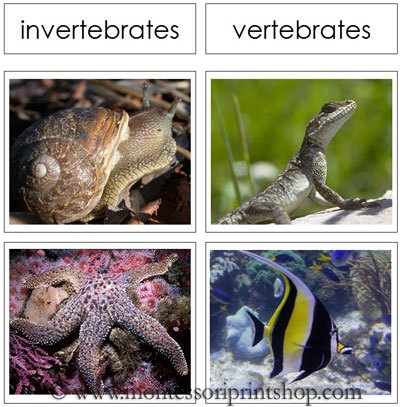
This animal is vertebrate or invertebrate?
Invertebrate
Vertebrate

This animal is vertebrate or invertebrate?
Vertebrate
invertebrate

This animal is vertebrate or invertebrate?
Invertebrate
Vertebrate

This animal is vertebrate or invertebrate?
Vertebrate
Invertebrate

This animal is vertebrate or invertebrate?
Invertebrate
Vertebrate
What is a behavioral adaptation?
Something an animal does to survive
How an animal looks
A structure that an animal has
A bear's thick fur
What is a structural adaptation?
Something an animal does to survive
The physical features of an organism that help it survive
A woodchuck hibernating in winter
A function an animal has



