
 Worksheets
Grade 4 TCI Science - Unit 2 Lesson 1 & 2 Review
Total questions: 70
Worksheet time: 54mins
Match the following
weathering
natural process of breaking down rock
erosion
the loosening and movement of weathered
deposition
the settling of eroded material in a new
break down
crack
wearing away
carve
move
transport
carry
blow across
placed
put down
settled
dropped
a deep valley carved by water in an area of rock
canyon
glacier
sediment
ice wedging
a slowly moving river of ice
ice wedging
glacier
canyon
sedimentary rock
a process in which cracks in a rock get bigger from water inside them freezing
sediment
minerals
ice wedging
glacier
the chemicals that rock is made out of
rock
canyon
minerals
sediment
any eroded material that is deposited in a new place
(examples: weathered rock, sand, and soil)
sedimentary rock
sediment
minerals
glacier
rock that is formed from deposited sediment;
layers of sediment are pressed together in one solid piece
glacier
sedimentary rock
sediment
canyon
canyon


ice wedging
sediment
glacier
sedimentary rock
Match the following

weathering

erosion

deposition
You can find out a mineral's ________________ by seeing what other minerals it can scratch.
cleavage
crystal
hardness
luster

Rocks are mostly made of
minerals
lava
fossils
dirt
What is a mineral?
magma that escapes through an opening in the Earth's surface
small, broken up pieces of rock
the remains of an animal that lived in the past
a solid, nonliving material found in nature
How do sedimentary rocks form?
heat and pressure creates a new rock
melted rock cools and hardens
pieces of rock and other materials squeeze together

Sedimentary rocks need to be compacted together
true
false
drops or deposits in a new place
erosion
weathering
compaction
deposition
the transport/movement of rock
erosion
compaction
weathering
cementation
the breaking down of rock
erosion
compaction
weathering
deposition
A deep, narrow valley with steep sides is called a __________.
delta
valley
canyon
glacier
Wind blows sand into hills called _______.
sandwiches
sand dunes
sand castles
sand
Large, thick sheets of ice are called _________.
sand dunes
glaciers
valleys
canyons

Which layer is the youngest layer?
F
A
E
C
Which layer of the Grand Canyon is the oldest?
Top
Middle
Bottom
What river carved the Grand Canyon?
Colorado
Tiber
Pueblo
Pedernales

Which process broke this hole in the arch?
Deposition
Weathering
Erosion.

Which process caused this delta to be left at the end of the river?
Deposition
Weathering
Erosion.

An avalanche is sliding down the mountain.
Deposition
Weathering
Erosion.

Which process caused the rock to split ?
Deposition
Weathering
Erosion.

Which process caused the sand dune to form here and not somewhere else?
Deposition
Weathering
Erosion.

What agent most likely created this rock formation over a long period of time?
Wind-blown sand carving out pieces of the rocks.
Glaciers expanding the rock.
A river moving the rocks downhill.
Ocean waves crashing against the rocks up on the shore.

What will most likely to happen to The Grand Canyon over time?
Wind will continue to erode the rocks.
The canyon will get deeper as it continues to be eroded by the river and the rocks.
A mountain will form where the rock sediments are deposited.
The river will evaporate, and the canyon will stop changing.
Which of the following landforms is an example of change in the surface of Earth by wind?
Delta
Sand dunes
Canyon
U-shaped valley

What natural agent is most caused the shaping of the arch in this picture?
Erosion caused by wind.
Weathering caused by ice.
Deposition caused by wind.
Weathering caused by water.

The formation of these sand dunes is most likely the result of —
erosion of sand by plants.
deposition of sand by wind.
movement of sand by a glacier.
weathering of sand by ocean waves.

The formation of the rock in this image was most likely caused by -
Weathering by ice.
Deposition of sediments.
Erosion of sediments.
Weathering by sediments.
Rock hits another rock as it is carried downstream causing both rocks to break
weathering
erosion
deposition
Sand settles on the beach after waves dropped it there. This is an example of...
weathering
erosion
deposition
Sand dunes are large piles of sand that can be found in the desert. What causes these sand dunes to form?
water
wind
ice
volcanoes
The wind picks up all the smaller particles leaving behind only bigger rocks.
weathering
erosion
deposition
A cliff formed near the ocean. Which statement best describes how this cliff formed?
warm air melted the rock
sun rays evaporated the rock
ocean waves washed away rock
plant roots pushed away the rock
Lily's family went to the beach over the summer. While there, Lily noticed that the rocks closer to the water’s edge were smooth, and the rocks farther away from the water were rough and jagged. What MOST likely caused the rocks closer to the water to be smooth?
birds pecking at the rocks
fish swimming over the rocks
waves crashing down on the rocks
people walking over the rocks to get to the water

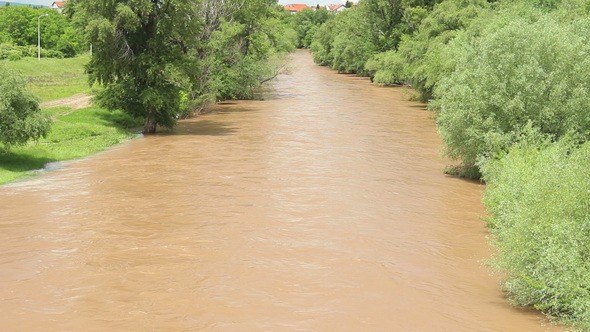

The Grand Canyon was caused by _____________________ erosion from the Colorado River.
water
wind

While on vacation, a student took a picture of a valley. The student explained that this valley was formed by a glacier(ice). How do we know that the valley was formed by ice?
This is a V shaped valley. V shaped valleys are formed by ice.
This is a U shaped valley. U shaped valleys are formed by ice.
There is no valley in this picture. The lake has water.
The student is incorrect. The valley was formed by water.
Flood water pounding against a canyon wall and wearing it down. This is an example of...
weathering
erosion
deposition
Caves being formed by acid rain dissolving underground limestone. This is an example of...
weathering
erosion
deposition

