
 Worksheets
UNIT REVIEW PRETEST- IMMIGRATION & URBANIZATION
Total questions: 57
Worksheet time: 31mins
FACTORIES
AGRICULTURAL
INDUSTRIAL
HANDMADE GOODS
AGRICULTURAL
INDUSTRIAL
MACHINES
AGRICULTURAL
INDUSTRIAL
Before the Industrial Revolution most people lived in small communities and farms and made things like clothing by hand. What is that called?
AGRICULTURAL
INDUSTRIAL
The shift from an agricultural economy to one based on manufacturing is called...
INDUSTRIALIZATION
IMMIGRATION
URBANIZATION
Find the picture that shows an urban community.
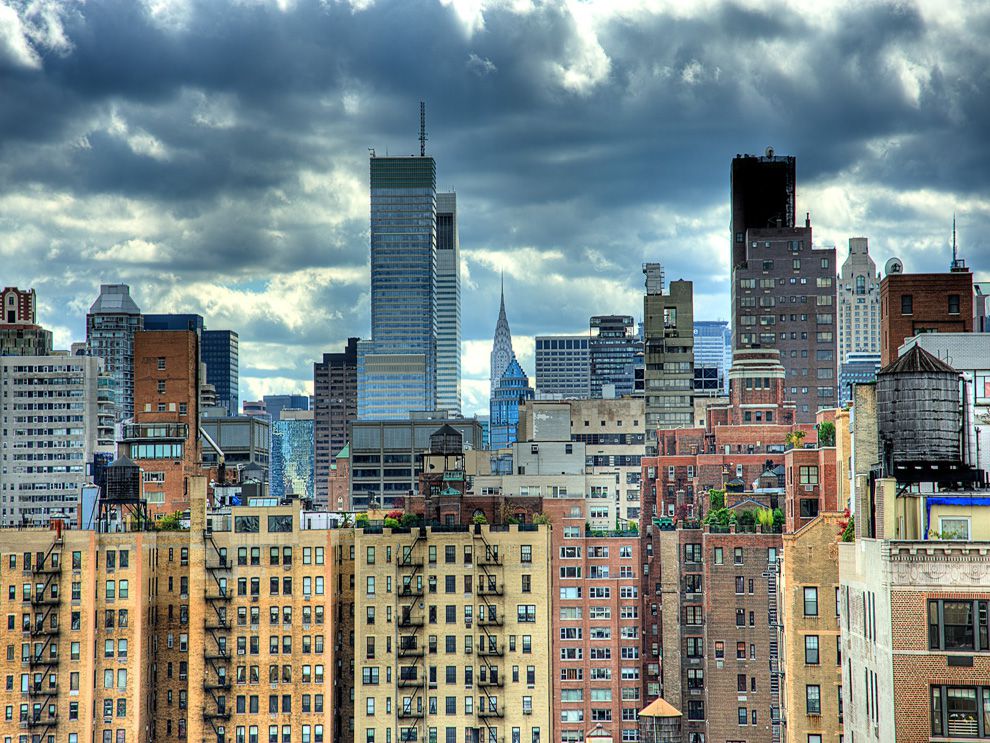
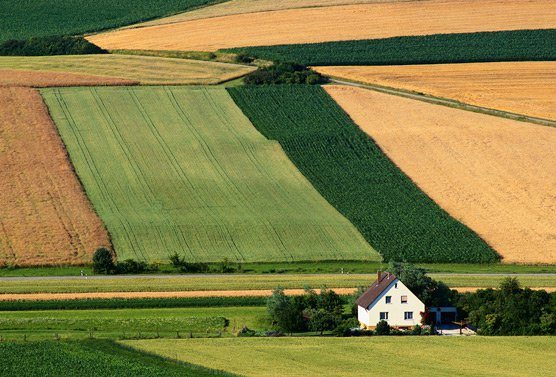
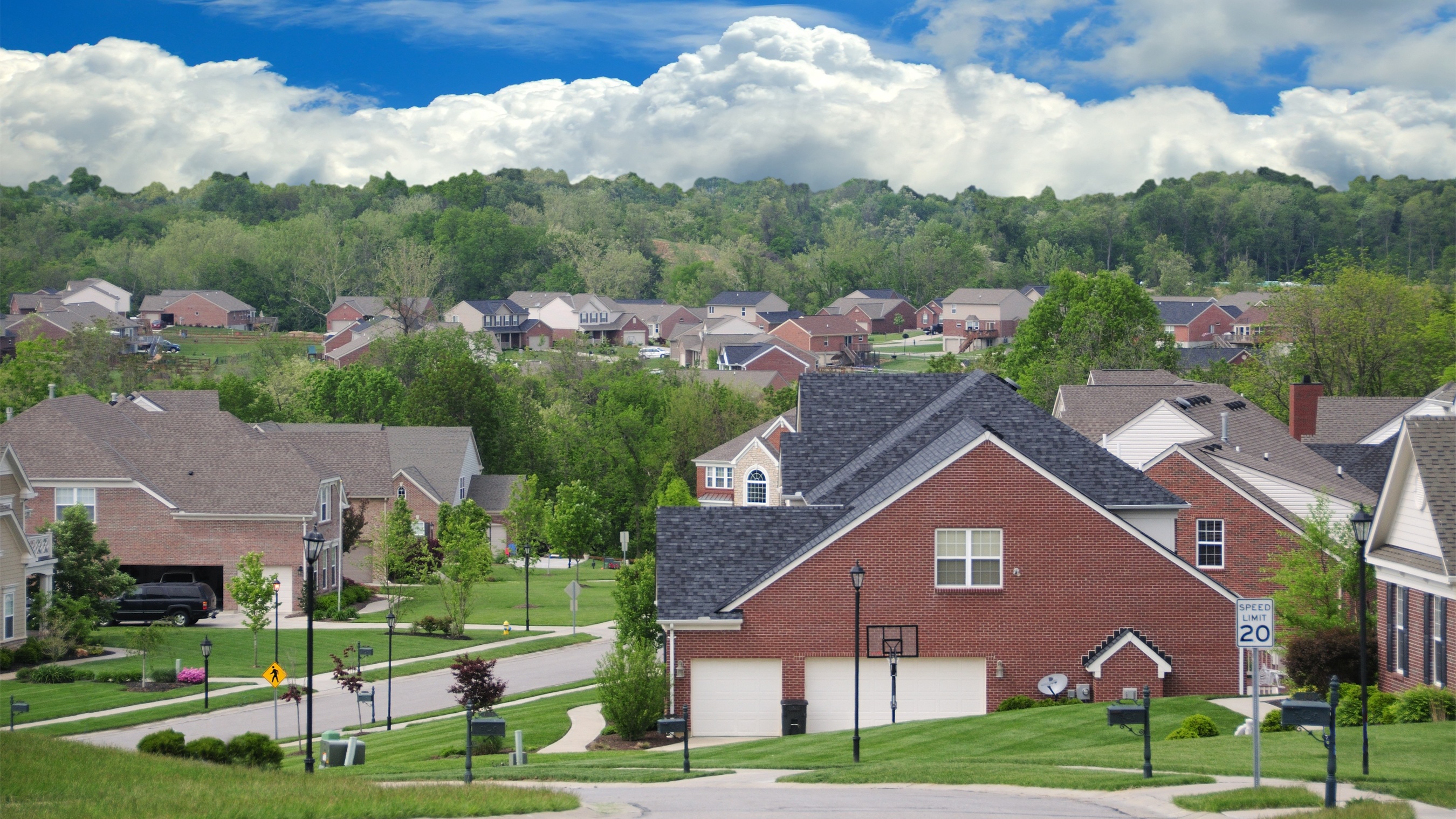
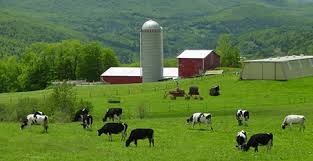
All of the following are reasons immigrants arrived in the United States between 1870 and 1900 EXCEPT--
escape from oppressive governments
better climate
religious freedom
adventure

Hope for better opportunities
Escape from oppressive governments
Adventure
Religious freedom
Which title best describes this list?
Reasons for Immigration
Reasons for Urbanization
South America
African Countries

B points to
Ellis Island
Angel Island
D points to
Ellis Island
Angel Island
What is the unfair treatment of people based on their race or culture?
Assimilation
Ghetto
Discrimination
Specialization
Following the Civil War, which two immigrant groups faced discrimination during the period of industrialization?
African and Chinese
Irish and German
Chinese and Irish
Italian and Irish
TRUE or FALSE?
Americans were happy to see large numbers of new Irish immigrants because they were seen as hardworking, law abiding citizens.
TRUE
FALSE
Chinese Exclusion Act:
Allowed more immigrants from Asia
Banned freedom of speech
Restricted working conditions
Prevented Chinese people from immigrating to the U.S.

What is Urbanization?
Growth of Cities
The Growth of Inventions
The challenge of immigration
The growth of farms

Where did specialized industries caused Americans to move to?
Specialized Industries
Immigration to America
Movement of Americans
Which title best describes this list?
Reasons for Immigration to the United States
Reasons for the Growth of Cities
Factories making specific items is called
SPECIALIZATION
URBANIZATION
IMMIGRATION
INDUSTRIALIZATION

to enter and settle in a new country
industry
immigration
mechanization
urbanization

having to do with farm life
urban
agricultural
rural
industry

having to do with city life
urban
industry
urbanization
industrialization

the rise of cities
urban
urbanization
industrial
rural

the rise of industry
industrialization
urbanization
mechanization
synchronization

immigrant neighborhoods that reflected their cultural background
tenement
ghetto
settlement house
projects

the production and sale of goods
mechanization
industry
industrialization
agricultural

the act of replacing human workers with machines
mechanization
industrialization
urbanization
specialization

cloth or fabric
cotton
mills
textile
tenement

a run-down building divided into small, unsafe apartments
settlement house
ghetto
projects
tenement
The lack of housing in cities resulted in *
Industrialization
Overcrowding
Urbanization
Mechanization
Which of the following is NOT a negative effect of industrialization? *
Child Labor
Discrimination
Safe Working Conditions
Low Pay and Long Hours
How young did some children begin to work during the Industrial Revolution?
4
9
12
14
How did laws protect child workers during the Industrial Revolution?
There were no laws to protect children
Limiting the types of jobs they could do
Limiting hours
Putting an age limit on when they could work
True or False: Children who worked were kept safe and away from dangerous machinery. *
TRUE
FALSE
Which of these were typical jobs worked by children? *
All of these
Working on machines
Selling newspapers
Breaking up coal
Which statement best describes working conditions during the Industrial Revolution?
Very safe
Few hours with high pay
Dangerous
Which of the following was an unsafe working condition found during the Industrial Revolution?
losing fingers and limbs
Dust filled air
Fire hazards
All of these
What was the group called when workers organized to try to improve working conditions?
Club
Team
Union
Company
What were the organizations that provided immigrants with much needed money, food, housing, and jobs in exchange for their votes?
Settlement houses
Legislative automobiles
Political machines
Unions
Who founded Hull house?
Alexander Graham Bell
Jane Addams
William Tweed
Thomas Edison
Who ran a political machine? *
Jane Addams
Boss
Machinist
Foreman
Workers began to organize into ___________________ in order to fight for better and safer working conditions.
Settlement houses
Ghettos
Political machines
Unions
Jane Addams established which of the following?
A Settlement House
Elementary Schools
A Political Machine
Churches

New England
A
B
C
D
Chicago
A
B
C
D
Detroit
A
B
C
D
Pittsburg
A
B
C
D

