
 Worksheets
Types of rocks
Total questions: 17
Worksheet time: 9mins

There are 3 types of rocks. They are ...
Volcanic - Magma - Bedrock
Metamorphic - Igneous - Sedimentary
Minerals - Fossil - Crust
Lava - Magma - Crust

What type of rock is made from magma?
SEDIMENTARY
METAMORPHIC
IGNEOUS

What type of rock is made of tiny fragments of rocks?
SEDIMENTARY
IGNEOUS
METAMORPHIC

Which rocks are made by heat and pressure?
IGNEOUS
SEDIMENTARY
METAMORPHIC

The hot liquid inside the Earth is called ...
CRUST
BEDROCK
MAGMA
VOLCANO

Liquid that flows when a volcano erupts
WATER
MUD
LAVA
MAGMA

How are rocks classified?
Based on the way they are formed
Based on their colors
Based on their temperature
Based on their size

Look at the image. These are .... rocks.
Igneous
Sedimentary
Metamorphic

Look at the image. These rocks are ...
Igneous
Sedimentary
Metamorphic

The outside part of our planet is called...
CRUST
BEDROCK
SOIL
MAGMA

Mark the description of IGNEOUS ROCKS
Tiny fragments of rocks. Great pressure transform these rocks. Wind or water flow remove soil and rock from the surface of the planet and transport them to other locations.
They come from volcanoes. When lava, gases and ash escape to the surface, they get cold and solidify.
They are formed under the surface of the earth, where heat and pressure are very intense. Those rocks do not melt. The minerals in those rocks change chemically and form the strong rocks, which can have different colours.

Mark the description of METAMORPHIC ROCKS
They are formed under the surface of the earth, where heat and pressure are very intense. Those rocks do not melt. The minerals in those rocks change chemically and form the strong rocks, which can have different colours.
Tiny fragments of rocks. Great pressure transform these rocks. Wind or water flow remove soil and rock from the surface of the planet and transport them to other locations.
They come from volcanoes. When lava, gases and ash escape to the surface, they get cold and solidify.

What type of rock is this?
Sedimentary
Igneous
Metamorphic
Sand
How long have rocks been around?
a few months
a few years
millions and billions of years
The hardened remains of a living thing that died long ago.
fossil
extinct
endangered
minerals

An animal has sharp, pointy teeth, what can we infer about this animal?
The animal lived in the water
The animal lived near the beach.
The animal is a carnivore.
The animal only ate plants.
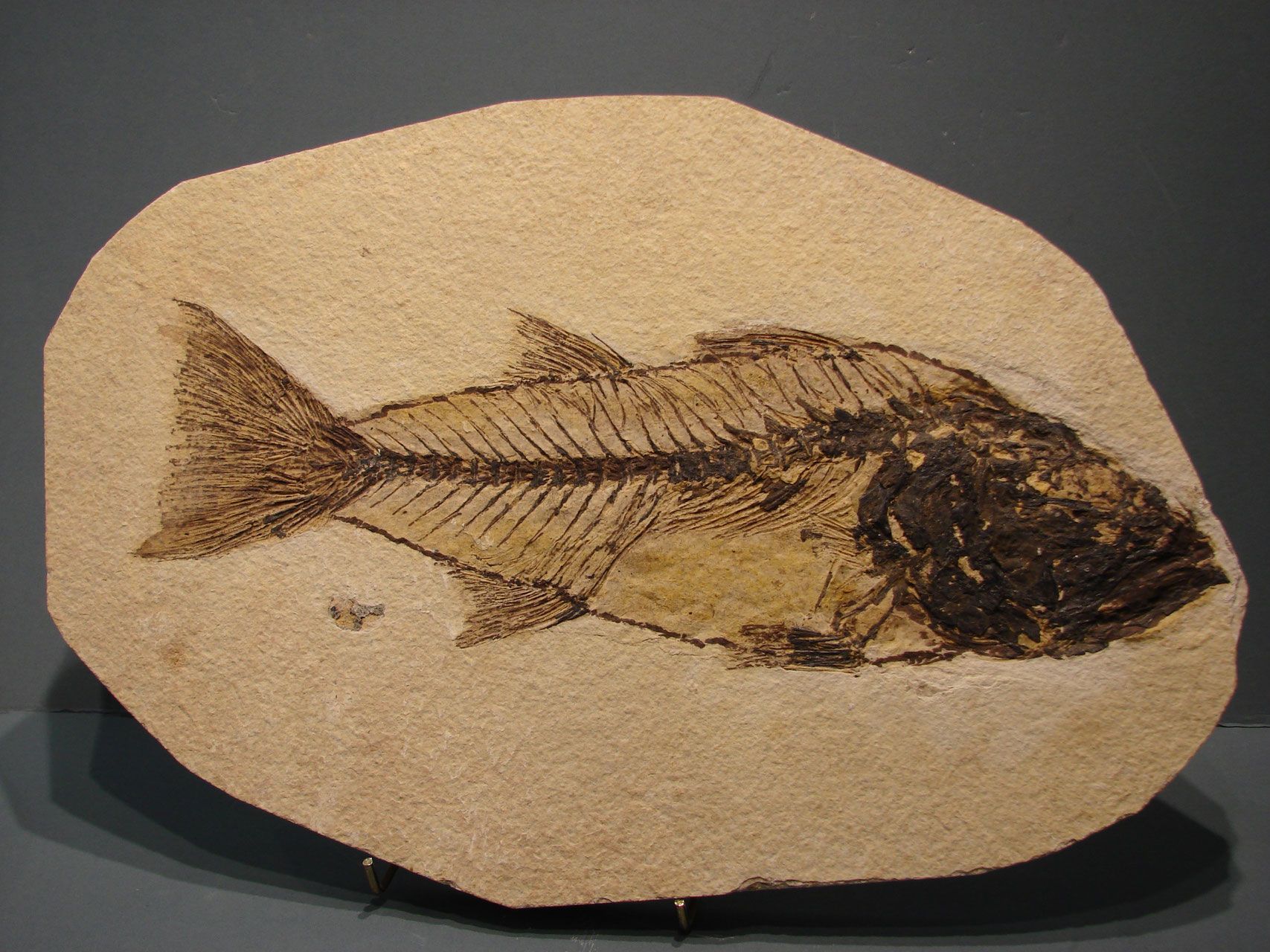
If a scientist found a fish fossil in the desert, what can they infer?
An animal ate the fish.
The water covered the area long ago.
Today's fish looks the same
The fish is endangered.

