
NEW
Font size
 Worksheets
Law Enforcement Role in Court
Total questions: 39
Worksheet time: 36mins

All these are careers in this pathway, EXCEPT:
Animal Control Officer
Police Officer
Anesthesiologist
Sheriff

A police officer could get different types of calls. All these are examples, EXCEPT:
family arguments
burglary calls
fights over property
someone having a good day

With all this counseling they do on a day to day basis, to be a police officer you need to have which type of skill?
knowledge about traffic laws
multi tasking
be able to communicate well is important
math skills

People use technology and they can easily record the behavior of a law enforcement officer. That is why it is important for officers to:
maintain composure and act in accordance with the law
act crazy
get mad with ease
maintain games on their phones

What are some of the dangers of working in Law Enforcement?
exposure to dangerous individuals
vehicle pursuits
accidents
All of these are dangers

Do law enforcement professionals need to continue studying/training about the laws?
there is no need to continue learning after high school
yes, there is always training to learn about the latest laws/updates in technology
yes, they need to study about health science
yes, they need to learn how to style their hair
Which of the following terms accurately describes the outcome of a criminal trial in which the defendant is found guilty?
Conclusion
Conviction
Verdict
Jargon
The legal threshold of guilt in a criminal trial is_________.
More likely than not
Moderately logical and probable
By a preponderance of the evidence
Beyond a reasonable doubt
The informal group of professionals involved in the trial is know as which of the following?
the judicial assembly
the courtroom work group
the case wardens
the stewards of justice
Which of the following is the term used to describe when the officer is questioned by prosecutors?
direct examination
cross-examination
direct discovery
cross-discovery
Defense attorneys routinely file for __________ whereby the defense is given knowledge of the evidence to be used by the prosecution in the trial.
writs for defense
appeals for defense
motions for examination
motions for discovery
When officers are used as a(n) _________ by prosecutors, the chances for a successful prosecution are enhanced.
advocate
collaborator
resource
antagonist
Which of the following is NOT discussed during the pre-trial meeting with prosecutors?
details of the incident and investigation
other witnesses who will testify in the trial
questions to be asked by the prosecution
possible questions to be asked by the defense
When testifying, responses should NOT be which of the following?
oral
definite
technical
factual
Which of the following is NOT recommend avoiding when testifying?
asking for the question to be repeated
incorporating opinions in responses
using jargon in responses
fidgeting
Which of the following is NOT an example of nonverbal or paraverbal communication?
jargon
tone
facial expression
volume
Which of the following is an example of being attentive as a law enforcement officer?
Holding workshops and seminars
Taking extra time to know staff
Giving clear instructions
Teaching staff and subordinates
Which of the following is NOT one of the ten effective leadership traits discussed?
Sense of humor
Informative
Empathetic
Adaptive
Which of the following is NOT an example of state law enforcement?
Department of corrections
Highway patrol
Department of public safety
Sheriff department
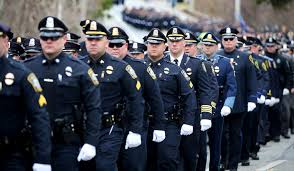
Police are entrusted to serve and protect the public.
True
False
Who hears all the witness and the whole case in the court?
Defense Lawyer
Public Prosecutor
Judge
The police have the power to punish the
wrongdoer
True
False
What term refers to a person who is tried by a court for a crime?
Accused
Fair trial
Lawyer
Detention
What is the act of keeping the accused in custody by the police?
Cross examine
Detention
FIR
None of the above
The process in which cases are reviewed by a higher authority, where parties request a formal change to an official decision
Demand a retrial
Stand mute before the judge
An appeal
Declare a mistrial
Which of the following terms accurately describes the outcome of a criminal trial in which the defendant is found guilty?
Conclusion
Conviction
Verdict
Jargon
The legal threshold of guilt in a criminal trial is_________.
More likely than not
Moderately logical and probable
By a preponderance of the evidence
Beyond a reasonable doubt
Which of the following is the term used to describe when the officer is questioned by prosecutors?
direct examination
cross-examination
direct discovery
cross-discovery
When officers are used as a(n) _________ by prosecutors, the chances for a successful prosecution are enhanced.
advocate
collaborator
resource
antagonist
Which of the following is NOT discussed during the pre-trial meeting with prosecutors?
details of the incident and investigation
other witnesses who will testify in the trial
questions to be asked by the prosecution
possible questions to be asked by the defense
When testifying, responses should NOT be which of the following?
oral
definite
technical
factual
______1. What is a skill in law enforcement that helps an officer describe things?
a) Observation
b) Memory
c) Picture taking skills
d) Binoculars
______4. What kind of report will begin the investigation of criminal matters?
a) Supplemental
b) Attachment
c) Arrest
d) Incident
e) Offense
______6. What kind of report is an incident report?
a) Initial
b) Supplement
c) Attachment
d) Arrest
e) Offense

