
 Worksheets
Quarter 3 Review--Physics
Total questions: 173
Worksheet time: 3hrs 34mins
In each of the following cases, determine where the car has no acceleration?
A car speeds up after a stoplight turns green.
A car slows down as it approaches a red light
A car with the cruise control set at 80 km/h going down a straight highway
A car turning a curve at a constant speed
The SI unit for acceleration is
mph
ft/sec
m/s2
m/s
What is the unit for FORCE?
N (Newtons)
lbs (pounds)
g (grams)
m/s (meters per second)
What is the force on a 1000 kg elevator that is falling freely at 9.8 m/sec2
102.04 n
9,800 n
980 n
103 n
___ refers to how fast an object is moving.
Speed
Velocity
Acceleration
Motion
Which two factors does speed depend on?
distance and direction
direction and time
distance and time
distance, time and direction
___ refers to the rate at which an object changes position.
Speed
Velocity
Acceleration
Motion
What two factors does velocity depend on?
speed and direction
distance and time
speed and time
distance and direction
Which is an example of speed?
A car driving 55 miles per hour south.
A bicyclist traveling 10 meters per hour toward the next town.
A roller coaster is traveling 10 meters per second.
A rocket blasting off at 2,500 meters per second toward space.
Which is an example of velocity?
A car driving 55 miles per hour south.
A bicyclist traveling 10 meters per hour.
A roller coaster is traveling 10 meters per second.
A rocket blasting off at 2,500 meters per second.
Speed or Velocity?:
A turtle is crawling 34 cm/min.
Speed
Velocity
Neither
Both
Speed or Velocity?:
A train is travelling North 220 km/hr
Speed
Velocity
Neither
Both
Acceleration is a speeding up, slowing down or a change in direction. Is the following acceleration and if so, which one?
A swimmer has 10 meters left in the race and he is neck-in-neck with his competitor. He has a surge of adrenaline and pulls ahead to win.
Yes, this is acceleration since the swimmer starts to speed up to pull ahead.
Yes, this is acceleration since the swimmer uses the wall to change directions.
No, this is not acceleration since there is no speeding up, slowing down, or change in direction.
Acceleration is a speeding up, slowing down or a change in direction. Is the following acceleration and if so, which one?
A dancer is warming up. She turns on music with a good beat and does 10 pirouettes in a row perfectly on the beat. (pirouette is a body spin in ballet)
Yes, this is acceleration since the dancers is going a certain speed.
Yes, this is acceleration since the dancer is changing direction when she spins.
No, this is not acceleration since there is no speeding up, slowing down, or change in direction.
True or False: You are standing at the bus stop and not moving at all. Since you are not moving, your acceleration would be 0 (zero). Support with how you know.
True since you are not speeding up, slowing down or changing directions.
True since you are traveling no distance in a certain amount of time.
False since you are speeding up, slowing down and/or changing directions.
False since you were going to get on a moving bus.
Observe what happens to the motion of the penny. Which of Newton's Laws does this represent?
Observe lo que sucede con el movimiento del centavo. ¿Cuál de las leyes de Newton representa esto?
Newton's 1st Law, inertia
Newton's 2nd Law, Force = m x a
Newton's 3rd Law, action/reaction
Watch the first marble as it collides with the second marble . Which of Newton's Laws does this represent?
Observar cómo choca la primera canica con la segunda canica. ¿Cuál de las leyes de Newton representa esto?
Newton's 1st Law, inertia
Newton's 2nd Law, Force = m x a
Newton's 3rd Law, action/reaction
Observe the motion of the washer as the notecard is pulled quickly out from under it. Which of Newton's Laws does this represent?
Observar el movimiento de la moneda mientras saca rápidamente el papel de debajo. ¿Cuál de las leyes de Newton representa esto?
Newton's 1st Law, inertia
Newton's 2nd Law, Force = m x a
Newton's 3rd Law, action/reaction
Watch what happens as Blake releases the balloon. Which of Newton's Laws does this represent?
Mira lo que sucede cuando Blake suelta el globo. ¿Cuál de las leyes de Newton representa esto?
Newton's 1st Law, interia
Newton's 2nd Law, Force = m x a
Newton's 3rd Law, action/reaction
Observe the 2 bottles of paint with a notecard in between. As we attempt to remove the card without disturbing either bottle, which of Newton's Laws does this represent?
Observe las 2 botellas de pintura con una tarjeta de notas en el medio. Mientras intentamos quitar la tarjeta sin molestar ninguna botella, ¿cuál de las leyes de Newton representa esto?
Newton's 1st Law, inertia
Newton's 2nd Law, Force = m x a
Newton's 3rd Law, action/reaction
As Blake spins the bucket around, observe the motion of the washers. Which of Newton's Laws does this demonstration represent?
Mientras Blake hace girar el cubo, observe el movimiento de las monedas. ¿Cuál de las leyes de Newton representa esta demostración?
Newton's 1st Law, inertia
Newton's 2nd Law, Force = m x a
Newton's 3rd Law, action/reaction
Watch as Blake pushes the 2 cars of different masses with about the same force. Observe what happens. Which of Newton's Laws does this represent?
Observa cómo Blake empuja los 2 coches de diferentes masas con aproximadamente la misma fuerza. Observa lo que pasa. ¿Cuál de las leyes de Newton representa esto?
Newton's 1st Law, inertia
Newton's 2nd Law, Force = m x a
Newton's 3rd Law, action/reaction
As I balance a meter stick and a ruler on my fingers, which one is easier to balance? Why? Which of Newton's Laws does this represent?
Mientras balanceo un metro y una regla en mis dedos, ¿cuál es más fácil de equilibrar? ¿Por qué? ¿Cuál de las leyes de Newton representa esto?
Newton's 1st Law, inertia
Newton's 2nd Law, Force = m x a
Newton's 3rd Law, action/reaction
Watch as I propel the washers across the desk. Observe what happens as I use different amounts of force.
Observa cómo empujo las monedas por el escritorio. Observe lo que sucede cuando uso diferentes cantidades de fuerza.
Newton's 1st Law, inertia
Newton's 2nd Law, Force = m x a
Newton's 3rd Law, action/reaction
Watch as I send the car down the track. What happens as I increase the force that I am using? Which of Newton's Laws does this represent?
Mira como mando el coche por la pista. ¿Qué sucede cuando aumento la fuerza que estoy usando? ¿Cuál de las leyes de Newton representa esto?
Newton's 1st Law, inertia
Newton's 2nd Law, Force = m x a
Newton's 3rd Law, action/reaction
As Blake drops a crumpled paper and a flat sheet of paper at the same time, which one will hit the ground first? Why? Which of Newton's Laws does this represent?
Cuando Blake deja caer un papel arrugado y una hoja de papel plana al mismo tiempo, ¿cuál caerá primero al suelo? ¿Por qué? ¿Cuál de las leyes de Newton representa esto?
Newton's 1st law, inertia
Newton's 2nd Law, Force = m x a
Newton's 3rd Law, action/reaction
Watch as Blake begins to run. What happens to the sheets of paper under his feet? Why? Which of Newton's Laws does this represent?
Mira como Blake comienza a correr. ¿Qué pasa con las hojas de papel bajo sus pies? ¿Por qué? ¿Cuál de las leyes de Newton representa esto?
Newton's 1st Law, inertia
Newton's 2nd Law, Force = m x a
Newton's 3rd Law, action/reaction
Observe the motion of the washer as I quickly pull the card out from under it. What happened to the washer? Why? Which of Newton's Laws does this represent?
Observe el movimiento de la moneda mientras saco rápidamente la tarjeta de debajo. ¿Qué pasó con la moneda? ¿Por qué? ¿Cuál de las leyes de Newton representa esto?
Newton's 1st Law, inertia
Newton's 2nd Law, Force = m x a
Newton's 3rd Law, action/reaction
Observe as the first ball hits the first ball in the line on the pendulum. What happens to each ball in succession? Which of Newto's Laws does this represent?
Observar cómo la primera bola golpea la primera bola en la línea del péndulo. ¿Qué pasa con cada bola en sucesión? ¿Cuál de las leyes de Newto representa esto?
Newton's 1st Law, inertia
Newton's 2nd Law, Force = m x a
Newton's 3rd Law, action/reaction
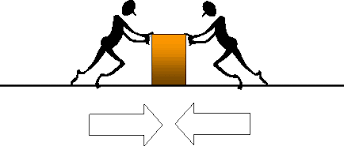


What is it?
Pull
Friction
Push
Heavy


A ____________ is a push or a pull on an object.
friction
force
magnet
gravity


Forces that have a net force of zero Newtons
Balanced force
Unbalanced force
Suppose that an astronaut throws a baseball in outer space at a location far from significant influences of gravity and air resistance. One would expect that the baseball would ____.
eventually stop since all objects ultimately "lose their steam"
eventually stop as its inertia slowly becomes used up
continue in motion with the same speed and direction
either a, b, or c -- depending on whether the astronaut continues to push it
All objects have inertia
True
False
Inertia depends on ______
Velocity
Speed
Distance
Mass
A skateboard rolls down a hill, reaches the level surface and eventually comes to a stop. The fact that the skateboard ultimately stops is best explained by ____.
an unbalanced force would be required to keep the sled moving forward at constant speed
the presence of an unbalanced force (e.g., friction) can cause a moving object to stop
the presence of inertia causes it to stop
the natural tendency of any object is to ultimately stop
Mac and Tosh are arguing in the cafeteria. Mac says that if he flings the jello with a greater speed it will have a greater inertia. Tosh argues that inertia does NOT depend upon speed, but rather upon mass. Who is correct?
Mac
Tosh
Neither
Both
More mass = More inertia
True
False
The rate something is traveling in a certain time
(example: miles per hour)
velocity
inertia
speed
The rate something is traveling in a certain direction.
speed
inertia
velocity
The amount of MATTER in an object.
momentum
velocity
mass
Inertia is the tendency of an object to resist a change in its ___________.
temperature
shape
size
motion
the tendency of an object to resist a change in its motion
acceleration
inertia
mass
frame of reference
A force has both strength and _____.
power
direction
color
balance
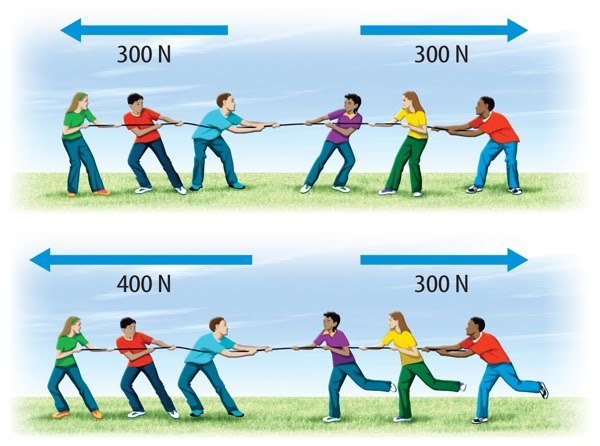
When Izzy and Zoe pull on the rope with the same amount of force, the forces are _____.
increased
unbalanced
balanced
decreased

Velocity is speed with __________________________.
a unicycle helmet
direction
fight
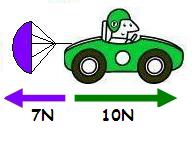
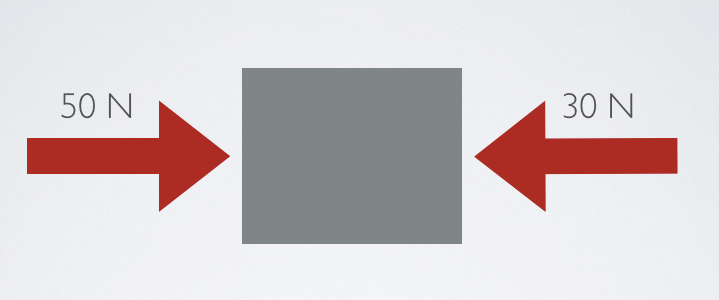
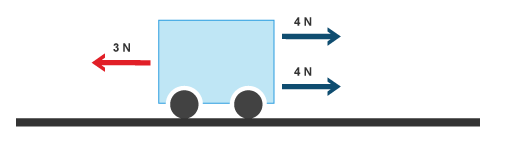
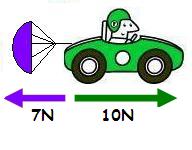
What is the net force?
3 N
3 N, right
17 N, right
3 N, left
A force that opposes motion between any surfaces that are in contact.
gravity
acceleration
friction
direction

Which type of friction is shown in the picture?
rolling
fluid
static
sliding

Which type of friction is shown in the picture?
fluid
static
rolling
sliding
If the following objects were dropped from the same height, which one would hit the floor first?


Which type of friction is shown in the picture?
rolling
static
fluid
sliding

This photo represents...
Air resistance
water resistance
friction force between 2 solid bodies

Dolphins have streamline shape to.............
increase water resistance.
Decrease water resistance.
No answer

Which boy A or B will slide down faster
A
B
A and B
What does the strength of the force depend on? Check the answers that apply.
The types of surfaces
The weather
How hard the surfaces push together
motion
A hard wood floor has more friction than a carpet.
true
false
_____________ friction acts on objects that are not moving.
sliding
rolling
static
fluid
Sliding friction is when two _____________ surfaces slide over one another.
liquid
oil
solid
Rolling friction is when an object ___________ over a surface.
bounces
rolls
slides
Fluid friction happens with objects moving through ______________ or ___________________.
gases or liquids
solids or liquids
gases or solids
Air resistance is a type of fluid friction.
True
False



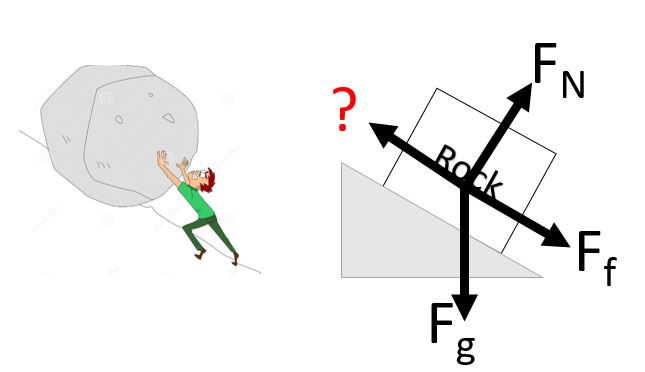
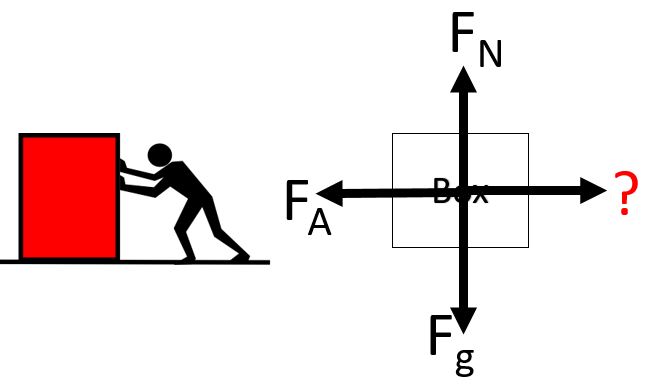
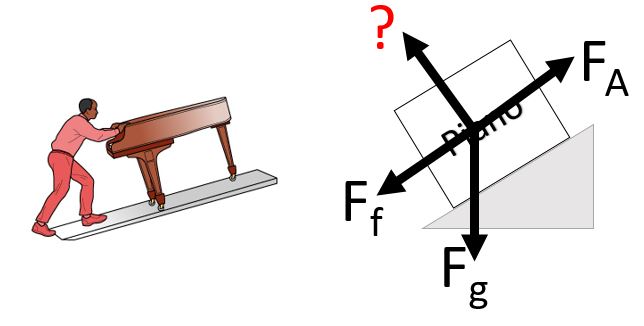
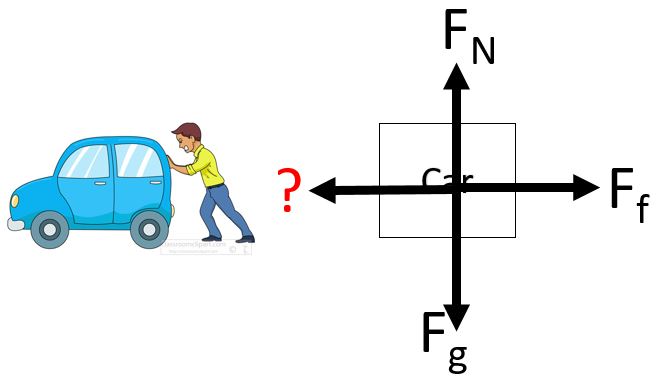
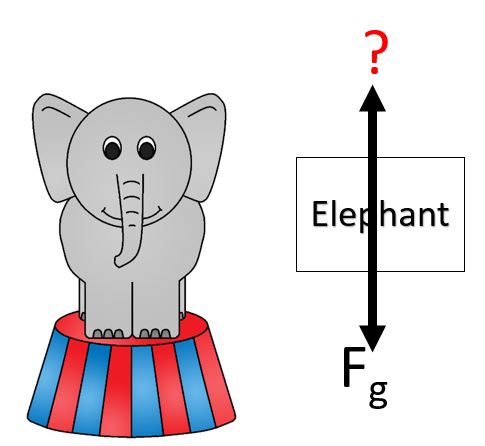
Whenever an object is moving, there is always this force opposing the motion:
inertia
momentum
friction
applied force
If an object is moving to the right, this force is pushing or pulling to the left:
friction
applied
normal
tension
The force that keeps objects on top of surfaces instead of letting them sink into the surface is known as:
normal
abnormal
static
inertia
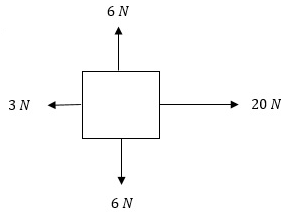
What is the NET FORCE of this diagram?
17 N, right
17 N, left
23 N, right
12 N, up
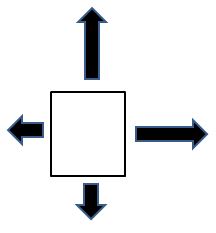
This object would be moving (pick all that are correct):
up
down
left
right
The down-arrow in this diagram is most-likely:
gravity
normal
a push or pull
friction
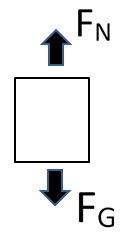
Which of the following is true about this free-body diagram?
the forces are are balanced
the object is free-falling
the object is moving upward
the forces are unbalanced
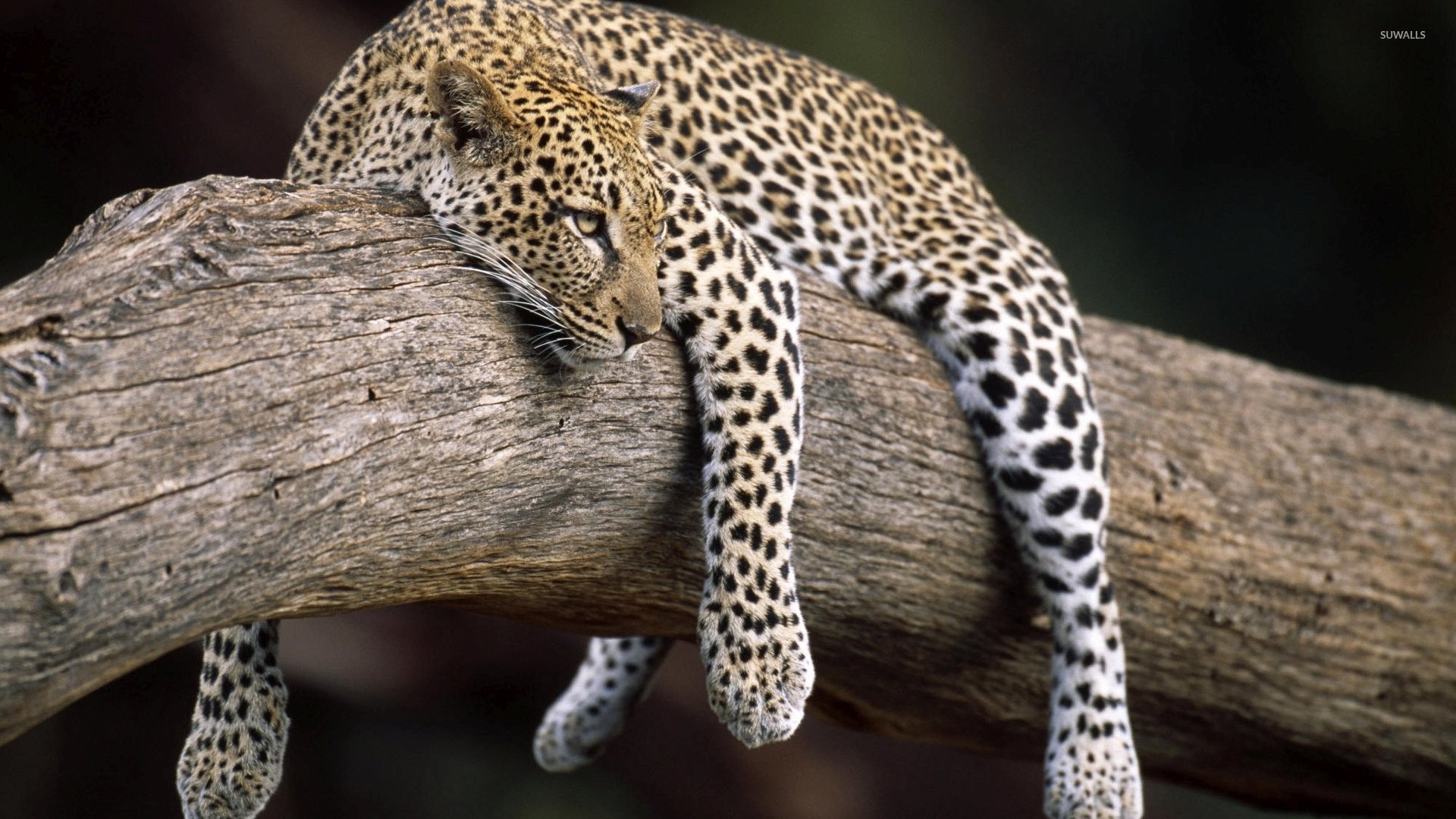
What forces are on a leopard laying on a log?
Fg & Fapp
Fb & Fg
Fg & FN
Ff & FN


The blades of a toy helicopter spin when its circuit is connected to a battery. Which sequence below correctly identifies the energy changes taking place in the helicopter?
chemical to electrical to potential
chemical to electrical to mechanical
Which of the following gadgets best shows the transformation of energy from electrical to mechanical with the correct reasoning?
A light bulb because electricity is being used to create light and heat.
A fan because electricity is being used to spin the blades of the fan.

1. A student investigated the energy transformations that occur when a call is placed from cell phone A and received by cell phone B. The student drew a diagram to show the process. Based on the diagram, what evidence is there for the transformation of chemical energy into electrical energy, and which other energy transformations must occur for the call to be received by cell phone B?
Evidence:
Cell phones are powered by a battery that produces the electricity used to send or receive a call.
Transformation 1: Sound energy is transformed into
electrical energy by cell phone A.
Transformation 2: Electrical energy is transformed into mechanical energy in the cell towers and base station
Evidence:
Cell phones are powered by a battery that produces the electricity used to send or receive a call.
Transformation 1: Sound energy is transformed into
electromagnetic waves by cell phone A.
Transformation 2: Electromagnetic waves are transformed back into sound energy by cell phone B.
Evidence:
Base stations are powered by a battery that produces the electricity used to receive and forward a call.
Transformation 1: Sound energy is transformed into electrical energy by cell phone A.
Transformation 2: Electrical energy is transformed into mechanical energy in the cell towers and base station
Evidence:
Base stations are powered by a battery that produces the electricity used to receive and forward a call.
Transformation 1: Sound energy is transformed into electromagnetic waves by cell phone A.
Transformation 2: Electromagnetic waves are transformed back into sound energy by cell phone B
Choose the image below that shows potential energy decreasing then increasing if following the arrows from left to right?


1. Using the image identify the three forms of heat transfer.
Conduction (CD), Convection (CV) Radiation (R).
A: CD - B: CV - C: R
A: R - B: CD - C: CV
A: CV - B: CD - C: R
A: R - B: CV - C: CD
Choose the statement below that best describes the transfer of energy from the Sun to the Earth.
The sun is the ultimate source of energy because it uses nuclear fusion to create heat. The thermal energy it creates radiates through the vacuum of space and heats the Earth.
The Sun is an extremely large source of thermal energy. Because of its size, the Sun can conduct its heat through space, heating the Earth.

1. A student is investigating the motion of a pendulum. The student holds the Bob in Point A and then releases it. Which statement is correct about the energy of the Bob?
The KE of the Bob is greatest at Point A.
KE changes to PE as the Bob moves from D to E.
The PE of the Bob is greatest at Point C.
PE changes to KE as the Bob moves from C to D.
Where would an object have the most potential energy?
The bottom of a hill
The top of the hill
On the way down the hill
It never has potential energy
If you have a battery in a device, what is the first energy transformation that must happen?
Chemical to light
Chemical to electrical
Electrical to chemical
Electrical to light

At which point is potential energy greatest?
W
X
Y
Z
What kind of energy is stored energy?
Potential
Kinetic
None of the above
All of the above
The faster an object moves, the ________ kinetic energy it has.
more
less
none of the above
same


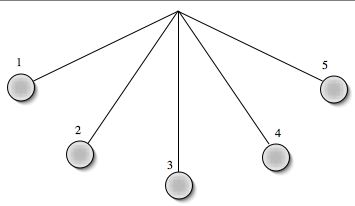

The picture is an example of _____ .

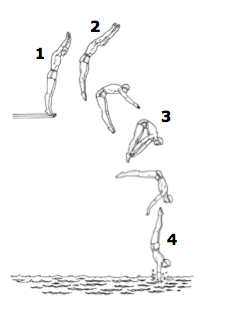
The picture is demonstrating an example of ______ .
A boy standing on top of a slide
Potential Energy
Kinetic Energy
A slinky moving down a set of stairs
Potential Energy
Kinetic Energy
Holding a marble at the top of a ramp
Potential
Kinetic

When you rub your hands together on a cold day, you use friction to convert
Mechanical energy into thermal energy
Thermal energy into nuclear energy
Chemical energy into mechanical energy.
Electrical energy into thermal energy
Which energy-conversion chain occurs whenever coal is burned to create steam to spin the generator at a power station?
chemical to mechanical to potential
thermal to chemical to mechanical to electrical
chemical to thermal to mechanical to electrical
chemical to chemical to mechanical to radiant
Which of the following is defined as work done per unit time?
A. energy
B. force
C. power
D. work
What are two things required for work to be done? Check all that apply.
Force
Distance
Constant Speed
Friction
A student with a mass of 62 kg walks up a flight of stairs with a height of 3.4 meters. How can he decrease his power?
walk slower
walk faster
carry his friends books
Check all of the things that can affect power
Work
Time
Force
Distance
A roller coaster whose average speed is 32 m/s is at the top of a 72m hill and weighs 966N. At the top of the hill the coaster car has ___________________ energy.
almost all kinetic energy
almost all potential energy
mostly kinetic energy
some kinetic and some potential energy
This is energy that is stored for later use.
kinetic energy
potential energy
mechanical energy
radiant energy
The is the energy due to the splitting of atoms.
nuclear
chemical
mechanical
radiant
Which statement illustrates work done?
A weightlifter holds a barbell above her head.
A teacher applies a continuous force to a book, holding it flat.
A student flicks a paper football and moves it over the edge of a table.
A waiter carries a tray full of meals while listening to a customer.
If the object does not move then what is happening
nothing
work
power
no work is being done on the object



