
 Worksheets
Asia Environmental Issues
Total questions: 37
Worksheet time: 25mins
The Yellow River flows into what body of water?
Yellow Sea
Indian ocean
Sea of Japan
Bay of Bengal
The largest and longest river in China.
Yellow River
Yangtze River
Ganges River
The river that is known for its muddy yellow silt.
Yangtze River
Ganges River
Yellow River
Mississippi River

Where is the Ganges River?
C
G
I
F
Where is the Indian Ocean?
B
A
O
Q
Where is the Bay of Bengal?
B
A
P
Q
Where is the Sea of Japan?
K
O
Q
P
The __________ River is highly polluted with dangerous bacteria and cities along the its banks have the highest rates of water-borne diseases in India.
Ganges
Chang Jiang
Huang He
Mekong River
Which of the following is NOT as cause of air pollution in India and China?
Coal-burning factories
Homes burning coal for heat
automobile emissions
flooding during monsoon season
What is the effect of water pollution in the Ganges and Chiang Jiang River?
Water-borne diseases are spreading
Many species of plants and animals are dying
water is unsafe to drink
All of these are effects of water pollution
What would be a good title for the list below?
*Sewage Waste
*Industrial Waster
*Agricultural run-off
Effect of pollution on the Ganges and Chang Jiang Rivers
Effects of pollution of flooding in China and India
Causes of pollution on the Ganges and Chiang Jang Rivers
Causes of air pollution in China and India
Millions of Chinese villagers do not have safe drinking water because of the pollution from chemicals and waste in the ___________ River
Ganges
Chang Jiang
Mekong
Amazon
What has contributed to rivers flooding in China?
rains during monsoon seasons
farmers draining wetlands that previously acted as sponges
loggers cutting down too many trees that previously contained the rivers water
All of these
Why does the pollution of the Ganges and Chang Jiang Rivers have such a big impact on the people of India and China?
People use the water strictly for irrigation for farms
the governments cannot trade with other countries if their waste is too polluted.
Millions of people depend on water from the rivers for daily living
The rivers are the main source of transportation for both countries.
all of these
India has some of the lowest rates of air pollution in the world due to auto emissions and the development of industry.
False
True
Flooding in India has led to what? Check all that apply (4)
Human and animal deaths
Destruction of homes and businesses
Respiratory disases
Loss of crops
Mudslides
The Huang He (Yellow) River is nicknamed "China's Sorrow" because flooding from the river has caused more deaths than any other river in the world
True
False

Strong, often violent winds that change direction with the season. The winter is dry and the summer is wet.
Hurricanes
Typhoons
Tsunamis
Monsoons

Which of the following is a reason monsoons are bad?
They provide much needed water for crops.
They cause widespread flooding.
They bring devastating tsunamis to the region.
They cover India in many feet of snow and ice.

Which of the following is a reason monsoons are good?
They provide water for crops.
They cause widespread flooding.
They cause devastating landslides.
They clean up air and water pollution.

In India, which direction do the monsoons blow during the summer?
From the sea towards the land.
From the land towards the sea.
Across the deserts.
Down from the mountain ranges.

Which crop (aided by India's monsoon rains) is the country's main source of income?
corn
wheat
rice
kelp

Which 2 alternative energy resources are generated from monsoons?
wind and hydroelectric
geothermal and hydroelectric
wind and geothermal
biofuels and solar

In India, monsoons bring water from which ocean?
Pacific
Atlantic
Indian
Arctic
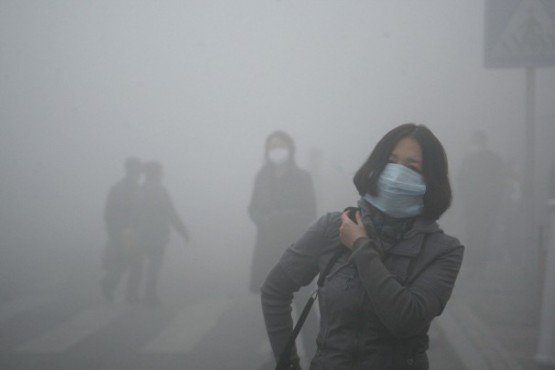
Which pair below are the two main sources of air pollution in urban (populated) areas?
vehicles, volcanoes
vehicles, industries
Industries, agriculture
All of the above
Acid rain can be traced back to
the burning of fossil fuels.
the use of electrostatic precipitators.
thermal inversions.
the release of particulate matter into the atmosphere.


