
 Worksheets
Respiratory System BTEC L3 Sport
Total questions: 27
Worksheet time: 9mins

When we breath in the diaphragm...
Contracts
Relaxes
When we breathe out the diaphragm...
Contracts
Relaxes
The respiratory system takes in oxygen and gives out _____
Carbon dioxide
More oxygen
Air and nutrients
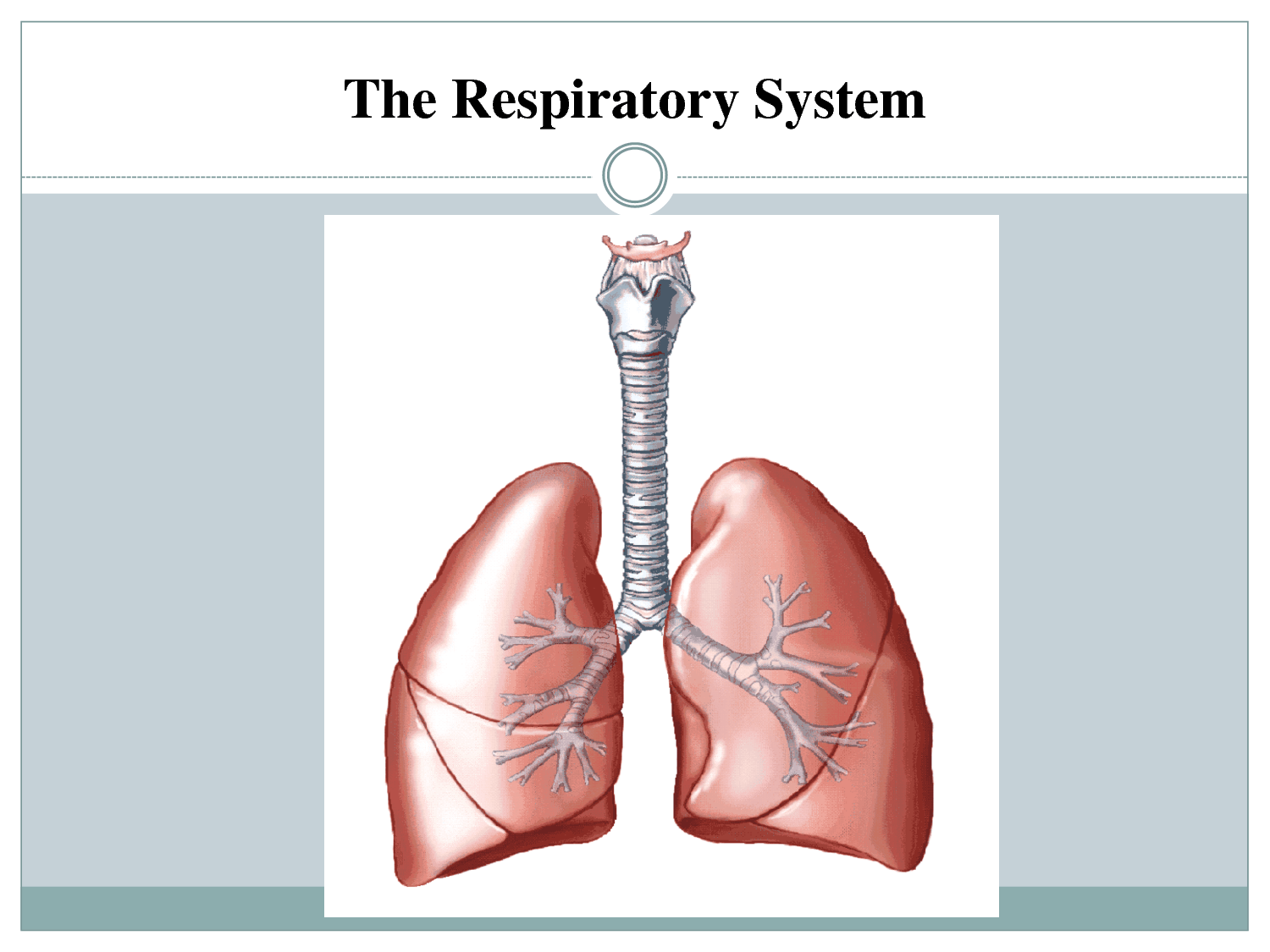
Where do we have our vocal cords?
In the larynx
In the pharynx
In the trachea
In the mouth
Which is not a job of the respiratory system?
taking in oxygen
taking in carbon dioxide
moisten air
transport glucose
After the nose, air passes into the
larynx
pharynx
bronchi
bronchioles
Where does air go after the pharynx during inhalation?
nose
trachea
bronchi
alveoli
The "windpipe" is known as the
alveoli
esophagus
trachea
bronchi
A small flap of tissue that covers the trachea is called the
bronchi
larynx
pharynx
epiglottis
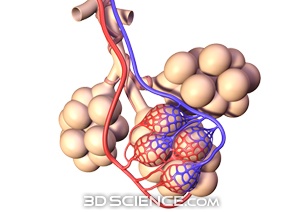
Where is carbon dioxide and oxygen exchanged at capillaries?
trachea
larynx
alveoli
bronchi
Which properly describes inhalation?
ribs go down and out
pressure is low causing air to rush in
pressure is high causing air to rush in
volume is low
When you exhale, the diaphragm
moves upwards
moves downwards
flattens
none of the above
Which is known as the voice box?
pharynx
larynx
trachea
bronchi
Oxyhaemoglobin gives up O2 when …
CO2 concentrations are high.
Body temperature is lowered.
pH values are high.
O2 concentrations are higher.
When chemoreceptors detect a slight decrease in pH, this means that _______________ concentrations have increased, and the breathing rate must ________________ .
Carbon dioxide; increase.
Carbon dioxide; decrease.
Oxygen; increase.
Oxygen; decrease.
Each haemoglobin molecule can bind reversibly with
one atom of oxygen
one molecule of oxygen
two molecules of oxygen
four molecules of oxygen
Blood rich in _____________ flows to the body cells. Blood rich in __________ flows to the lungs.
(a)

The lungs are made up of many tiny air spaces called (a)
The walls of the alveolus and capillaries are (a) cell thick, allowing for ease of diffusion of gases.
When you exhale, the diaphragm (a)

