
 Worksheets
Solar System & Beyond Review
Total questions: 44
Worksheet time: 4hrs 40mins
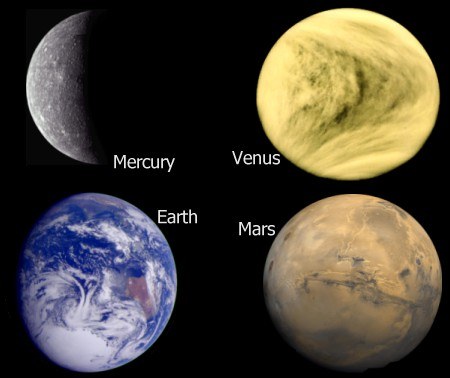

How can you tell a star from a planet in the night sky?
Stars twinkle, planets have a constant glow.
Planets twinkle, stars have a constant glow.
There is no difference.
There are more planets than stars.
What type of technology could be used to study the surface of Mars?
Space Probe
Microscope
Binoculars
Telescope
A star's color tells us about its __________________.
Location
Size
Temperature
Galaxy
What instrument can be used from Earth to make stars and planets look larger?
Microscope
Telescope
Telephone
Microphone
A large round object revolving around a star would be considered a _________.
Planet
Sun
Space Probe
Asteroid
Which planets are considered gas giants?
Inner Planets
Outer Planets
Why do some stars appear to be brighter than others?
The brightness and depends on a stars size and distance from Earth.
The brightness depends on a stars age.
The brightness depends on a stars name.
Compared to the outer planets, the inner planets are_________.
larger
smaller
the same size
a different shape

A small robotic space probe that can move about on the surface of a planet or moon is
Orbiter
Rover
Space Station
Apollo

Unmanned space vehicles that take instruments into space to collect data are called
Satellite
Space Shuttle
Rocket
Space Probe
Until the early 1600s, people observed the night sky with __________.
a telescope
their eyes

The Sun is the biggest star in the sky.
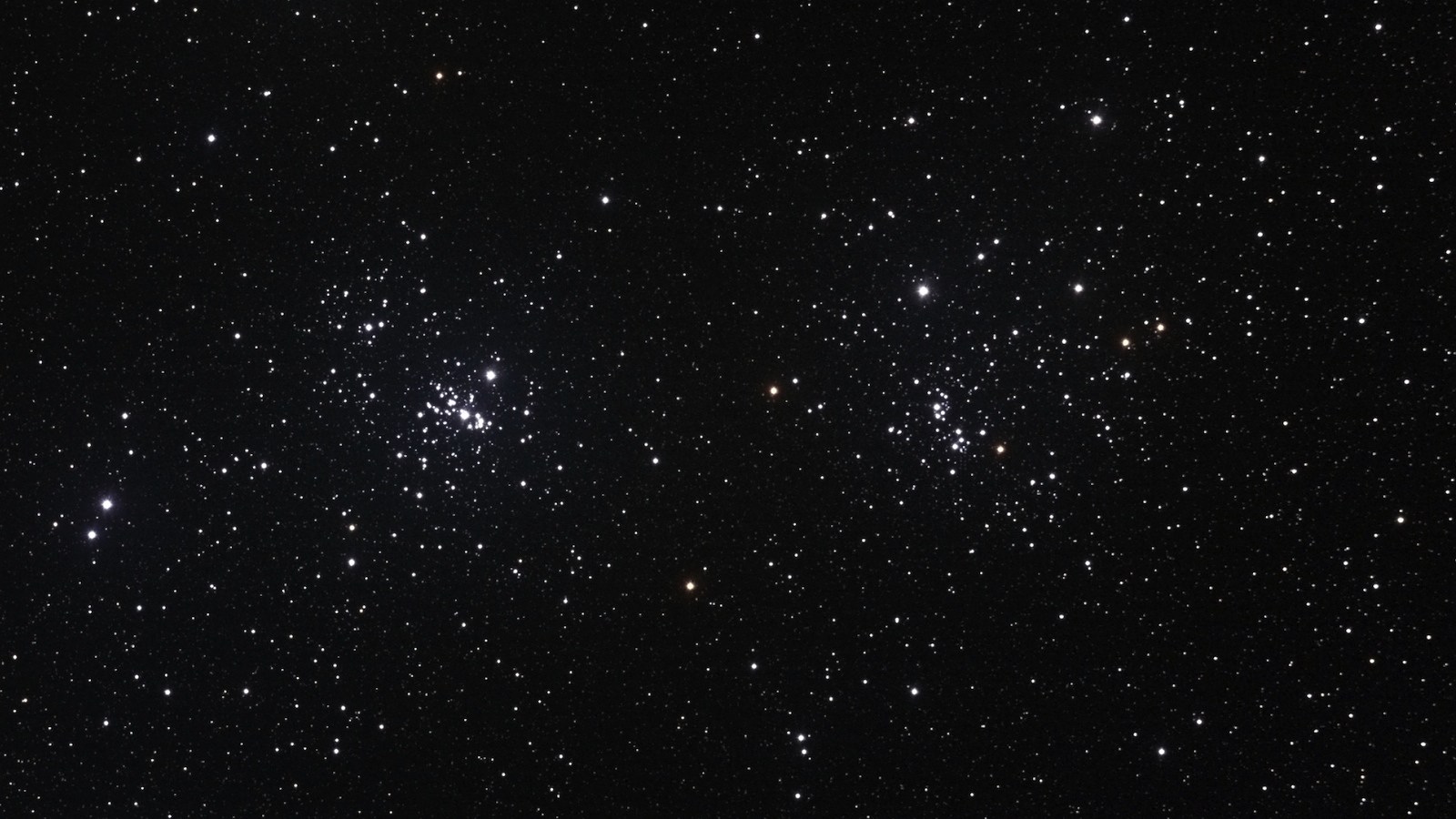

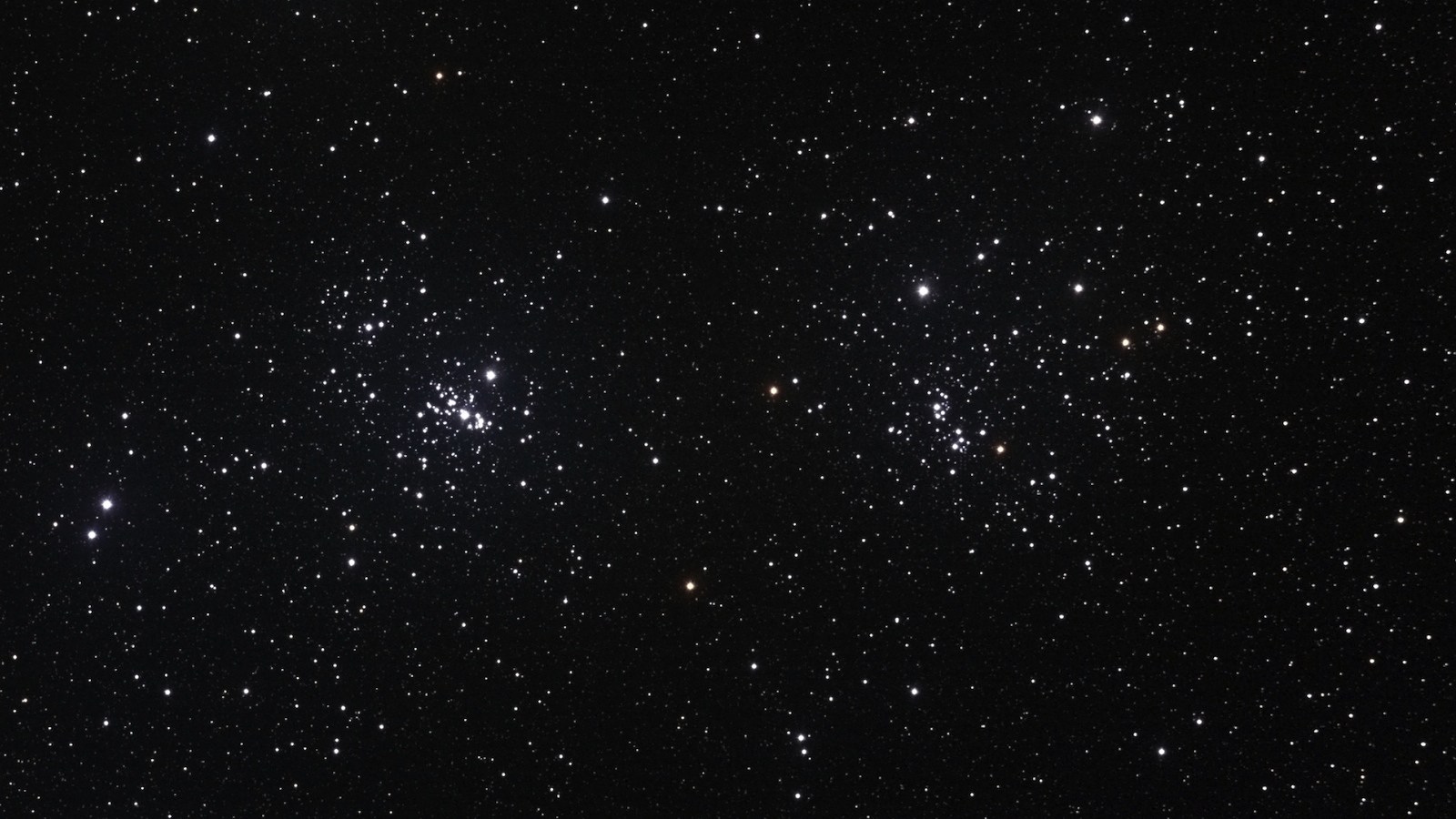
Stars are really close together in outer space.
Planets are smaller than stars
true
false
Planets orbit the Sun
true
false
Stars are much farther away than planets
true
false
What makes a star a star?
It orbits the sun.
A great singing voice.
It produces its own light.
Its distance and luminosity
Planets do NOT do this; but stars do
rotate
revolve
orbit
twinkle

The following is true about stars: (Click ALL that apply.)
The color of a star tells us how hot it is.
Patterns of stars form constellations.
Planets are a special type of star.
There are billions of stars in the universe.
Space tools astronomers use to learn more about the universe are: (Check all that apply).
telescopes
Space Stations
Space probes
scales

The Sun is a ________, a huge ball of glowing gases.
planet
asteroid
star
comet

The Sun looks like the largest and brightest star in our galaxy because _________.
It is the largest and brightest star.
It is billions of light-years away.
It is the closest star to us.
The Sun is not a star, it is a planet.
The Outer Planets are made of gasses and are called the __________.
Gigantic Rocks
Gas Giants
Gas dwarfs
Dwarf Planets
The distances between planets are ___________.
small
vast
How many stars are in our Solar System?
Billions
1
5,000
8
A group of stars that make a pattern or shape
Constellation
Star
Moon
Comet
Most of the universe is made up of
Stars
Empty Space
Planets
Moons
A student made a model of how the planets orbit the sun. She used a tennis ball to represent the sun. She used ping-pong balls to represent each planet and painted each one a different color. Then, she placed all the ping-pong balls equal distances apart in a line extending out from the sun.
What are two limitations of the student's model? (Limitations are things about the model that limit its accuracy.)
She used the same size balls to represent the planets.
She made planets orbit the sun.
The planets are not the correct distances from the sun.
The solar system can't be modeled using actual objects.

This model shows...
the size differences among the planets accurately.
the distances between the planets accurately.
both the sizes of the planets and the distances between them accurately
Why do scientists use scale models to study the Solar System?
The solar system is too large to study without using models
The solar system is too small to study without using models
Scientists don't need to use models because we have satellites
All of these options are true
Why is making a model of the solar system difficult?
Don't have the right materials
The solar system is so big and the objects in it are so small in comparison
There are too many parts in a model
Because the science concepts are too difficult
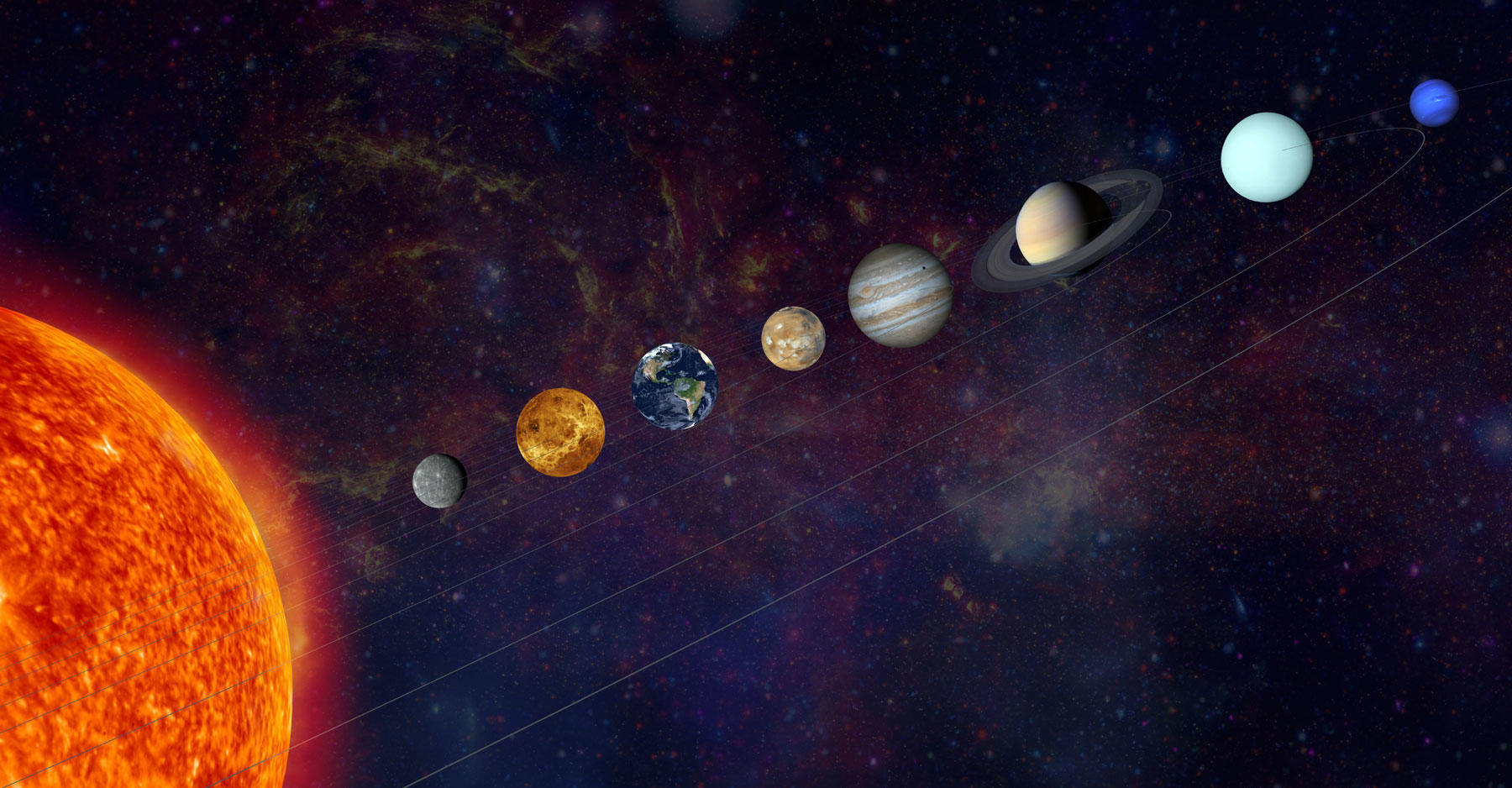
The planets are all equally distanced from each other.
What is an example of something we have directly observed with modern telescope technology?
planets orbiting distant stars
turtles in the cosmos
the Starship Enterprise
Wormholes in space

