wayground logo

Free Printable Worksheets

NEW

Font size

S
M
L
XL
Worksheets

IC 6 Weather Retake

Total questions: 35

Worksheet time: 1hrs 7mins

Name
Class
Date
1.

78% of the Earth's atmosphere is ___________ and 21% of the Earth's atmosphere is _____________.

a)

Oxygen, Nitrogen

b)

Nitrogen, Oxygen

c)

Nitrogen, Carbon Dioxide

d)

Oxygen, Carbon Dioxide

2.

In what layer of the atmosphere do all weather events occur?

a)

Stratosphere

b)

Exosphere

c)

Mesosphere

d)

Troposphere

3.

The ozone layer is a sublayer of the ________ layer.

a)

Troposphere

b)

Stratosphere

c)

Exosphere

d)

Mesosphere

4.
Based on the information in the table, in which city will it most likely rain?
a)
City W
b)
City X
c)
 City Y
d)
City Z
5.
On a cold, cloudy day, the local weather forecaster predicts that a high-pressure system will be moving into the area in the next 24 hours. Which weather conditions will this system most likely bring to the area?
a)
stormy
b)
sunny
c)
snowy
d)
hot
6.
Michael observes the air pressure daily. Over the last couple of days the air pressure has been dropping. What weather will Michael most likely observe as a result?
a)
increasingly clear skies and more wind
b)
increasingly clear skies and dry weather
c)
increasingly cloudy skies and possible storms
7.
Which term best describes how the earth's atmosphere is heated?
a)
Spirally
b)
Unevenly
c)
Circularly
d)
Kinetically
8.
What causes wind to blow?
a)
Differences in longitude 
b)
Shock waves from clouds 
c)
Differences in air temperature and pressure 
d)
The rotation of the earth
9.
What causes warm air to rise?
a)
the fact that it's less dense than cold air 
b)
The fact that it weighs more than cold air 
c)
The fact that it has higher pressure than cold
d)
the fact that its more dense than cold air 
10.
The reason why global winds flow from east to west and west to east, but not north to south, or south to north.
a)
Bernoulli's principle 
b)
Coriolis effect 
c)
high pressure 
d)
low pressure 
11.
What kind of breeze is this and when would it form?
a)
Land breeze - daytime
b)
Land breeze - nighttime
c)
Sea breeze - daytime
d)
Sea breeze - nighttime
12.
Wind blows from ______ pressure areas to _____ pressure areas.
a)
high; low
b)
warm; cool
c)
cool; warm
d)
low; high
13.
Which diagram shows the formation of a land breeze?
a)
diagram Y
b)
diagram X
c)
neither 
d)
both
14.
Which diagram shows the formation of a sea breeze?
a)
diagram Y
b)
diagram X
c)
neither
d)
both
15.

Winds occur because hot air rises and cool air sinks in a process called...

a)

conduction

b)

convection

c)

radiation

d)

magnetism

16.

Winds that blow from 300 latitude to the equator are called...

a)

westerlies

b)

polar easterlies

c)

trade winds

d)

horse latitudes

17.

Winds that blow from 300 latitude to 600 latitude are called...

a)

polar easterlies

b)

westerlies

c)

trade winds

d)

doldrums

18.

Winds that blow from the North and South pole toward 600 latitude are called...

a)

trade winds

b)

westerlies

c)

polar easterlies

d)

horse latitudes

19.

Where do MARITIME air masses form?

a)

Over water

b)

Over land

20.

Where do CONTINENTAL air masses form?

a)

Over water

b)

Over land

21.

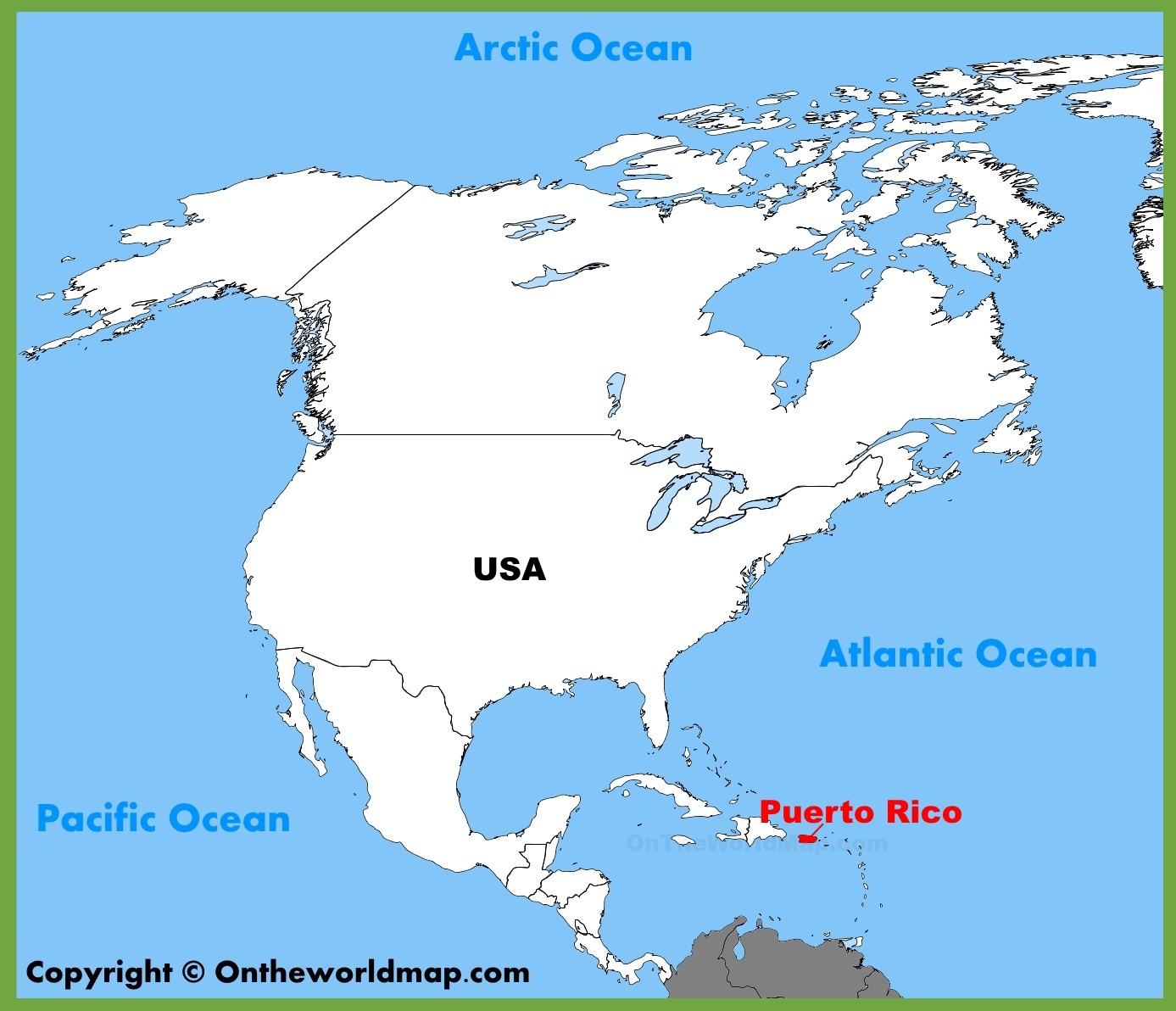
What type of air mass is found over PUERTO RICO?

a)

Maritime Polar

b)

Maritime Tropical

c)

Continental Polar

d)

Continental Tropical

22.

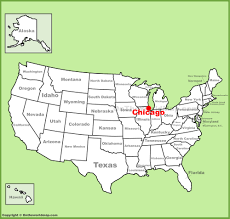
What type of air mass is found over CHICAGO?

a)

Maritime Polar

b)

Maritime Tropical

c)

Continental Polar

d)

Continental Tropical

23.

What type of air mass is found over the UNITED KINGDOM?

a)

Maritime Polar

b)

Maritime Tropical

c)

Continental Polar

d)

Continental Tropical

24.

What type of air mass is found over EGYPT?

a)

Maritime Polar

b)

Maritime Tropical

c)

Continental Polar

d)

Continental Tropical

25.

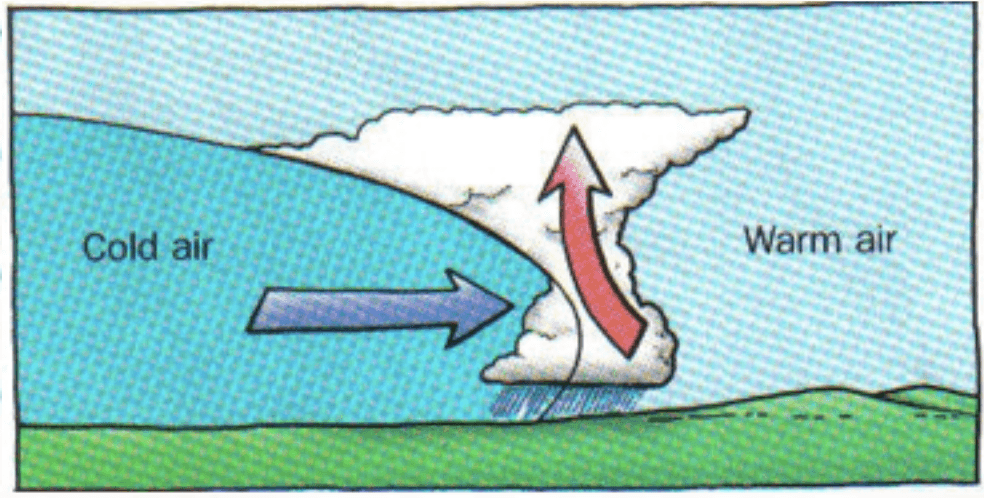
Name that front.

a)

Cold Front

b)

Warm Front

c)

Stationary Front

d)

Occluded Front

26.

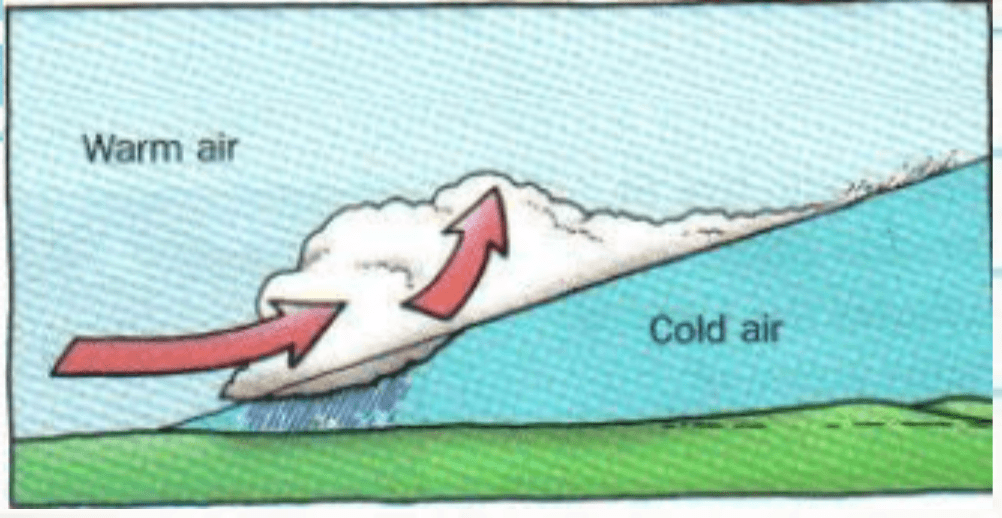
Name that front.

a)

Cold Front

b)

Warm Front

c)

Stationary Front

d)

Occluded Front

27.

Brings some clouds and gentle rains.

a)

Cold Front

b)

Warm Front

c)

Stationary Front

d)

Occluded Front

28.

Cold dense air slides underneath warm air. The warm air is forced up, cools, and condenses.

a)

Cold Front

b)

Warm Front

c)

Stationary Front

d)

Occluded Front

29.
Which type of severe event is most likely to occur when a cold front moves in behind warm, moist air?
a)
Blizzard
b)
Hurricane
c)
Tornado
d)
Drought
30.
How do the conditions for a tornado differ from the conditions for a hurricane?
a)
Tornadoes never form when there is rain, while hurricanes always form with rain.
b)
Tornadoes form under low pressure, while hurricanes form under high pressure
c)
Tornadoes form in a stable atmosphere, while hurricanes form in an unstable atmosphere 
d)
Tornadoes form over land, while hurricanes form over bodies of water
31.

A _____________ is a large, rotating low-pressure system that forms over the warm waters of oceans near the equator.

a)

tornado

b)

hurricane

c)

thunderstorm

d)

flooding

32.

Most hurricanes

a)

cannot be seen from space

b)

cross exposed land

c)

become dangerous category 5 storms

d)

lose their power when they move into cooler waters or moves over land

33.

About 75% of the world's tornadoes happen in the United States during Springs and early Summer when cold, dry from Canada meets warm, moist air from the Gulf of Mexico. This relatively flat part of the country is known as ________________.

a)

Tornado Paradise

b)

Thunderstorm Lane

c)

Tornado Alley

d)

Hurricane Row

34.

Feet on Hot Sand

a)

Conduction

b)

Convection

c)

Radiation

35.

Sun Bathing

a)

Conduction

b)

Convection

c)

Radiation