
 Worksheets
Science Revision Y5-Term 2
Total questions: 149
Worksheet time: 1hrs 27mins


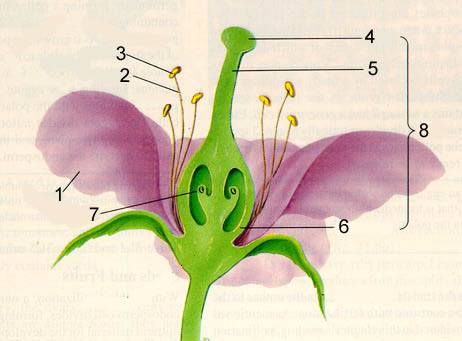

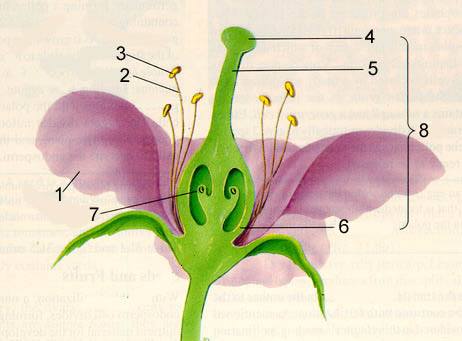


Identify this part of a flower.
Stigma
Style
Ovary
Ovules

Identify this part of a flower.
Petal
Pistil
Stigma
Sepal

Identify this part of a flower.
Stamen
Sepal
Stigma
Style

Identify this part of a flower.
Stigma
Style
Ovary
Ovule

Identify this part of a flower.
Ovary
Petals
Sepals
Stigma
A cone is part of:
A flowering plant
A non-flowering plant
An apple has:
Seeds
Spores
The ferns reproduce by:
Spores
Seeds

This is an example of:
Ferns
Mosses
Put a check mark to the correct option. Plants can be classified in:
flowering and non-flowering
That reproduces by spores and seeds.
Non of the two
Both flowers and cones produce __________ that will be the start of a new plant.
germination
trees
seeds
seedling

One way Non-flowering plants make seeds is within ___________________.
cones
fruit
roots
stems
Example of Non-flowering plants is ….
Pine
rose
jasmine
mango

What stage of the plant life cycle is shown in the picture?
Germinating
seedling
mature plant
flowering plant
An example of flowering plants is __________
Pine
Mosses
Hibiscus
Fern
The bright colour of flowering plants comes from _________
seed
petal
root
shoot

Is an apple tree a flowering or non-flowering plant?
flowering
non-flowering
Flowering plants make their seeds inside of __________
cones
flowers
spores
plants
Which tree produce seeds in cones?
Seedlings
Conifers
Flowering Plants
Mosses reproduce by ____________
seeds
flowers
cones
spores
The biological process of an individual to produce a new individual called .....
life cycle
reproduction
seed
germination

Based on picture, An immature plant, and it will grow into a new plant under the right conditions are indicated by ...
A
B
C
D
The condition required for a seed to germinate is ….
Presence of bee
Presence of pollen grains
Presence of warmth
Presence of flower
Pollination that happens between flowers from different plants of the same species is called ....
cross - pollination
pollination
self pollination
fertilisation
........ is the fusing of a male reproductive part with a female reproductive part.
reproduction
life cycle
fertilisation
pollination
Some seeds have hairs that help them stay afloat, generally small and light. Seeds dispersed by ....
water
animals
wind
splitting
The examples that dispersal by wind are ....
coconut and pea pod
dandelion and apple
lalang and dandelion
pong pong and nipah
The characteristic that fruits dispersal by explosive action or splitting is ...
have waterproof covering
small and light
usually brightly-coloured
usually have pods
Seed dispersal is ....
the process when seed to be scattered in different directions
fusing of a male reproductive part with a female reproductive part
the transfer of pollen grains from the male part of flower to the female part of a flower
the process when the seed will grow into a seedling
The carpel consists of .....
filament and anther
stigma, anther and pollen grains
stigma, style, ovary and ovule
filament, ovary dan ovule
What is Pollination?
seeds getting away from the mother plant
pollen fusing with the ovum
pollen landing on the stigma of a flower
seed turning into a seedling
Which part of the seed comes out first when a seed germinates?
the leaves
seed coat
root
shoot

Select ALL the conditions needed for germination.
sunlight
air
soil
water
warmth

In which way do you think this seed can be dispersed?
water
wind
animals
explosion
What is fertilization in plant life cycle?
seeds growing into seedlings
pollen fusing with ovum
pollen moving away from the parent plant
adding fertilizers to plants

What part of the flower is this
sepal
petal
pistil
stigma

What part of the flower is this?
sepal
petal
pistil
stamen

What part of the flower is this
sepal
petal
stigma
stamen

What part of the flower is this?
sepal
flower
stamen
pistil

What part of the flower is this?
pistil
stigma
stamen
sepal
This part protects the flower bud; small leaves that form the housing of the developing flower.
stigma
pistil
sepal
petal
The sticky uppermost part of the pistil.
sepal
petal
stigma
stamen
The colorful scented part of the flower that attracts birds and bees.
pistal
stigman
petal
sepal
The female reproductive part of a flower.
pistil
stamen
petal
sepal
The part of the flower that makes pollen; male reproductive organ in plants.
pistil
sepal
stamen
stigma
Before there can be a fruit - there has to be a flower
True
False
What is the function of stigma?
produces pollen grains
produces and protect the ovules
receives pollen grain
holds and supports the anther
What is the function of style?
holds and supports the anther
receives pollen grains
connects stigma to the ovary
produces and protects the ovules
What is the function of pollen grain?
contains male gametes
contains females gametes
to attracts insect for pollination
to protects flower during bud stage


Desert plants have adaptations for survival, such as -
Stems and roots store water
Leaves with waxy coating or hairy covering
Fewer and smaller stomata
All of these choices

Why do tundra plants typically grow close to the ground?
This allows their roots to grow very deep
To prevent herbivores from eating them
To avoid the wind and conserve heat
All of these choices


Earth is surrounded by an envelope of gases called the _____________.
Hydrosphere
Solar system
Atmosphere
Cloud bubble
__________ gas occupies the major part of composition of air.
Nitrogen
Oxygen
Carbon dioxide
___________ gas is necessary for burning
Oxygen
Nitrogen
Carbon dioxide
Which gas is released into the atmosphere by plants following photosynthesis?
Oxygen
Argon
Carbon dioxide
Nitrogen


What is air?
Air is found everywhere. We cannot see air, but we can feel it.
Air in motion is called wind.
Air occupies space.
Air is present in water and soil.
Known as atmosphere.
Air is present everywhere
The component of air used by green plants to make their food, is ___________.
Ozone layer
Carbon di-oxide
Hydrogen
Argon

How do gases behave in a sealed container?
Cluster together
form a solid
They take the shape of their container
leak out
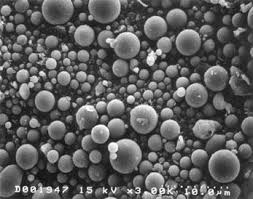
Which state of matter has particles that move the least/slowest?
solid
water
gas


Which two states of matter can flow?
solid and gas
liquid and solid
liquid and gas

Evaporation
A gas changes into a liquid
A solid changes into a liquid
A liquid changes into a gas
A liquid changes into a solid
Condensation
A gas changes into a liquid
A liquid changes into a gas
A solid changes into a liquid
A liquid changes into a solid
Condensation is the opposite of evaporation.
True
False

What do we call the material (solid) that is dissolved?
The solute
The solvent

What do we call the liquid in which the material (solid) dissolves?
The solute
The solvent
Which statement is NOT correct?
Pure water boils at 100°C
The melting point of ice is 0°C
Liquid + heat ---> Solid
Liquid + heat ---> gas
Which statement is indeed correct?
Pure water boils at 0°C
The melting point of ice is 100°C
Solid + heat ---> Liquid
Melting is the opposite of evaporation.

Paint dries up after a while. This is an example of__________.
Condensation
Evaporation
Clothes dry easily when exposed to sunlight is an example of _____________________.
condensation
evaporation
melting
boiling
Formation of clouds, dew, snow are examples of ___
condensation
evaporation

The drops of water that appear on the outside of a glass of cold juice on a warm day are an example of?
melting
condensation
evaporation
boiling
Evaporation occurs when water ...
loses heat
gains heat
If I dissolve carbon dioxide in water, what is the solvent?
Carbon Dioxide
There is no solvent
Oxygen
Water
Define the term soluble.
Can dissolve in water
Cannot dissolve in water
Partially dissolves in water
Define the term insoluble.
Can dissolve in water.
Cannot dissolve in water.
Partially dissolves in water.
A force can____________.
make an object move
make a moving object stop moving
slow an object down
all of the above
True or false: An object resting on the ground can move without force.
True
False
Which of the following would it take the most force to move?
a 3-pound ball
a 5 pound ball
a 15 pund ball
a 25 pound ball
Imagine you kick four balls with the same amount of force. Which one will go the farthest?
a 3 pound ball
a 5 pound ball
a 15 pound ball
a 25 pound ball
What does the force of gravity do to objects?
It makes them float
it makes them jump
it pulls them to the center of earth
it pushes them apart
How does gravity on Earth compare to gravity on the moon?
It is the same
There is more gravity on Earth
There is more gravity on the moon
What does the word mass mean?
The amount of matter in an object
the speed an object falls
how high a person can jump
how far an object can be thrown
Objects that have more mass also have more gravity.
True
False
An example of the force of gravity is-
a rocket flying through space
a ball falling to the ground after it has been thrown
a cloud moving across the sky
the Sun rising

The model shows a toy car and the direction it is traveling. Arrow T represents the direction of a force applied to the moving car. After the force (Arrow T) acts on the car, the car MOST likely will NOT-
change direction
go faster
slow down
stop
Fernando was working on an experiment for science class. He dropped 4 steel balls of different weights from the same height. Her noticed that the balls all reached the ground at the same time. Fernando is probably doing an experiment on the-
force of wind
effect of gravity
states of matter
magnetic force
The act of moving is called-
inertia
gravity
work
motion

Henry rolled a car across the floor. He then applied a force to the car. The force was one of the four forces shown by the arrows. Which force will MOST likely increase the car's speed?
Force A
Force B
Force C
Force D


An object moves in the _________ direction a force is applied.
SAME
OPPOSITE
Which force acts backwards and prevent us form slipping on a wet floor?
Gravitational force
Magnetic force
Frictional force
Electrostatic force


Look at the illustration below of a block sitting on a table-top. The magnified view illustrates a force that exists between the two objects.
Which type of force is demonstrated in the magnified view?
normal force
applied force
gravitational force
frictional force
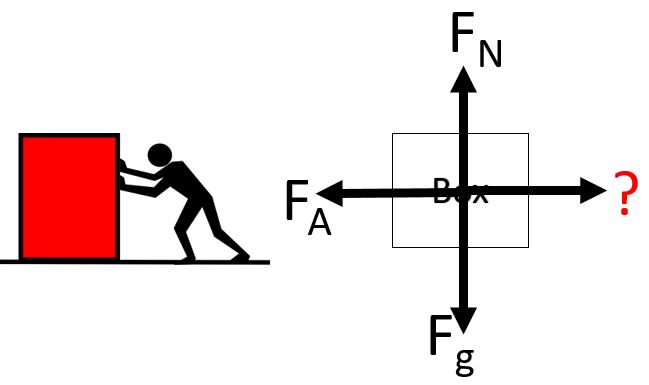
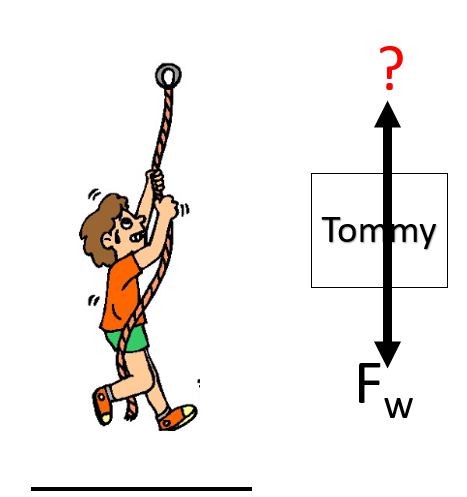
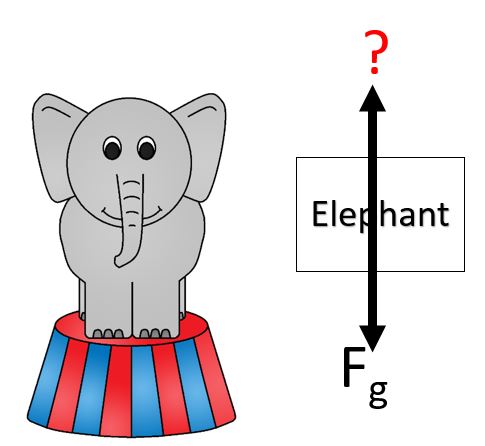

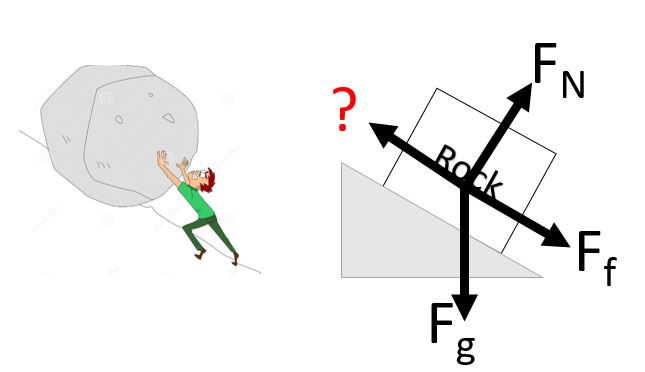


What type of friction is not moving?
static
kinetic
fluid


What best describes what the normal force would look like here?
Straight down and parallel to the gravitational force
Directly upward
Straight to the right
Upward but at an angle
Is the force usually exerted by a surface on an object that is resisting against it.
Friction
Normal force
Elasticity
Tension

