wayground logo

Free Printable Worksheets

NEW

Font size

S
M
L
XL
Worksheets

Science Sp Common Assessment

Total questions: 59

Worksheet time: 44mins
Name
Class
Date
1.
Something that takes up space and has mass.
a)
volume
b)
matter
c)
mass
d)
density
2.
The amount of space something takes up
a)
density
b)
volume
c)
mass
d)
matter
3.
What are the three states of matter?
a)
solid, volume, mass
b)
density, volume, mass
c)
solid, liquid, gas
d)
density, gas, volume
4.
Sand is a ___________________.
a)
liquid
b)
solid
c)
gas
5.
Helium is a ____________.
a)
liquid
b)
solid
c)
gas
6.
Gasoline is a ________________.
a)
liquid
b)
solid
c)
gas
7.
Gas changing to a liquid that sometimes results in cloud formation.
a)
density
b)
gas
c)
evaporation
d)
condensation
8.
Which of the following is a part of the water cycle?
a)
evaporation
b)
condensation
c)
precipitation
d)
all of the above
9.
Which property describes the property of a liquid?
a)
It tastes really good.
b)
water
c)
It takes the shape of the container.
d)
It is invisible.
10.
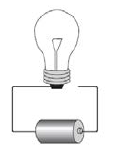
Which of these best completes the circuit?
a)
rubber band
b)
metal nail
c)
leather shoelace
d)
wooden toothpick
11.
What material would be safest to use as an insulator to cover electrical wires?
a)
rubber
b)
tin
c)
aluminum
d)
water
12.
This image represents what type of circuit?
a)
open
b)
closed
c)
series
d)
parallel
13.
Will the light bulb in this circuit light and why/why not?
a)
yes, because it has two batteries
b)
no, because the switch is open
c)
yes, because it is in a circuit
d)
no, because the bulb is burned out
14.

A student builds a circuit made up of a battery, two light bulbs, and a switch. What will the student most likely observe in this circuit?

a)

Light bulb 1 and light bulb 2 will both be on

b)

Light bulb 1 will be off, but light bulb 2 will be on

c)

Light bulb 1 and light bulb 2 will both be off

d)

Light bulb 1 will be on, but light bulb 2 will be off

15.

What word is used to describe light as it strikes a smooth, shiny surface and bounces off?

a)

shadow

b)

energy

c)

reflection

d)

wave length

16.

When light bounces off a mirror it is ________.

a)

absorbed

b)

reflected

c)

corrected

d)

refracted

17.

Reflect means_________.

a)

light bounces back

b)

light goes through and bends.

c)

light goes straight through.

d)

light gets taken in.

18.

Refract means________.

a)

light gets taken in

b)

Light goes straight through

c)

light goes through and bends

d)

light bounces back

19.
The earth is tilted on its _____
a)
line
b)
equator
c)
axis
d)
core
20.
Earth does a complete revolution every _______
a)
10 years
b)
12 hours
c)
24 hours
d)
365 days
21.
The earth rotates every
a)
24 hours
b)
15 hours
c)
365 days
d)
hour
22.
How long does it take for the moon to go through all moon phases
a)
day
b)
week
c)
month
d)
year
23.

What is position?

a)

The movement of an object.

b)

The location of an object.

24.

What is motion?

a)

A change in position.

b)

A change in force.

25.

A push moves things _______ .

a)

Close to you

b)

Away from you

26.

A pull moves things _______ .

a)

Close to you

b)

Away from you

27.

Friction is a force that ______ against an object to slow its motion.

a)

pushes

b)

pulls

28.
What is force?
a)
A force is a push or a pull upon an object resulting from the object's interaction with another object.
b)
The rate at which an object changes its velocity. 
c)
It is the amount of space between two points.
d)
It is Superman's power
29.

Which kind of landform is shown?

a)

canyon

b)

valley

c)

island

d)

volcano

30.

How are canyons created?

a)

children dig them

b)

by weathering and erosion

c)

dogs dig them to put their bones in

d)

oceans make them

31.

What forces change the earths surface?

a)

water, wind, and ice

b)

lightening, thunder, wind

c)

thunder, rocks, water

32.

What landform is shown in the image above?

a)

Canyon

b)

River Delta

c)

Sea Arch

d)

Island

33.

Which landform is shown above?

a)

Mountain

b)

Sand Dune

c)

Island

d)

Moraine

34.

Which of the following terms refers to the breaking apart of previously existing landforms?

a)

Weathering

b)

Erosion

c)

Deposition

d)

Creation

35.

Which of the following terms refers to the movement of sediment that has been broken down by wind, water, or ice?

a)

Weathering

b)

Erosion

c)

Deposition

d)

Creation

36.

Which of the following terms refers to the constructive process in which sediment is dropped in a new location and forms a new landform over a long period of time?

a)

Weathering

b)

Erosion

c)

Deposition

d)

Creation

37.
Example of a consumer
a)
worm
b)
bacteria
c)
mushroom
d)
hawk
38.
Example of a decomposer
a)
fungus
b)
mouse
c)
plants
d)
frogs
39.
A tree is a ....
a)
composer
b)
decomposer
c)
producer
40.
Where do all life forms get their energy?
a)
Earth's Core
b)
Water
c)
Plants
d)
The Sun
41.
The arrows in a food chain or web represents what?
a)
They point to the organism that is being eaten.
b)
It shows how sunlight flows within an ecosystem.
c)
They show what direction the energy is flowing between organisms. 
d)
They represent how water is transferred within a habitat.
42.
What is the form of energy that is created using heat?  This form of energy makes particles of matter move faster.
a)
light energy
b)
thermal energy
c)
chemical energy
d)
kinetic energy
43.
What is energy made available by the flow of electric charge through a conductor?
a)
electrical energy
b)
solar energy
c)
mechanical energy
d)
potential energy
44.
What is energy from the sun?
a)
electrical energy
b)
solar energy
c)
mechanical energy
d)
potential energy
45.
What is the energy of moving objects, or the energy of moving parts of a machine?
a)
electrical energy
b)
solar energy
c)
mechanical energy
d)
potential energy
46.
1st planet from the sun 
a)
Mercury 
b)
Venus 
c)
Earth 
d)
Mars
47.
2nd  planet from the sun 
a)
Mercury 
b)
Venus 
c)
Earth 
d)
Mars 
48.
3rd  planet from the sun 
a)
Mercury 
b)
Venus 
c)
Earth 
d)
Mars 
49.

Birds have different beaks to help them survive in their habitat, which is a type of ___________ adaptation.

a)

behavioral

b)

physical

c)

learned

d)

migration

50.

What is a life cycle?

a)

a stage in an insect life cycle between egg and adult.

b)

a developing animal before it is born or hatched.

c)

the stages in the life of a living thing.

d)

the stage in the insect life cycle between larva and adult.

51.
A plant begins its life as a? 
a)
seed
b)
petal
c)
flower
d)
i do not know
52.

Living, or once-living, organisms in an ecosystem are....

a)

Biotic

b)

Abiotic

53.

Non-living elements within an ecosystem are....

a)

Biotic

b)

Abiotic

54.
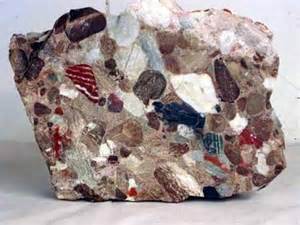
Rock made of layers of compressed sediments
a)
metamorphic rock
b)
igneous rock
c)
sedimentary rock
d)
school house rock
55.
When the weight of new  sediment layers is deposited on top of older layers
a)
erosion
b)
compaction
c)
pressure
d)
weathering
56.
The process of layers become stuck together forming sedimentary rocks
a)
sticking
b)
pressuring
c)
cementation
d)
deposition
57.

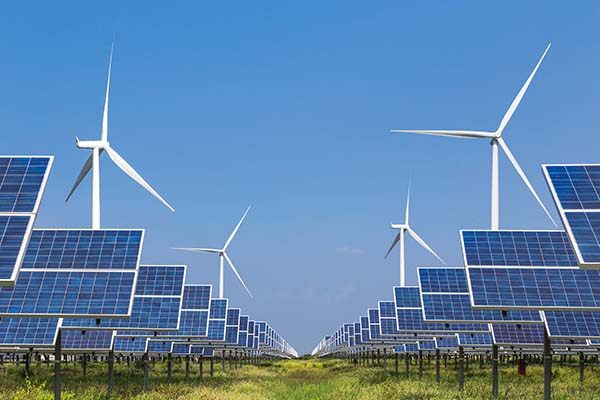
What are renewable resources?

a)

A limited amount and cannot be replaced in a human life time.

b)

Plastic bags

c)

Coal, oil, and natural gas

d)

Can be replaced in our lifetime through natural processes
58.

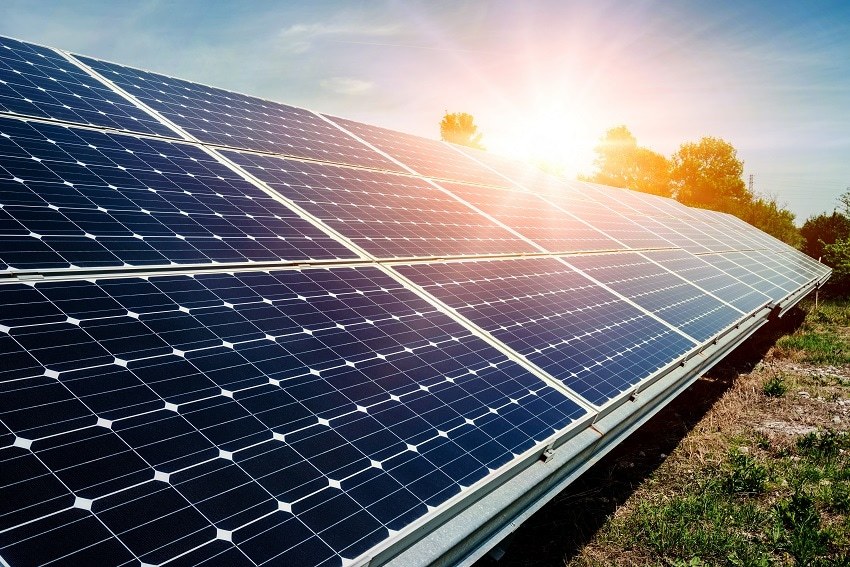
Sunlight is...

a)

Very bright

b)

Will eventually run out soon

c)

A renewable resource

d)

A nonrenewable resource

59.

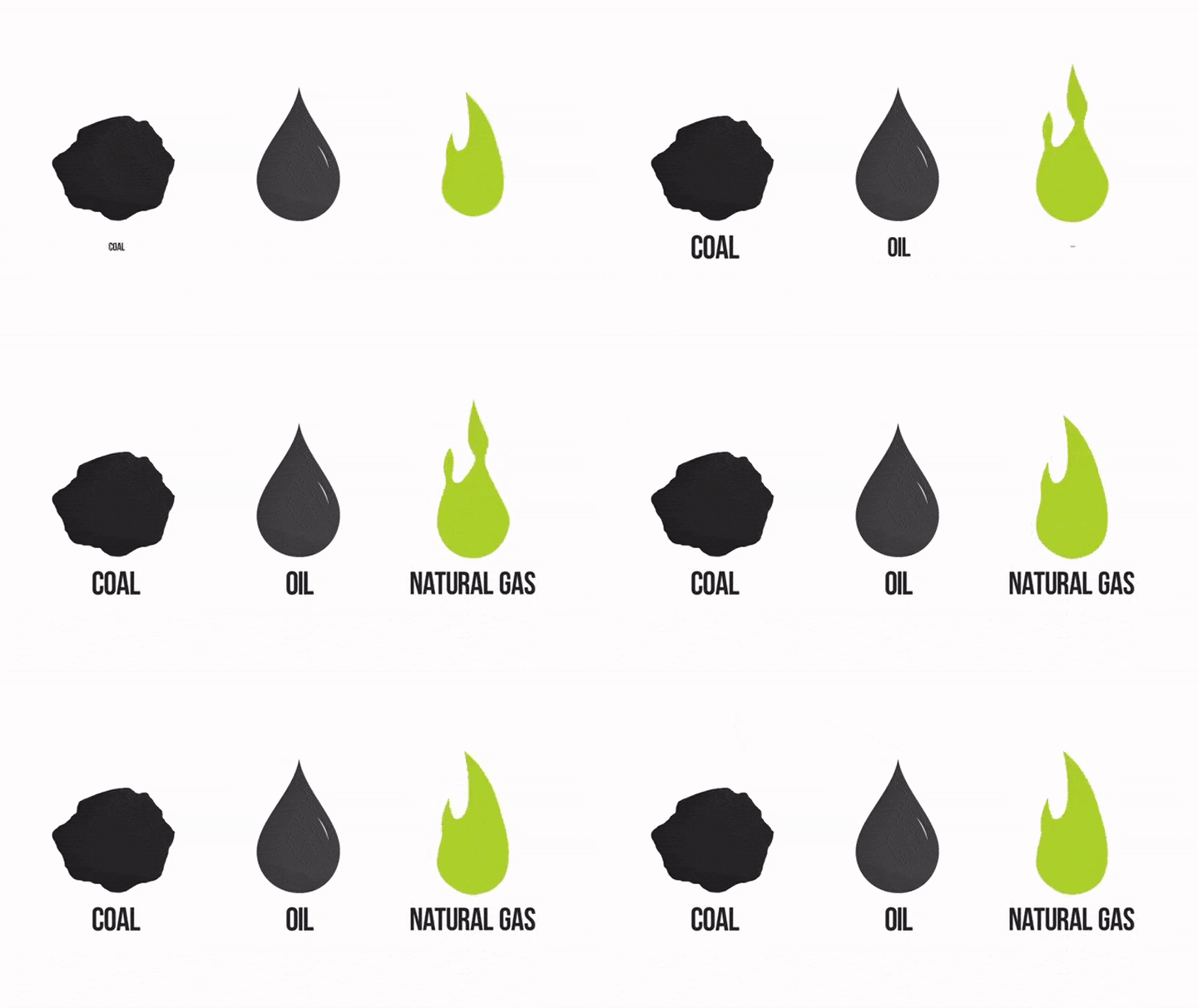
A group of non-renewable resources, called ______________, include coal, oil, and natural gas.

a)

Fossils

b)

Energy

c)

Resources

d)

Fossil fuels