Font size
 Worksheets
Chapter 10 Test Jefferson Era #4
Total questions: 60
Worksheet time: 2hrs 48mins

Who convinced the House to vote for Jefferson?
Hamilton
Burr
J. Adams
Washington

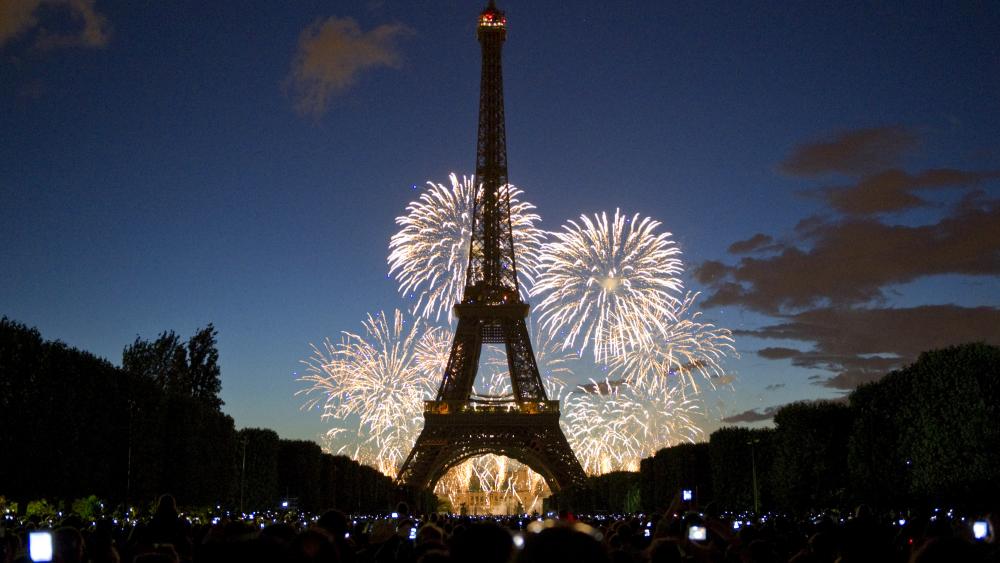
This event shown in the photo allowed for all the following?
Lewis and Clark Expedition
US to double in size
War of 1812
Westward Expansion

What court cased established the principles of judicial review?
McCulloch vs. Maryland
Marbury vs. Madison
Gibbons vs. Ogden
Worcester vs. Georgia

Where did the peace treaty take place for the War of 1812?
Ghent, Belgium
Frankfurt, Germany
London, England
Paris, France

Who wrote the Star Spangled Banner?
Sir Jacob Marshall
President Jason Scott
Alicia key
Francis Scott Key

Hero of New Orleans and Horseshoe Bend
William Henry Harrison
James Madison
Andrew Jackson
Oliver Hazard Perry

(Click all that apply) ALL the following are ways Sacagawea helped Lewis and Clark.
Showed the edible plants and berries
Made party appear less hostile (baby)
translated with ALL native tribes
saved important documents when boat tipped over

Who challenges Alexander Hamilton to a duel?
Aaron Burr
Thomas Jefferson
William Clark
Henry Clay
Last major battle of the War of 1812?
Lake Erie
Plattsburgh
New Orleans
Ft. McHenry
What amendment prevented future Presidential and Vice Presidential candidates from being on the same ballot?
11th
12th
13th
18th

Great Britain and the French were blocking U.S. trade, this was a violation of
Jay's Treaty
Free trade
Neutrality
Treaty of Paris

Why did Tecumseh form a Confederacy?
To halt westward expansion of the United States
Treaty signed with Great Britain
Revenge for the loss of his brother
Take back lands from the United States they once held
Jefferson purchased the Louisiana Territory from
England
France
Spain

$400 Million
$150 million
$500 million
Which was an outcome of the U.S. Supreme Court decision in Brown v. Board of Education (1954)?
Administrators may limit the content of student publications
Public school districts that segregate deny equal protection.
Students have a reduced expectation of privacy in school.
Criminal defendants have the right to an attorney
What happened in American schools after the 1954 U.S. Supreme Court decision in Brown v. Board of Education?
States could continue segregation as long as facilities were separate but equal.
Individuals of different races voluntarily stopped all forms of school segregation.
The federal government ordered that states desegregate classes.
Desegregation was ordered for only high schools.
The Supreme Court’s decision in Plessy v. Ferguson reflected Americans’ approval of
integration.
relocation centers.
segregation.
woman suffrage.

Who led the successful slave revolt on the island of Haiti in beginning in 1791 ending in 1804?
Toussaint L’Overture
Jose de San Martin
Father Miguel Hidalgo
Simon Bolivar
The question whether the judges are invested with exclusive authority to decide on the constitutionality of a law has been heretofore a subject of consideration with me in the exercise of official duties. Certainly there is not a word in the Constitution which has given that power to them more than to the Executive or Legislative branches.
—Thomas Jefferson, 1815
Which constitutional principle is Jefferson referring to in this excerpt?
Full faith and credit
Popular sovereignty
Federalism
Judicial review
In Marbury v. Madison, the Supreme Court established a principle that would eventually be used by all courts to —
mediate disputes related to commerce between states
overturn any impeachment that the court deems unsupported by evidence
decide the outcome of contested election results
strike down any law that the court deems unconstitutional
The decision in Marbury v. Madison was significant in U.S. history because it —
established the practice of judicial review by the Supreme Court
upheld the power of the Electoral College to choose the vice president
confirmed the power of Congress to regulate interstate commerce
reinforced federal authority over American Indian affairs
A person's right to not answer questions when being asked by police is known as protection against:
self-Incrimination.
jurisdiction.
appeal.
brief.
Laws to settle disagreements between people and/or businesses are called
criminal laws.
civil laws
The Supreme Court only hears cases on which type of law
Constitutional Law
Juvenile Law
Civil Law
Criminal Law

Worcester v. Georgia was about...
a white missionary who tried to help the Cherokee keep their tribal lands
a Creek chief who signed a treaty ceding Indian lands
a Cherokee chief who signed a treaty ceding Indian lands
land companies that bribed members of GA's General Assembly
Why did the white settlers and the American Indians begin having conflicts?
White settlers felt they had the right to settle on American Indian land
American Indians built fences to keep the settlers' cattle out
White settlers kidnapped American Indian children
Gold was discovered on American Indian land

According to the Supreme Court's ruling in Worcester v. Georgia, the white missionaries were...
released from prison
sentenced to life in prison
required to leave Cherokee territory
cede their property in a land lottery

Who was the chief justice of the U.S. Supreme Court during the Worcester v. Georgia case?
Samuel Worcester
William McIntosh
John Marshall
Andrew Jackson

Why was the Haitian Revolution led by Touissaint Louverture so important? [7-3.3]
It returned all power to the king of France.
It allowed France to gain more foreign land.
It gave freedom to all slaves in Latin America.
It was the first Latin American colony to revolt.

What was the Supreme Court's ruling in Worcester v. Georgia?
Georgia laws do NOT apply in the Cherokee Nation
Cherokee must cede their lands to the Georgians
all white missionaries must leave the Cherokee Nation
Georgia has the right to distribute Cherokee lands using a lottery system

What was President Andrew jackson's response to the Supreme Court's ruling in Worcester v. Georgia?
Jackson supported the Court's ruling and protected the Cherokee
Jackson resigned from office in protest of the Court's decision
Jackson refused to enforce the Court's ruling and did nothing to protect the Cherokee from the Georgians
Jackson had John Marshall impeached and removed from his seat on the Supreme Court

Even though the Supreme Court ruled in favor of the Cherokee in Worcester v. Georgia, because the president refused to enforce the Court's decision, the Cherokee were eventually removed from the state?
true
false
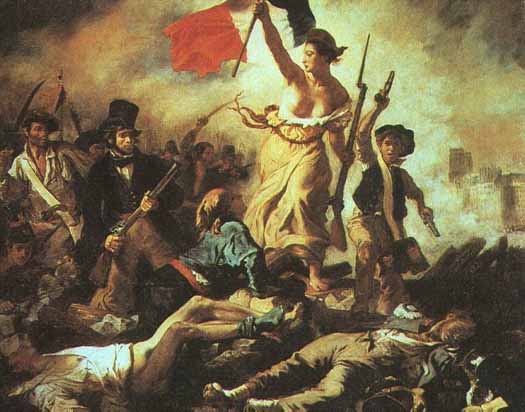
The Haitian Revolution was influenced mainly by which revolution?
French
American (United States)
Mexican
Columbian
What was the major crop produced in Haiti?
Maize (corn)
Wheat
Sugar
Coffee
From which country did Haiti gain its independence?
France
England
Spain
The United States
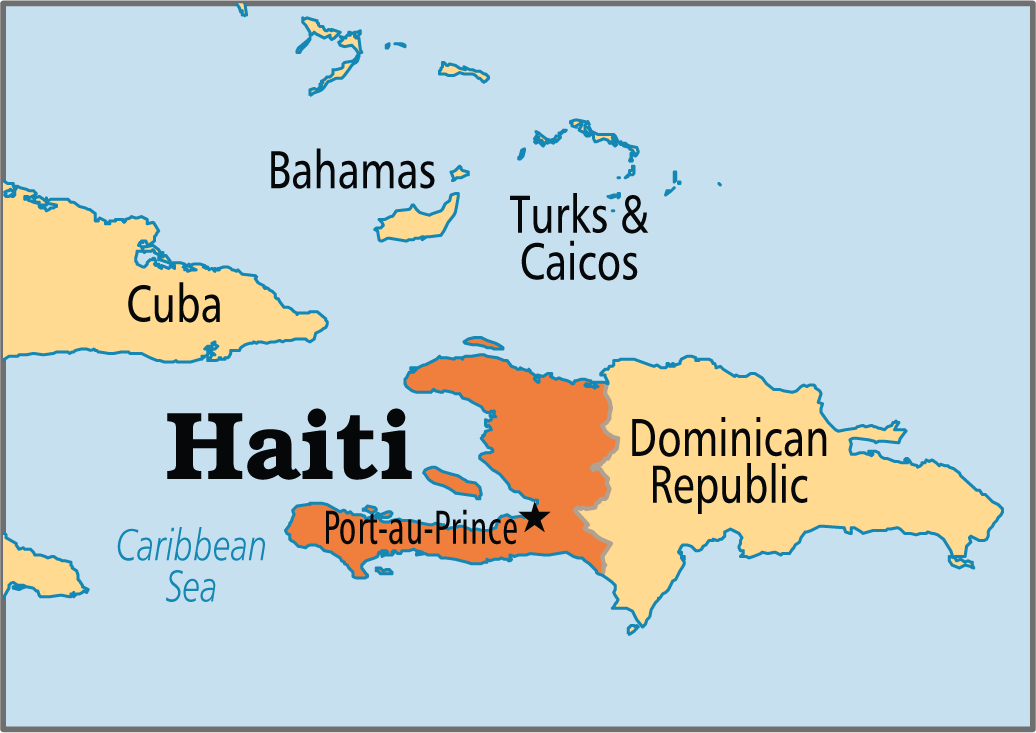
What was the original name of Haiti?
Turks
St. Domingue
Brazil
Cuba
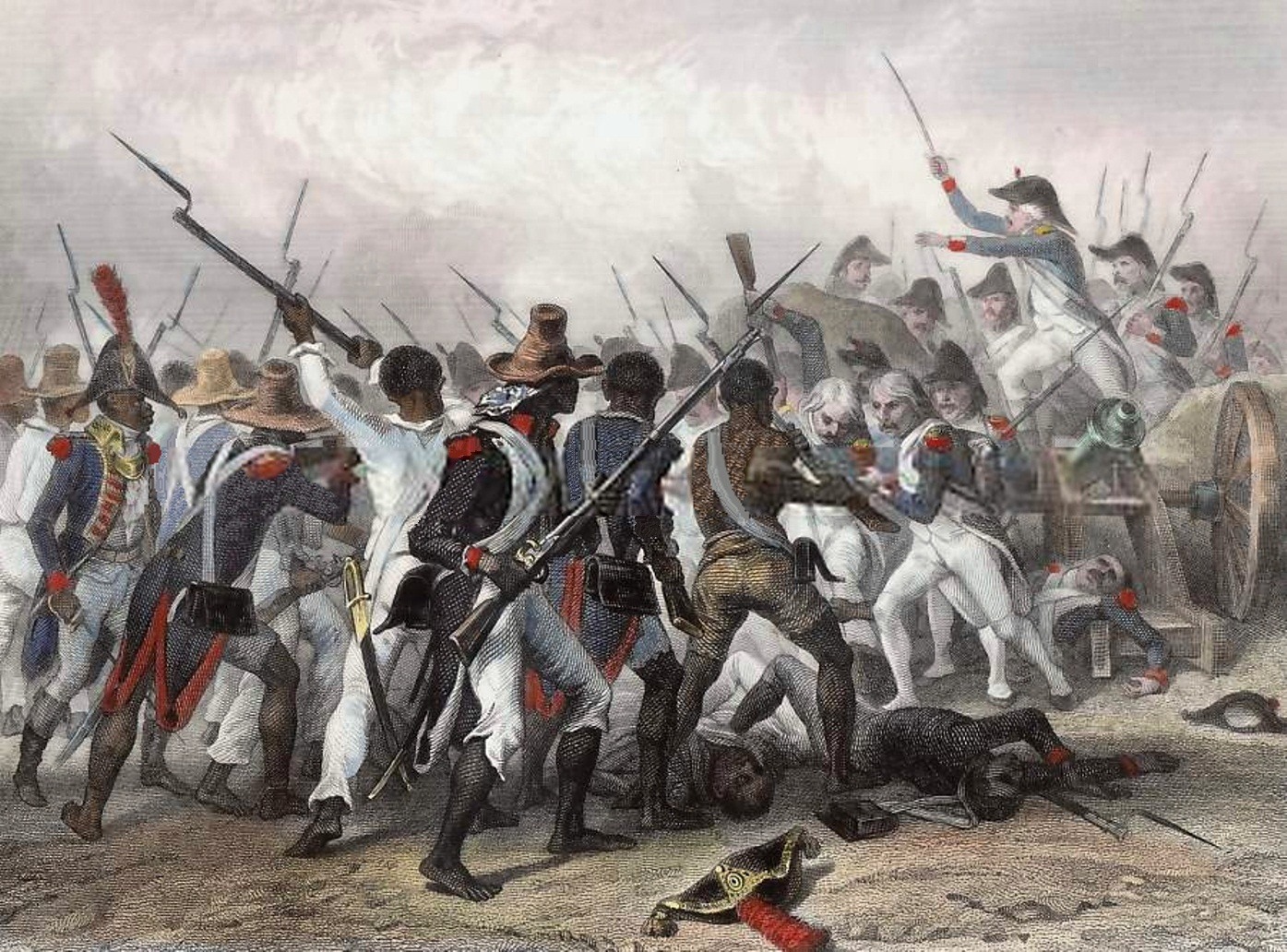
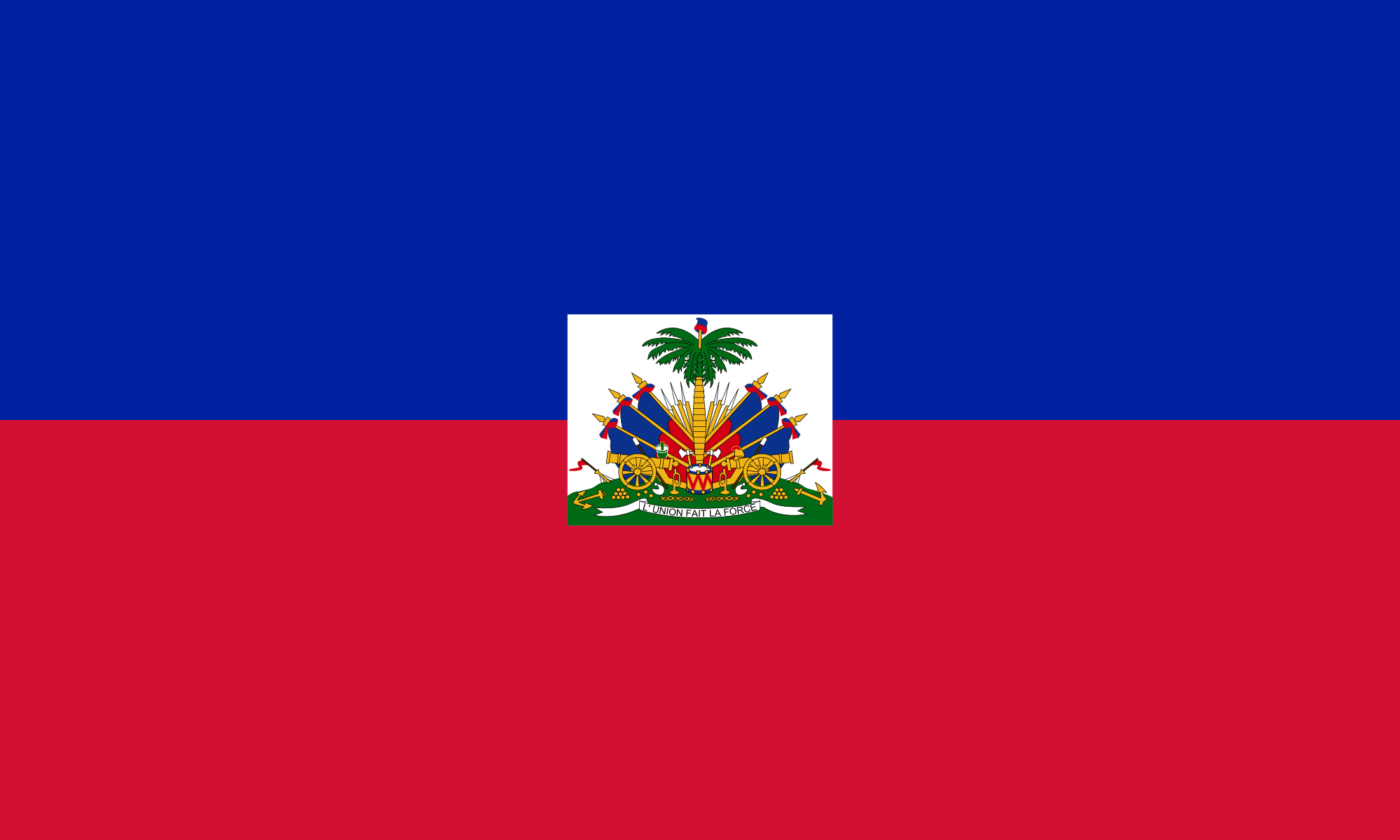
Who won the Haitian Revolution?
The French
The British
the Haitian Slaves
The Spanish