
 Worksheets
Classification 9 weeks
Total questions: 22
Worksheet time: 24mins
Name
Class
Date
1.

Which kingdom do humans belong to?
a)
Plantae
b)
Fungi
c)
Animalia
d)
Protista
2.
The scientific name for an organism is made from the:
a)
class and family name
b)
genus and species name
c)
domain and kingdom name
d)
kingdom and phylum name
3.
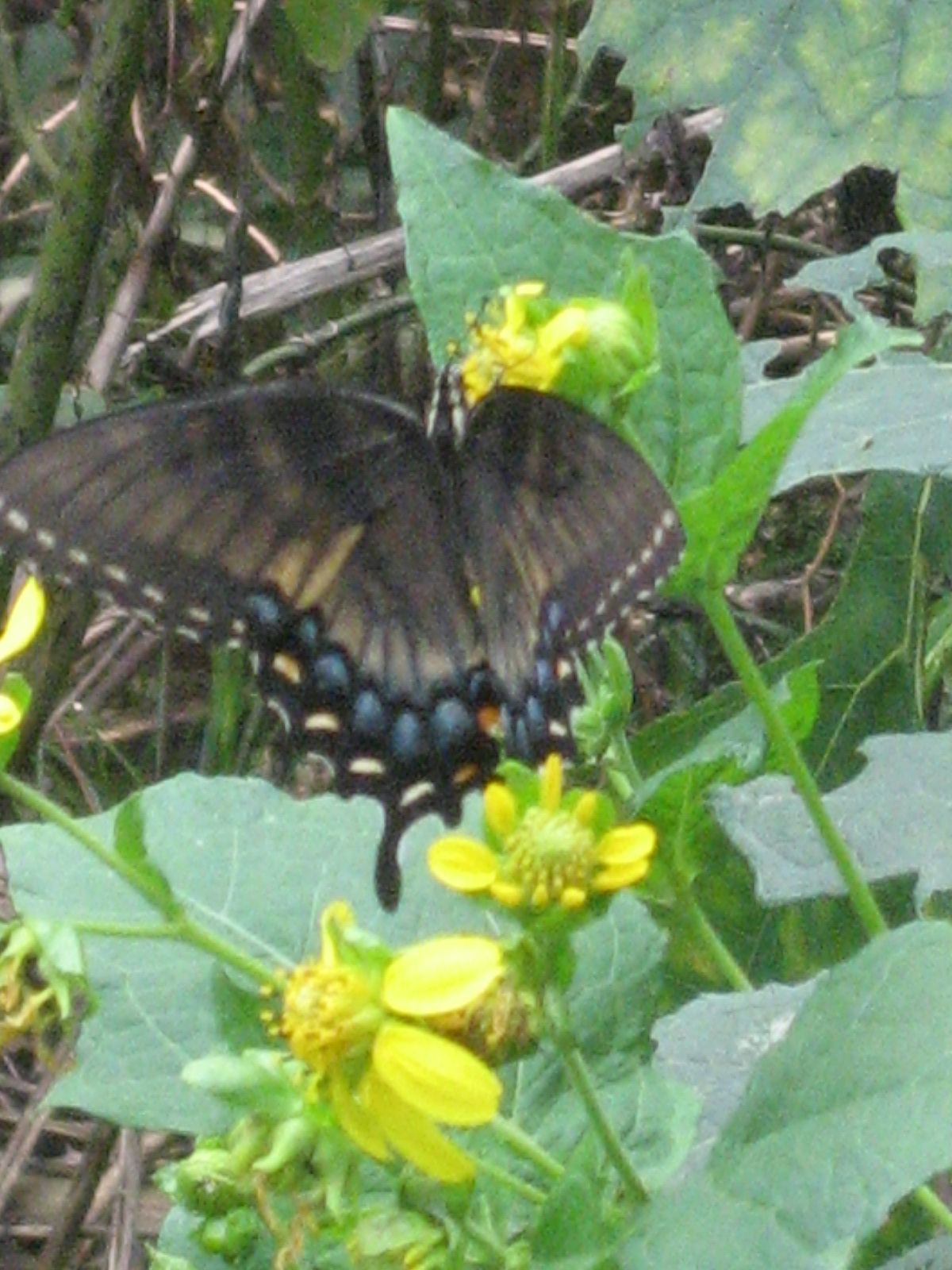
The 8 levels of classification, most broad to most specific.
a)
Domain, Genus, Family, Order, Class, Phylum, Kingdom, Species
b)
Domain, Species, Kingdom, Genus, Phylum, Family, Class, Order
c)
Domain, Kingdom, Phylum, Class, Order, Family, Genus, Species
d)
Order, Kingdom, Species, Domain, Phylum, Family, Class, Genus
4.
Who first proposed binomial nomenclature as a way of classifying organisms?
a)
Carolus Linnaeus
b)
Carl's Jr.
c)
Charles Darwin
d)
Henry Groseclose
5.
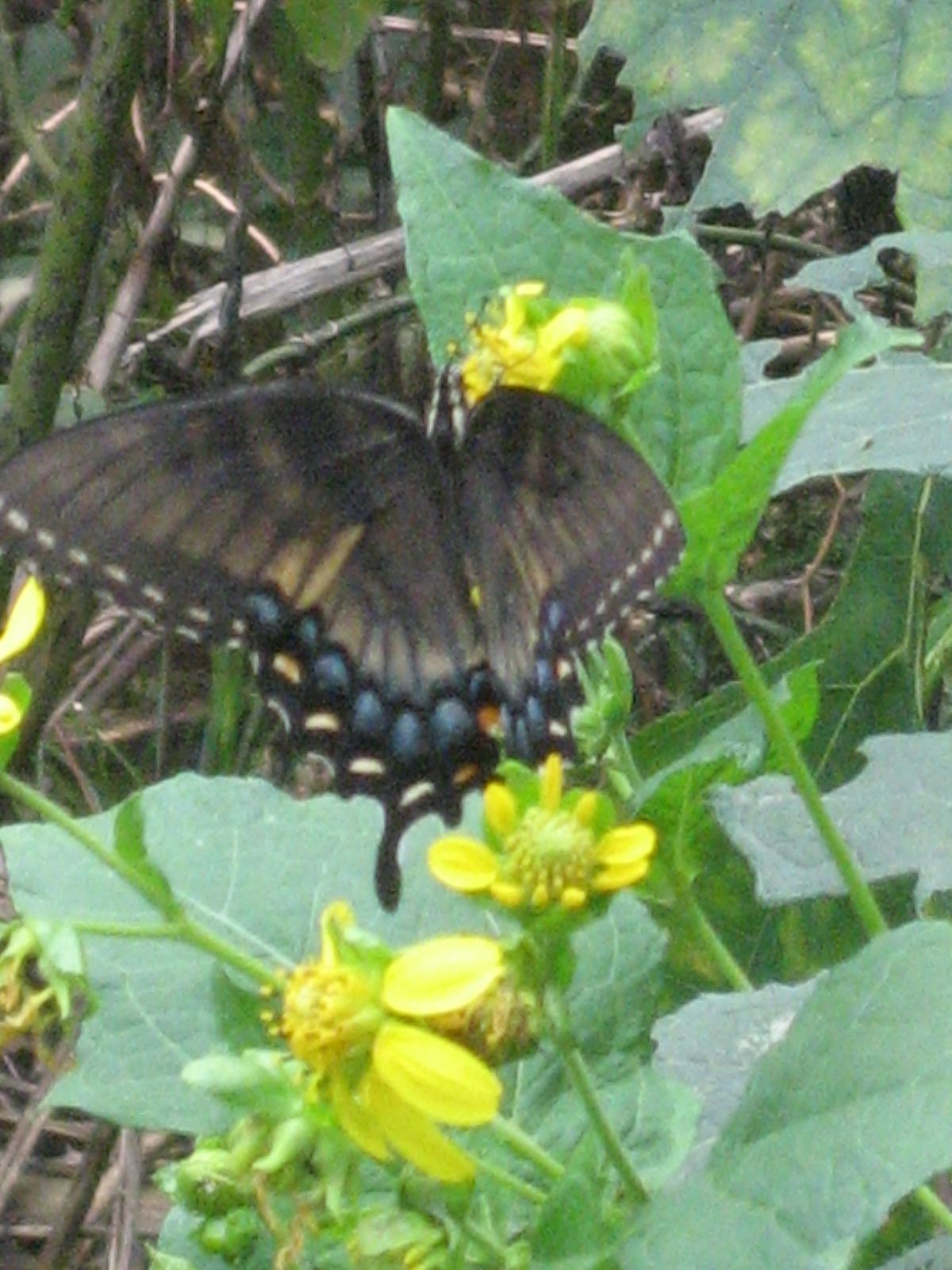
The 8 levels of classification, most broad to most specific.
a)
Domain, Genus, Family, Order, Class, Phylum, Kingdom, Species
b)
Domain, Species, Kingdom, Genus, Phylum, Family, Class, Order
c)
Domain, Kingdom, Phylum, Class, Order, Family, Genus, Species
d)
Order, Kingdom, Species, Domain, Phylum, Family, Class, Genus
6.
Members of this kingdom never have a cell wall
a)
Animalia
b)
Plantae
c)
Archaebacteria
d)
Protista
7.
Molds, yeast, and mushroom belong to kingdom:
a)
Eubacteria
b)
Archaebacteria
c)
Protista
d)
Fungi
8.
The grouping, Genus is just before the most specific category.
a)
TRUE
b)
FALSE
9.
An organism made up of more than one cell would be called:
a)
multicellular
b)
unicellular
c)
heterotroph
d)
autotroph
10.
Mutations are important because they bring about
a)
death of the organism in which they develop
b)
genetic variation needed for a population to evolve
c)
benefits for the individual, not for the population
d)
Hardey-Weinberg equilibrium within a population
11.
What is the term for a feature that allows an organism to survive better in its environment?
a)
variation
b)
adaptation
c)
homologous structure
d)
vestigial structure
12.
What is the process in which humans breed organisms for certain traits?
a)
natural selection
b)
inheritance
c)
artificial selection
d)
descent withOUT modification
13.

Some organisms that share a common ancestor have features that have different functions, but similar structures. These are known as
a)
vestigial structures
b)
analogous structures
c)
homologous structures
d)
fossil structures
14.
Who is the father of evolution?
a)
Darwin
b)
Mendel
c)
Newton
d)
Einstein
15.
What is another name for natural selection?
a)
survival of the smartest
b)
survival of the fastest
c)
survival of the biggest
d)
survival of the fittest
16.

The three species pictured do not share a common ancestor, yet have evolved to have a similar anatomy and life style. This is an example of ?
a)
Homologous Structures
b)
Divergent Evolution
c)
Vestigial Organs
d)
Convergent Evolution
17.

The three species pictured share a common ancestor and have adapted so that each lives in a different environment. This is an example of
a)
Law of Superposition
b)
Evolutionary Arms Race
c)
Divergent Evolution
d)
Convergent Evolution
18.
Has membrane bound organelles
a)
Prokaryote
b)
Eukaryote
c)
Both
19.

Which type of cell?
a)
Prokaryote
b)
Eukaryote
20.
Plants and animal cells are examples of ___ cells
a)
prokaryotic cells
b)
eukaryotic cells
21.
Prokaryotic and eukaryotic cells have many differences, but they also share some common features. Which of the following may be found in either type of cell?
a)
Golgi bodies
b)
ribosomes
c)
mitochondria
d)
nucleus
22.

Type of cell shown?
a)
Bacterial
b)
Prokaryotic
c)
Eukaryotic
d)
Red blood
100 %

