
 Worksheets
Soil and Natural Resources Extra Credit
Total questions: 36
Worksheet time: 27mins

You did an experiment to see how adding humus would improve plant growth. You added humus to plant A and kept plant B in regular soil. They both got the same amount of sunlight and water. Based on the results, what can you conclude?
Plant A will not grow any flowers
Plant B will die
Humus made plant A grow faster
Humus had not effect on plant A
The texture of soil depends on
How much water it can retain
Particle size
Soil color
Soil mass
A student wants to know which soil is the best to plant tomatoes in. Which of the following experiments can he complete to figure it out?
Plant seeds in each type of soil.
Pour 200 mL of water into each soil to see how much water is retained.
Compare the color of the soil to a color chart
Wet the soil and feel the texture.

Students wanted to test out the capacity to retain water. They poured water through the soil samples and waited for 2 minutes. Based on the results, which of the following is a correct conclusion?
Water seeped through sample A the slowest
Water seeped through sample B the fastest
Sample A retained the most water
All samples retained the same amount of water
A gardener wants to add humus to his soil because it contains a lot of nutrients and helps retain water. What does humus form from?
Sand
Rocks and minerals
Decayed animals and plants
Volcanic lava

Which of the following is NOT a property of soil?
Color
Texture
Where it's located
Ability to retain water
Ellen grabs a topsoil sample in her hand. She rolls it into a ball. The soil feels gritty and the ball falls apart. What property of soil is Ellen testing?
color
texture
ability to support plant growth
water retention
Which soil would retain the most water?
loam
sand
silt
clay
Which would retain the least amount of water?
gravel
silt
sand
clay
Where do plants get minerals from
soil
rain
sun
animals
Plants get Nutrients from Soil, these nutrients give them energy.
True
False
Plants intake Oxygen.
True
False
Plants help humans by releasing oxygen.
True
False
Plants need sunlight for warmth and energy.
True
False

Which soil retains the most water?
soil 1
soil 2
soil 3
soil 4

Which soil sample retains the most water?
A
B
C
D
True or false?
Coal is a nonrenewable resource.
True
False


Why is water a renewable resource?
It can be frozen into ice.
It evaporates into air.
It is constantly replaced.
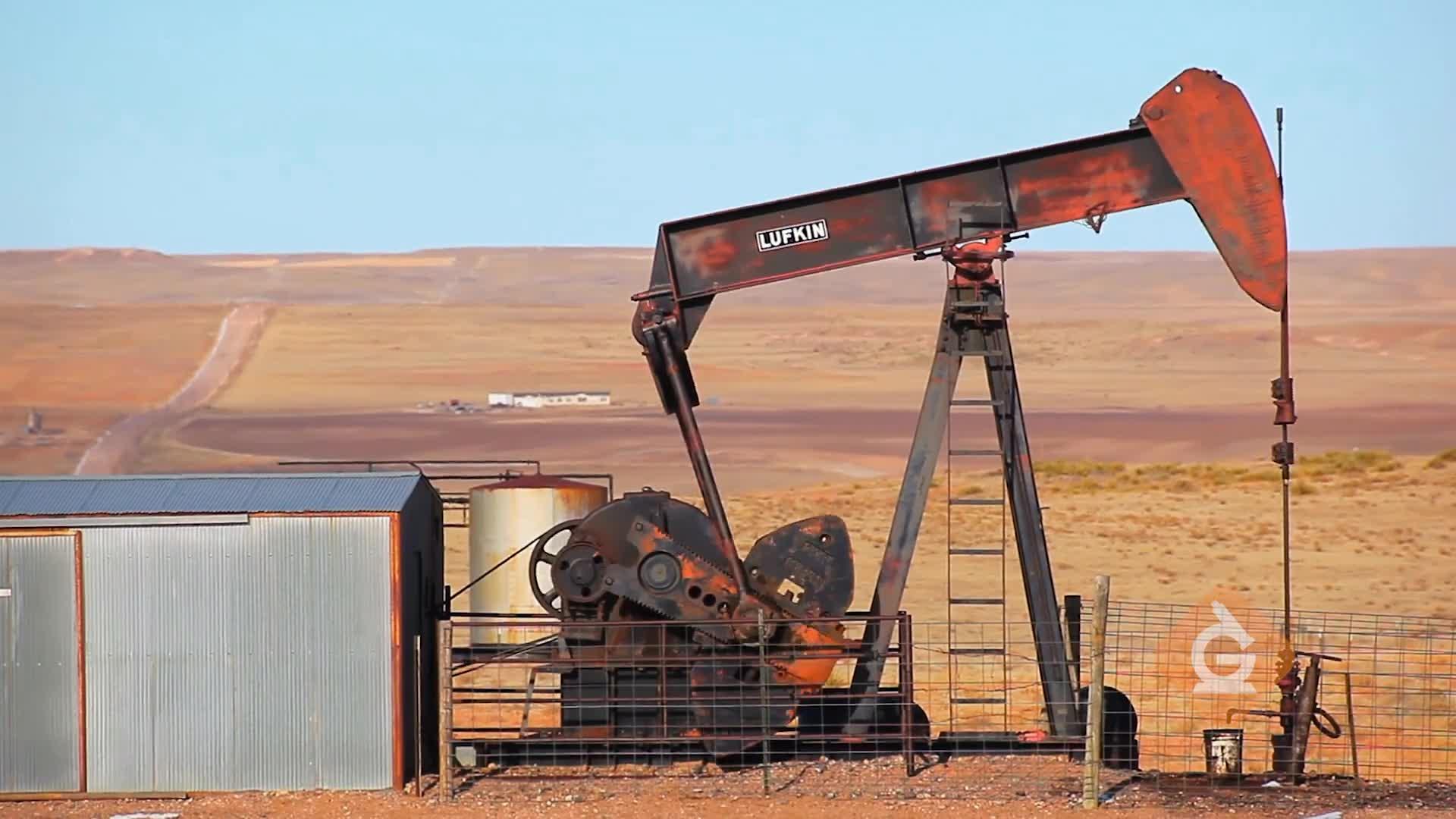
Which are ways we use fossil fuels?
eating and drinking
arts and crafts
paper and building
cars and heat
Why do we tend to use non-renewable resources instead of renewable resources?
Less Expensive
More Energy
All of these
What is a disadvantage of using non-renewable resources?
They have a large carbon footprint.
They can all be used up over time.
They can lead to global warming.
All of these.
Which of the following can be a disadvantage of renewable resources?
They can be intermittent (only available at certain times or in certain places).
They release a lot of CO2 and have a large carbon footprint.
They are renewable and will always be available.
Renewable resources have no disadvantages.

