Wayground logo

Free Printable Worksheets

Font size

S
M
L
XL
Worksheets

Symbiosis

Total questions: 28

Worksheet time: 25mins
Name
Class
Date
1.

A relationship in which two species live closely together.

a)

resource

b)

mutualism

c)

succession

d)

symbiosis

2.
A relationship between two organisms in which both organisms benefit. 
a)
Mutualism 
b)
Competition
c)
Parasitsm 
d)
Commensalism 
3.

One species benefits, the other is unaffected

a)

symbiosis

b)

parasitism

c)

mutualism

d)

commensalism

4.

One species benefits, the other species is harmed

a)

symbiosis

b)

parasitism

c)

mutualism

d)

commensalism

5.

This is any close relationship between any two different species in an ecosystem

a)

symbiosis

b)

parasitism

c)

mutualism

d)

commensalism

6.
Which symbols best describe parasitism?
a)
+,+
b)
+,-
c)
+,0
d)
-,0
7.
Cattle egrets forage (feed) in fields among cattle. The egret gets easy access to flying insects stirred up by the cattle, and the cattle don't care if they are there or not.
a)
mutualism
b)
commensalism
c)
competition
d)
parasitism
8.
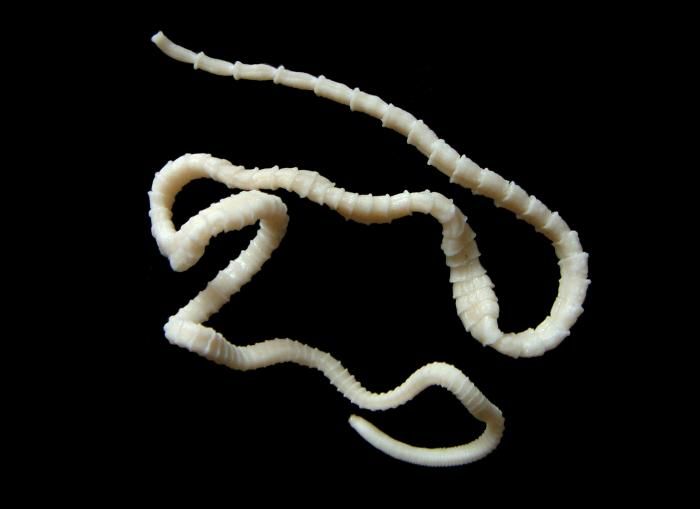
A tapeworm and a cat have this type of relationship.
a)
mutualism
b)
parasitism
c)
commensalism
d)
competition
9.
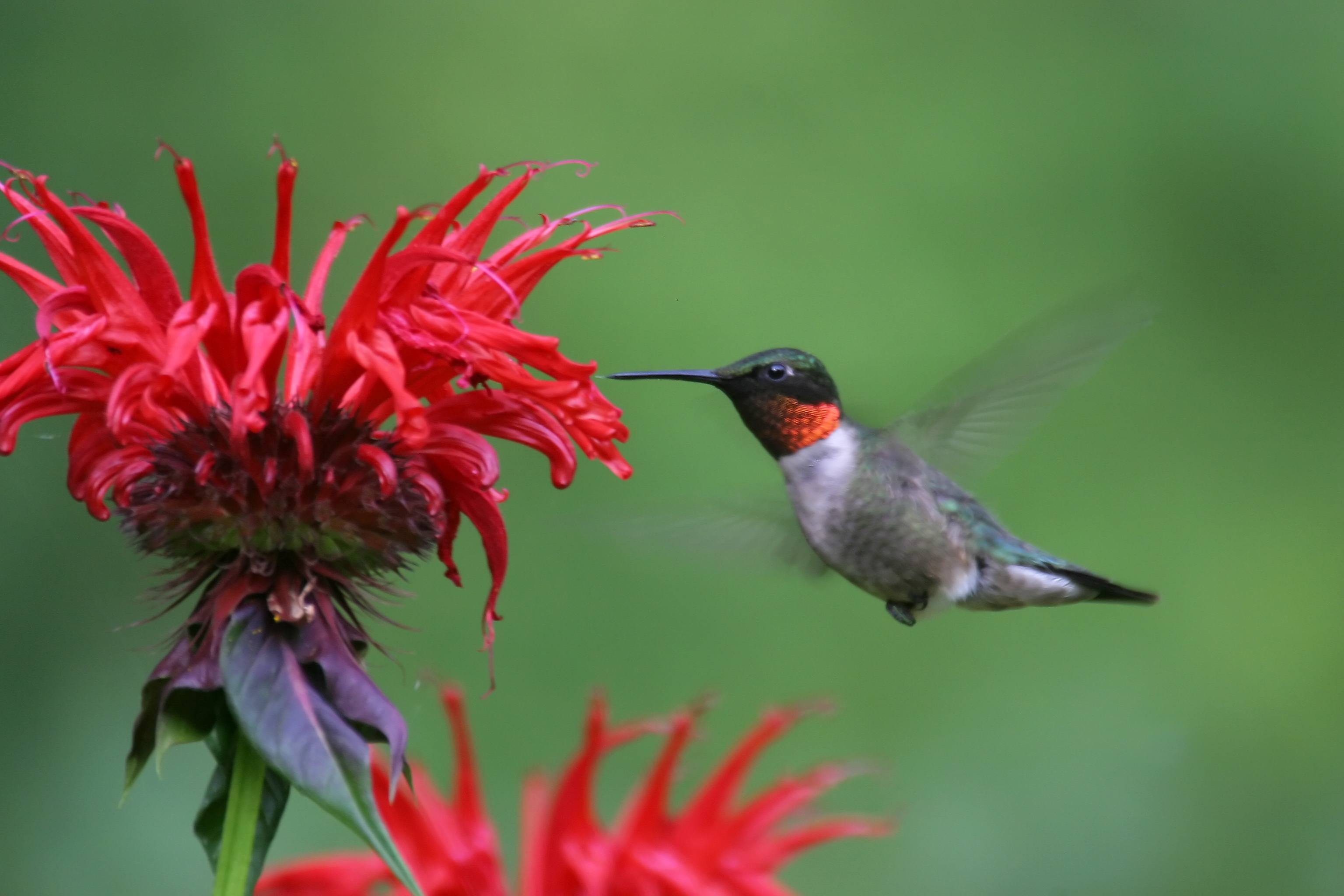
What type of symbiosis?  Hummingbirds feed on nectar from flowers.  The flowers are pollinated by hummingbirds as they move from flower to flower.
a)
commensalism
b)
mutualism
c)
parasitism
d)
predation
10.
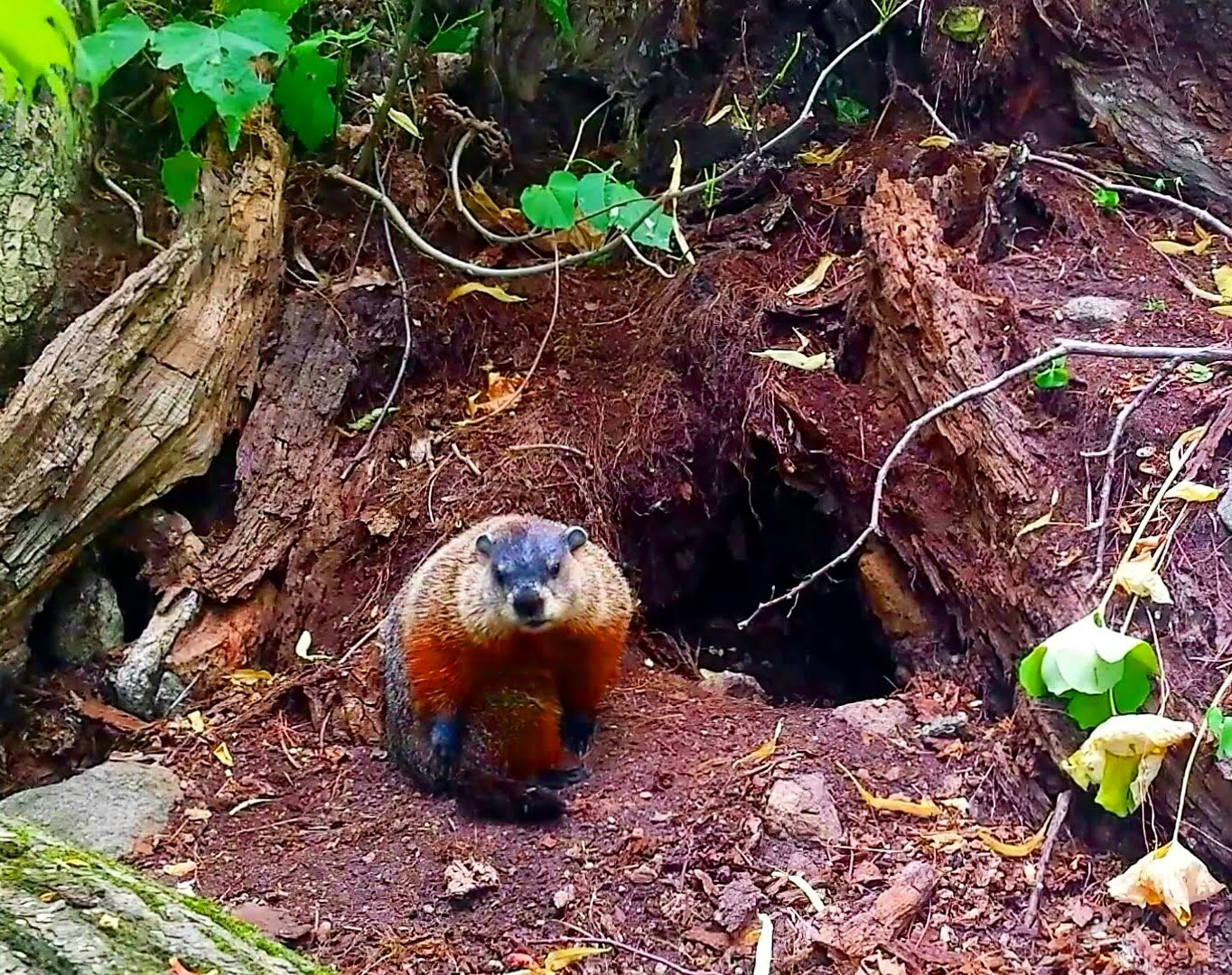
What type of symbiosis?  Skunks often live in burrows that have been dug and abandoned by woodchucks.  
a)
commensalism
b)
mutualism
c)
parasitism
d)
predation
11.

Aphids are tiny insects that live on and eat the leaves of plants, removing vital nutrients from the plants.

a)

Predation

b)

Parasitism

c)

Commensalism

d)

Mutualism

12.
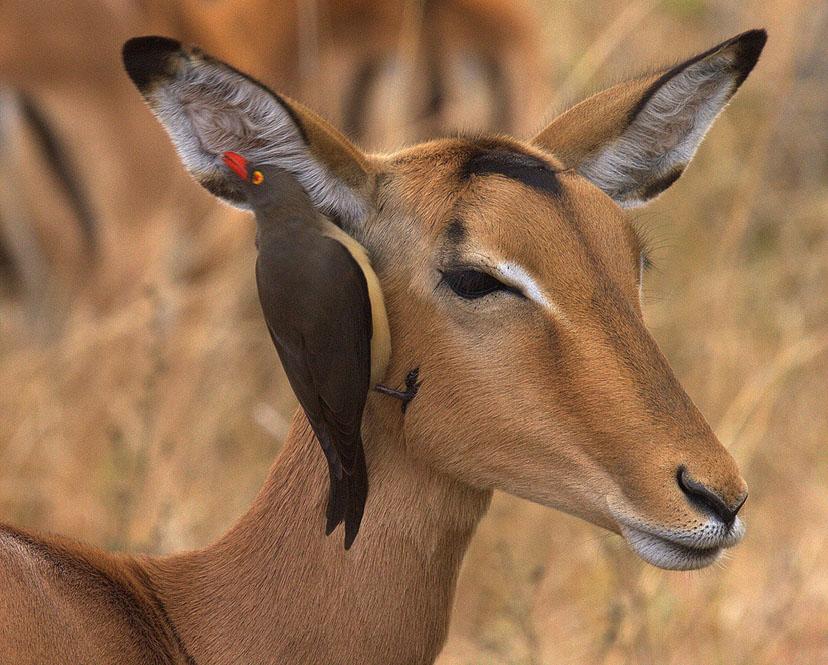
Red-billed oxpeckers are birds that often feed on parasites that infest impala.  This is an example of _______.
a)
commensalism
b)
mutualism
c)
neutralism
d)
competition
13.
What type of symbiosis is this?
*
Hermit crabs find shells left by snails that have died and move in.
*
  Snails die and leave behind their shells.
a)
commensalism
b)
mutualism
c)
parasitism
d)
predation
14.
Barnacles create home sites by attaching themselves to whales. This neither harms nor benefits the whales.  What kind of relationship is this?
a)
Mutualism 
b)
Parasitism 
c)
Commensalism 
15.
A frog eats a fly. The frog and fly are demonstrating ________.
a)
mutualism
b)
competition
c)
predator/prey
d)
parasitism
16.
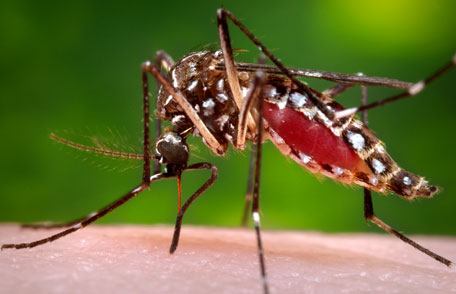
When a mosquito bites you, you are the __________ and the mosquito is the  ____________.
a)
host, hostess
b)
parasite, host
c)
host, parasite
d)
prey, predator
17.

Clown fish live among anemones, acting as a lure for the sea anemone's prey. The clown fish get protection and shelter from the anemone. This is an example of which type of symbiosis?

a)

Commensalism

b)

Mutualism

c)

Parasitism

18.

Which of the following interactions demonstrates a PARASITIC relationship?

a)

A mosquito sucking blood from a warm blooded animal.

b)

A group of baby otters floating together to help warm each other in the cold waters.

c)

Many fish swimming together to protect each other from predators.

d)

Two hyenas fighting over a female to mate with.

19.

A habitat is ___________________.

a)

the place or kind of place in which an animal or plant naturally lives.

b)

is how plants produce their own food.

c)

is an animal that only eats meat.

d)

the place where only one animal lives.

20.

A niche ________________.

a)

is the function that an organism performs in the food web of that community.

b)

includes everything else the organism does and needs in its environment.

c)

is specific to each individual animal and plant.

d)

All of the above.

21.

An organism’s habitat provides _____________________.

a)

food, water, shelter, and space.

b)

food, water, and clothes.

c)

only food.

d)

video games, ninjas, and baked beans.

22.

A squirrels niche would be _________________.

a)

hunting prey and providing meat for other squirrels.

b)

searching for fish to eat in the ocean.

c)

staying busy storing nuts and seeds for winter.

d)

help decompose other animals and plants.

23.

A squirrels habitat would be _____________.

a)

Ocean

b)

Arctic

c)

Forest

d)

Dessert

24.
What is an invasive species?
a)
A native (naturally found) species which are added to an area. 
b)
A non-native (not naturally found) species added to an area. 
c)
A keystone species in an environment
d)
none of the above
25.
Why do the populations of invasive species grow so quickly? 
a)
Invasive Species are native to an area. 
b)
Invasive species are prey to many animals.
c)
Invasive species have no predators.
d)
Invasive species keep the ecosystems in equilibrium.
26.
Kudzu has overgrown many parts of southern Missouri and native ground plants have disappeared from the area. This is an example of:
a)
Parasitism between kudzu and the native plants
b)
A predator prey relationship between ground plants and kudzu
c)
Competition occurring between the native and invasive species
d)
Commesalism occurring between the kudzo and native plants
27.
What's one EFFECT of pythons invading the Everglades?
a)
the number of small mammals, like mice, are decreasing
b)
the number of white-tailed deer is increasing
c)
pythons can grow to be 18 feet long
28.

A plant species that hasn't historically grown in an area is called:

a)

symbiotic

b)

natural

c)

non-native

d)

native