wayground logo

Free Printable Worksheets

NEW

Font size

S
M
L
XL
Worksheets

Q4 WEEK 4 QUIZ 5

Total questions: 15

Worksheet time: 11mins

Name
Class
Date
1.

It is the central part of a typhoon.

a)

eye

b)

eye wall

c)

rain bands

2.

PAGASA in a national service institution under what department?

a)

DepEd

b)

DENR

c)

DPWH

d)

DOST

3.

How do Filipinos call a tropical storm?

a)

habagat

b)

amihan

c)

bagyo

d)

buhawi

4.

What does "S" in PAGASA mean?

a)

storm

b)

signal

c)

services

d)

standard

5.

. A warning signal with the winds of 30-60 kph may be expected in at least 36 hours or irregular rains may be expected within 36 hours.

a)

Public Storm Signal No. 1

b)

Public Storm Signal No. 2

c)

Public Storm Signal No. 3

6.

A warning signal with the winds of greater than 100 kph to 185 kph may be

expected in at least 18 hours.

a)

Public Storm Signal No. 1

b)

Public Storm Signal No. 2

c)

Public Storm Signal No. 3

7.

What causes the moon to shine?

a)

The sun

b)

Its red-hot surface

c)

Pixie dust

d)

Electricity

8.

How long does it take the Moon to make a revolution around the Earth?

a)

12 hours

b)

27 Earth days

c)

One year

d)

Three months

9.
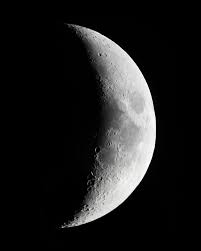
Name the moon phase
a)
full moon
b)
waxing crescent
c)
waning gibbous
d)
waxing gibbous
10.
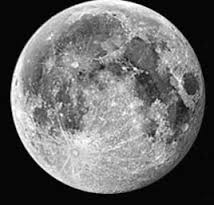
Name the moon phase
a)
First Quarter
b)
Last Quarter
c)
New Moon
d)
Full Moon
11.
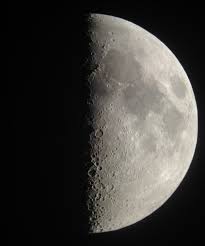
Name the moon phase
a)
First Quarter
b)
Last Quarter
c)
New Moon
d)
Full Moon
12.
Name the moon phase
a)
First Quarter
b)
Waxing Crescent
c)
New Moon
d)
Full Moon
13.
The moon ____________ around the Earth.
a)
orbits
b)
rotates
c)
up
d)
down
14.
How long is the moons complete phase?
a)
29.5 days
b)
30 days 
c)
45 days 
d)
I don't know
15.
How do we see different phases of the moon?
a)
Because the moon rotates on its axis
b)
The earth revolves around the moon so the light is reflected on different areas of the moon.
c)
The earth rotating on its axis allows us to see different phases of the moon.
d)
The moon revolves around the Earth so the light is reflected on different areas of the moon.