
 Worksheets
3rd Nine Weeks Exam Review 2
Total questions: 75
Worksheet time: 6hrs 15mins

John Locke
Natural Rights
Freedom of Speech
Freedom of Religion
Right to bear arms

Baron de Montesquieu
Separation of powers
Four branches of government
Freedom of Speech
Freedom oof Religion

Jean-Jacques Rousseau
Social Contract
Absolutism
Three branches of government
Influenced by Hobbes

Voltaire
Free Speech
Right to bear arms
Separation of Powers
Due process

Diderot
Encyclopedie
Candide
Spirit of Laws
Declaration of Independence
LIfe, Liberty and Property
Locke
Diderot
Voltaire
Freedom of Speech
Voltaire
Candide
Spirit of Laws
Social Contract
Declaration of Independence

The picture represents Montesquieu idea of...
Checks and balances
Government corruption
Gridlock
Freedom of voting
►an agreement between people and their government, in which people give up some things in return for the benefit of having government.
Social Contract
The Purge
Bill of Rights
Magna Carta
•The following ideas come from the Declaration of Independence and the U.S. Constitution's Bill of Rights. Which most closely relates to the work of John Locke?
•speedy and public trial
Life, Liberty and the Pursuit of Happiness
•Freedom of speech and the press
Innocent until proven guilty
During which years was the Enlightenment occurring in the world?
1701 - 1788
1776 - 1865
1715 - 1789
1987 - 2017
During The Enlightenment, people developed new ideas about ...
the level of control they should have over their government
the level of control the Sun exerts on Earth's orbit
how their food crops should be grown
how their houses should be arranged
In general, the philosophes believed in which of the following?
expanding women's rights
all Church decrees
progress for society
authoritarian rule
The Bill of Rights was influenced by
Voltaire
John Locke
Jean Jacques Rousseau
all of the above
What was Montesquieu's influence on the U.S. Constitution?
public elections
branches of government
the Bill of Rights
representatives
The four factors of production that were vital to the Industrial Revolution and the start of any business include each of the following EXCEPT
land
labor
capital
entrepreneurs
investors
The term laissez-faire roughly translates to mean
leave alone
resist
freedom
control
The ability to have necessities of life, such as food, clothing, and shelter and wants like vacations, concerts, and other amusements is referred to as
middle class
upper class
standard of living
purchasing power
The process of an area growing larger, with an increase in population, production of goods and services, and availability of a variety of options to fulfill one's wants and needs is called
industrialization
urbanization
materialism
commercialism
During the Industrial Revolution, a new social and economic class that developed was the
serfs
rich, or the upper class
expanded lower class
middle class
In the early days of the Industrial Revolution, which item was manufactured in great numbers at newly built factories?
textiles
industrial machines
cars
household goods like cookware
Which of the following best defines the term capital when referencing the Industrial Revolution?
a city where industrial production increased, became an important city for a nation's economy
money, equipment, and/or resources that were used in the production of goods
a type of investment that helped a factory or business get started
none of these best define capital
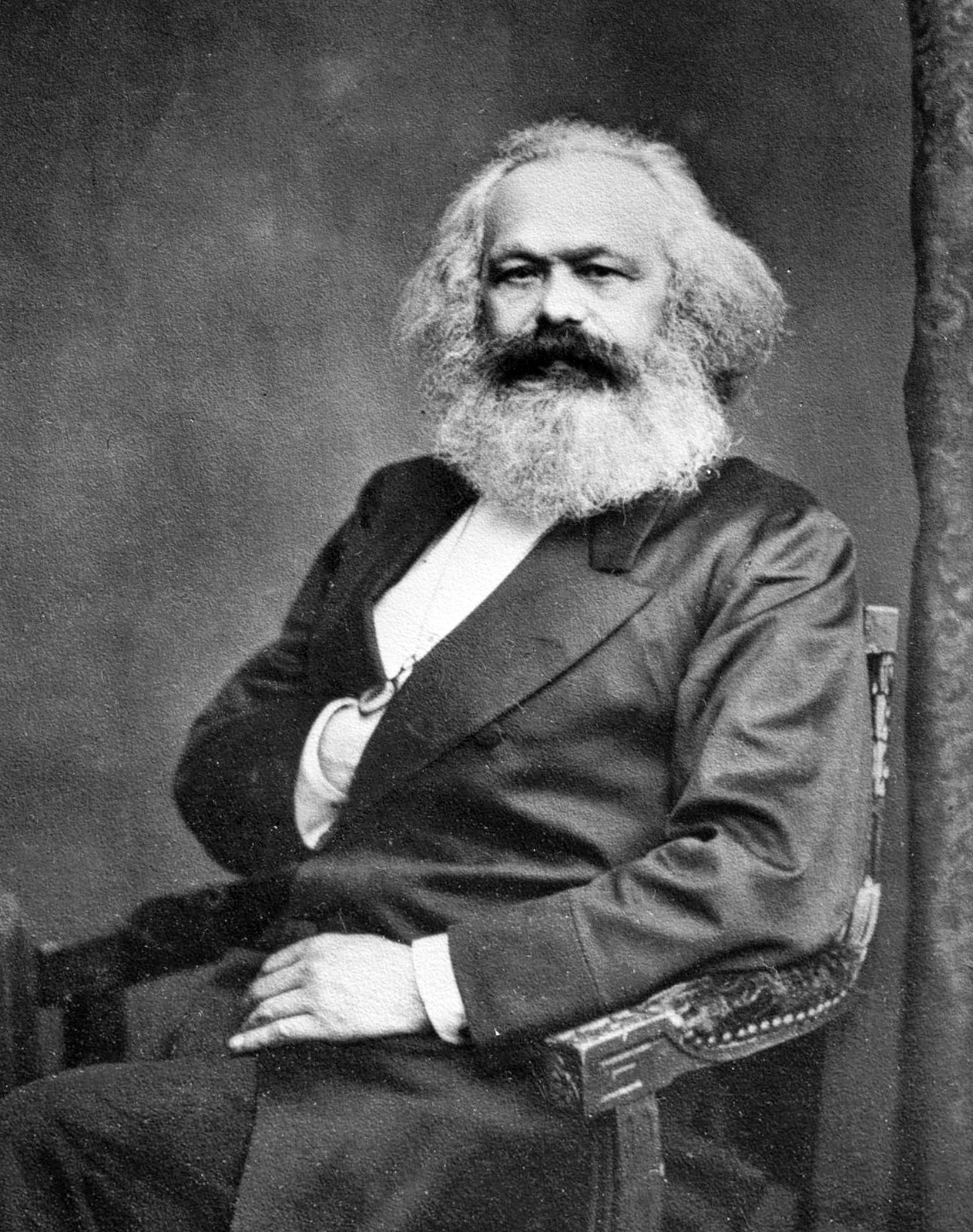
Karl Marx spelled out how he believed that workers should rise up against factory owners, outlining the basic principles of
capitalism
socialism
communism
command economies
Which of the following best describes industrialization?
nations began to rely on one another for trade of various goods and resources after the beginning of the Industrial Revolution
smaller nations needed assistance from their larger neighbors, so they formed trade alliances
more and more people began to move to cities, away from rural areas
advancement in technology to produce goods on a larger scale and a reliance on manufacturing of goods instead of individuals producing goods themselves
Why was England the site of the beginnings of the Industrial Revolution?
England was the most powerful nation in the world
It wasn't; history has unfairly given England credit for the Industrial Revolution
England had an abundance of natural resources such as coal, iron ore, and waterways where water wheels and steam engines could be built
England was centrally located to many areas like France, Germany, Spain, and Ireland, giving them an advantage to bring in resources and talent from many places
Women were paid ____ than men for doing the same work.
Less
More
1. For businesses, how did railroads impact the prices of goods & services?
Made goods and services more expensive & harder to ship
Made goods and services cheaper & easier to ship
Gave people safer transportation
Opened new land for exploring and settlements
These workers negotiate as a group to try and argue for better pay, better hours, and better working conditions.
Abolitionists
Labor Unions
Temperance Movement
Capitalists
How did the Industrial Revolution change the way we create goods? Choose the BEST answer
Made fewer products
Made more products from home
Made better quality products
Mass production & cheaper goods
What is the movement from rural to urban areas called?
Moving
Inflation
Industrialization
Urbanization

Why did people move to cities during the Industrial Revolution?
People were looking for work in factories
People were looking on farms.
People wanted to buy a house.
People wanted to sell their crops.

This picture shows which problem of the factory system in Great Britain? Choose the BEST answer.
Unsafe working conditions
Unfair wages for women
Urbanization
Child Labor
Which of the following was NOT associated with early factory working conditions?
Low wages
Dangerous working conditions
Safe working conditions
Widespread pollution
The THREE factors of production that were vital to the Industrial Revolution and the start of any business include each of the following EXCEPT
Land
Capital
Investors
Labor
During the Industrial Revolution, a new social and economic class that developed was called the:
Serfs
Nobles
Upper class
Middle Class
In the early days of the Industrial Revolution, which item was manufactured in great numbers at newly built factories? In what industry did the Industrial Revolution begin?
Cars
Textiles
Food service
Household goods
Which of the following best describes the term industrialization? Choose the BEST answer.
Nations began to rely on one another for trade of various goods and resources after the beginning of the Industrial Revolution
Smaller nations needed assistance from their larger neighbors, so they formed trade alliances
More and more people began to move to cities, away from rural areas
Advancement in technology (machines) to produce goods on a larger scale and a reliance on manufacturing of goods instead of individuals producing goods by hand
Which statement was true at the BEGINNING of the Industrial Revolution?
Children were not allowed to work in the mines during the Industrial Revolution
Children got paid less and there were no labor laws that prevented children from working
Work conditions were closely regulated
Children were allowed to work but they were treated fairly.
The Industrial Revolution began in which country?
France
Great Britain
Germany
China

What is the movement of people from farms to cities?
Utilitarianism
Urbanization
Proletariat
Enclosure Movement

A place where people and machines join together to mass produce goods.
Cartel
Corporation
Factory
Urbanization
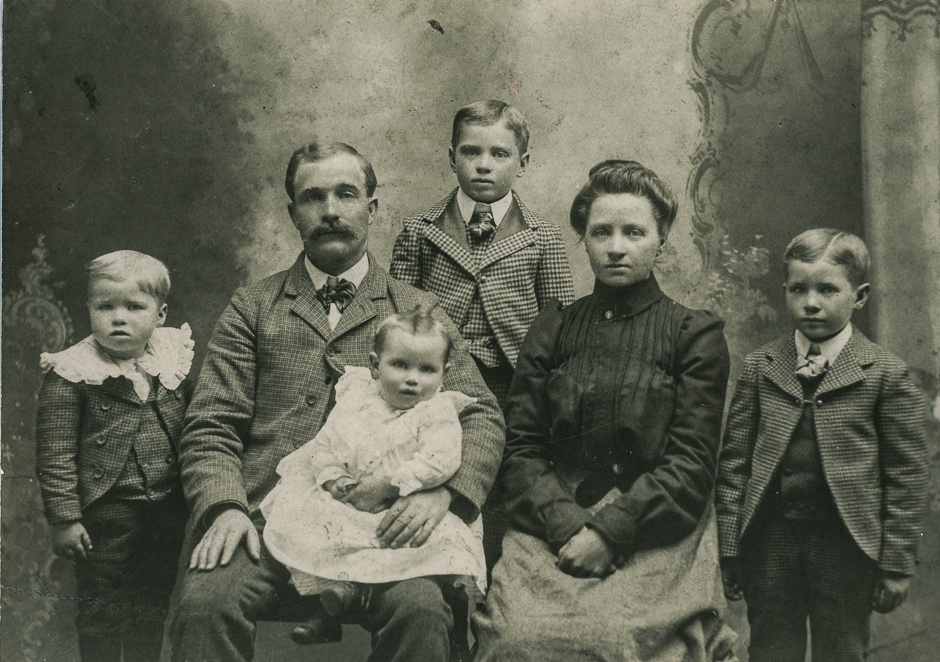
The Industrial revolution created a new ____________ class.
Upper
Poor
Lower
Middle

__________ is known as the Father of modern economics, who theorized Laissez-Faire, the idea that the market should have no political interventions?
Adam Smith
Karl Marx
Thomas Malthus
Frederick Engels

In which European country did the Industrial Revolution begin?
France
Britian
Prussia
Spain

Some of the machines invented in the 18th and 19th centuries are:
telephones, geographic positioning system, radios, airplanes
steam engine, railroads, flying shuttle, phonograph, steam ships, light bulb
sailboats, automobiles, wheel barrels, clocks, word processors
automatic washer, hair dryer, rockets, space shuttles

Which of the following is considered an impact of Industrialization during the 18th and 19th centuries?
Increased competition between industrialized nations
Rise of global inequalities
Transformation of society.
All of the above

Capitalism is
An economic system in which the means of production are privately owned and money is invested to make profits.
An economic system in which the means of production are owned by the public (government) and operate for the welfare of all.
Which of the following was a MAJOR consequence of the Industrial Revolution in Great Britain?
Trade agreements were broken as the country became more self-reliant
Harsh working conditions in factories caused a decrease in population
Many people moved in from rural areas to cities in search of work
Trade schools increased economic opportunities for women

