
 Worksheets
Test 2: Biology 10th and Pak Studies 10th
Total questions: 160
Worksheet time: 1hrs 29mins
Cellular respiration is the process in which the C-H bonds in food are broken by ------------------- and thenergy is transformed into ATP.
oxidation reaction
reduction reaction
Both a & b
activation energy
Organisms need energy in the form of ..................................... for their activities.
ATP
NADH2
Heat
Both a & b
The bronchioles end as fine tubules called the ________________.
Alveoli
air sac
alveolar ducts
all of these
Sum of oxygen and carbon dioxide in expired air is _______________.
0.04%
16%
21%
20%
Spinal cord is roughly -------------- long and about as wide as your thumb for most of its length.
20cm
40cm
50cm
60cm
The structure of eye can be divided into _______________ main layers.
Two
Three
Four
None of these
Behind iris, there is a.......................... which focuses light on retina.
convex lens
concave lens
suspensory ligament
ciliary muscles
The elongation of eyeball results in.....................................
Myopia
Hypermetropia
Cataract
Blindness
Ali ibn Isa described 130 eye diseases and prescribed................. drugs to treat these diseases.
113
123
133
143
Tetany is due to decreased blood ......................................... level which makes the nerves and muscles more excitable.
Vitamin D
Phosphate
Calcium
All of these
Pectoral (shoulder) girdle is made of .............................. bones.
2
4
6
29
The flower is actually a condensed shoot with the nodes present very close to each other. All the structures present at one node are collectively called the....................
Floral bud
Complete flower
Buds
Whorl
Beans, cotton and papaya are the examples of seeds that germinate by........................
Epicotyle
Hypocotyle
Epigeal way
Hypogyal way
Certain worms grow to full size, they spontaneously break up into ............................... pieces.
2 or 3
8 or 9
20 or 21
50 or 51
The ................................ nucleus again undergoes mitosis and produces two sperms.
tube
generative
sperm
diploid
A cluster of specialized cells called ........................... surrounds and nourishes each egg cell.
nurture
follicle
fallopians
interstitial
Embryo develops into new offspring (rabbit kit) in days, after which it is born.
10-12
20-22
30–32
40-42
Pakistan’s Federal Ministry of Health established NACP in ............................
1967
1977
1987
1997
DNA wraps around histone proteins and forms round structures, called .............................
Chromosome
Polysome
Mesosome
Nucleosomes
Mendel used .................... pea plants in his experiments.
10,000
18,000
20,000
28,000
In artificial selection, the bred animals are known as ................................ while bred plants are known as varieties.
Cultivars
Breeds
Subspecies
Artificial selection
Biosphere ranges from the floor of oceans to the tops of the highest mountains. It is about -------------- kilometres thick.
8-10
10-12
12-16
16-20
Carbonates of Earth’s crust also give rise to ...................
Oxygen
Carbon dioxide
Bicarbonate
Calcium carbonate
The term ‘Greenhouse Effect’ refers to the phenomenon in which certain gases (called greenhouse gases) trap .................. in the atmosphere.
carbon dioxide
methane
heat
Both a & b
Antibioticare the chemicals produced by or derived from microorganisms such as
Bacteria
Fungi
Algae
Both a & b
Which of the following is a reactant of cellular respiration?
Oxygen
Carbon Dioxide
Glucose
Glucose and Oxygen
It is mainly membrane-enclosed spaces stacked on top of each other
Rough ER
Mitochondria
Smooth ER
Golgi Apparatus

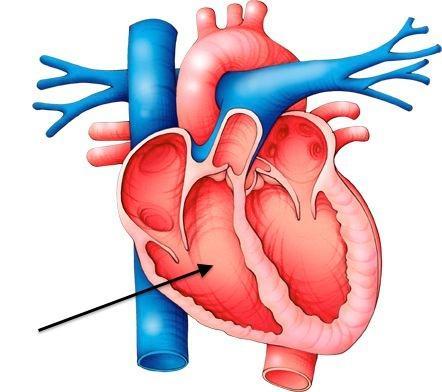
What do kidneys filter?
ammonia
nitrogenous wastes
urine
blood
What can be the genetic composition for yellow colour and round seeds
YYRR
YYrr
yyRR
yyrr
Zygote which has an x chromosome inherited from the father will develop into a
Boy
Girl
X chromosome does not determine the sex of a child
Either boy or girl
The maleness of a child is determined by
X chromosome in the zygote
Y chromosome in zygote
The cytoplasm of germ cell which determines the sex
Sex is determined by a chance
The genes for green colour and wrinkled seeds are
YYRR
YYrr
yyRR
yyrr
The genes for yellow colour and wrinkled seeds
YYRR
YYrr
yyRR
yyrr
The ratio for dihybrid Cross experiment
13:1:1:3
11:1:1:3
3:1:1:11
9:3:3:1
In F2 generation of plants, -------- %plants were dwarf and --------% plants were tall in Mendels experiment.
50%,50%
25% , 75%
75% ,25%
100%, 0%
Which principle was given by Darwin
Inheritance of acquired characters
Germplasm theory
Mutation theory
Theory of natural selection
A cross between a tall plant(TT) and short pea plant (tt) resulted in progeny that were all tall plants because
Tall is dominant trait
Shortness is dominant trait
Tallness is recessive trait
Height of pea plant is not governed bye by gene T or t
The branch of biology related with heredity and variation is called
Genetics
Evolution
Taxonomy
None of the above
The unit of expression of genetic information from one generation to another generation
DNA
RNA
Both DNA and RNA
Blood
Variation is observed in
Sexual reproduction
Asexual reproduction
Both Asexual and sexual
Neither of them
-------and----------Showed that gene is a part of chromosome
Mendel and Darwin
Johnson and Cribson
Watson and crick
T.Boveri and W.S Sutton.
The cluster of capillaries within a nephron.
glomerulus
alveoli
aorta
vein
The organ that removes metabolic wastes including urea, excess water, and salts from the blood.
lung
liver
kidney
colon
The organ whose excretory functions include detoxification of the blood and formation of urea.
liver
kidney
heart
gall bladder
Another term for sweating; removal of water, salt and urea through the sweat glands in the skin.
perspiration
respiration
reabsorption
transport
The functional unit of the kidneys which includes the glomerulus, Bowman's capsule and the Loop of Henle.
arteriole
veinule
alveoli
nephron
A nitrogen waste resulting from the breakdown of the amino acids produced during protein digestion.
carbon dioxide
bile
urea
water
A) Urine passes through the ureters
B) Urea enters the kidneys
C) Urine enters the urethra
The ________ is made up of a million ___________.
kidney, ureters
nephron, kidneys
lungs, nephrons
kidney, nephrons
Poisons can build up in the body if organs don't filter and get rid of them. This makes you sick and you could die. What is another name for poisons?
toxins
enzymes
hormones
lipids
Sweat is excreted from which organ?
Liver
Lungs
Skin
Kidneys
The kidneys are supplied with blood from the renal artery. Is this blood filtered or unfiltered? Oxygenated or deoxygenated?
Filtered and oxygenated
Filtered and deoxygenated
unfiltered and oxygenated
unfiltered and deoxygenated
The adrenal glands sit on top of the kidneys. The release what hormone? and what is the function of this hormone in the body?
Adrenaline, growth
Growth stimulating hormone, growth
Adrenaline, fight or flight response
Anti-duriteic hormone, controls water release
Term for both the bunch of capillaries and the cup-shaped structure which forms part of the nephron
Bowman's capsule
Glomerulus
Malpighian body
Renal tubule
__________ is a treatment that carries out the functions of healthy kidneys.
Caculator
Dialysis
Novocaine
Ultrasound
The number of genes is_______ the number of chromosomes.
Same as
Less than
More than
Less than or equal to
Mutation theory was described by_______.
Lamarck
Hugo De Vries
Darwin
Weismann
Individual variation means...
Heredity
Variation
Evolution
Similarities
What is the ratio of monohybrid cross in F2 generation?
11:3
3:2
2:1
3:1
If characters of T are expressed in F1 generation by Tt, then T is said to be...
Recessive gene
Dominant gene
Alternate gene
Only gene
The transmission of characters from parents to the off-springs is called as
Inheritance
Heredity
Evolution
Both a & b
Which of the following does not have valves
Heart
Arteries
capillaries
veins
Blood leaving the heart to go to the body leaves from
left ventricle
left atrium
right atrium
right ventricle
How many chambers are present in the heart of fish
1
3
2
4
What is the meaning of bicuspid?
two cusps
three cusps
two cups
divided cusp
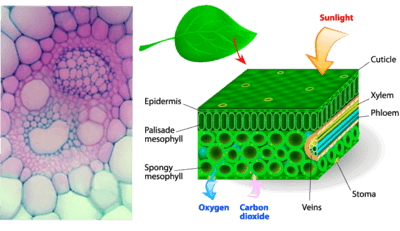
Recall that the movement of food in the phloem is called.
Translocation
Transpiration stream
Evaporation
Respiration
Which tube carries air to the wind pipe?
Trachea
Pharynx
Larynx
Adam's Apple
Name the large muscle that separates the chest cavity from the abdominal cavity and helps with breathing?
Larynx
Diaphragm
Sternum
Thorax
The windpipe is also known as...
Trachea
Adenoid
Pharynx
larynx
Mani's blood pressure is measured as 140/ 90. The condition of her B.P. seems to be____.
Normal
Hypertension
Hypotension
All the above
Apparatus used for measuring blood pressure______.
Barometer
Manometer
Sphygmomanometer
None of the above
Blood capillaries responsible for following ____.
Providence of nutrients to tissues
Providence of oxygen to tissues
Removal of excretory substances from tissues
All the above
Double circulation means____.
Blood flows to lungs twice.in a circulation.
Blood flows to the heart twice in a circulation.
Blood flows to body organs twice in a circulation.
All the above.
Single Circulation is seen in_____.
Humans
Frogs
Reptilea
Fish
Why plants become wilt?
Less water evaporate from the plants
The plant loss excessive amount of water through transpiration
The stomata of the plants are closed
The weather are cool.
What is the function of waxy cuticle on the leaves surface?
Provide water for the plant through the leaves
Reduce the loss of water from the plants by evaporation
Protect the plants from danger
to attract insects
Transpiration is
the movement of water through a plant from the roots up the stem
the loss of water from the leaves of a plant by the process of evaporation
the flow of water into plant roots by osmosis from the soil
the process of minerals and sugars moving through plant veins
Xylem tubes are made of...
Dead cells
Living cells
Partially living cells
none of the above
Phloem tubes are made of...
Dead cells
Living cells
Partially dead cells
None of the above
Cells that control the opening and closing of stomata are
Cuticle
Guard cells
Vascular tissue
Stomata
The term respiration is derived from
Latin
Greek
Both
None
The name of oxygen was coined by Joseph
priestley
Von nail
Lavoiser
The organ that removes metabolic wastes including urea, excess water, and salts from the blood.
lung
liver
kidney
colon
Vocal cords are seen in
Pharynx
Lungs
Trachea
Larynx
The first enzyme to mix with food in the digestive system is
Pepsin
Amylase
Lipase
Hydrochloric acid is present in this digestive system
gastric juice
pancreatic juice
intestinal juice
End products in aerobic respiration
Co2,water,energy
Water ,energy
Ethanol,energy
All the above
The ability to react to a particular stimulus in a particular situation helps the organism
In its survival
In its death
Adaptation to environment
none of these
The myelin sheath of Axon is made up of cells called
Raphides
Glial cells
Schwann cells
Adipose cells
The nervous system consists of nerve cells about
8 billion
3 billion
10 billion
15 billion
The structural and functional unit of the nervous system is
Glial Cell
Nerve Cell
Motor Cell
Sensory Cell
Synapse is the
Region of contact between two neurons
Part through which information is passed
from one neuron to the other
Region of minute gaps
All of these
Respiratory structures in mangroves
Roots
Stem
Leaves
Breathing roots
This is a big health hazard
Kwashiorkor
Marasmus
Obesity
Both a and b
The enzyme present in saliva is
Pepsin
Lipase
Ptyline
Trypsin
Enzyme trypsin is secreted from
Pancreas
Liver
Stomach
Salivary glands
This is a water soluble vitamin
Vitamin c
Vitamin d
Vitamin b
Both a and c
Ascorbic acid is the chemical name of
Vitamin a
Vitamin d
Vitamin c
Vitamin e
The digestive juice without enzymes
Gastric juice
Bile juice
Pancreatic juice
Saliva
This vitamin is available in carrot tomato pumpkin and papaya
Vitamin a
Vitamin d
Vitamin e
Vitamin k
Marasmus disease is caused due to deficiency of
Protein
Calories
Both a and b
Fats
Amylase converts carbohydrates into this form
Sucrose
Maltose
Galactose
Glucose
Deficiency of niacin causes this disease
Rickets
Pellagra
Glossitis
Burning feet
This vitamin is synthesized by bacteria present in the intestine
Cyanocobalamin
Niacin
Biotin
Folic acid
Deficiency of thiamine leads to a disease called
Pellagra
Beri beri
Scurvy
Both b and c
This vitamin is is available in citrus fruits and sprouts
Ascorbic acid
Calciferol
Tocoferol
Biotin
The part of the female reproductive system that produces the eggs
Ovary
Epididymis
Cervix
Fallopian tube
Which part of the male reproductive system produces (human) the sperm cells?
Vasdeference
Epididymis
Seminiferous tubules
Scrotum
How does the sperm break through the egg cell membrane? Choose the option you think is right.
Tears a hole in the membrane
Dissolves the membrane with chemicals
Bites through the membrane with teeth
Squeezes through gaps in the membrane
Why are egg cells larger than sperm cells? Choose the option you think is right.
Egg cells have more cells in them
Have food store to help growth after fertilization
Have thicker cell membranes
Have larger nuclei
Ovule integument gets transformed into
seed
fruit wall
seed coat
cotyledons
Stem cuttings are commonly used for the propagation of
banana
rose
mango
cotton
General Zia-ul-Haq remained for an Era of ...................
1965-1975
1970-1980
1977-1988
1988-1993
Benazir Bhutto’s First Government Era ....................
1985-1988
1988-1990
1990-1993
None of these
President Ghulam Ishaq Khan dismissed Nawaz Sharif’s government under section ...................... of the constitution in April 1993
63-A
58-2B
18 amendment
1973
In ....................., a war broke out between India and Pakistan on Kargil. Later, on intervention of the American President, Bill Clinton, both countries declared ceasefire.
1965
1971
1999
2001
The Privatisation Commission sold ............... shares of the PTCL to Etisalaat.
26%
30%
50%
100%
Youm-e-Takbeer is celebrated on.........................
23 march
9 september
28 may
25 december
Pakistan did atomic blasts in................
1971
1988
1998
2005
Who was the head of boundary commission?
(a)
Through silk route Pakistan is connected to
China
Afghanistan
Iran
India
The border between Pakistan and Afghanistan is called
LOC
LAC
Silk Route
Durand Line
The average temperature of the Coastal Area of Pakistan is degree Celsius
37 degree
32 degree
33 degree
35 degree
In the South of Pakistan is located
Arabian Sea
Afghanistan
Iran
India
How much part of the Pakistan area is covered with forest?
20%
5%
15%
30%
Doaba is a piece of land lies between two
Rivers
Valleys
Lakes
Mountains
In which century did Pakistan come into being?
Eighteenth
Twentieth
Nineteenth
Twenty first
A collection of beliefs and action is called:
Equality
Nation
Ideology
Fraternity
The word "Nazria" is used for Ideology in:
Persian
Sindhi
Urdu
Arabic
Lahore Resolution is also called
Objective Resolution
Pakistan Resolution
Islamic Resolution
Independence Resolution
Quaid-e-Azam addressed the government Officers of Pakistan at:
Lahore
Islamabad
Karachi
Mumbai
The first time the Muslims were declared as a separate nation by:
Allama Iqbal
Jinnah
Sir Syed Ahmed Khan
Chaudhry Rehmat Ali
The pamphlet "Now and Never" was Published in:
1930
1933
1940
1947
Fraternity means:
Rule of Law
Brotherhood
Justice
Sacrifice
_________ is the fifth Pillar of Islam.
Zakaat
Fast
Hajj
Naamaz
______________ published a pamphlet Now or Never in
Allama Iqbal
A K Fazl Ul Haq
Chaudhary Rehmat Ali
Abdul Rab Nishtar
Quaid-e-Azam said that rights of ________ will be fully Protected in Pakistan
Women
Hindu
Minorities
Muslim ruled in the subcontinent for
Centuries
100 years
50 year
_______ provide security to the people
Duties
Rights
Laws
Who is the first governor general of Pakistan?
Quaid e Azam
Liaquat Ali Khan
gandhi
When did the War of Independence took place?
1867
1887
1857
Who was the first president of All India Muslim League?
Quaid e Azam
Sultan Muhammad Shah Agha Khan
Allama Iqbal
When All India Muslim League was formed?
1906
1907
1911
Which Muslim leader presented the vision of a separate homeland in Allahabad session of All India Muslim League?
Sir Syed Ahmed Khan
Allama Iqbal
Quaid e Azam
Which special event took place in 1940?
Partition of Bengal
foundation of Congress
Lahore resolution
Who gave the powers to India and Pakistan in 1947?
Lord Curzon
Lord Mount Batten
Lord Cripps
In which year Indian National Congress was established?
1885
1889
1886
Who made the first Muslim University in Sub continent?
Liaquat Ali Khan
Sir Syed Ahmed Khan
Allama Iqbal
Who was awarded by the title of 'Poet of the East'
Maulana Shaukat Ali
Allama Iqbal
Hafeez Jalandhari

